LED Lighting for Track and Field Facilities
- Free photometric plans help evaluate fixture quantity and aiming
- Multiple beam distributions available for track and field layouts
- Selection support for matching fixtures to pole configurations


Get Your Custom Lighting Plan With Product Recommendations
- Layout Designed Around Track Geometry, Mounting Heights, and Target Foot-Candle Levels for Uniformity
- Fixture Count and Optics Matched to Track Configuration with Beam Angles from 10° to 120°
- Can Reduce Energy Use 50-75% Over Metal Halide and Extend Maintenance Intervals


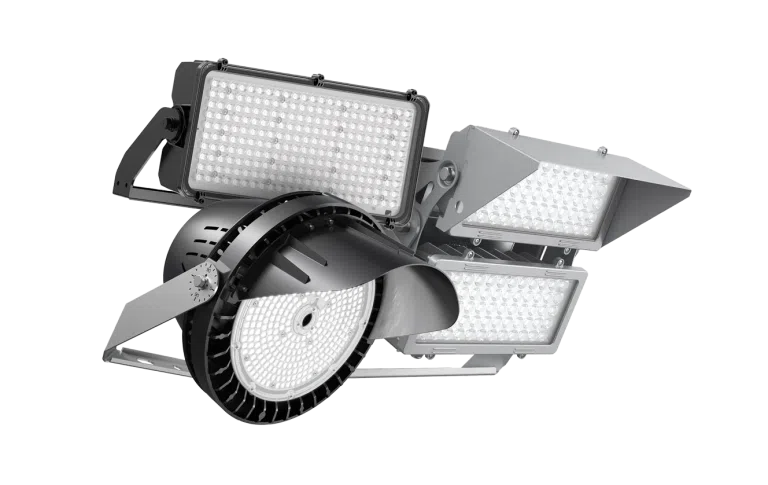
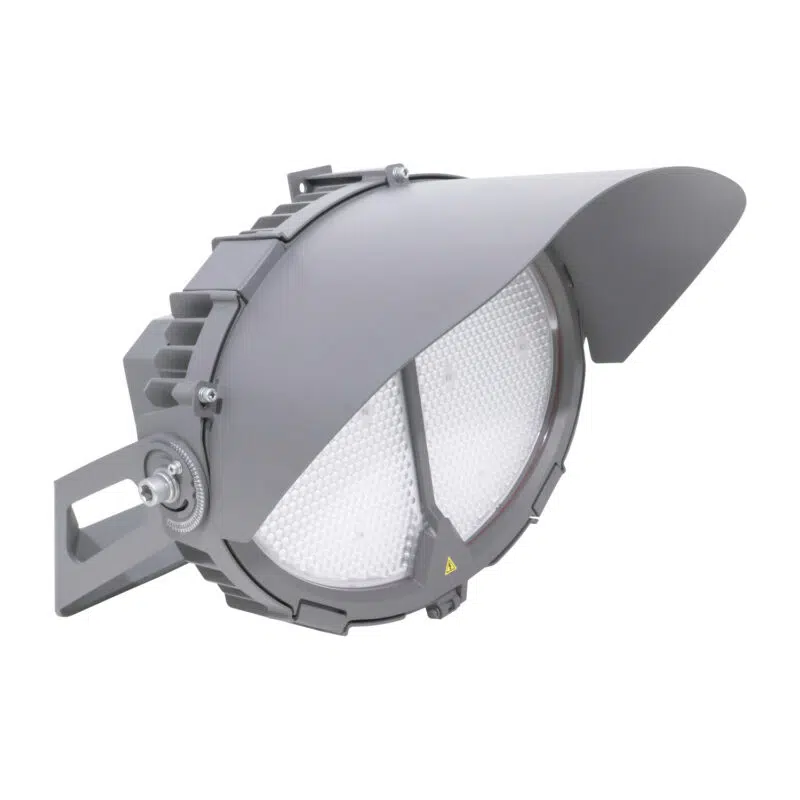
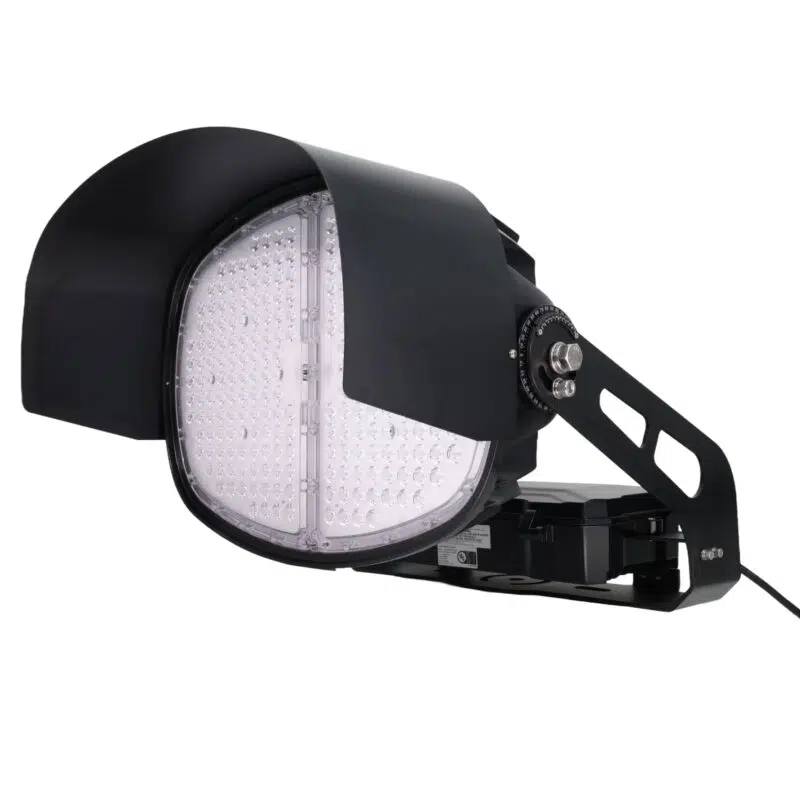
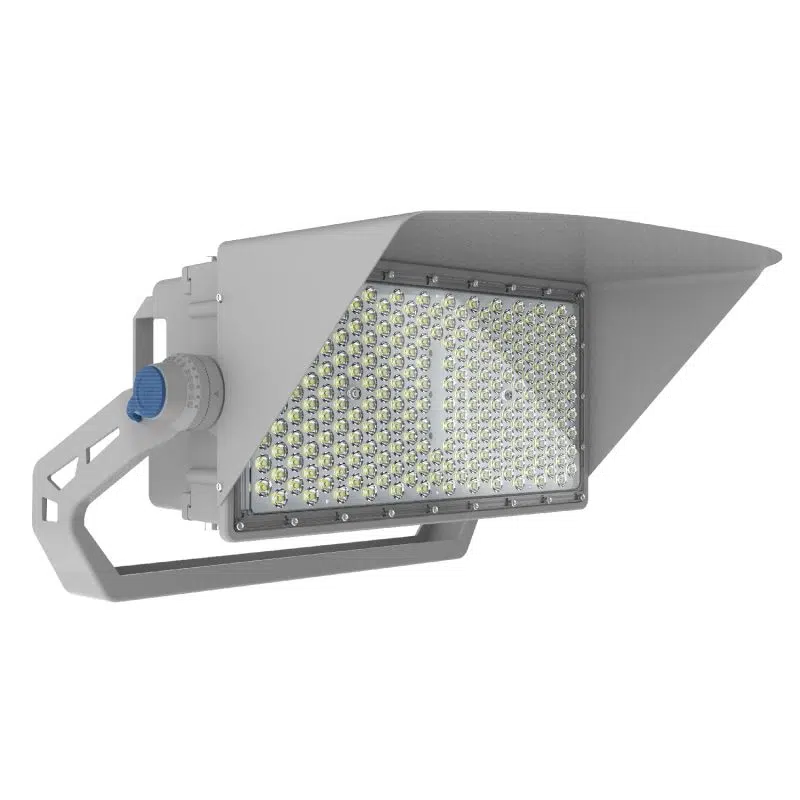
Our LED Track and Field Lighting includes high-power, pole-mounted outdoor fixtures with precision optics for track and field facilities. Available models offer 10 to 120 degree beam angles, up to 180,000 lumens, 100-277V or 277-480V configurations, 4000K or 5000K color temperatures, optional side shields, and one-for-one metal halide replacement options.
These fixtures are used for outdoor running tracks, track and field venues, training facilities, competition facilities, and sports facilities with baseball, soccer, and football fields.
-
 Starting At $697.50




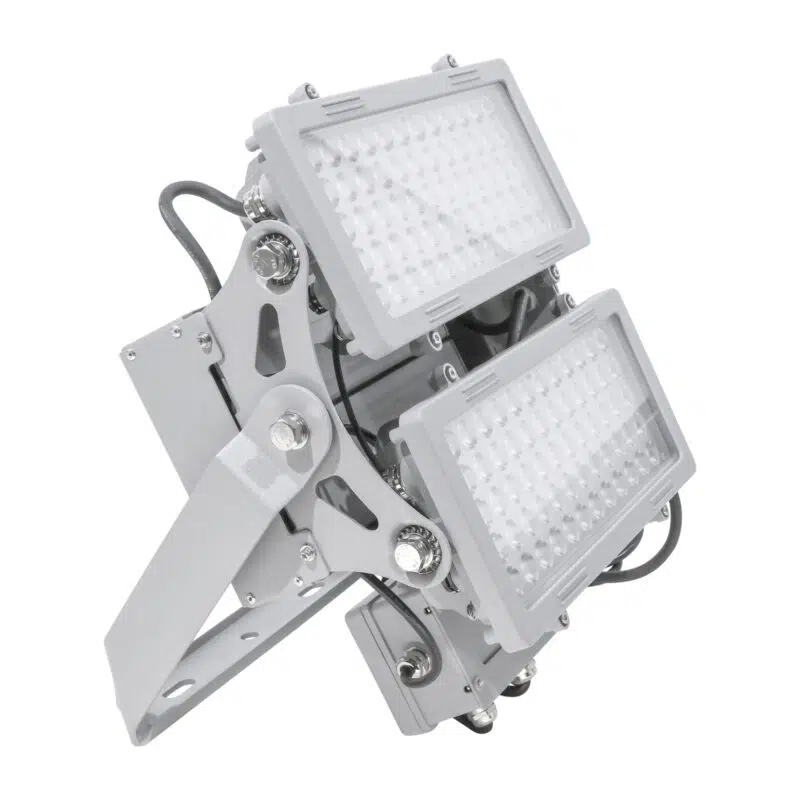
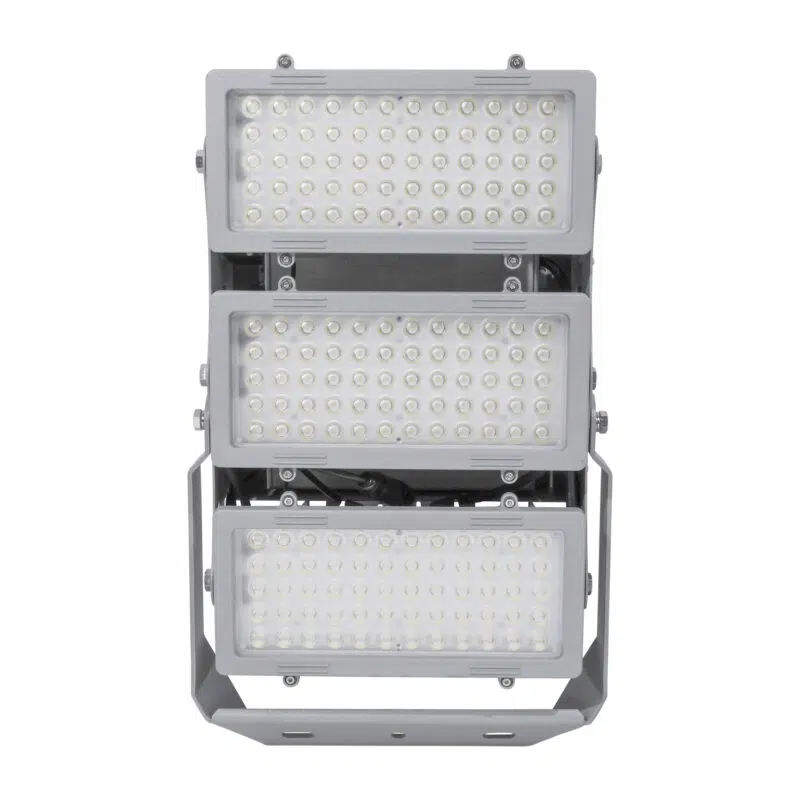



What are LED Track and Field Lights
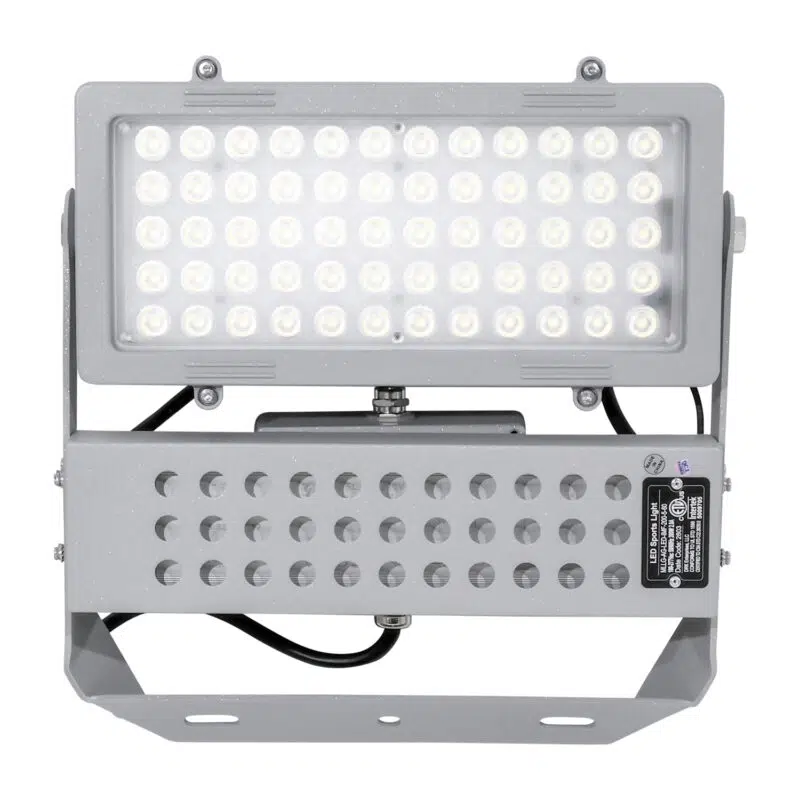
High-power LED track and field lights are pole-mounted outdoor sports lighting fixtures designed to provide controlled illumination across running tracks, field-event areas, spectator areas, and other parts of athletic facilities. Sports-lighting fixtures use different optical distributions and aiming angles to place light across the track and field while controlling uniformity, glare, and spill light.
Track and field facilities replacing older metal halide systems can often reduce connected lighting load and maintenance requirements with LED technology. However, an LED retrofit should not automatically be treated as a one-for-one fixture replacement. Even when a new LED fixture has similar or greater lumen output, differences in optics, beam distribution, aiming, fixture location, and mounting height can substantially change coverage, uniformity, glare, and spill light.
For retrofit projects, use the existing pole locations and mounting heights as starting information, then model the proposed LED fixtures with their actual photometric data. A sports lighting photometric plan can determine whether the existing fixture count and pole locations can be reused or whether fixture quantity, optics, aiming, mounting positions, or pole configuration should change.
Selected LED stadium lighting fixtures are available with high lumen outputs, multiple beam distributions, glare-control accessories, and different voltage options. Some models may produce up to approximately 180,000 lumens, depending on the specific fixture and configuration. Available input voltage may include ranges such as 100-277V or 277-480V, depending on model.
Color temperatures such as 4000K and 5000K are commonly available for outdoor sports lighting. The appropriate CCT depends on facility preference, competition requirements, surrounding properties, camera or broadcasting needs, environmental considerations, and applicable local requirements. Color temperature alone does not determine athlete visibility or lighting quality.
When selecting LED sports field lighting, match required light levels and uniformity with the existing or proposed pole layout, mounting height, fixture photometrics, aiming, glare control, field-event locations, spectator viewing directions, and surrounding properties.
What are the Benefits of Using LED Fixtures for Outdoor Running Tracks
- Reduced Energy Use: Properly designed LED retrofits can substantially reduce connected lighting load compared with older metal halide systems. Actual energy savings depend on existing fixture wattage, proposed LED wattage, fixture quantity, operating hours, controls, and whether the lighting levels are being maintained or increased.
- Instant-On Operation: LED sports fixtures typically reach useful output immediately rather than requiring the warm-up and restrike periods associated with many metal halide systems.
- Reduced Routine Maintenance: LED fixtures eliminate the routine lamp and ballast replacements associated with many legacy sports-lighting systems. This can be especially useful on tall athletic-field poles where fixture access requires lifts or other specialized equipment.
- Long Rated Lumen Maintenance: Many LED sports fixtures have published lumen-maintenance ratings of 50,000 hours or more, depending on the product. Rated life should be confirmed from the exact fixture specification and should not be interpreted as a guaranteed number of calendar years.
- Multiple Beam Distributions: Sports fixtures may be available with narrow, medium, wide, or specialized asymmetric optics. Select the distribution using fixture photometric data, mounting height, pole setback, aiming, and the geometry of the track and field rather than assuming a particular beam angle will work for every location.
- Improved Optical Control: Properly selected LED optics can place more usable light on the track and field while helping control spill light and unnecessary illumination outside the intended area. Final performance depends on the complete layout and aiming plan.
- Color and Visibility Options: LED fixtures are available in different color temperatures and color-rendering levels. Select these characteristics based on facility use, visibility, camera requirements, competition level, and project specifications.
- Flicker Performance Can Be Evaluated: LED temporal light modulation varies by driver, dimming level, controls, and fixture design. For televised events, high-speed photography, or other camera-sensitive applications, review model-specific flicker or temporal-light-modulation data rather than assuming every LED sports fixture is flicker-free.
- Multiple Voltage Options: Sports fixtures may be available for electrical systems such as 100-277V or 277-480V, depending on model. Confirm the existing service voltage, branch circuits, wiring, controls, and fixture driver requirements before assuming an upgrade can use the existing electrical infrastructure without modification.
- Glare-Control Options: Shields, visors, optical distributions, fixture placement, mounting height, and aiming can help manage glare for athletes, officials, spectators, and neighboring properties. Accessories alone do not guarantee acceptable glare performance.
How to Select the Proper LED Track and Field Lighting Solution
Track and field lighting should be designed around the facility layout, competition level, pole locations, photometric requirements, structural conditions, electrical system, glare control, spill light, and surrounding properties. Retrofit projects require both lighting-performance review and structural review when existing poles or support structures will be reused.
- Lighting Level and Uniformity Requirements: Establish the required illumination and uniformity for the facility's training, recreational, competition, or other use. Our Product Specialists can use project information to create a free custom lighting plan showing proposed fixtures, aiming, calculated light levels, and distribution.
- Existing Pole Locations: Existing poles can often be incorporated into an LED retrofit, but their spacing and location may limit what can be achieved. A photometric calculation should verify whether the existing layout can produce the required coverage, uniformity, glare control, and spill-light performance with the proposed fixtures.
- Existing Pole Structural Condition: Reusing a pole requires more than confirming that it is standing and appears visually sound. Pole shaft condition, corrosion, welds, crossarms, mounting brackets, anchor bolts, foundations, previous modifications, wind exposure, and other structural factors can affect suitability.
- New Fixture Loading: LED fixtures may differ from existing metal halide luminaires in weight, effective projected area, quantity, mounting position, crossarm arrangement, and wind loading. A lower electrical wattage does not mean the fixture creates a lower structural load.
- Qualified Structural Review: LED Lighting Supply can help collect pole dimensions, fixture information, proposed mounting arrangements, and replacement options, but determination of existing pole integrity, structural capacity, wind-load suitability, foundation adequacy, or the need for reinforcement or replacement should be made by the pole manufacturer, structural engineer, or other qualified professional. Request pole pricing or assistance with pole specifications here.
- Fixture Mounting Height: Mounting height affects light distribution, aiming, glare, spill light, fixture quantity, and structural loading. For new installations, appropriate athletic field light poles should be selected for the fixture loading, wind conditions, mounting arrangement, site requirements, and lighting design.
- Optics and Glare Control: Select optical distributions and aiming angles that match track geometry, field-event areas, pole setback, mounting height, and viewing directions. Shields or visors may be useful in some layouts, but the complete photometric design determines actual glare and spill-light performance.
- Electrical System: Review existing voltage, branch-circuit capacity, wiring, contactors, controls, surge protection, grounding, and other electrical equipment before assuming existing infrastructure can be reused.
- Existing Lighting Layout: Document existing fixture quantity, wattage, mounting height, aiming, pole configuration, crossarms, electrical service, and operating conditions. The goal of an LED retrofit should be to achieve the project's required lighting performance rather than simply replacing every existing fixture with one LED fixture.
LED Lighting Supply can help develop the fixture and photometric portion of a track and field lighting project and supply poles for new or replacement installations. Final structural suitability of existing poles, crossarms, foundations, and mounting systems should be verified by the appropriate structural professional or pole manufacturer.
Can LED Track Lights Replace Metal Halide Fixtures One for One?
Sometimes, but a one-for-one replacement should be treated as a possible retrofit configuration, not an assumed equivalency.
Metal halide and LED sports fixtures can have substantially different optical distributions. Comparing only wattage or total lumens does not establish that the new fixture will produce the same light levels, uniformity, aiming, glare, or coverage.
| Retrofit Factor | What to Verify |
|---|---|
| Existing fixture count | Determine whether the existing number of fixture positions can achieve the required lighting criteria with the proposed LED photometrics. |
| Fixture lumens | Total lumens are useful for comparison but do not establish equivalent coverage because optical distributions can differ significantly. |
| Optics | Match beam distributions to pole locations, mounting heights, track lanes, field-event areas, and required throw distances. |
| Aiming | Use the proposed fixture's photometric data to establish aiming rather than automatically duplicating the old metal halide fixture angles. |
| Uniformity | Confirm minimum, maximum, and average lighting conditions where applicable rather than evaluating average foot-candles alone. |
| Glare and spill light | Review athlete and spectator viewing angles along with neighboring properties and areas outside the sports facility. |
| Pole loading | Compare fixture quantity, weight, effective projected area, mounting locations, crossarms, and wind loading. Photometric equivalence does not establish structural equivalence. |
| Electrical compatibility | Confirm voltage, wiring, controls, branch circuits, surge protection, and other electrical requirements for the proposed LED system. |
A photometric plan should be used to determine whether one-for-one replacement is appropriate. If the existing layout does not produce the required performance with the proposed LED fixture, the design may require different optics, different fixture quantities, revised aiming, additional mounting positions, or changes to the pole layout.
Evaluating Existing Track and Field Light Poles
Existing sports-lighting poles should be evaluated before adding or changing fixtures. A visual review can identify obvious concerns, but it does not establish structural integrity or remaining load capacity.
Information that may need to be reviewed includes:
- Pole material and manufacturer
- Pole height and geometry
- Original design drawings or specifications where available
- Age and service history
- Visible corrosion or section loss
- Weld condition
- Anchor bolts and base plate
- Foundation information
- Crossarms, cages, platforms, and mounting brackets
- Existing and proposed fixture quantity
- Existing and proposed fixture weight
- Effective projected area of the proposed equipment
- Fixture mounting elevations and offsets
- Local wind conditions and applicable structural criteria
- Additional equipment such as speakers, cameras, banners, or antennas
LED Lighting Supply can assist with fixture and pole specifications, but we should not represent a sales or photometric review as a structural certification. Where existing poles will be reused, structural integrity and capacity should be evaluated by the pole manufacturer, a qualified structural engineer, or another appropriately qualified professional.
What are the Best Foot Candle Levels for Track and Field Facilities?
Track and field lighting levels vary by governing body, competition level, facility use, event type, spectator requirements, broadcasting requirements, and project specifications. Rather than selecting a system from a generic foot-candle range alone, establish the lighting criteria for the specific facility before preparing the photometric layout.
Important design criteria can include:
- Horizontal illuminance: Light measured on the track or competition surface.
- Vertical illuminance: Important for visibility of athletes, officials, spectators, and cameras.
- Uniformity: Helps avoid large changes in brightness across lanes and competition areas.
- Glare: Fixture placement and aiming should consider athlete, official, and spectator viewing directions.
- Field-event areas: Long jump, high jump, pole vault, throwing areas, and other events may require lighting considerations beyond the running track itself.
- Broadcasting or cameras: Televised or high-level competition may require additional vertical illumination, color quality, and flicker-performance criteria.
Use these values as planning guidance only. Final light levels, uniformity, glare limits, and other requirements should be confirmed against the applicable governing-body criteria, project specification, or facility requirements.
Track and Field Lighting Certifications, Rebates, and Warranty Support
LED track and field lights from LED Lighting Supply may carry safety listings or certifications from organizations such as UL, ETL, or CSA, depending on the product. Selected models may also be listed on the DesignLights Consortium (DLC) Qualified Products List, which may support eligibility for participating utility rebate programs.
Certification, DLC status, structural suitability, and photometric performance address different parts of the project. A fixture safety listing or DLC qualification does not establish that an existing pole is structurally suitable or that a one-for-one replacement will meet the required sports-lighting performance.
Most fixtures include a 5-year warranty unless otherwise specified, with USA-based support. Before ordering, confirm the selected fixture's safety listing, DLC status where applicable, voltage, lumen output, optics, controls compatibility, mounting arrangement, wet-location rating, ambient-temperature range, glare-control accessories, and fit for the proposed lighting plan.
Need Help? Talk to an LED Lighting Supply Track and Field Professional.
Selecting LED lighting for a track and field facility requires coordination between lighting performance, existing or proposed pole locations, mounting heights, optics, aiming, electrical requirements, glare control, spill light, and structural considerations.
Share your existing fixture information, pole locations, mounting heights, track dimensions, field-event layout, target lighting requirements, and site plan with our team. We can prepare a free track and field lighting plan to evaluate fixture quantity, optics, aiming, calculated light levels, and uniformity.
If existing poles will be reused, provide available pole drawings, manufacturer information, fixture loading, and structural documentation where possible. LED Lighting Supply can help identify the proposed fixture loads and replacement options, while the pole manufacturer, structural engineer, or other qualified professional should verify the existing pole, crossarm, mounting system, and foundation for the proposed configuration.
LED Lighting for Track and Field Facilities FAQs
Can LED Track Lights Replace Metal Halide Fixtures One For One?
Sometimes, but one-for-one replacement should be treated as a possible retrofit configuration rather than an assumed equivalency. A photometric plan should determine whether the proposed LED fixtures can meet required light levels, uniformity, glare, spill-light, and coverage requirements with the existing layout.
What Should Be Reviewed Before Reusing Existing Track And Field Light Poles?
Existing poles should be evaluated for structural integrity and capacity before fixtures are added or changed. Review may include pole condition, corrosion, welds, anchor bolts, foundations, crossarms, mounting brackets, fixture weight, effective projected area, mounting elevations, wind conditions, and other equipment on the pole.
How Should Fixture Optics And Aiming Be Selected?
Fixture optics and aiming should match track geometry, field-event areas, pole setback, mounting height, and viewing directions. Use proposed fixture photometric data rather than automatically duplicating the aiming angles used for older metal halide fixtures.
What Information Is Needed For A Track And Field Lighting Plan?
A lighting plan can use existing fixture information, pole locations, mounting heights, track dimensions, field-event layout, target lighting requirements, and a site plan. LED Lighting Supply can prepare a free plan showing proposed fixtures, aiming, calculated light levels, distribution, and uniformity.
What Should Be Considered When Selecting Light Levels For A Track And Field Facility?
Lighting criteria should be established for the specific facility based on competition level, facility use, event type, spectator requirements, broadcasting requirements, governing-body criteria, and project specifications. Planning should also consider horizontal illuminance, vertical illuminance, uniformity, glare, and field-event areas.
What Voltage Options May Be Available For LED Track And Field Lights?
Available input voltage may include ranges such as 100-277V or 277-480V, depending on the fixture model. Confirm existing service voltage, branch circuits, wiring, controls, and fixture driver requirements before assuming existing electrical infrastructure can be reused.
How Should Color Temperature Be Chosen For Outdoor Sports Lighting?
Color temperatures such as 4000K and 5000K are commonly available for outdoor sports lighting. The appropriate CCT depends on facility preference, competition requirements, surrounding properties, camera or broadcasting needs, environmental considerations, and applicable local requirements.
Do Safety Listings Or DLC Qualification Confirm A Retrofit Will Work With Existing Poles?
No, a fixture safety listing or DLC qualification does not establish that an existing pole is structurally suitable or that a one-for-one replacement will meet required sports-lighting performance. Structural suitability should be evaluated by the pole manufacturer, a qualified structural engineer, or another appropriately qualified professional when existing poles will be reused.