LED Shooting Range Lighting
- Fixture options for outdoor trap, skeet, and indoor ranges
- Beam angles and optics to support target visibility
- Lighting plans available to review placement and glare control


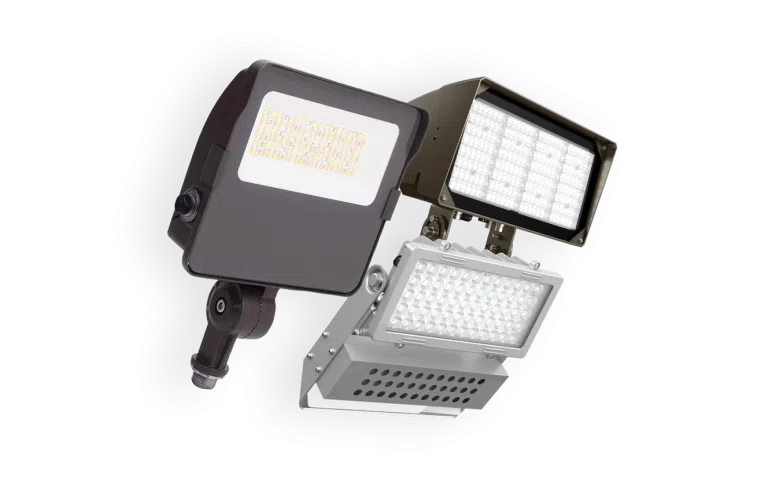
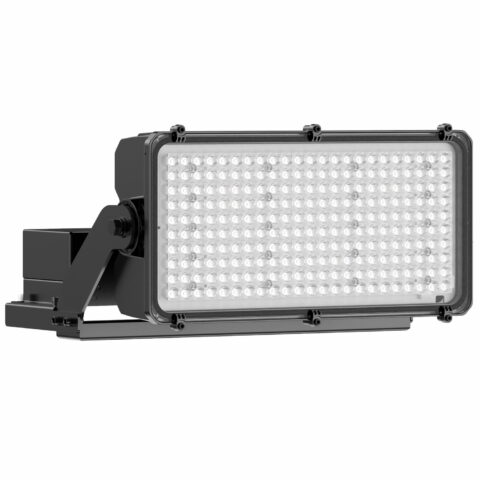
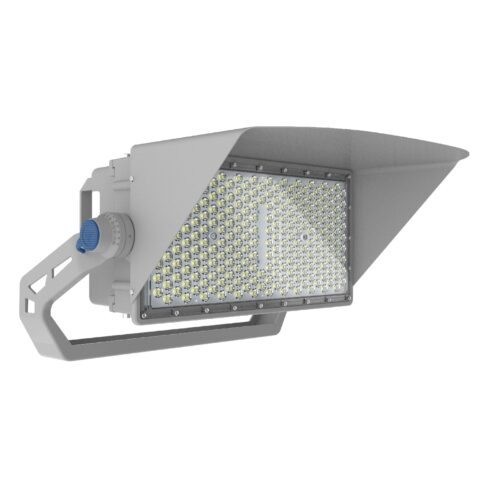
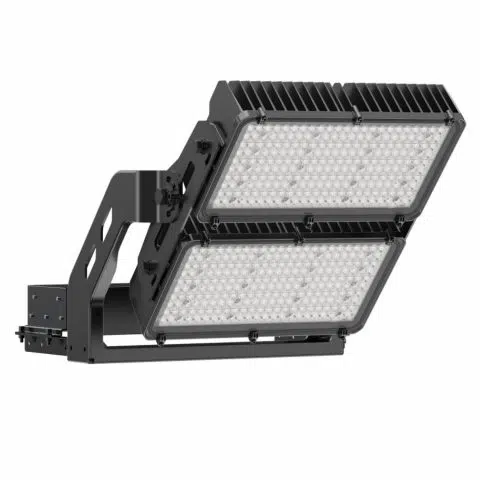
Our Shooting Range Lights include LED sports and stadium lights, flood lights, high bays, vapor tight fixtures, and protected or shielded fixtures for indoor and outdoor range installations. Available models vary by output, beam angle, voltage, dimming, controls, fixture protection, and pole-mounted or structure-mounted configurations.
These fixtures are commonly used in outdoor trap fields, skeet fields, rifle ranges, pistol ranges, target areas, clay target flight paths, firing lines, firearm training areas, indoor shooting lanes, instruction areas, and range support spaces.
-
 Starting At $697.50






What Are LED Shooting Range Lights?
LED shooting range lights are high-output lighting fixtures used for outdoor trap fields, skeet fields, rifle ranges, pistol ranges, firearm training areas, and some indoor range facilities. For LED Lighting Supply, this application fits under sports lighting because the lighting supports target visibility, controlled range use, evening practice, and recreational or competitive shooting activities.
Most shooting range lighting projects we support are outdoor applications, especially trap fields, skeet fields, and outdoor target areas. Indoor ranges may also use LED lighting, but indoor applications require additional review for ceiling height, fixture protection, lane layout, target distance, ventilation conflicts, controls, and emergency operation.
The goal is to provide usable light at the firing line, shooting stations, target areas, clay target flight paths, instruction areas, and equipment handling zones while reducing glare toward shooters, range staff, spectators, cameras, roads, and neighboring properties.
Before choosing shooting range lights, start with whether the range is indoor or outdoor and the range type. Then review target distance or clay target path, mounting location, fixture protection, beam angle and aiming, glare control, controls, and electrical requirements. Detailed selection guidance appears later on this page.
Selection and Installation Note: Product specifications, wattage, lumen output, optics, beam angle, color temperature, voltage, dimming, controls, surge protection, wet-location rating, IP rating, fixture protection, mounting method, certifications, and warranty coverage vary by model. Confirm the selected product specification before ordering. For shooting ranges, trap fields, skeet fields, firearm training areas, outdoor poles, indoor range lanes, emergency controls, or safety-sensitive installations, verify requirements with the range owner, range safety officer, project specifier, local authority, and a licensed electrical professional.

Recommended Foot-Candles for Shooting Range Lighting
Shooting range foot-candle requirements vary by indoor or outdoor layout, target distance, range type, clay target path, fixture placement, range rules, local requirements, and level of use. Use the widget below for early planning ranges. Final fixture placement, aiming, glare control, and measured light levels should be verified for the specific range layout.
Outdoor Shooting Range Lighting
Outdoor shooting range lighting needs to place light on the target area, active range zones, and shooter positions without creating glare in the shooter’s line of sight. Fixture placement, pole location, aiming angle, beam spread, and shielding are especially important because the light path and the shooter’s view must work together.
Outdoor fixtures are commonly mounted on light poles or structures away from direct impact zones. For outdoor ranges, confirm wet-location rating, IP rating, surge protection, wind exposure, operating temperature, pole mounting, fixture aiming, and long-term service access.
| Outdoor Area | Lighting Priorities |
|---|---|
| Outdoor firing line | Visibility for shooters, instructors, range officers, movement, and controls while avoiding glare toward the shooter. |
| Outdoor target area | Clear target visibility across the intended distance, with fixture aiming and optics matched to the range layout. |
| General range area | Usable light for movement, access, supervision, and general operation around active range zones. |
| Perimeter and support areas | Lighting for paths, equipment areas, staging points, access roads, and range support spaces. |
Trap Field and Skeet Field Lighting
Trap field lighting is used to help shooters see clay targets during evening or low-light operation. The lighting should support visibility at the shooting stations and along the expected target flight path. Skeet fields use similar concepts, but target paths and fixture placement may differ because targets cross the field from different directions.
Trap and skeet lighting should be reviewed around station layout, target direction, high house and low house positions where applicable, pole placement, beam angle, glare, neighboring properties, and fixture protection. Do not select wattage alone. The fixture optics and aiming pattern are just as important as output.
| Clay Target Area | What to Review |
|---|---|
| Trap shooting stations | Station visibility, shooter movement, controls, glare, and light direction toward the target launch area. |
| Trap target flight area | Expected clay target path, background contrast, pole placement, beam angle, and spill-light control. |
| Skeet shooting stations | Station layout, shooter positions, movement, high house and low house visibility, and glare control. |
| Skeet target flight area | Crossing target paths, fixture aiming, beam distribution, and neighboring-property impact. |
Indoor Shooting Range Lighting
Indoor shooting range lighting requires careful fixture placement because lighting must support the firing line, shooting lanes, target areas, equipment handling, and instruction areas without creating glare or distracting reflections. Indoor ranges may also require fixture protection, emergency lighting, controls, and coordination with ventilation and ceiling systems.
Indoor fixtures should be selected and mounted outside likely impact or debris zones where possible, or protected based on the range design and safety requirements. The range owner, project specifier, and safety team should review fixture placement before installation.
| Indoor Area | Lighting Priorities |
|---|---|
| Firing line and shooting stalls | Clear visibility for shooters, range officers, lane controls, equipment, and target alignment. |
| Indoor target area | Target visibility, glare control, fixture protection, and coordination with target carrier equipment. |
| Instruction and staging areas | Practical light for supervision, movement, paperwork, equipment handling, and general instruction. |
| Ammunition and equipment handling | Higher visibility for task areas, work surfaces, equipment checks, and administrative range procedures. |
How to Choose LED Shooting Range Lights
Start with the range type and whether the project is indoors or outdoors. Then confirm target distance, fixture protection, mounting location, glare control, controls, and how the range will be used.
| Selection Factor | What to Confirm |
|---|---|
| Indoor or outdoor range | Outdoor ranges need weather-rated fixtures, pole or structure mounting, surge protection, and glare control. Indoor ranges need lane-by-lane visibility, fixture protection, and coordination with ceiling systems. |
| Range type | Trap, skeet, pistol, rifle, tactical, and training ranges can have different target distances, active zones, and fixture placement needs. |
| Target visibility | Review target distance, target movement, clay target path, background conditions, and whether the fixture creates glare toward the shooter. |
| Fixture placement | Mount fixtures outside likely impact zones where possible and review protection requirements with the range safety team. |
| Beam angle | Use optics that match target distance and mounting height. Narrower beams may be used for longer throws, while wider beams may support broader range areas. |
| Controls | Confirm whether the range needs zone controls, separate station controls, timers, dimming, emergency-lighting coordination, or after-hours settings. |
| Electrical requirements | Confirm voltage, circuit capacity, surge protection, controls wiring, grounding, and installation requirements with a licensed electrician. |
Fixture Types for Shooting Range Lighting
The right fixture type depends on whether the range is outdoors, indoors, covered, open-air, pole-mounted, or structure-mounted.
| Fixture Type | Common Use |
|---|---|
| LED sports / stadium lights | Outdoor trap fields, skeet fields, and range areas that need high-output pole-mounted lighting. |
| LED flood lights | Targeted outdoor range areas, clay target paths, utility areas, and smaller outdoor shooting applications. |
| LED high bays | Indoor range buildings, training areas, and higher-ceiling range support spaces when fixture protection is properly reviewed. |
| LED vapor tight fixtures | Damp, dusty, covered, or service areas where sealed construction is preferred. Verify the fixture’s environmental rating and suitability for the actual exposure. |
| Protected or shielded fixtures | Areas where the range layout requires additional review for impact exposure, debris, or fixture protection. |
Why a Shooting Range Lighting Plan Helps
A shooting range lighting plan can help review fixture placement, aiming, pole locations, target visibility, glare, calculated light levels, and dark areas before fixtures are ordered. This is useful for outdoor trap fields, skeet fields, rifle ranges, pistol ranges, and indoor range lanes because the lighting needs to work with the shooter’s view and the target area.
| Lighting Plan Review | Why It Matters |
|---|---|
| Fixture placement | Helps keep fixtures positioned for useful visibility while reducing exposure to likely impact zones. |
| Target visibility | Helps review whether the target area or clay target flight path receives enough usable light. |
| Glare control | Helps reduce light aimed toward shooters, range staff, spectators, cameras, roads, or neighboring properties. |
| Fixture aiming | Helps confirm beam angle, aiming direction, and whether the fixture produces dark spots or hot spots. |
| Electrical planning | Helps estimate fixture count, load, controls, and whether the existing electrical infrastructure needs review. |
Request a shooting range lighting plan
When an LED Shooting Range Lighting Upgrade Makes Sense
An LED upgrade can be a practical buyer decision when an existing HID or metal halide system has high operating costs, long warm-up periods, frequent lamp or ballast service needs, uneven illumination, or limited control options. The upgrade value should be evaluated against the existing system’s wattage, operating schedule, utility rate, maintenance history, required light levels, and whether the new fixtures can be aimed and mounted appropriately for the range.
- Lower operating energy: Properly designed LED systems can use less energy than older HID or metal halide installations while providing the required illuminance. Actual savings depend on fixture wattage, operating hours, controls, electrical conditions, and the existing system.
- Fast restart and usable output: LED fixtures generally reach usable output quickly and do not require the warm-up and restrike periods associated with many HID systems.
- Less routine lamp and ballast service: LED luminaires do not use the replaceable HID lamps and ballasts common in older systems. Drivers and other components still require service or replacement if they fail.
- Improved control options: Compatible LED fixtures and controls may allow zoning, scheduling, dimming, or separate operation of firing lines, target areas, support spaces, and perimeter lighting.
- More targeted optical choices: LED product lines may offer different distributions, beam angles, shields, and mounting options that can help direct light where the layout needs it.
- Retrofit opportunities: An upgrade may be appropriate when existing poles or mounting structures can be evaluated for the proposed fixture weight, effective projected area, mounting hardware, and wind-loading requirements.

Common Shooting Range Lighting Mistakes
- Mounting fixtures in exposed impact zones: Fixture placement should be reviewed with the range safety team to reduce exposure to bullets, fragments, or debris.
- Creating glare toward shooters: Poor aiming can wash out sights, targets, or the shooter’s view.
- Choosing wattage before optics: Beam angle, aiming, mounting height, and target distance matter as much as output.
- Using indoor-rated fixtures outdoors: Outdoor ranges need wet-location or outdoor-rated fixtures suitable for weather and temperature exposure.
- Not verifying target light levels: Use calculated layouts and field verification where required to confirm the target area receives usable light.
- Ignoring trap and skeet target paths: Clay target flight paths may need different fixture placement than static target areas.
- Skipping surge protection review: Outdoor pole-mounted fixtures may need a surge protector for LED lights based on site and electrical conditions.
- Forgetting controls and emergency procedures: Confirm whether the range requires zone controls, timers, dimming, and coordination with emergency-lighting and range safety procedures.
Shooting Range Lighting Certifications and Warranty Support
Safety listings, DLC qualification, and other certifications vary by product. Selected LED shooting range fixtures may carry a safety listing from an OSHA-recognized Nationally Recognized Testing Laboratory, such as UL, ETL, or CSA, where applicable. Some models may be DLC or DLC Premium listed for utility rebate programs. Rebate requirements vary by utility, region, and product listing, so confirm eligibility on the selected product specification before ordering.
Warranty coverage varies by model; many products include a 5-year warranty, unless otherwise specified. Before purchase, confirm certifications, DLC status, voltage, controls compatibility, mounting method, environmental rating, warranty terms, and whether the fixture is suitable for the range layout and surrounding conditions.
Request a shooting range lighting plan, and our Product Specialists can help review range type, indoor or outdoor use, fixture placement, target visibility, glare control, controls, and product specifications.
LED Shooting Range Lighting FAQs
How Should I Choose LED Shooting Range Lights For An Indoor Or Outdoor Range?
Start by confirming the range type, whether the project is indoors or outdoors, target distance, mounting location, fixture protection, glare control, controls, and range use. Outdoor ranges need weather-rated fixtures, pole or structure mounting, surge protection, and glare control, while indoor ranges need lane-by-lane visibility, fixture protection, and coordination with ceiling systems.
Why Is A Lighting Plan Helpful For A Shooting Range Project?
A shooting range lighting plan can review fixture placement, aiming, pole locations, target visibility, glare, calculated light levels, and dark areas before fixtures are ordered. It can also help estimate fixture count, load, controls, and whether existing electrical infrastructure needs review.
What Should Be Reviewed For Trap And Skeet Field Lighting?
Trap and skeet field lighting should be reviewed around station layout, target direction, target flight paths, pole placement, beam angle, glare, neighboring properties, and fixture protection. Fixture optics and aiming pattern are as important as output.
How Do Beam Angle And Fixture Aiming Affect Shooting Range Lighting?
Beam angle and fixture aiming should match target distance, mounting height, and the range layout. Narrower beams may be used for longer throws, while wider beams may support broader range areas, and aiming should help avoid glare toward shooters.
What Should Be Considered When Placing Indoor Range Fixtures?
Indoor range fixtures should be selected and mounted outside likely impact or debris zones where possible, or protected based on the range design and safety requirements. Placement should also support the firing line, shooting lanes, target areas, equipment handling, and instruction areas without creating glare or distracting reflections.
What Controls May Be Needed For A Shooting Range Lighting Project?
Controls should be selected based on whether the range needs zone controls, separate station controls, timers, dimming, emergency shutoff integration, or after-hours settings. Some systems may support dimming, zoning, scheduling, or separate range-area controls depending on the selected fixture and controls package.
What Should Be Confirmed Before Ordering LED Shooting Range Lights?
Confirm the selected product specifications, including wattage, lumen output, optics, beam angle, color temperature, voltage, dimming, controls, surge protection, environmental rating, fixture protection, mounting method, certifications, and warranty coverage. These specifications vary by model.
Are LED Shooting Range Lights Eligible For Utility Rebates?
Many LED shooting range light models are DLC or DLC Premium listed for utility rebate support where available. Rebate requirements vary by utility, region, and product listing, so confirm eligibility on the selected product specification before ordering.