LED Lacrosse Field Lighting
- Fixture options with multiple beam angles for precise aiming
- Photometric plans available for uniformity and glare review
- Application support for pole height and fixture selection


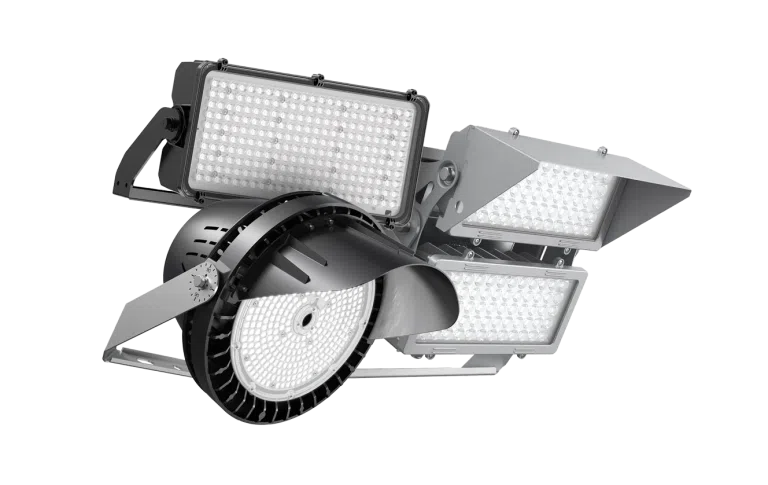

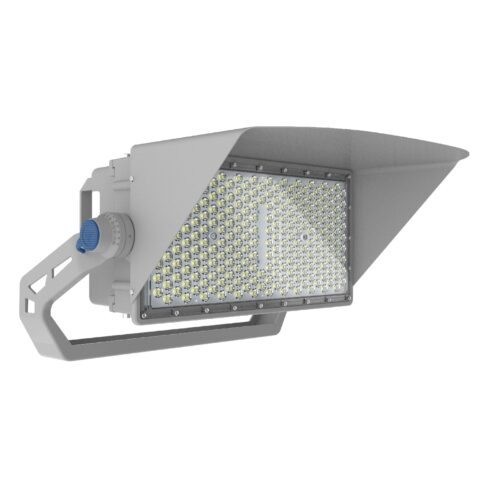
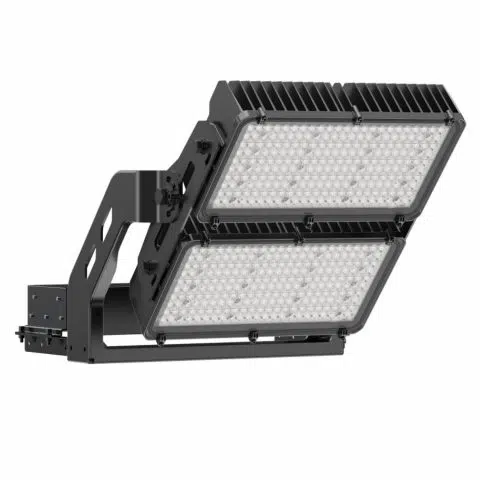
Our LED Lacrosse Field Lighting includes sports lights with narrow and medium beam angles for perimeter pole installations. Available fixtures support precise aiming and may include separate control settings for practice, games, maintenance, and partial-field use.
These lights are used on school, municipal, community league, and club lacrosse fields, including shared athletic fields used for football, soccer, and field hockey.
-
 Starting At $697.50






What is LED Lacrosse Field Lighting?
LED lacrosse field lighting supports fast ball movement, high passes, goal-area visibility, player safety, and evening use for schools, municipal fields, community leagues, and clubs. A well-planned system uses sports lights, suitable pole heights, controlled optics, and aiming that limits glare from multiple directions.
Start With the Level of Play
Recreational practice fields do not need the same output as school or league competition. Establish the intended use first, then review field dimensions, pole locations, surrounding properties, and whether the surface is shared with football, soccer, or field hockey.
The Five Decisions That Shape a Lacrosse Layout
- Field size and markings: Confirm the complete playing area, restraining lines, goals, team boxes, and spectator setbacks.
- Pole height: Most full-size community and school fields work best with poles around 50 to 80 feet. Smaller practice fields may use 35 to 60 feet when glare and spill light can be controlled.
- Ball visibility: The ball moves quickly, and often above eye level, so vertical illumination matters as much as light measured on the turf.
- Glare control: Players look upward and across the field from many angles. Fixture aiming, shields, and pole setback should be reviewed from both goals and midfield.
- Shared use: A multi-use field should meet the most demanding practical requirement among lacrosse, soccer, football, and field hockey without overlighting routine practice.
Fixture and Pole Selection
LED lacrosse field lights should offer multiple beam angles and precise aiming. Narrow optics are useful for long throws from perimeter poles, while medium beams fill near sidelines, corners, and goal areas.
| Selection Item | Recommended Approach |
|---|---|
| Existing poles | Verify height, spacing, structural condition, crossarms, fixture weight, EPA, wiring, and whether current locations support the desired uniformity. |
| New poles | Keep athletic field light poles outside run-off and spectator areas, with adequate setback for aiming and maintenance access. |
| Optics | Use a planned combination of narrow and medium distributions based on throw distance. |
| Controls | Provide separate settings for practice, games, maintenance, and partial-field use where appropriate. |
| Surge protection | Review grounding and surge protection for exposed pole-mounted systems. |
Goal Areas and High-Ball Tracking
Goal mouths, creases, and the space behind each goal need consistent coverage. Dark corners or strong brightness changes can make saves, passes, and player movement harder to follow. The layout should also support visibility of high passes without placing bright fixtures directly in common upward sightlines.
Retrofit Guidance
Replacing metal halide fixtures with LED can reduce energy use and maintenance, but fixture wattage alone does not confirm performance. A photometric plan should compare the existing pole layout with the desired average, minimum, uniformity, and glare conditions.
Avoid These Selection Errors
- Choosing fixtures before confirming pole height and field dimensions
- Evaluating only average foot-candles
- Ignoring the area behind the goals and along the sidelines
- Using low poles that increase glare
- Assuming a football or soccer layout automatically works for lacrosse
Listings, Warranty, and Planning Help
Confirm UL, ETL, or CSA listing, DLC status where rebates apply, voltage, controls, optics, wet-location rating, surge protection, mounting hardware, and warranty terms before ordering.
Request a lacrosse field lighting plan for fixture counts, pole heights, aiming, uniformity, glare review, and spill-light analysis.
LED Lacrosse Field Lighting FAQs
How Should I Determine The Lighting Needs For A Lacrosse Field?
Start by establishing the intended level of play, then review field dimensions, pole locations, surrounding properties, and shared-use needs. Recreational practice fields do not need the same output as school or league competition.
What Pole Heights Are Used For Lacrosse Field Lighting?
Most full-size community and school lacrosse fields work best with poles around 50 to 80 feet. Smaller practice fields may use 35 to 60 foot poles when glare and spill light can be controlled.
How Should Optics Be Selected For A Lacrosse Field Layout?
A lacrosse field layout can use a planned combination of narrow and medium distributions based on throw distance. Narrow optics are useful for long throws from perimeter poles, while medium beams fill near sidelines, corners, and goal areas.
Why Does Lacrosse Lighting Need To Address High-Ball Visibility?
Lacrosse lighting needs to support visibility of fast-moving balls and high passes, so vertical illumination matters as much as light measured on the turf. The layout should support high-pass visibility without placing bright fixtures directly in common upward sightlines.
What Areas Need Special Attention In A Lacrosse Field Lighting Plan?
Goal mouths, creases, the space behind each goal, sidelines, and corners need attention in a lacrosse lighting plan. Dark corners or strong brightness changes can make saves, passes, and player movement harder to follow.
Can A Football Or Soccer Lighting Layout Be Used For Lacrosse?
A football or soccer lighting layout should not automatically be assumed to work for lacrosse. A multi-use field should meet the most demanding practical requirement among lacrosse, soccer, football, and field hockey without overlighting routine practice.
What Should Be Verified Before Retrofitting Metal Halide Lacrosse Field Lights With LED?
A photometric plan should compare the existing pole layout with the desired average, minimum, uniformity, and glare conditions. Fixture wattage alone does not confirm performance, although replacing metal halide fixtures with LED can reduce energy use and maintenance.
What Should Be Confirmed Before Ordering LED Lacrosse Field Lighting?
Confirm listing, DLC status where rebates apply, voltage, controls, optics, wet-location rating, surge protection, mounting hardware, and warranty terms before ordering. Existing poles should also be checked for height, spacing, structural condition, crossarms, fixture weight, EPA, wiring, and support for the desired uniformity.