LED Cricket Field Lighting
- High-output fixtures with narrow and medium optics available
- Photometric plans help evaluate coverage and aiming
- Selection support for poles, fixtures, and controls


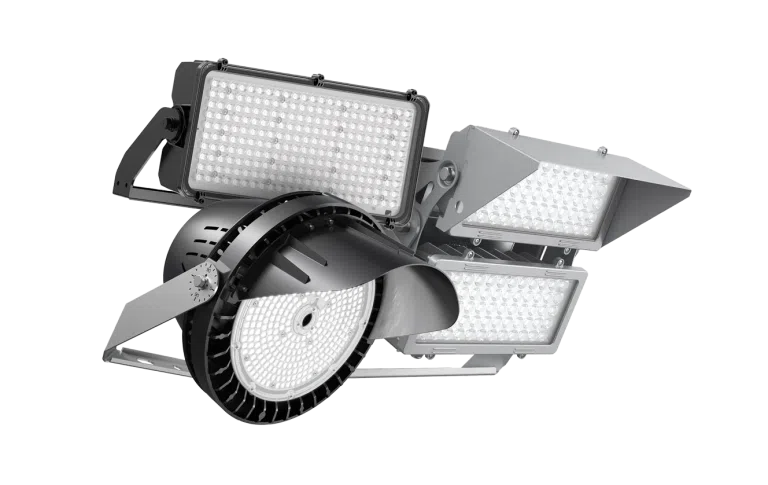

Our LED Lights for Cricket Fields include LED sports field lights with narrow and medium optics for cricket grounds, pitches, outfields, boundaries, and practice nets. Available configurations support retrofit projects using existing poles and new field lighting installations, with athletic field pole heights commonly ranging from 40 to 100 feet depending on the project.
These lights are used at community cricket grounds, school fields, club competition grounds, practice facilities, central pitches, outfields, boundary areas, team areas, spectator areas, walkways, and score areas.
-
 Starting At $697.50






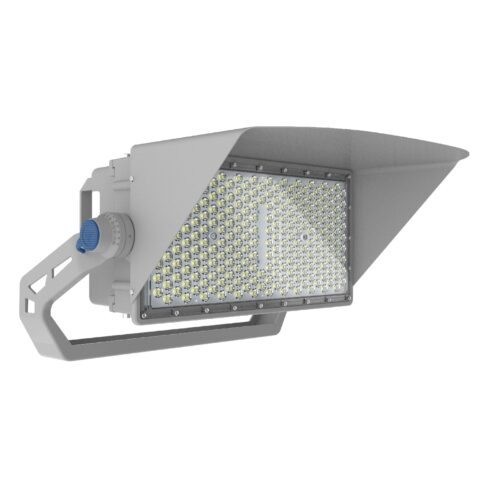
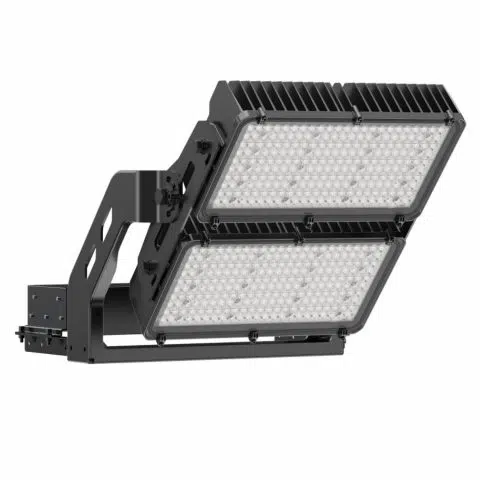
What is LED Cricket Field Lighting?
LED cricket field lighting helps players follow the ball from the bowler's hand through the pitch, outfield, and boundary while supporting umpires, coaches, spectators, and safe evening play. Community grounds, schools, clubs, and municipal facilities typically use high-output sports lights on tall poles with controlled optics, careful aiming, and a photometric plan. Selection depends on the ground layout, target light level, pole locations and height, optics, glare and spill-light considerations, and whether existing poles can support a retrofit.
Plan the Lighting Around the Ground
A cricket ground is not a simple rectangle. The central pitch needs clear visibility for batting, bowling, and wicketkeeping, while the large outfield and boundary require broad, even coverage. Pole positions also need to stay outside the field of play and common ball paths.
| Area | What Matters Most |
|---|---|
| Central pitch and wickets | Good vertical visibility, controlled glare, and consistent light for the batter, bowler, wicketkeeper, and umpires. |
| Outfield | Uniform coverage for fielding, running, and high-ball tracking without dark gaps between poles. |
| Boundary | Enough light to judge catches, stops, and ball location near the edge of play. |
| Practice nets | Focused, glare-controlled lighting for batting and bowling practice, often with lower mounting heights than the main ground. |
| Team and spectator areas | Lower-level lighting for benches, walkways, score areas, and safe movement without spilling excessive light onto the field. |
Recommended Foot-Candles for Cricket Grounds
Use level, field size, and local league requirements to establish the target. Community and school grounds normally need less light than higher-level club competition. These ranges are planning guidance; final values and uniformity should be confirmed with a photometric plan.
Choosing Cricket Field Lights and Poles
LED sports field lights with narrow and medium optics are usually the primary fixtures. Narrower beams reach the center and far side of the ground, while medium distributions fill nearer zones and reduce sharp transitions. For full-size community and club grounds, athletic field pole heights commonly fall in the 60 to 100 foot range. Smaller school grounds and practice facilities may use 40 to 70 foot poles where setbacks and spill-light limits allow. Taller poles can improve aiming angles and coverage, but they increase structural, foundation, wind-load, and maintenance requirements.
- Field dimensions: Confirm the actual boundary shape and distance from each proposed pole.
- Ball tracking: Review both ground-level and vertical illumination for lofted shots and catches.
- Glare: Check sightlines for batters, bowlers, wicketkeepers, fielders, and nearby roads or homes.
- Optics: Use a mix of beam angles rather than one distribution across the entire ground.
- Existing poles: Verify height, condition, crossarms, EPA, wiring, and whether existing locations can produce acceptable coverage.
- Controls: Separate full-match, practice-net, maintenance, and partial-field operating modes where practical.
Retrofit or New Installation
An LED retrofit can reuse existing poles when their height, spacing, structure, and wiring are suitable. A one-for-one fixture replacement may reduce energy use, but it will not correct poor pole locations, dark boundary areas, or glare built into the old layout. New installations should begin with field dimensions, setbacks, property boundaries, electrical service, and pole access. A photometric plan should confirm fixture count, pole height, aiming, average and minimum light levels, and spill light before poles or fixtures are ordered.
Common Cricket Lighting Mistakes
- Lighting the pitch well but leaving the outfield or boundary too dark
- Using short poles that create steep aiming angles and player glare
- Ignoring vertical visibility for lofted shots
- Using one optic for every fixture
- Placing poles without reviewing boundary clearance and future field changes
- Skipping a photometric plan
Certifications and Project Support
Fixtures may carry UL, ETL, or CSA safety listings, and many models are DLC or DLC Premium listed where rebate programs apply. Confirm voltage, surge protection, controls, wet-location rating, mounting hardware, wind loading, and warranty terms for the selected model. Request a cricket field lighting plan to review ground dimensions, pole locations, foot-candle targets, optics, aiming, glare, spill light, and fixture quantities.
LED Cricket Field Lighting FAQs
How Should Cricket Field Lighting Be Planned Across The Ground?
Cricket field lighting should address the central pitch, outfield, boundary, practice nets, and team and spectator areas. Pole positions should stay outside the field of play and common ball paths, while the layout should provide visibility for batting, bowling, wicketkeeping, fielding, and ball tracking.
How Are Cricket Ground Light Levels Selected?
Target light levels should be based on the level of play, field size, and local league requirements. Community and school grounds normally need less light than higher-level club competition, and final values and uniformity should be confirmed with a photometric plan.
How Should Narrow And Medium Optics Be Used For Cricket Field Lighting?
Narrow optics are used to reach the center and far side of the ground, while medium distributions fill nearer zones and reduce sharp transitions. The page recommends using a mix of beam angles rather than one distribution across the entire ground.
What Pole Heights Are Common For Cricket Field Lighting?
Full-size community and club grounds commonly use athletic field poles in the 60 to 100 foot range. Smaller school grounds and practice facilities may use 40 to 70 foot poles where setbacks and spill-light limits allow.
Can Existing Poles Be Reused For An LED Cricket Field Lighting Retrofit?
Existing poles can be reused when their height, spacing, structure, and wiring are suitable. Their condition, crossarms, EPA, wiring, and ability to produce acceptable coverage should be verified before reuse.
Will A One-For-One LED Fixture Replacement Correct A Poor Existing Layout?
No, a one-for-one fixture replacement may reduce energy use but will not correct poor pole locations, dark boundary areas, or glare built into the old layout. A photometric plan can confirm fixture count, pole height, aiming, light levels, and spill light before equipment is ordered.
What Should Be Confirmed For The Selected Cricket Field Lighting Model?
Confirm voltage, surge protection, controls, wet-location rating, mounting hardware, wind loading, and warranty terms for the selected model. Fixtures may carry UL, ETL, or CSA safety listings, and many models are DLC or DLC Premium listed where rebate programs apply.