LED Rugby Field Lighting
- Coverage options for full pitch, in-goal areas, and touchlines
- Photometric plans help evaluate fixture placement and uniformity
- Selection support for school, club, and community field projects



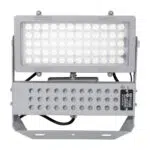
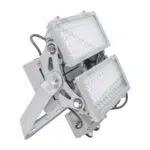
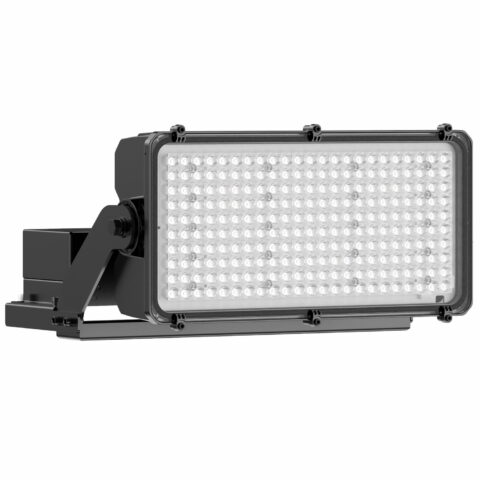
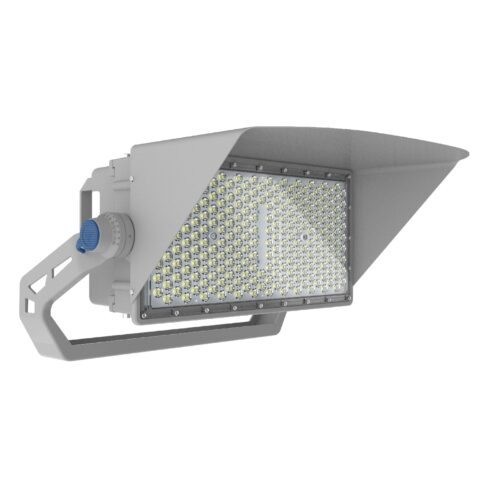
Our LED Rugby Field Lighting for Schools, Clubs and Parks includes LED stadium lights with narrow and medium beam optics for rugby pitches. Available systems vary by fixture output, voltage, controls, beam angles, and pole-mounted installation layouts.
These lighting products are used for school rugby fields, community practice pitches, local club matches, parks, main playing areas, in-goal areas, touchlines, team areas, and run-off spaces.
-
 Starting At $697.50






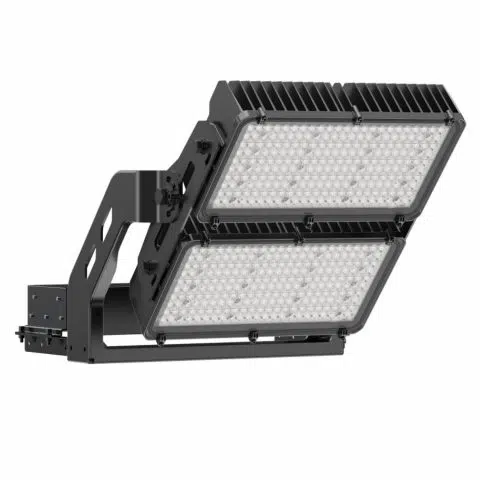
Planning Rugby Field Lighting
Start by defining the required light level, complete field coverage, pole layout and mounting height, fixture optics and aiming, glare control, and any shared-use or control needs. A photometric plan should verify these decisions before ordering.
Rugby lighting should support running play, passing, tackling, scrums, kicks, catches, and activity along the full width and length of the field. A system that provides adequate average light but leaves dark in-goal areas, touchlines, or high-ball paths may still perform poorly.
Before selecting fixtures, confirm the marked pitch dimensions, in-goal depth, run-off areas, pole locations, mounting heights, nearby properties, spectator areas, and whether the surface is shared with soccer or other sports.
Selection and Installation Note: Confirm fixture output, optics, voltage, controls, surge protection, mounting hardware, pole condition, wind loading, wet-location rating, certifications, and warranty coverage before ordering. Final pole, foundation, electrical, and structural requirements should be reviewed by qualified professionals.
Recommended Rugby Field Foot-Candles
Required light levels depend on whether the field is used for practice, school play, community competition, or local club matches. Use the ranges below for early planning and confirm final levels, uniformity, and organization requirements with a photometric plan.
Important Rugby Field Lighting Areas
| Field Area | Lighting Priority |
|---|---|
| Main playing area | Uniform coverage for running, passing, tackling, scrums, and player movement across the full pitch. |
| In-goal areas | Clear visibility through the try line and dead-ball line for scoring, defensive play, and kicks. |
| Touchlines and team areas | Controlled coverage for officials, substitutions, benches, and safe movement beside the field. |
| High-ball paths | Enough vertical illumination for kicks, catches, and players looking upward. |
Choosing Pole Heights
Full-size rugby fields commonly use athletic field light poles in the 50 to 90 foot range. Taller poles may be appropriate when fixtures are set farther from the touchline, when the pitch is wider, or when better aiming angles are needed. Smaller school or community practice fields may use 40 to 60 foot poles when setbacks and glare can be controlled.
Pole height should be selected with the fixture optics, throw distance, pole setback, field width, wind loading, foundation design, and maintenance access. Lower poles are not always less expensive if they require more fixtures or create greater glare.
How to Select Rugby Field Lights
- Match optics to the layout: Narrow and medium beam optics are typically used to reach different areas of the pitch from each pole position.
- Review vertical visibility: Players must be able to track high kicks and catches, not only see the turf.
- Control glare: Check sightlines for players looking across the pitch and upward toward the ball.
- Cover the complete field: Include the in-goal areas, touchlines, and run-off space in the lighting plan.
- Plan for shared use: Rugby and soccer may share the same surface, but field markings, goals, and play areas differ.
- Use practical controls: Separate practice, game, maintenance, or partial-field modes can reduce unnecessary energy use.
Retrofitting Existing Rugby Field Poles
Existing poles may be reused when their height, location, condition, crossarms, wiring, and structural capacity are suitable for the proposed LED stadium lights. A direct one-for-one replacement may not correct dark ends, weak touchline coverage, glare, or poor uniformity caused by the original layout.
A photometric plan should verify the proposed fixture count, beam angles, aiming, expected light levels, and spill-light performance before equipment is ordered.
Common Rugby Field Lighting Problems
- Dark in-goal areas or corners
- Poor visibility during high kicks
- Bright areas near poles and weak light in the center
- Glare toward players, spectators, roads, or nearby homes
- Fixtures selected by wattage without checking optics or aiming
- Existing poles reused without structural or layout review
Request a Rugby Field Lighting Plan
Request a rugby field lighting plan to review pole locations, mounting heights, fixture quantities, optics, aiming, uniformity, glare, spill light, voltage, and controls before ordering.
LED Rugby Field Lighting FAQs
What Should Be Reviewed Before Selecting Rugby Field Lights?
Review the marked pitch dimensions, in-goal depth, run-off areas, pole locations, mounting heights, nearby properties, spectator areas, and whether the surface is shared with soccer or other sports before selecting fixtures.
Which Areas Need To Be Included In A Rugby Field Lighting Plan?
A rugby field lighting plan should include the main playing area, in-goal areas, touchlines, team areas, high-ball paths, and run-off space. Adequate average light alone may not prevent poor performance if dark areas remain near the in-goal areas, touchlines, or high-ball paths.
How Should Pole Height Be Selected For A Rugby Field?
Pole height should be selected with fixture optics, throw distance, pole setback, field width, wind loading, foundation design, and maintenance access. Full-size rugby fields commonly use poles in the 50 to 90 foot range, while smaller school or community practice fields may use 40 to 60 foot poles when setbacks and glare can be controlled.
Why Is Vertical Visibility Important For Rugby Field Lighting?
Vertical visibility is important because players must be able to track high kicks and catches, not only see the turf. High-ball paths need enough vertical illumination for kicks, catches, and players looking upward.
Can Existing Rugby Field Poles Be Reused For LED Stadium Lights?
Existing poles may be reused when their height, location, condition, crossarms, wiring, and structural capacity are suitable for the proposed LED stadium lights. A direct one-for-one replacement may not correct dark ends, weak touchline coverage, glare, or poor uniformity caused by the original layout.
What Should A Photometric Plan Verify Before Ordering Rugby Field Lighting?
A photometric plan should verify the proposed fixture count, beam angles, aiming, expected light levels, and spill-light performance before equipment is ordered. It can also review pole locations, mounting heights, fixture quantities, optics, uniformity, glare, voltage, and controls.
Can Rugby Field Lighting Include Different Operating Modes?
Rugby field lighting can include separate practice, game, maintenance, or partial-field modes. These practical controls can reduce unnecessary energy use.