


LED Polo Field Lighting
- High-output sports fixtures with controlled optics for large fields
- Photometric layouts available to help evaluate coverage and uniformity
- DLC-listed options available with USA-based warranty support


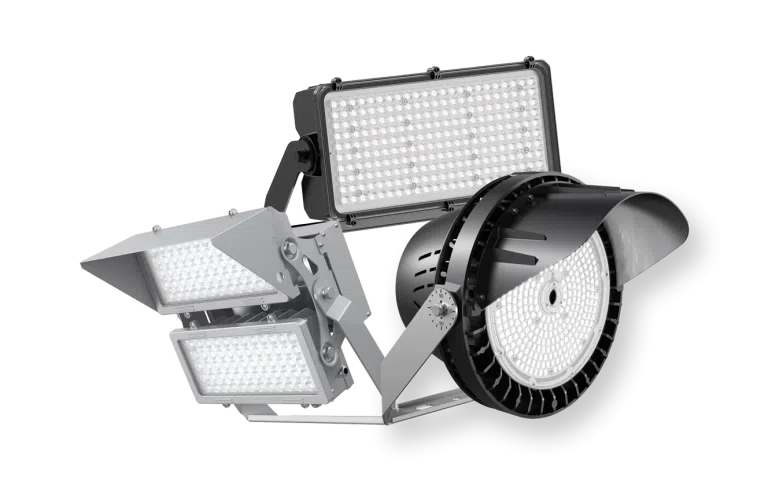

Our LED Polo Field Lights include high-output LED sports lights with controlled optics for outdoor polo fields. Available models vary by wattage, lumen output, beam angle, voltage, dimming, controls, and mounting method. Pole-mounted fixtures are available for new installations and retrofit projects.
These fixtures are commonly used for training fields, club match fields, tournament fields, arena polo, warm-up areas, horse staging areas, spectator zones, parking areas, and site access routes.
-
 Starting At $697.50




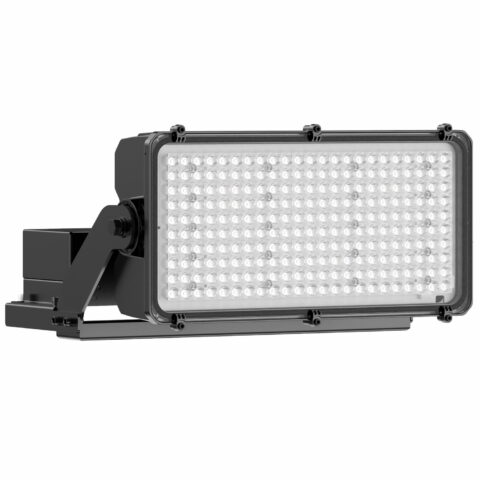


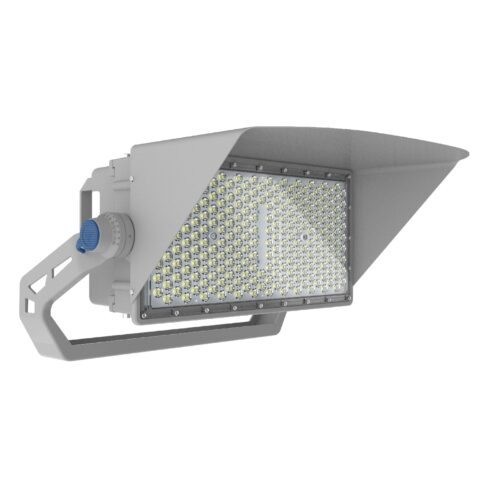
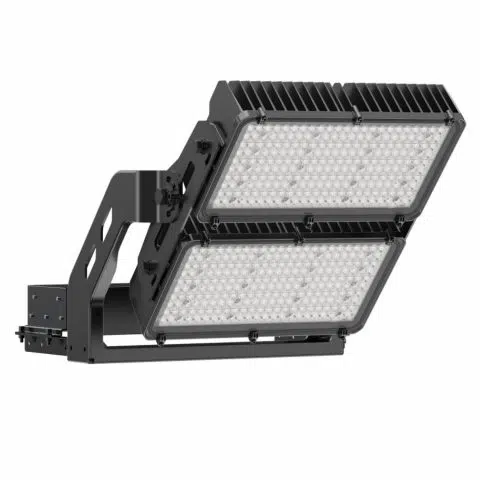
LED Polo Field Lighting for Training, Club Matches, and Tournament Play
LED polo field lighting is used for outdoor polo fields, training fields, club match fields, tournament fields, arena polo, warm-up areas, horse staging areas, spectator zones, parking areas, and site access routes. Polo lighting requires high-output sports fixtures with controlled optics because the field is large, play is fast, and visibility must support riders, horses, the ball, officials, and spectators.
Start with the level of play, field size, and existing or proposed pole layout. Then select fixture output, optics, and aiming around the target light level, uniformity, glare, spill light, horse and rider sightlines, and nearby properties. A small training field will not need the same light level or pole layout as a tournament field or multi-field polo venue.
Selection and Installation Note: Product specifications, wattage, lumen output, optics, beam angle, color temperature, voltage, dimming, controls, mounting method, pole compatibility, wind exposure, certifications, environmental rating, and warranty coverage vary by model. Confirm the selected product specification before ordering. For sports-field installations, verify fixture, pole, structural, electrical, wind-loading, and local code requirements before installation. Photometric design and pole or structural review may be needed depending on the project.
Recommended Foot-Candles for Polo Field Lighting
Polo field light levels vary by training use, club play, tournament play, arena polo, horse staging areas, spectator areas, and site access. The ranges below are general planning values. Final fixture selection should also account for uniformity, glare, shadows, spill light, pole height, fixture aiming, field dimensions, and applicable sports-lighting requirements.
When a Polo Field Lighting Plan Helps
A lighting plan is useful for polo fields because field size, pole placement, mounting height, fixture output, beam distribution, and aiming can strongly affect coverage, uniformity, glare, and spill light. A photometric layout can help estimate fixture quantity, pole height, aiming angles, foot-candle levels, and light distribution before equipment is ordered.
For a polo field lighting plan, it helps to provide the field dimensions, existing or proposed pole locations, pole heights, available voltage, level of play, nearby homes or roads, and existing fixture information for retrofit projects.
Request a polo field lighting plan
Common LED Fixtures Used for Polo Fields
Most outdoor polo fields use high-output LED sports lights mounted on poles. Smaller support areas may use flood lights, area lights, wall packs, or parking lot fixtures, but the playing field itself should use fixtures selected for sports lighting, controlled aiming, and field uniformity.
| Fixture Type | Where It Fits Best |
|---|---|
| LED sports lights | Primary fixture type for most outdoor polo fields, tournament fields, club match fields, and large sports areas where pole height, aiming, uniformity, and glare control matter. |
| LED flood lights | Useful for smaller training areas, warm-up areas, arena polo, or support spaces when the fixture has appropriate optics and aiming control. |
| LED parking lot lights | Used for parking areas, trailer parking, access roads, and site circulation rather than as the primary fixture for the polo playing field. |
| LED wall packs | Used around barns, equipment buildings, restrooms, concession buildings, and service entrances near the polo facility. |
| Light poles | Used when existing poles are not available or when pole height, wind loading, EPA, bolt pattern, or field coverage must be engineered for the site. |
How to Choose LED Polo Field Lights
Start with the level of play, field dimensions, and existing or proposed pole layout. Then select fixture optics, output, and aiming around the target light level, uniformity, glare control, and spill-light considerations. Fixture wattage should be selected only after pole height, aiming, optics, field dimensions, and target light levels are understood.
| Selection Factor | What to Confirm |
|---|---|
| Level of play | Training fields, club matches, tournament fields, and arena polo may require different foot-candle levels, uniformity, and glare control. |
| Field dimensions | Confirm the playing field dimensions along with safety zones, run-off areas, viewing areas, warm-up areas, and any shortened or arena-style layout. |
| Pole height and pole locations | Pole height and placement affect fixture quantity, aiming distance, uniformity, glare, and spill light. New or reused poles may also require structural and wind-loading review. |
| Fixture aiming and beam angle | Beam distribution should match field size, pole distance, mounting height, and target area. Poor aiming can create glare, hot spots, dark areas, or excessive spill light. |
| Uniformity | Consistent light levels help support horse and rider movement, ball tracking, officials, and spectator viewing. |
| Glare control | Review potential glare toward riders, horses, officials, spectators, nearby roads, neighboring properties, and adjacent fields. |
| Spill light and neighboring properties | Fields near homes, roads, barns, or neighboring facilities may require tighter optics, shielding, fixture aiming adjustments, or local review. |
| Controls | Confirm switching zones, dimming, scheduling, practice settings, event settings, and whether field, spectator, and staging areas should be controlled separately. |
| Existing poles | Review pole condition, height, bolt pattern, fixture weight, EPA, wind rating, mounting hardware, and electrical service before reusing poles. |
New Polo Field Lighting vs. LED Retrofit Projects
New installations and retrofit projects require different planning. New fields allow pole locations, mounting heights, fixture quantity, electrical service, and light distribution to be designed around the intended level of play and site conditions. Existing fields require additional review of the poles, mounting locations, electrical service, and current fixture layout.
New Polo Field Installations
For a new field, a photometric layout can help establish proposed pole locations, pole heights, fixture quantity, beam distributions, aiming, and expected light levels before equipment is ordered. Pole foundations, wind loading, EPA, structural requirements, electrical service, and local code requirements should be reviewed by the appropriate qualified professionals before installation.
Existing Polo Field LED Retrofits
For an existing metal halide or HID system, document the existing pole quantity and locations, pole heights, fixture quantity, existing fixture wattage where known, available voltage, pole and mounting condition, mounting hardware, and current light levels if available.
An LED retrofit should not be based only on replacing an existing wattage with a lower LED wattage. Fixture optics, beam distribution, lumen output, mounting height, aiming, and the existing pole layout should be reviewed to determine whether the new fixtures can provide the desired field coverage and uniformity.
Polo Field Lighting by Area
A full polo facility may include more than the main field. Warm-up areas, staging areas, viewing areas, parking areas, barns, and access routes may each require different fixture types, output levels, optics, and controls.
| Area | Typical Lighting Approach |
|---|---|
| Training and practice fields | Sports fixtures selected around the required practice light level, field dimensions, and existing or proposed pole layout. |
| Club match fields | Sports lighting with closer attention to uniformity, glare control, ball visibility, spectator viewing, and overall field coverage. |
| Professional and tournament fields | Higher-output sports lighting with careful photometric review of light levels, uniformity, glare, spill light, pole placement, and event requirements. |
| Arena polo and enclosed fields | Lighting selected around the smaller playing area, mounting locations, wall or surface reflections, spectator proximity, and glare control. |
| Warm-up and horse staging areas | Lower-output lighting appropriate for horses, riders, handlers, tack, trailers, and movement paths. |
| Spectator and viewing areas | Lighting for seating, walkways, concessions, circulation areas, and safe movement without creating excessive glare toward the field. |
| Parking and site access | Area or parking lot fixtures designed for vehicles, trailers, pedestrians, equipment, and after-dark site circulation. |
Common Polo Field Lighting Mistakes
- Using generic flood lights without a lighting layout: Large playing fields typically require controlled optics, fixture aiming, appropriate pole placement, and uniformity review.
- Choosing fixtures by wattage alone: Wattage does not determine field coverage, uniformity, glare, beam distribution, or spill-light control.
- Ignoring horse and rider sightlines: Poor fixture placement or aiming may create glare or shadows that affect visibility and comfort.
- Underestimating field size: Polo fields are large, and fixture quantity should be based on actual dimensions, pole locations, and target light levels.
- Reusing poles without review: Existing poles should be checked for condition, height, fixture weight, EPA, wind rating, mounting compatibility, and electrical service before new fixtures are installed.
- Forgetting warm-up and staging areas: Horse movement, trailers, handlers, tack areas, and access routes may need lighting separate from the main field.
- Overlooking spill light: Fields near homes, roads, barns, neighboring properties, or adjacent fields may require tighter optics, shielding, or aiming adjustments.
Polo Field Lighting Certifications, Rebates, and Warranty Support
LED polo field lights from LED Lighting Supply carry a safety listing such as UL, ETL, or CSA, depending on product. Many models are DLC or DLC Premium listed for utility rebate support where available. Rebate requirements vary by utility, region, and product listing, so confirm eligibility on the selected product specification before ordering.
Most LED polo field lights include a 5-year warranty unless otherwise specified, with USA-based warranty support. Before purchase, confirm certifications, DLC status, voltage, controls compatibility, mounting method, wet-location or environmental rating, surge protection, and whether the fixture is right for the polo field layout and surrounding conditions.
LED Polo Field Lighting FAQs
How Should I Choose LED Polo Field Lights?
Choose LED polo field lights based on the level of play, field layout, pole height, pole locations, fixture aiming, optics, field dimensions, and target light levels. Training fields, club matches, tournament fields, and arena polo may require different foot-candle levels, uniformity, and glare control.
Why Is A Photometric Lighting Plan Useful For A Polo Field?
A photometric lighting plan can help estimate fixture quantity, pole height, aiming angles, foot-candle levels, and light distribution before equipment is ordered. It is useful because field size, pole placement, mounting height, fixture output, beam distribution, and aiming can affect coverage, uniformity, glare, and spill light.
What Information Is Needed For A Polo Field Lighting Plan?
A polo field lighting plan is supported by field dimensions, existing or proposed pole locations, pole heights, available voltage, level of play, nearby homes or roads, and existing fixture information for retrofit projects. This information helps evaluate the field layout and surrounding site conditions.
What Fixture Types Are Used For Different Areas Of A Polo Facility?
Most outdoor polo playing fields use high-output LED sports lights mounted on poles, while smaller support areas may use flood lights, area lights, wall packs, or parking lot fixtures. Parking lot lights are used for parking areas, trailer parking, access roads, and site circulation, while wall packs are used around buildings and service entrances.
Should An LED Polo Field Retrofit Be Selected By Wattage Alone?
No, an LED polo field retrofit should not be based only on replacing an existing wattage with a lower LED wattage. Fixture optics, beam distribution, lumen output, mounting height, aiming, and the existing pole layout should be reviewed to determine whether new fixtures can provide the desired field coverage and uniformity.
What Should Be Reviewed Before Reusing Existing Polo Field Poles?
Before reusing existing poles, review pole condition, height, bolt pattern, fixture weight, EPA, wind rating, mounting hardware, and electrical service. Existing fields also require review of pole locations, mounting locations, electrical service, and the current fixture layout.
How Can Polo Field Lighting Address Glare And Spill Light?
Glare and spill light should be reviewed around riders, horses, officials, spectators, nearby roads, neighboring properties, and adjacent fields. Fields near homes, roads, barns, or neighboring facilities may require tighter optics, shielding, fixture aiming adjustments, or local review.
What Product Details Should Be Confirmed Before Ordering Polo Field Lights?
Confirm the selected product specification before ordering because wattage, lumen output, optics, voltage, controls, mounting method, pole compatibility, environmental rating, certifications, and warranty coverage vary by model. Confirm certifications, DLC status, voltage, controls compatibility, mounting method, wet-location or environmental rating, surge protection, and fit for the field layout and surrounding conditions.
