LED Batting Cage Lighting
- Indoor and outdoor fixture options for various cage layouts
- Lighting plans available to evaluate placement and uniformity
- Selection support for optics, mounting, and glare control


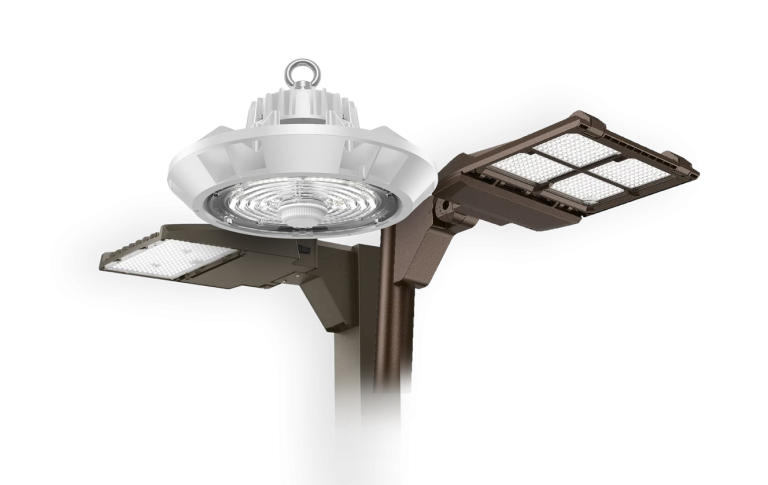
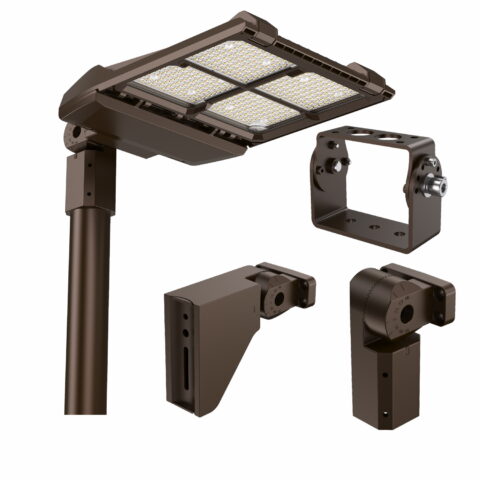
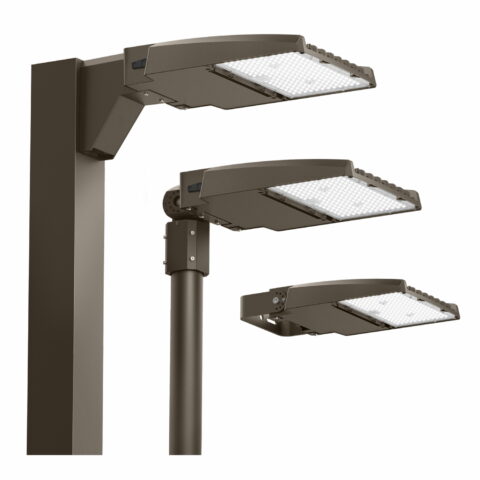
Our Batting Cage Lights include LED high bays, linear high bays, sports lights, shoebox area lights, and flood lights for indoor and outdoor training facilities. Available models include ceiling-mounted, pole-mounted, perimeter-mounted, and protected mounting configurations, with 4000K or 5000K color temperatures and dimming, sensor, timer, photocell, and switching control options.
These fixtures are commonly used in indoor recreational cages, multi-lane training facilities, youth training areas, school and college programs, commercial sports facilities, private training centers, outdoor batting cages, pitching tunnels, bullpens, and baseball and softball practice areas.
-
 Starting At $309.00



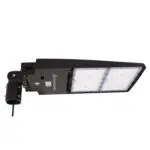

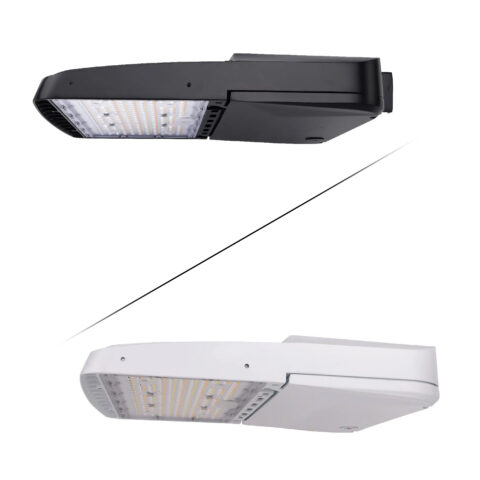
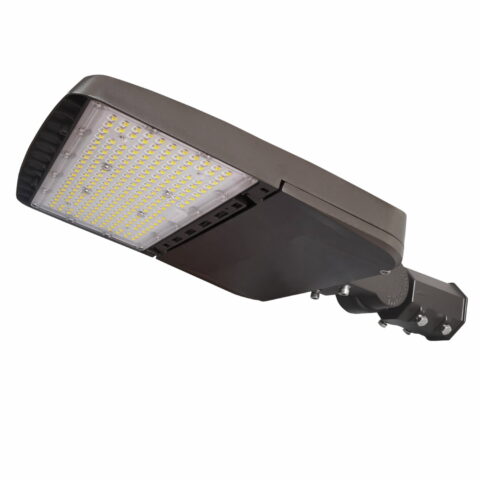
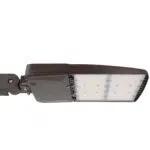
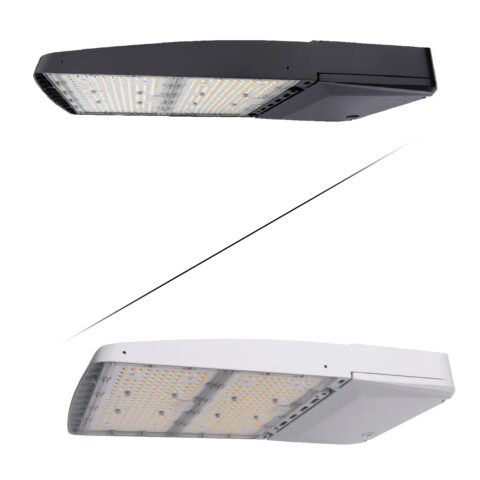
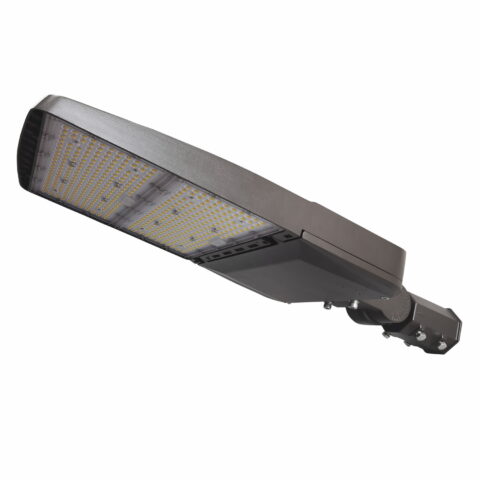
LED Batting Cage Lighting for Indoor and Outdoor Training Facilities
LED batting cage lighting helps players track pitches, see ball rotation, and practice safely in indoor or outdoor training areas. Batting cages may be used for youth training, school teams, college programs, commercial sports facilities, private training centers, or baseball and softball practice areas.
Start by determining whether the cage is indoor or outdoor and whether fixtures will be ceiling- or pole-mounted. Then review cage length, ceiling or pole height, target foot-candles, fixture type, optics or beam angle, glare, shadows, netting, fixture protection, color temperature, controls, and voltage. A lighting plan may be needed to confirm fixture placement, aiming, and uniformity for the full ball path.
Selection and Installation Note: Product specifications, wattage, lumen output, optics, beam angle, color temperature, voltage, dimming, controls, ceiling mounting, pole mounting, fixture protection, wet-location rating, certifications, and warranty coverage vary by model. Confirm the selected product specification before ordering. For batting cages, indoor training facilities, outdoor sports areas, poles, electrical upgrades, public recreation areas, schools, code-sensitive applications, or safety-critical spaces, verify requirements with your local inspector, facility team, project specifier, or a licensed electrical professional.
Indoor vs Outdoor Batting Cage Lighting
Indoor and outdoor batting cages usually need different fixture layouts. Indoor cages often use ceiling-mounted high bays or linear high bays placed above or between cage lanes. Outdoor cages usually use pole-mounted sports lights, shoebox area lights, or flood lights aimed into the cage area.
| Batting Cage Type | Fixture Guidance |
|---|---|
| Indoor recreational cages | LED high bays or linear high bays can provide practical visibility for casual hitting and youth practice. |
| Indoor team training cages | High bays, linear high bays, or sports facility fixtures may be used for stronger, more uniform training light. |
| Indoor advanced training cages | Higher maintained light levels and improved uniformity may be needed for faster pitching speeds, coaching, and detailed ball tracking. |
| Outdoor recreational cages | LED shoebox lights, flood lights, or sports lights can provide usable evening practice light with controlled aiming. |
| Outdoor team training cages | Pole-mounted sports fixtures or area lights can provide stronger coverage along the full cage length. |
| Pitching tunnels and bullpens | Fixtures should support throwing, warmups, coaching, and safe movement without glare in the pitcher’s or catcher’s view. |
Recommended Foot-Candles for Batting Cage Lighting
Batting cage light levels depend on whether the cage is used for casual practice, team training, advanced training, outdoor evening use, or pitching tunnels. Use these ranges as a planning starting point. Final fixture selection should also review cage length, ceiling or pole height, netting, glare, shadows, ball speed, color temperature, and uniformity.
Best LED Fixtures for Batting Cages
Fixture choice depends on the cage environment. Indoor batting cages need overhead light that reaches the batter, pitcher or machine area, and ball path. Outdoor batting cages need controlled light from poles or perimeter mounting without excessive glare or spill light.
| Fixture Type | Best Used For |
|---|---|
| LED high bays | Indoor cages with taller ceilings where broad overhead light is needed across one or more cage lanes. |
| LED linear high bays | Indoor multi-lane facilities where linear rows can help spread light along the cage length. |
| LED sports lights | Outdoor cages or larger training facilities where aiming, optics, and uniformity are important. |
| LED shoebox area lights | Outdoor cages with pole-mounted layouts and controlled perimeter coverage. |
| LED flood lights | Outdoor cages, side-mounted layouts, or smaller training areas where adjustable aiming is useful. |
| Fixture guards or protected mounting | Indoor cages where fixtures may be exposed to batted balls, thrown balls, or net movement. |
Indoor Batting Cage Lighting Layout
Indoor batting cage lighting should provide even visibility along the full cage length. A layout that only lights the batter’s box can leave the pitch path, pitching machine area, or back of the cage too dark. Fixtures should be placed to reduce shadows from netting, structural framing, and cage dividers.
Ceiling height, cage width, number of lanes, net clearance, mounting position, and ball-impact exposure all affect fixture selection. In many facilities, linear high bays or high bays are mounted above the cage lanes or between lanes. Confirm that fixtures are protected or located where batted balls are unlikely to strike them.

Outdoor Batting Cage Lighting Layout
Outdoor batting cages usually use pole-mounted lights or perimeter-mounted fixtures. The goal is to place light along the cage length while limiting glare toward batters, pitchers, coaches, nearby fields, roads, and neighboring properties.
Pole height, fixture aiming, optical distribution, cage orientation, and setback distance all affect the result. A fixture aimed too directly into the cage can create glare. A fixture placed too low can create shadows from netting or cage structure. Controlled optics and a lighting layout can help keep light on the cage and reduce unwanted spill.

Batting Cage Lighting Plans and Fixture Count
A batting cage lighting plan helps confirm fixture count, mounting height, aiming, optics, and estimated light levels before products are ordered. This is especially useful for multi-lane indoor facilities, outdoor cages, commercial training centers, and projects where shadows or glare could affect player visibility.
Request a batting cage lighting design to review target light levels, fixture placement, mounting height, beam spread, and uniformity for your cage dimensions.
Color Temperature and Ball Tracking
Batting cage lighting often uses 4000K or 5000K depending on the facility. 4000K provides a neutral commercial appearance and may be preferred for indoor training centers. 5000K creates a brighter, daylight-like appearance that may help with ball tracking in outdoor cages or high-speed training environments.
Color temperature should be consistent across the cage. Mixing CCTs can make the ball path and netting look uneven. Confirm the selected fixture’s available color temperature, CRI, and selectable CCT options before ordering.

Glare, Shadows, and Netting
Batting cages create lighting challenges because netting, posts, and dividers can cast shadows. Players also need to see a fast-moving ball coming toward them, so glare in the batter’s view can be a problem even when the average light level looks acceptable.
For indoor cages, review fixture placement relative to netting and ball path. For outdoor cages, review fixture aiming, pole height, spill light, and the direction batters face. Avoid placing fixtures where they shine directly into the batter’s eyes or create strong shadows in the hitting zone.
Controls for Batting Cage Lighting
Controls can help reduce energy use and make the facility easier to operate. Indoor facilities may use switching zones, occupancy sensors, dimming, or building-control systems. Outdoor cages may use timers, photocells, manual switches, contactors, or scheduled controls depending on the site.
Before ordering, confirm voltage, dimming type, control wiring, sensor compatibility, and how each cage lane will be operated. Not every fixture supports every control system.
Batting Cage Certifications, Rebates, and Warranty Support
LED batting cage lights from LED Lighting Supply carry a safety listing such as UL, ETL, or CSA, depending on product. Many models are DLC or DLC Premium listed for utility rebate support where available. Rebate requirements vary by utility, region, and product listing, so confirm eligibility on the selected product specification before ordering.
Most LED batting cage lights include a 5-year warranty unless otherwise specified, with USA-based warranty support. Before purchase, confirm the selected fixture’s certifications, DLC status, voltage, controls compatibility, mounting method, wet-location or environmental rating, impact exposure, fixture protection, and whether the fixture is right for the cage layout and surrounding conditions.
Common Batting Cage Lighting Mistakes
- Lighting only the batter’s box: The full ball path, pitcher or machine area, and cage length need usable visibility.
- Ignoring net shadows: Netting, posts, and lane dividers can create shadows if fixtures are poorly placed.
- Choosing fixtures by wattage alone: Beam angle, mounting height, aiming, optics, and fixture spacing affect performance more than wattage alone.
- Mounting fixtures in the ball path: Indoor fixtures may need protected placement or guards depending on cage layout.
- Creating glare for hitters: Fixtures aimed toward the batter can make pitches harder to track.
- Forgetting spill light outdoors: Outdoor batting cage lights can affect nearby fields, homes, roads, or parking areas.
- Mixing color temperatures: Different CCTs across cage lanes can make the training area look inconsistent.
- Skipping a lighting plan: A plan helps confirm fixture count, aiming, mounting height, and estimated light levels before ordering.
Request a batting cage lighting design, and our Product Specialists can help review cage dimensions, indoor or outdoor layout, ceiling or pole height, fixture type, optics, target foot-candles, glare control, netting, fixture protection, controls, and product specifications.
LED Batting Cage Lighting FAQs
How Do Indoor And Outdoor Batting Cage Lighting Layouts Differ?
Indoor cages often use ceiling-mounted high bays or linear high bays above or between cage lanes, while outdoor cages usually use pole-mounted sports lights, shoebox area lights, or flood lights aimed into the cage area. Indoor layouts should account for netting, framing, cage dividers, and ball-impact exposure, while outdoor layouts should address aiming, pole height, optical distribution, orientation, setback distance, glare, and spill light.
How Should I Choose A Fixture Type For A Batting Cage?
Choose the fixture type based on whether the cage is indoors or outdoors, the facility layout, and the needed coverage. LED high bays and linear high bays are used for indoor cages, while LED sports lights, shoebox area lights, and flood lights are used for outdoor cages depending on pole-mounted, perimeter, side-mounted, or larger-area layouts.
Why Is Lighting The Full Cage Length Important?
Lighting should provide usable visibility along the full cage length, including the batter's box, ball path, pitcher or machine area, and back of the cage. Lighting only the batter's box can leave other parts of the cage too dark.
How Can A Batting Cage Lighting Plan Help Before Ordering?
A batting cage lighting plan helps confirm fixture count, mounting height, aiming, optics, and estimated light levels before products are ordered. It is especially useful for multi-lane indoor facilities, outdoor cages, commercial training centers, and projects where shadows or glare could affect player visibility.
What Should Be Considered To Reduce Glare And Shadows In A Batting Cage?
Fixture placement and aiming should be reviewed against netting, posts, dividers, the ball path, and the direction batters face to limit glare and strong shadows. Outdoor layouts should also review pole height and spill light, and fixtures should not shine directly into the batter's eyes.
Which Color Temperatures Are Used For Batting Cage Lighting?
Batting cage lighting often uses 4000K or 5000K depending on the facility. The page identifies 4000K as a neutral commercial appearance that may be preferred for indoor training centers, while 5000K creates a brighter, daylight-like appearance that may help with ball tracking in outdoor cages or high-speed training environments.
What Should I Verify Before Selecting Batting Cage Lighting Controls?
Confirm voltage, dimming type, control wiring, sensor compatibility, and how each cage lane will be operated before ordering. Indoor facilities may use switching zones, occupancy sensors, dimming, or building-control systems, while outdoor cages may use timers, photocells, manual switches, contactors, or scheduled controls depending on the site.
How Should Indoor Fixtures Be Protected From Ball Impact?
Indoor fixtures should be protected or located where batted balls are unlikely to strike them. Fixture guards or protected mounting may be used where fixtures are exposed to batted balls, thrown balls, or net movement, depending on the cage layout.