LED Light Tower Replacement Lighting
- Instant-on operation eliminates metal halide warm-up time
- Lower wattage options can reduce generator load
- Selection support for tower compatibility and voltage


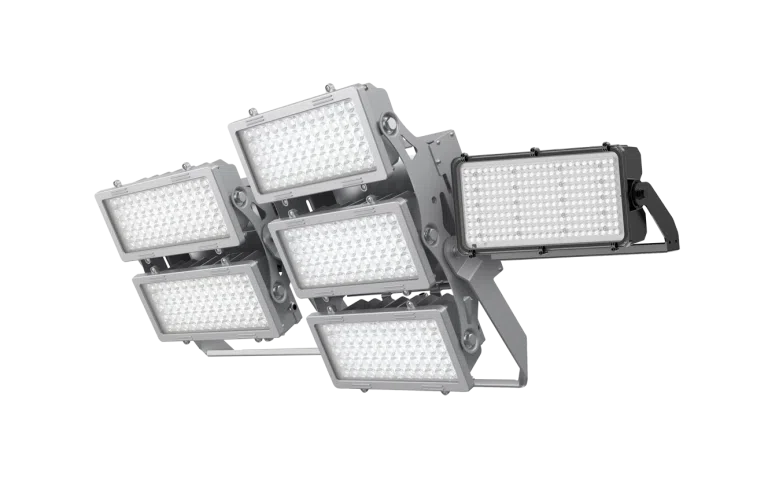
Our LED Light Tower Replacement Lights include LED flood lights and tower fixtures for mobile and portable lighting systems. Available models vary by wattage, lumen output, beam angle, voltage, color temperature, dimming, mounting bracket, plug type, and wiring method. Yoke-mount configurations and 4000K or 5000K options may be available by model.
These fixtures are used on mobile light towers for construction sites, road and highway work zones, emergency response areas, mining and industrial sites, oil and gas locations, remote drilling sites, temporary events, outdoor venues, and general maintenance areas.
-
 Starting At $201.92




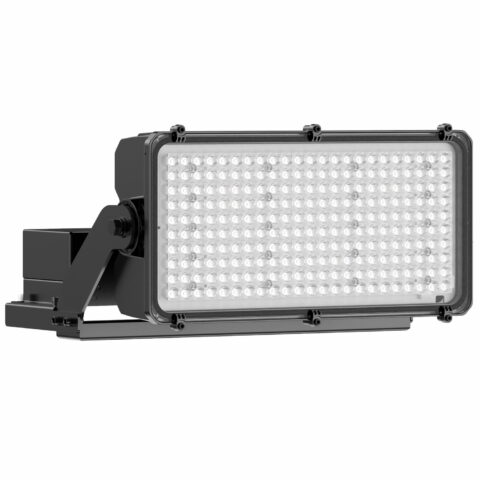


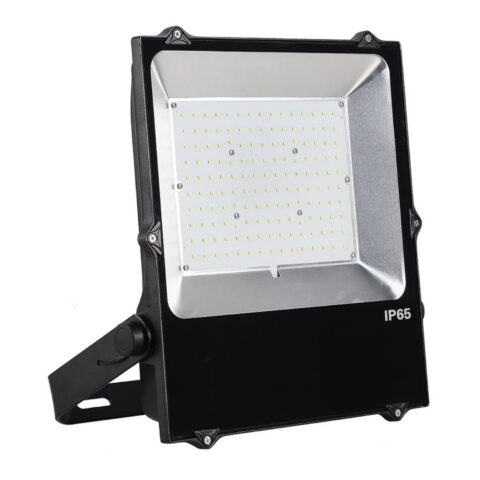
LED Light Tower Replacement Lights for Mobile Lighting Systems
LED light tower replacement lights are used to upgrade mobile light towers, portable jobsite lighting systems, construction lighting towers, emergency response towers, temporary event lighting, and remote worksite lighting systems. These fixtures can replace compatible older metal halide or high-pressure sodium luminaires and may reduce energy use, generator load, warm-up time, and routine lamp and ballast maintenance.
Light tower replacement projects should be reviewed around fixture wattage, lumen output, optical distribution, mounting bracket, tower height, voltage, generator capacity, vibration exposure, weather exposure, plug or wiring type, and the coverage area required. A replacement fixture should be selected for the tower and application, not just by matching the wattage of the old lamp.
Selection and Installation Note: Product specifications, wattage, lumen output, optics, beam angle, color temperature, voltage, dimming, mounting method, plug type, wiring method, certifications, environmental rating, surge protection, and warranty coverage vary by model. Confirm the selected product specification before ordering. For mobile light towers, generator-powered systems, construction sites, work zones, emergency response areas, hazardous environments, or safety-sensitive projects, verify requirements with the equipment owner, site safety team, project specifier, local inspector, or a licensed electrical professional.
When to Use LED Light Tower Replacement Fixtures
LED light tower replacement fixtures are a good fit when the tower structure, mast, mounting hardware, generator, wiring, and voltage are compatible with the selected LED fixture. In many cases, replacing older HID luminaires with LED flood lights or tower lights can improve startup time, reduce generator load, and reduce maintenance associated with HID lamps and ballasts.
| Use Case | What to Confirm |
|---|---|
| Construction sites | Review coverage area, tower height, generator output, glare toward workers or equipment operators, mounting hardware, weather exposure, and whether the tower will be moved often. |
| Road and highway work zones | Confirm worker visibility, work-zone requirements, driver glare, fixture aiming, mounting stability, traffic exposure, and site safety requirements before use. |
| Emergency response areas | Confirm rapid startup, generator compatibility, portability, weather rating, fixture aiming, power availability, and reliable operation for temporary use. |
| Mining and industrial sites | Review dust, vibration, mounting height, heavy equipment movement, environmental rating, and whether an established hazardous-location classification requires a specifically certified fixture. |
| Oil, gas, and remote drilling sites | Confirm corrosion exposure, weather exposure, generator power, voltage, fixture rating, maintenance access, and whether the documented area classification requires hazardous-location fixtures. |
| Temporary events and outdoor venues | Review glare, color temperature, dimming needs, audience comfort, camera or video needs, setup time, and power availability. |
| General maintenance areas | Confirm tower height, coverage area, fixture count, aiming flexibility, voltage, power source, and whether a portable or fixed temporary setup is needed. |

How to Choose LED Light Tower Replacement Lights
The right replacement fixture depends on the existing tower and the jobsite. A fixture that works well on a compact construction tower may not be the right choice for a large telescoping tower, highway work zone, event area, or industrial site. Start with compatibility first, then review output, optics, and durability.
| Selection Factor | What to Confirm |
|---|---|
| Existing tower compatibility | Confirm mast height, fixture count, mounting bracket, fixture weight, wiring method, plug type, yoke compatibility, aiming range, and available space on the tower head. |
| Voltage and generator output | Confirm whether the tower operates at 120V, 208V, 240V, 277V, or another voltage. Verify generator capacity, circuit rating, LED driver input range, and inrush-current considerations before ordering. |
| Fixture wattage | Choose wattage based on coverage needs, tower height, generator capacity, and fixture count. Do not assume a one-for-one wattage match is the best replacement strategy. |
| Lumen output | Compare fixture lumen output together with photometric distribution, mounting height, and aiming. These factors affect the illuminance delivered to the work area. |
| Optics and beam distribution | Wider distributions can help cover nearby work areas, while narrower distributions can project light farther from taller towers. Use fixture-specific photometric data to confirm coverage, uniformity, shadows, and glare. |
| Fixture weight | Confirm that the replacement fixture does not exceed the tower manufacturer’s recommendations for mast loading, wind exposure, transport vibration, or mounting hardware. |
| Color temperature | 5000K is common for construction and industrial work areas, while 4000K may be preferred for events or areas where a less stark appearance is desired. CCT describes the apparent color of the light; confirm available CCT by model. |
| Dimming and controls | If dimming is required, confirm 0-10V or other driver compatibility, wiring requirements, control location, and whether dimming is practical on the existing tower. |
| Environmental rating | Review wet-location rating, IP rating, operating temperature, corrosion exposure, dust exposure, and whether the fixture will be transported frequently. IP ratings address ingress protection and do not independently establish corrosion resistance or hazardous-location suitability. |
| Surge and vibration resistance | Generator-powered and mobile systems may expose fixtures to voltage fluctuations, transport vibration, and rough handling. Confirm surge protection and fixture construction by model. |
Wattage and Beam Angle Guidelines
Wattage and optical distribution should be selected together. More wattage does not always produce better usable light if the optic sends light outside the work area or creates excessive glare. Tower height, fixture aiming, site geometry, and the size of the coverage area should guide the selection. For larger or safety-sensitive work areas, use fixture-specific IES photometric data to evaluate delivered light levels and uniformity.
| Tower / Application Factor | General Guidance |
|---|---|
| Lower or compact towers | Wider distributions may be useful for nearby work areas, staging zones, and compact coverage areas. |
| Taller towers | Narrower or medium distributions may help project light farther and reduce wasted light near the tower base. |
| General construction lighting | Moderate-wattage LED flood lights are often used, depending on tower height, fixture count, required illuminance, and generator capacity. |
| Wide-area work zones | Higher-output fixtures or multiple towers may be needed. Review glare, shadows, equipment movement, generator load, and photometric coverage. |
| Temporary events | Color temperature, dimming, glare control, and audience comfort may matter as much as raw output. |

Replacing Metal Halide Light Tower Fixtures
Many older mobile light towers use metal halide or high-pressure sodium fixtures. LED replacement fixtures can reduce wattage, lower generator load, eliminate HID warm-up time, and reduce lamp and ballast maintenance. Actual savings depend on the existing fixture wattage, LED fixture selected, number of lights, generator efficiency, operating hours, fuel cost, and site conditions.
Before replacing metal halide fixtures, confirm whether the existing tower uses ballasts, capacitors, mogul-base lamps, hardwired fixtures, plugs, or other wiring configurations. Some retrofits may require bypassing old components, replacing fixtures completely, or verifying wiring with a licensed electrical professional.
Installation and Compatibility Considerations
LED light tower replacement is often straightforward when the fixture, tower, voltage, wiring, and mounting hardware are compatible. However, mobile lighting systems vary by manufacturer and age, so compatibility should be confirmed before ordering.
- Mounting: Confirm yoke mount, bracket spacing, aiming hardware, and fixture weight.
- Wiring: Confirm whether the tower uses plug-in fixtures, hardwired fixtures, existing ballasts, or direct-wired LED-compatible circuits.
- Voltage: Confirm input voltage and generator output before selecting a fixture.
- Generator capacity: Confirm total LED load across all fixtures and any other equipment powered by the tower.
- Transport: Review vibration, fixture protection, lens material, and mounting security for towers that are moved frequently.
- Weather exposure: Confirm wet-location rating, IP rating, corrosion exposure, and operating temperature range.

Benefits of LED Light Tower Replacement Lights
An LED conversion is often most valuable where light towers operate for long shifts, are deployed frequently, or are difficult to service. The practical benefit depends on the operating profile of the tower, not only the fixture wattage.
- Long operating schedules: Towers used for overnight construction, emergency response, or extended remote operations may realize greater energy and maintenance benefits than equipment used only occasionally.
- Generator-limited deployments: Reducing lighting load may leave more generator capacity available for other approved equipment, subject to the generator’s rating and the total connected load.
- Remote or difficult-to-service locations: Complete LED fixture replacements can reduce the need for routine HID lamp and ballast service, which may be especially useful where maintenance access is limited.
- Projects requiring rapid redeployment: LED fixtures reach output quickly after energization, which can be useful when towers are moved between work areas or deployed for temporary response activities.
- Applications needing adjustable coverage: Compatible yoke-mounted fixtures can allow aiming adjustments as work areas, equipment locations, or tower placement change. Final aiming should be checked for coverage, glare, shadows, and spill light.
- Fleet standardization: Using a consistent, compatible fixture model across similar towers may simplify stocking, maintenance records, replacement planning, and operator familiarity.
Common Light Tower Replacement Mistakes
- Ordering before documenting the existing fixture: Record the tower make and model, photos of the mounting head and wiring connection, fixture dimensions, input voltage, plug type, and quantity before selecting replacements.
- Assuming a lamp-only retrofit is possible: Many light tower upgrades involve replacing the complete HID luminaire rather than installing an LED lamp in the existing housing. Confirm the intended retrofit method and required wiring changes.
- Not planning for installation downtime: Schedule the work when the tower can be removed from service, lowered safely, isolated from power, and tested after installation.
- Changing fixture quantity without reviewing the tower head: Adding fixtures, brackets, adapters, or other equipment can change weight, wind loading, wiring demand, and aiming geometry. Confirm suitability with the tower manufacturer or qualified project authority.
- Failing to retain service information: Keep the fixture model number, driver information, wiring diagram, warranty documentation, and replacement-part details with the tower maintenance records.
- Purchasing unverified products for a specified project: Confirm the exact product’s voltage range, listing, environmental rating, photometric data, warranty, and required documentation before purchase rather than relying on category-level descriptions.
- Assuming industry type establishes hazardous classification: Oil, gas, mining, chemical, and industrial facilities are not automatically classified throughout. Where a classified location is documented, the fixture’s Class, Division or Zone, Group, temperature rating, ambient rating, and certification must match that established classification.
- Ignoring post-installation aiming: A replacement project is not complete until fixtures are aimed and evaluated for work-area coverage, shadows, glare, and spill light.
Certifications, Rebates, and Warranty Support
Safety listings, including UL, ETL, or CSA listings, vary by product and intended application. Selected models may be DLC or DLC Premium listed where applicable; DLC qualification is a performance and efficiency program, not an electrical safety certification. Rebate requirements vary by utility, region, installation type, and product listing, so confirm eligibility for the selected product before ordering.
Warranty coverage varies by product. Before purchase, confirm certifications, DLC status, voltage, mounting method, controls compatibility, generator and electrical-system compatibility, environmental rating, warranty terms, and whether the fixture is appropriate for the site layout and surrounding conditions.
Contact us about LED light tower replacement lights, and our Product Specialists can help review tower type, existing fixture wattage, mounting method, voltage, generator capacity, optical distribution, fixture count, environmental rating, and published product specifications.
LED Light Tower Replacement Lighting FAQs
How Do I Choose The Right LED Light Tower Replacement Fixture?
Choose an LED light tower replacement fixture by confirming compatibility with the tower, then reviewing output, optics, durability, voltage, generator capacity, mounting, wiring, and required coverage area. Do not select a replacement only by matching the wattage of the old lamp.
What Must Be Compatible Before Replacing Light Tower Fixtures With LED?
The tower structure, mast, mounting hardware, generator, wiring, and voltage must be compatible with the selected LED fixture. Also confirm fixture count, bracket and yoke compatibility, fixture weight, plug type, aiming range, and available space on the tower head.
How Should Wattage And Optics Be Evaluated For A Light Tower?
Evaluate wattage together with optical distribution, tower height, fixture aiming, site geometry, and coverage area. More wattage does not always produce better usable light if the optic sends light outside the work area or creates excessive glare.
When Should Fixture-Specific Photometric Data Be Used?
Use fixture-specific photometric data to confirm coverage, uniformity, shadows, and glare, especially for larger or safety-sensitive work areas. Lumen output should be compared with photometric distribution, mounting height, and aiming because these factors affect illuminance delivered to the work area.
Can LED Fixtures Replace Metal Halide Or High-Pressure Sodium Light Tower Fixtures?
LED fixtures can replace compatible older metal halide or high-pressure sodium luminaires. Before replacement, confirm whether the existing tower uses ballasts, capacitors, mogul-base lamps, hardwired fixtures, plugs, or other wiring configurations.
What Should Be Checked For Generator-Powered LED Light Towers?
Confirm generator capacity, circuit rating, LED driver input range, inrush-current considerations, and total LED load across all fixtures and other equipment powered by the tower. Generator-powered and mobile systems may also expose fixtures to voltage fluctuations, transport vibration, and rough handling.
How Do Environmental Conditions Affect LED Light Tower Fixture Selection?
Environmental conditions should be reviewed by confirming wet-location rating, IP rating, operating temperature, corrosion exposure, dust exposure, and whether the fixture will be transported frequently. IP ratings address ingress protection and do not independently establish corrosion resistance or hazardous-location suitability.
What Should Be Verified For A Documented Hazardous Location?
Where a classified location is documented, the fixture's Class, Division or Zone, Group, temperature rating, ambient rating, and certification must match that established classification. Oil, gas, mining, chemical, and industrial facilities are not automatically classified throughout.