Government Building Fans
- HVLS, commercial, wall-mounted, and drum fan options available
- Application support for room size, airflow, and mounting needs
- Preliminary fan layout plans available for large government spaces



Our Government Building Fans include HVLS ceiling fans, commercial fans, drum fans, and wall-mounted fans for public-sector facilities. Available products provide broad circulation or directed airflow, with ceiling-mounted, wall-mounted, and localized portable configurations.
These fans are used in municipal garages, recreation centers, gymnasiums, public works buildings, warehouses, fire stations, maintenance areas, utility facilities, administrative spaces, courthouses, libraries, transit depots, and water and wastewater treatment facilities.
-
 Starting At $6,498.33
-
Starting At $5,085.97
-
Starting At $6,831.67
-
Starting At $7,165.00
-
Starting At $7,498.33
-
Starting At $6,000.00
-
Starting At $6,333.33
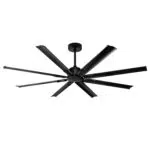


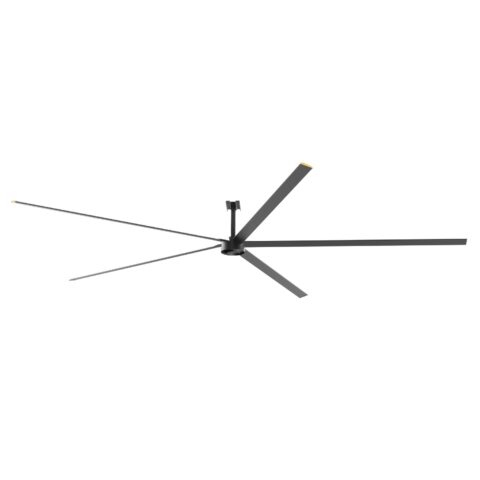


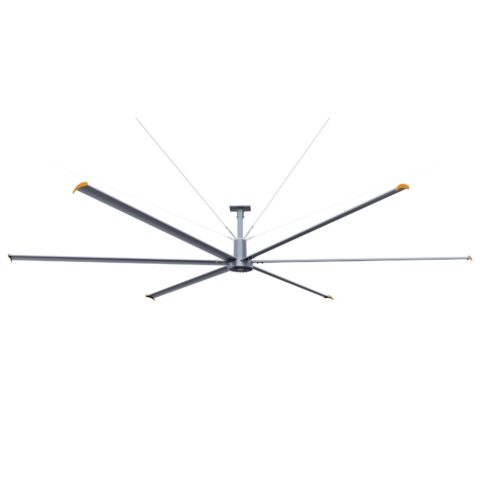
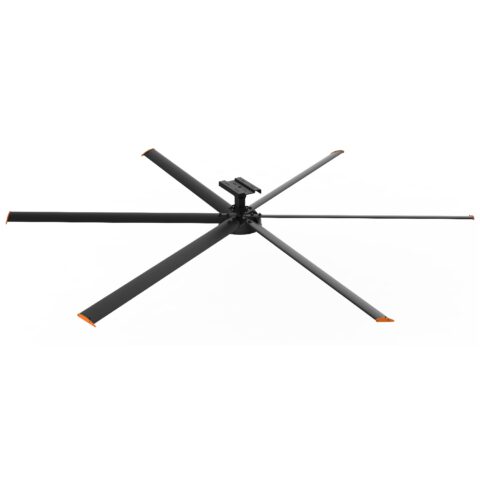
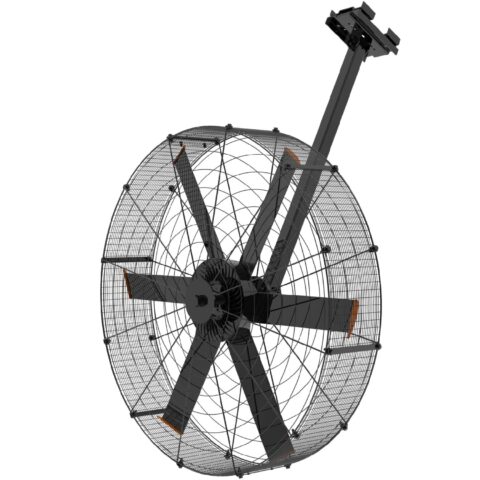


Government Building Fans
Government building fans provide broad or targeted air movement in public-sector facilities such as municipal garages, recreation centers, gymnasiums, public works buildings, warehouses, fire stations, maintenance areas, utility facilities, and selected administrative spaces.
LED Lighting Supply offers HVLS ceiling fans for broad circulation in large open spaces, commercial fans for smaller occupied spaces, wall-mounted fans for directed airflow, and drum fans for localized airflow in changing work zones. Then confirm room dimensions, ceiling height, occupied areas, airflow objective, mounting locations, obstructions, environmental conditions, electrical service, and the existing HVAC system.
Selection Note: Government ownership does not determine the correct fan. A high-bay public works garage, finished courthouse lobby, recreation center, and wastewater facility have different airflow, sound, mounting, security, and environmental requirements.
How to Select Government Building Fans
| Selection Factor | What to Confirm |
|---|---|
| Facility and room type | Identify whether the fan will serve a gymnasium, garage, maintenance bay, warehouse, public room, utility area, or another operational space. |
| Room dimensions | Provide the length, width, clear ceiling height, mounting structure, and occupied work areas. |
| Airflow objective | Determine whether the goal is broad circulation, perceived cooling, heating-season destratification, directed airflow, or temporary airflow in changing work zones. |
| Coverage and placement | Use manufacturer airflow and coverage data together with mounting height, fan size, room geometry, and obstructions. |
| Sound and occupancy | Review published sound data for libraries, meeting rooms, public counters, offices, dispatch areas, and other communication-sensitive locations. |
| Structure and clearances | Account for beams, lights, sprinklers, ducts, doors, lifts, storage, vehicles, equipment, and maintenance access. |
| Electrical service and controls | Confirm voltage, phase, circuit capacity, speed controls, operating schedules, and available building-control integration. |
| Environment | Identify moisture, dust, washdown, salt, chemicals, corrosive exposure, temperature extremes, and required motor or enclosure ratings. |
| Security and access | Consider guarding, mounting height, control access, cord routing, tamper resistance, and restricted areas. |
Choosing the Right Fan Type
| Fan Type | Typical Government Facility Use |
|---|---|
| HVLS Fans | Broad, low-speed circulation in gymnasiums, public works garages, recreation centers, fire-station bays, armories, warehouses, and other large spaces with sufficient ceiling height. |
| Commercial Fans | Air movement in smaller occupied spaces where a large industrial HVLS fan is not appropriate. Confirm ceiling height, sound, appearance, airflow, controls, and public access. |
| Wall-Mounted Fans | Directed airflow toward maintenance bays, fixed work areas, equipment zones, and locations where ceiling mounting or floor placement is impractical. |
| Drum Fans | Localized airflow for maintenance operations, loading areas, event spaces, cleanup, drying, and work zones that change over time. |
HVLS Fans for Large Government Facilities
HVLS fans use large-diameter blades operating at relatively low speeds to move air across broad floor areas. They are best suited for open spaces with sufficient ceiling height, suitable structural support, and adequate separation from lights, sprinklers, doors, vehicles, equipment, and occupants.
During warm conditions, increased air movement may improve perceived comfort. During the heating season, low-speed operation may help redistribute warm air that collects near high ceilings. Energy savings depend on the climate, building envelope, HVAC system, controls, door operation, occupancy, and operating schedule.
HVLS fans are not automatically appropriate for conventional offices, courtrooms, libraries, public counters, or other rooms with lower ceilings, finished architectural systems, strict sound requirements, or limited mounting space. Review office ceiling fans for administrative and communication-sensitive spaces.
Specialized Government Facility Considerations
- Public works garages and fire stations: Fan placement should not interfere with vehicle-exhaust systems, doors, lifts, cranes, or maintenance equipment. Review garage and workshop fans for comparable operational spaces.
- Correctional facilities: Confirm guarding, restricted control access, protected wiring, mounting height, and tamper-resistance requirements.
- Water and wastewater facilities: Verify suitability for moisture, corrosive gases, chemicals, washdown, and electrically classified areas. Wet-rated commercial ceiling fans may be appropriate where their specific ratings meet the installation requirements.
- Military and secure buildings: Review project-specific structural, security, procurement, documentation, and electrical requirements.
- Libraries and administrative spaces: Prioritize sound, appearance, draft control, public access, and compatibility with the finished ceiling and HVAC layout.
Ventilation Note: General circulation fans do not replace vehicle-exhaust capture, chemical ventilation, source extraction, or classified electrical equipment required for hazardous processes or airborne contaminants.
Government Building Applications
- City halls and municipal administration buildings
- County administration buildings and courthouses
- State and federal office buildings
- Public works and municipal maintenance garages
- Police stations and sheriff’s departments
- Fire stations and emergency-service facilities
- Public libraries
- DMV, permit, and licensing offices
- Community centers and recreation centers
- Gymnasiums and public assembly spaces
- Correctional and detention facilities
- School-district administration and operations buildings
- Military installations and National Guard armories
- Water and wastewater treatment facilities
- Public utility and pump facilities
- Public transit maintenance facilities and depots
- Government warehouses and records-storage buildings
- Veterans’ facilities
- Public health and social-service offices
Installation and Product Selection
Before ordering, confirm:
- Fan dimensions, airflow, coverage, and published sound data
- Mounting structure, attachment method, and required restraints
- Clearances from lights, sprinklers, ducts, doors, vehicles, and equipment
- Voltage, phase, wiring, disconnects, and controls
- Environmental and enclosure ratings
- Security, guarding, and public-access requirements
- Certification, warranty, and maintenance requirements for the selected model
Government Facility Fan Layouts
LED Lighting Supply can prepare a preliminary fan layout plan using the room dimensions, ceiling height, mounting structure, occupied areas, doors, lights, sprinklers, ducts, equipment, HVAC system, voltage, and airflow objectives.
Layouts are preliminary and should be reviewed against final field conditions, structural requirements, fire-protection systems, HVAC operation, manufacturer instructions, and applicable codes before installation.
Need Help Selecting Government Building Fans?
Contact us about government building fans and include room dimensions, ceiling heights, photographs, floor plans, mounting information, environmental conditions, voltage, and airflow requirements when available.
LED Lighting Supply can assist with fan selection and preliminary layout coordination. Final structural support, electrical installation, fire-system coordination, HVAC compatibility, environmental suitability, security requirements, and code compliance should be confirmed by the appropriate qualified project professionals and authorities.
Government Building Fans FAQs
How Do I Choose The Right Fan Type For A Government Facility?
The right fan type depends on room dimensions, ceiling height, occupied areas, airflow objectives, mounting locations, obstructions, environmental conditions, electrical service, and the existing HVAC system. HVLS fans are used for broad circulation in large spaces with sufficient ceiling height, while commercial, wall-mounted, and drum fans serve different occupied-space, directed-airflow, and changing-work-zone needs.
When Are HVLS Fans Appropriate For Government Buildings?
HVLS fans are best suited for open government spaces with sufficient ceiling height, suitable structural support, and adequate separation from lights, sprinklers, doors, vehicles, equipment, and occupants. Typical uses include gymnasiums, public works garages, recreation centers, fire-station bays, armories, warehouses, and other large spaces.
When Should A Wall-Mounted Fan Be Considered?
Wall-mounted fans are used for directed airflow toward maintenance bays, fixed work areas, equipment zones, and locations where ceiling mounting or floor placement is impractical. Fan selection should still account for mounting locations, obstructions, electrical service, and environmental conditions.
What Information Is Needed To Plan A Government Facility Fan Layout?
A preliminary fan layout plan can use room dimensions, ceiling height, mounting structure, occupied areas, doors, lights, sprinklers, ducts, equipment, HVAC system, voltage, and airflow objectives. Preliminary layouts should be reviewed against final field conditions, structural requirements, fire-protection systems, HVAC operation, manufacturer instructions, and applicable codes before installation.
What Should Be Confirmed Before Ordering Government Building Fans?
Before ordering, confirm fan dimensions, airflow, coverage, published sound data, mounting structure, attachment method, required restraints, clearances, voltage, phase, wiring, disconnects, controls, environmental and enclosure ratings, and security requirements. Certification, warranty, and maintenance requirements should also be confirmed for the selected model.
Can General Circulation Fans Replace Exhaust Or Hazardous-Process Ventilation?
General circulation fans do not replace vehicle-exhaust capture, chemical ventilation, source extraction, or classified electrical equipment required for hazardous processes or airborne contaminants.
What Should Be Considered For Fans In Water, Wastewater, Or Secure Facilities?
Water and wastewater facilities require verification of suitability for moisture, corrosive gases, chemicals, washdown, and electrically classified areas, while correctional facilities require consideration of guarding, restricted control access, protected wiring, mounting height, and tamper-resistance requirements. Military and secure buildings may also require review of project-specific structural, security, procurement, documentation, and electrical requirements.