LED Quonset Hut Lighting
- Fixture options for curved roofs and varied mounting heights
- Vapor tight and sealed models available for dusty areas
- Product specialists help match fixtures to building use


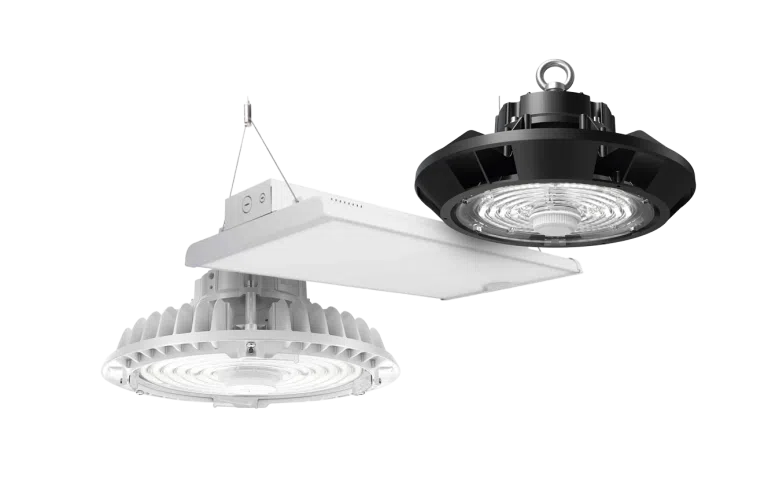
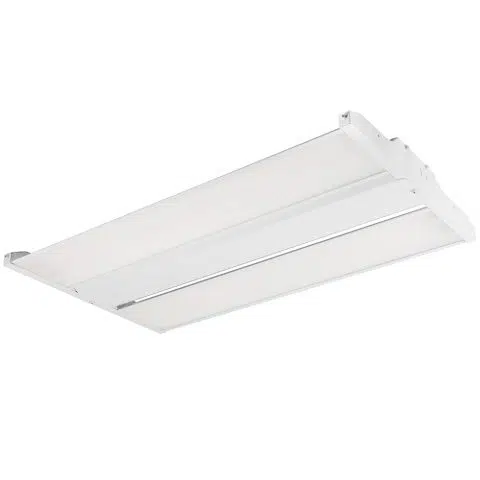
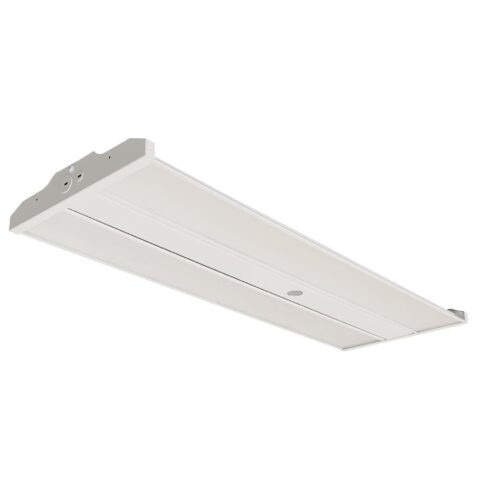
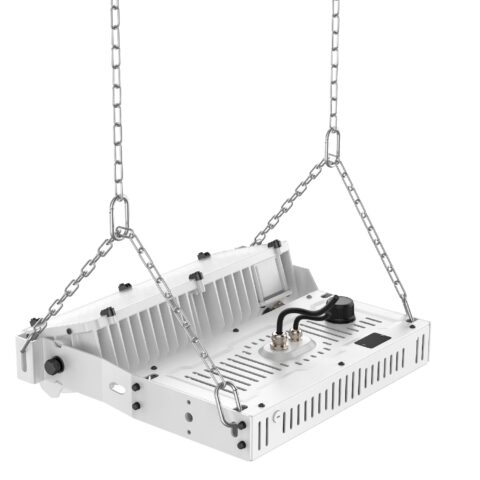
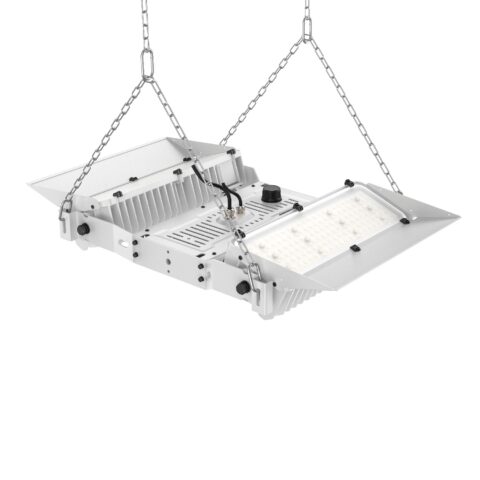
Our LED Quonset Hut Lighting includes low bay lights, UFO and linear high bays, vapor tight fixtures, canopy lights, and task lights for curved metal buildings. Available models vary by wattage, lumen output, voltage, beam angle, color temperature, dimming, controls, and mounting method.
These fixtures are used in Quonset huts, commercial storage buildings, workshops, equipment bays, agricultural buildings, utility areas, loading doors, mixed-use workspaces, repair areas, and precision work zones.


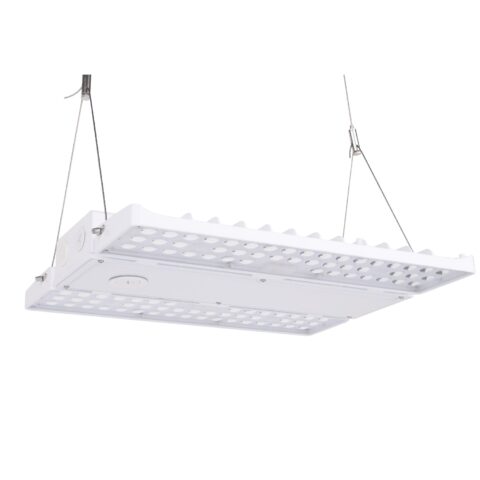


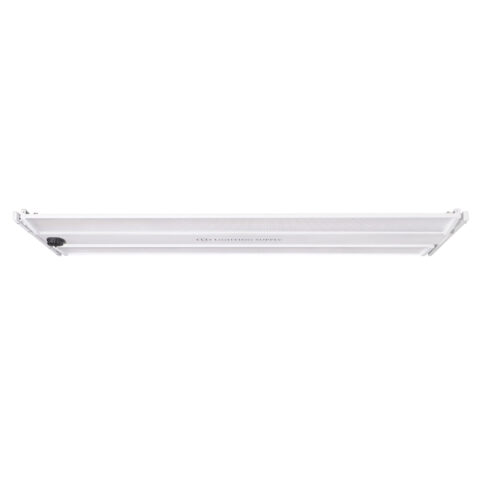


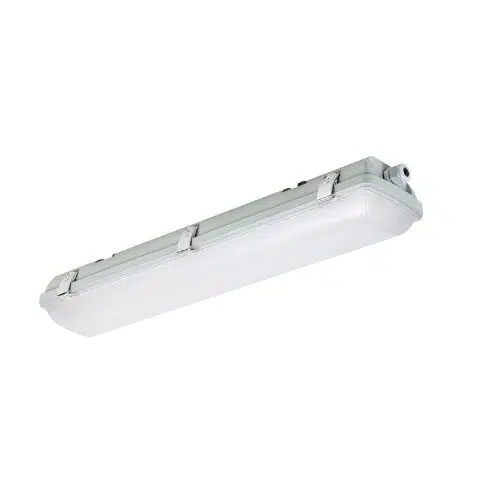
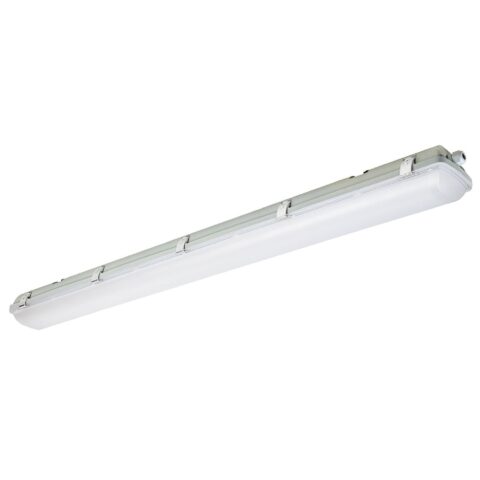
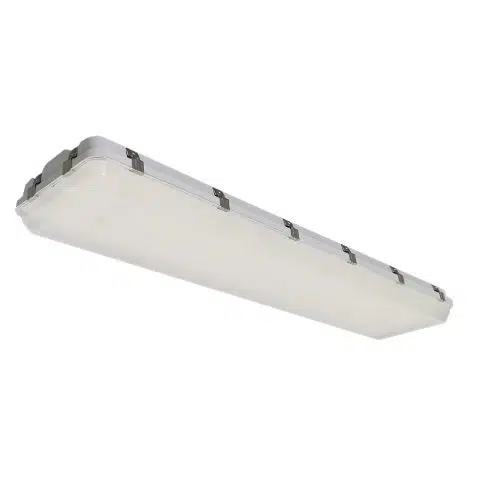

LED Quonset Hut Lighting for Curved Metal Buildings, Shops, Storage, and Utility Areas
LED Quonset hut lighting is used in curved metal buildings, commercial storage buildings, workshops, equipment bays, agricultural buildings, utility areas, loading doors, and mixed-use workspaces. Quonset huts often have curved ceilings and arched sidewalls, so fixture selection should account for mounting height, suspension method, beam spread, glare, shadows, dust, moisture, temperature, and how the building is used.
Start by matching the fixture type and light level to the building use, then confirm clear mounting height, curved-roof mounting method, beam spread, fixture spacing, and environmental exposure. Many Quonset buildings use LED low bay lights, UFO LED high bays, linear LED high bays, LED vapor tight lights, or LED canopy lights, depending on the space. Storage areas usually need less light than shop work, repair bays, wash areas, or precision work zones.
Selection and Installation Note: Product specifications, wattage, lumen output, optics, beam angle, color temperature, voltage, dimming, controls, mounting method, wet-location rating, IP rating, impact rating, certifications, and warranty coverage vary by model. Confirm the selected product specification before ordering. An IP rating addresses enclosure protection against solids and water ingress; it does not by itself establish chemical resistance, corrosion resistance, sanitation suitability, or hazardous-location approval. For Quonset huts, curved metal buildings, workshops, commercial storage, agricultural use, damp areas, washdown-adjacent areas, electrical upgrades, or exterior lighting, verify requirements with the facility team, local inspector, project specifier, or a licensed electrical professional.
Recommended Foot-Candles for Quonset Hut Lighting
Quonset hut light levels vary by use. A storage building does not need the same light level as a workshop, precision work area, utility room, or loading door. The curved structure can also affect fixture placement and glare, so final fixture selection should confirm mounting method, beam spread, controls, environmental rating, and fixture-specific photometric distribution.
Step 1: Find your foot candle levels
Step 2: Estimate your fixture count and space
LED High Bay Lighting Layout Estimator
Use this estimator to calculate approximate fixture count, spacing, and average foot-candles for warehouses, shops, gyms, industrial spaces, and commercial interiors using LED high bay fixtures. Enter your room dimensions, mounting height, target foot-candles, light loss factor, and room/layout condition to generate a preliminary lighting layout. When IES photometry is available, workplane height and room reflectance controls are shown.
Project Inputs
Estimated Results
Estimated average foot-candles are preliminary and should be verified with a lighting plan for project-critical applications.
Room / Layout Condition: This field is used only when usable IES photometry is not available. In fallback mode, it acts as a simplified room utilization factor for reflectance, fixture distribution, racking, obstructions, and how much fixture light reaches the work area. Open / light-colored spaces use 0.90, typical warehouses or shops use 0.75, racked or obstructed spaces use 0.60, and dark or complex spaces use 0.45. When IES photometry is active, this field is hidden and the estimator uses the selected workplane height, LLF, and simplified reflectance adjustment instead.
Photometry / Simulation Note: When usable IES photometry is available for the selected fixture, this estimator uses the fixture’s IES candela data, selected workplane height, light loss factor, and simplified reflectance adjustment to estimate fixture count, average foot-candles, and visual light distribution. The reflectance adjustment is a conservative approximation and is not a full zonal-cavity, radiosity, or professional photometric room calculation. When IES photometry is not available, the estimator uses a simulated beam model based on lumens, mounting height, room/layout condition, light loss factor, and beam angle.
Preliminary Estimate Only: This estimator is intended for simple square or rectangular spaces and should be used as a planning aid, not a final photometric lighting plan. Actual light levels may vary based on fixture optics, selected IES file, mounting conditions, workplane height, ceiling height, surface reflectance, obstructions, controls, voltage, installation conditions, and site-specific requirements. Project-critical applications should be verified with a formal lighting plan.
This estimate is a starting point. Warehouses, industrial facilities, hazardous locations, sports areas, schools, healthcare spaces, public areas, and code-sensitive projects may require a reviewed lighting layout before purchase or installation.
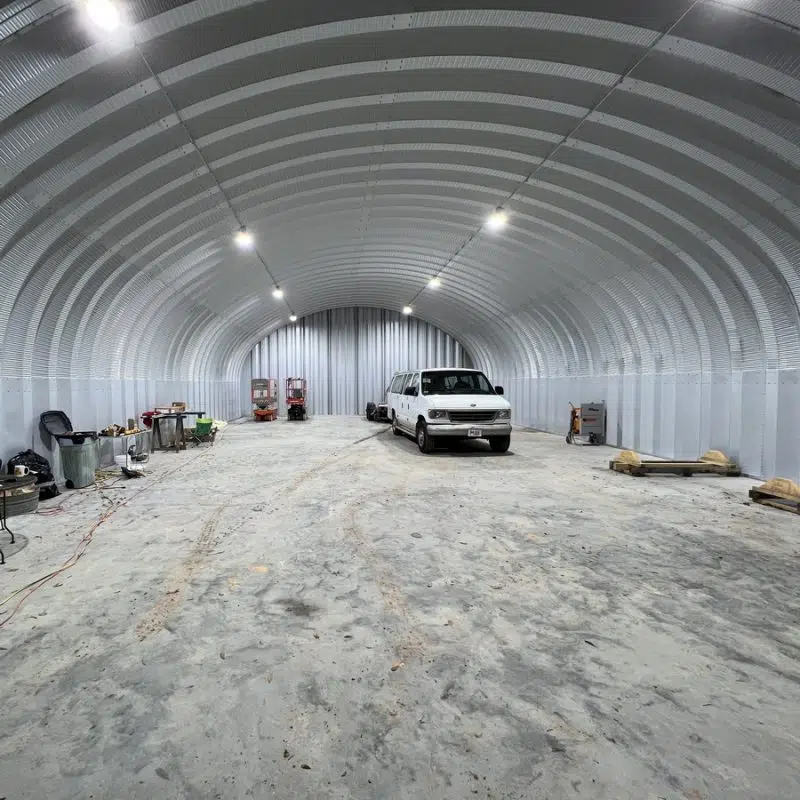
Best LED Fixtures for Quonset Huts
The best fixture depends on ceiling height, building width, mounting method, and use. Lower Quonset huts may need low bays or canopy-style fixtures. Taller Quonset buildings may use UFO or linear high bays. Damp, dusty, or agricultural areas may benefit from vapor tight fixtures when their listed environmental rating and materials match the actual exposure.
| Fixture Type | Where It Fits Best |
|---|---|
| LED low bay lights | Good for lower Quonset huts where mounting height is limited and wide, comfortable distribution is needed. |
| UFO LED high bay lights | Useful in taller open Quonset buildings, equipment storage areas, and general workspaces when spacing and mounting height are appropriate. |
| Linear LED high bay lights | Useful in long buildings, work aisles, equipment rows, and shop-style layouts where linear distribution can help limit shadows. |
| LED vapor tight lights | Suitable for many damp, dusty, agricultural, utility, washdown-adjacent, or mixed-use areas when the fixture's environmental rating, materials, seals, and hardware match the exposure. |
| LED canopy lights | May work in lower metal buildings or covered exterior approaches where low-profile, wide distribution is needed. |
| Task lights | Useful over workbenches, inspection tables, equipment repair areas, and precision work zones where general overhead lighting is not enough. |
How to Choose LED Quonset Hut Lights
Quonset hut lighting should be selected based on the building’s shape and use. The curved roof can make mounting and beam spacing different from those in a flat-ceiling warehouse lighting or pole barn lighting layout.
| Selection Factor | What to Confirm |
|---|---|
| Building use | Confirm whether the Quonset hut is used for storage, shop work, equipment, agriculture, offices, utility rooms, loading, or mixed commercial use. |
| Ceiling height | Lower buildings may use low bays or canopy fixtures. Taller buildings may use UFO or linear high bays. Confirm clear mounting height, not just peak height. |
| Curved roof profile | Review whether fixtures will be suspended, surface-mounted, mounted to purlins, or mounted to a support structure below the curved roof. |
| Beam angle | Wide beams may work for general coverage. More focused beams may be useful over work areas or higher mounting points. Confirm glare at eye level. |
| Fixture rows and spacing | Long narrow buildings may need linear rows. Wider buildings may need multiple fixture rows or different output zones. Use fixture-specific photometric data to verify the layout and target illuminance. |
| Dust and debris | Agricultural, storage, and workshop areas may expose fixtures to dust, dirt, fibers, or debris. Confirm lens type, cleaning access, IP rating, and the suitability of materials for the actual environment. |
| Moisture and damp areas | Damp utility rooms, washdown-adjacent spaces, agricultural use, and unconditioned buildings may need fixtures listed for damp or wet locations. Review IP rating, corrosion exposure, materials, seals, and maintenance access separately. |
| Controls | Confirm switching zones, dimming, motion sensors, daylight contribution, and whether shop, storage, office, and exterior areas should be controlled separately. |
Quonset Hut Lighting by Area
A Quonset hut may include general storage, shop work, vehicle bays, offices, utility rooms, damp areas, and exterior approaches. Each area may need a different light level or fixture type.
| Quonset Hut Area | Lighting Priorities |
|---|---|
| General interior areas | Comfortable visibility for movement, storage, doors, equipment, and day-to-day use. |
| Storage and warehousing | Visibility for inventory, pallets, shelves, vehicles, tools, and equipment access without over-lighting. |
| General work areas | Stronger visibility for routine tasks, equipment use, benches, layout, and movement around work zones. |
| Workshop operations | Higher task lighting for repairs, tools, benches, fabrication, inspection, and detailed work. |
| Precision work zones | Higher light levels, reduced shadows, appropriate color-rendering performance, and task-specific fixture placement. |
| Administrative areas | Comfortable light for offices, paperwork, screens, and support tasks. |
| Agricultural or mixed-use areas | Review fixture protection and material suitability for dust, humidity, equipment, animals, feed, bedding, and cleaning exposure. |
| Damp or utility areas | Appropriate damp- or wet-location suitability, IP rating where applicable, corrosion review, and maintenance access. |
| Entrances and loading doors | Visibility for vehicles, doors, trailers, materials, and transitions between indoor and outdoor areas. |

Mounting LED Lights in a Quonset Hut
Quonset huts can be more challenging than rectangular flat-ceiling buildings because of the curved metal roof. Some fixtures may be chain-hung from support points, while others may mount to structural members, purlins, or added brackets. Confirm the mounting method before selecting fixture shape, wattage, and beam angle.
Fixture supports and attachment methods must be suitable for the complete fixture load and installation conditions. Do not rely on thin metal skin as a fixture support unless the building manufacturer, qualified design professional, or other responsible authority has approved that method. Electrical work should also account for the metal structure. Confirm grounding, conduit routing, fixture support, clearances, and local electrical requirements with a licensed electrical professional. If the building is under construction or being insulated, review fixture locations and wiring before finishes are installed.
Benefits of LED Quonset Hut Lighting
- Lighting that follows the building layout: Fixture rows, optics, and mounting methods can be selected around the curved roof profile, narrow sidewall areas, equipment rows, workbenches, and door locations.
- Separate lighting zones: Storage, repair areas, offices, utility spaces, and loading doors can use different fixture types, output levels, and controls rather than relying on one uniform lighting arrangement.
- Improved task coverage: General overhead lighting can be supplemented with task lighting at benches, inspection areas, and repair stations where shadows or detailed work are concerns.
- Options for changing building use: Selected fixtures and controls can support spaces that shift between storage, equipment parking, workshop activity, and mixed-use operations.
- Reduced disruption during maintenance: Integrated LED luminaires do not use replaceable lamps or fluorescent/HID ballasts, which can reduce routine relamping needs compared with many older systems. Driver and fixture maintenance may still be required over the product life.
- Quick startup: LED luminaires generally reach operating light output quickly, without the warm-up and restrike delay associated with many HID systems.
- Available controls and adjustable settings: Depending on the model, compatible dimming, occupancy sensors, switching zones, wattage selection, or color-temperature selection may be available. Wattage selection affects light output and energy use; color temperature changes the apparent warm or cool appearance of white light.
Common Quonset Hut Lighting Mistakes
- Estimating fixture quantity from building area alone: Square footage does not account for the curved ceiling, mounting elevation, equipment obstructions, shelving, work surfaces, or fixture distribution. Use a fixture-specific photometric layout to evaluate light levels on the actual work plane.
- Replacing older fixtures one-for-one without reviewing the layout: LED luminaires can have substantially different output and optical distributions from existing HID or fluorescent fixtures. A direct fixture-for-fixture replacement may create dark areas, excessive brightness, or uneven coverage.
- Overlooking daylight changes: Skylights, translucent wall panels, open doors, and loading entrances can create large changes in daytime light levels. Consider separate switching, dimming, or daylight-responsive controls where suitable for the project.
- Leaving benches and repair areas dependent on overhead light: Equipment, open hoods, shelving, and workers can block general illumination. Add task lighting where detailed work, inspection, wiring, repair, or fabrication requires better visibility.
- Installing fixtures where future access is difficult: Curved roofs, insulation, stored materials, and equipment can make servicing drivers, sensors, wiring, or lenses difficult. Plan mounting locations and access before installation.
- Not checking electrical compatibility: Confirm branch-circuit voltage, available capacity, dimming method, control wiring, emergency-lighting needs, and sensor compatibility before ordering fixtures.
- Assuming a vapor tight or IP-rated fixture is suitable for every harsh environment: Water-ingress protection does not establish resistance to ammonia, fertilizers, salt, cleaning chemicals, corrosive vapors, or other site-specific exposures. Review manufacturer material and environmental documentation for the actual conditions.
- Ignoring classified-location requirements where applicable: A Quonset hut is not automatically a hazardous location because of its building type or use. Where flammable vapors, combustible dust, or ignitible fibers may create a classified area, the documented Class, Division or Zone, Group, temperature rating, ambient rating, and fixture certification must match the established area classification.
Quonset Hut Lighting Certifications, Rebates, and Warranty Support
Safety listings and certifications vary by product. Selected LED Quonset hut lighting models may carry a listing or certification from a Nationally Recognized Testing Laboratory, such as UL, Intertek/ETL, or CSA, as identified on the product specification. Some models may be DLC or DLC Premium listed and may qualify for utility rebates where available. DLC listing is an efficiency and performance program, not an electrical safety certification. Rebate requirements vary by utility, region, installation, and product listing, so confirm eligibility on the selected product specification and with the utility before ordering.
Warranty coverage varies by product, with many applicable models offering a 5-year warranty unless otherwise specified. Before purchase, review the selected product specification to confirm certifications, DLC status, voltage, controls compatibility, mounting method, environmental rating, warranty terms, and suitability for the building layout and conditions.
Contact us about LED Quonset hut lighting, and our Product Specialists can help review building use, ceiling height, curved roof profile, fixture type, light level, controls, moisture exposure, dust exposure, and product specifications.
LED Quonset Hut Lighting FAQs
How Should I Choose LED Lighting For A Quonset Hut?
Choose LED Quonset hut lighting based on building use, clear mounting height, building width, curved roof profile, mounting method, beam spread, glare, shadows, dust, moisture, temperature, and control needs. Lower buildings may use low bays or canopy fixtures, while taller buildings may use UFO or linear high bays.
How Does A Curved Quonset Hut Roof Affect Lighting Layout?
A curved Quonset hut roof can affect mounting, fixture spacing, glare, suspension points, and fixture angle. Confirm whether fixtures will be suspended, surface-mounted, mounted to purlins, or mounted to a support structure below the curved roof.
How Should Fixture Rows Be Planned In A Quonset Hut?
Fixture rows should be planned around building width, building length, mounting height, beam spread, work areas, and required light levels. Long narrow buildings may need linear rows, while wider buildings may need multiple fixture rows or different output zones.
Should Storage And Workshop Areas Use The Same Lighting?
Storage and workshop areas may need different light levels and fixture types because storage usually needs less light than shop work, repair bays, wash areas, or precision work zones. Task lights can be useful over workbenches, inspection tables, equipment repair areas, and precision work zones where general overhead lighting is not enough.
When Are Vapor Tight Fixtures A Good Option For A Quonset Hut?
LED vapor tight fixtures are best for damp, dusty, agricultural, utility, washdown-adjacent, or mixed-use areas where sealed construction is preferred. Agricultural, storage, and workshop areas may expose fixtures to dust, dirt, fibers, or debris, while damp and unconditioned spaces may need vapor tight or wet-location fixtures.
What Should Be Confirmed Before Selecting Quonset Hut Light Mounting?
Confirm the mounting method, fixture support, clear mounting height, beam angle, and support points before selecting fixture shape, wattage, and beam angle. Fixtures should be mounted to appropriate structural members or approved support points, not just thin metal skin.
Can Quonset Hut Lighting Controls Be Zoned By Area?
Some LED Quonset hut lighting models support dimming, motion sensors, switching zones, or color selection depending on fixture and driver design. Confirm whether shop, storage, office, and exterior areas should be controlled separately.
What Product Details Should Be Verified Before Ordering?
Verify the selected product specification for wattage, lumen output, optics, beam angle, color temperature, voltage, dimming, controls, mounting method, environmental rating, certifications, and warranty coverage. Product specifications vary by model, and most LED Quonset hut lights include a 5-year warranty unless otherwise specified.