


LED Horse Barn and Stable Lighting
- Fixture options for stalls, aisles, wash bays, and tack rooms
- Vapor tight and wet-location-rated models available for damp areas
- Product specialists help match fixtures to barn conditions


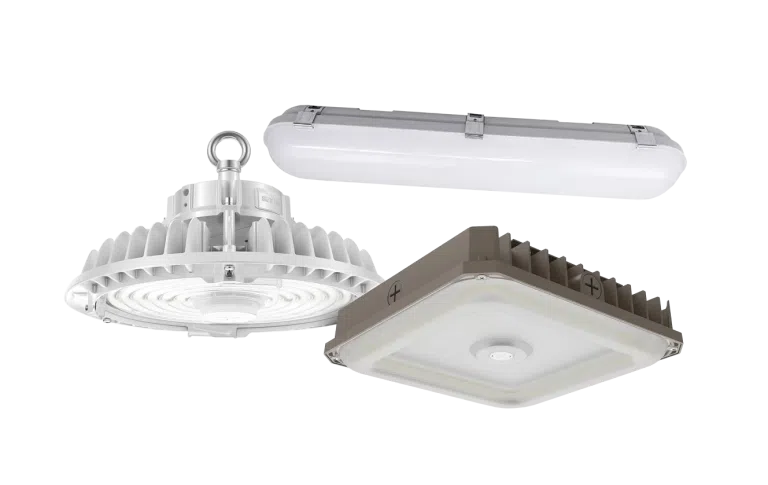

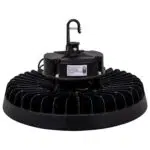
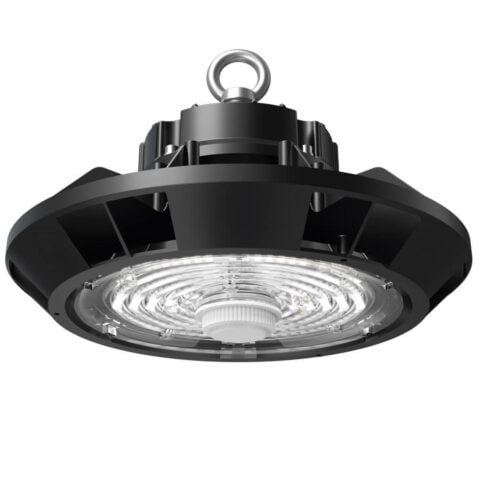
Our LED Horse Barn and Stable Lighting includes high bay, low bay, vapor tight, barn, and linear fixtures for equine facilities. Available models include 4000K and 5000K color temperatures, with dimming, motion sensor, timer, and switching zone options depending on the fixture.
These fixtures are commonly used in horse barns, stalls, stable aisles, tack rooms, grooming areas, feed rooms, wash bays, storage spaces, barn work areas, entrances, and walkways.



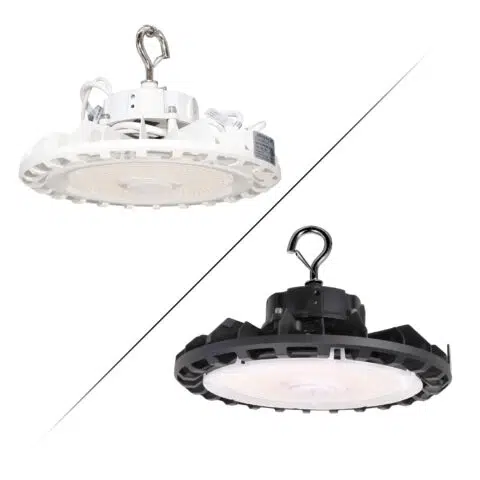



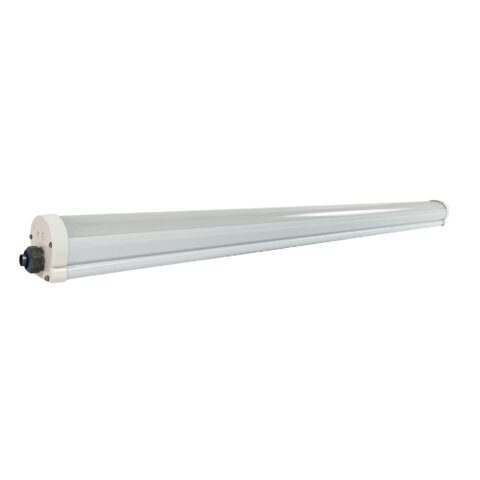

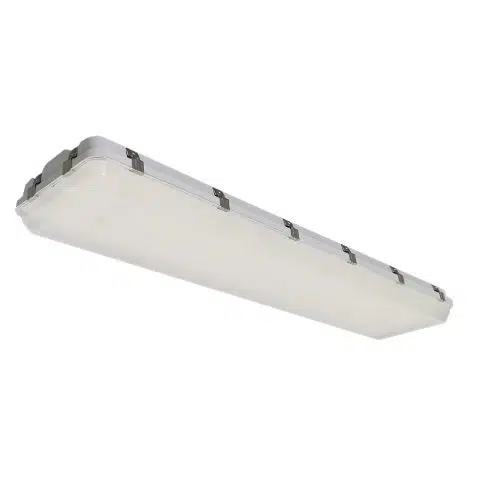

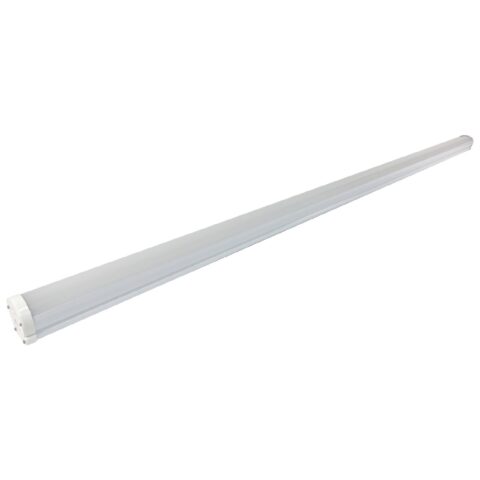

LED Horse Stable Lighting for Barns, Stalls, Wash Bays, and Tack Areas
LED horse stable lighting is used in horse barns, stalls, aisles, tack rooms, grooming areas, feed rooms, wash bays, storage spaces, and general barn work areas. These environments need reliable light for daily care, cleaning, feeding, grooming, veterinary checks, farrier work, and safe movement for both horses and handlers.
Start by matching the fixture type to the ceiling height and stable area, then confirm suitability for moisture, dust, fixture location, and potential impact exposure. Plan for even light with limited glare and shadows, then review color quality, controls, voltage, and the work performed in each area. Aisles, stalls, wash bays, tack rooms, and feed areas do not always need the same fixture type or light level.
Selection and Installation Note: Product specifications, wattage, lumen output, optics, color temperature, voltage, dimming, controls, mounting method, certifications, wet-location rating, IP rating, impact resistance, and warranty coverage vary by model. Confirm the selected product specification before ordering. For horse barns, stables, wash bays, damp areas, dusty areas, electrical upgrades, or animal-care spaces, verify requirements with your local inspector, facility team, project specifier, or a licensed electrical professional.
Are LED Lights Suitable for Horse Stables?
LED lights can be a strong fit for horse stables when the fixtures are properly selected for the environment. Compared with older metal halide, fluorescent, or incandescent lighting, LED fixtures can provide instant-on operation, lower energy use, reduced lamp maintenance, and consistent light output over their rated service life.
For equine facilities, fixture selection should consider more than brightness. Horses, handlers, and staff benefit from even light, reduced glare, fewer dark corners, and dependable fixture construction. Areas with moisture, dust, bedding, hay, wash-down exposure, or animal activity may require more durable fixtures than a standard indoor light.
Recommended Foot-Candles for Horse Stable Lighting
Horse stable light levels vary by barn layout, ceiling height, fixture spacing, moisture exposure, dust, animal contact risk, and the type of work being performed. The ranges below are general planning values for stalls, aisles, wash bays, tack rooms, feed rooms, and close-task areas. Confirm fixture suitability, environmental rating, and final product specifications before ordering.

Best LED Fixtures for Horse Barns and Stables
The best fixture type depends on ceiling height, barn layout, moisture exposure, dust, and where the fixture will be installed. Many horse barns use a combination of low bay lights, high bay lights, vapor tight fixtures, and exterior barn lights.
| Fixture Type | Where It Fits Best |
|---|---|
| LED high bay lights | Useful in taller barns, open stable aisles, storage areas, and equine buildings with higher ceilings. Confirm mounting height, beam angle, glare, and fixture protection before ordering. |
| LED low bay lights | A good fit for lower barn ceilings, aisle lighting, small stable areas, tack areas, and general work zones where high bays may be too intense. |
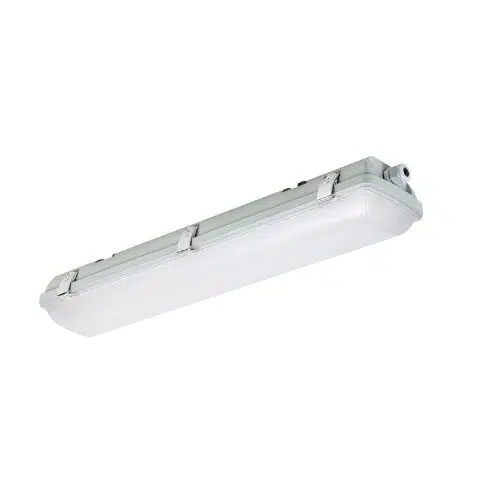
| LED vapor tight lights | Useful in wash bays, damp areas, dusty barns, grooming areas, utility areas, and spaces where sealed fixtures are preferred. Verify the exact wet-location or IP rating for the expected exposure. |
| LED barn lights | Often used for exterior doors, barn entrances, service areas, walkways, and general outdoor visibility around the stable. |
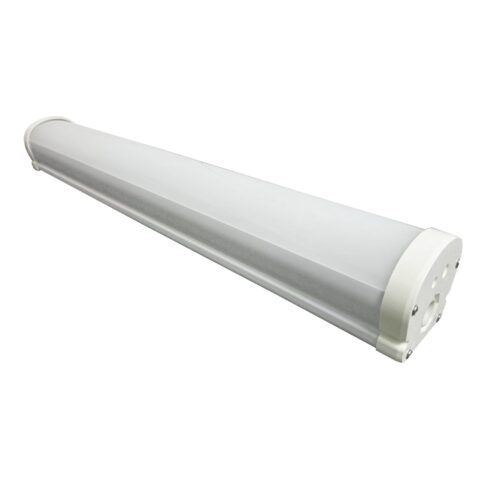
| LED strip or linear fixtures | Can work well in tack rooms, feed rooms, storage rooms, and lower-ceiling utility spaces where broad, even light is needed. |
How to Choose LED Horse Stable Lighting
Stable lighting should support the way the barn is actually used. A small private stable, training barn, boarding facility, veterinary barn, and show facility may all need different fixture types and light levels.
| Selection Factor | What to Confirm |
|---|---|
| Ceiling height | Use ceiling height to choose between high bay, low bay, linear, or vapor tight fixtures. Taller barns may need more output or narrower optics, while lower ceilings may need wider, lower-glare fixtures. |
| Stable area | Stalls, aisles, tack rooms, feed rooms, wash bays, grooming areas, and storage spaces may require different light levels and fixture types. |
| Moisture and dust | Horse barns often contain dust, bedding, hay, humidity, and wash areas. Confirm wet-location ratings, IP ratings, sealed housings, and cleaning exposure by model. IP ratings address solid-particle and water-ingress protection; they do not by themselves establish chemical, corrosion, or wash-chemical resistance. |
| Glare and shadows | Place fixtures to reduce harsh glare and deep shadows in stalls, aisles, wash bays, and grooming areas. Overly bright fixtures in low ceilings can create uncomfortable contrast for animals and handlers. |
| Color temperature | 4000K and 5000K are common choices for stable lighting. CCT describes the apparent warm or cool appearance of white light: 4000K is generally more neutral, while 5000K appears cooler. Task visibility depends on delivered illuminance, distribution, glare control, and color rendering, not CCT alone. Confirm available CCT by model. |
| Color rendering | Higher CRI can help staff distinguish coat condition, injuries, labels, supplies, and task details. Confirm CRI on the selected product specification. |
| Controls | Motion sensors, dimming, switching zones, and timers may be useful in aisles, storage rooms, feed rooms, and utility spaces. Confirm sensor suitability, driver compatibility, and whether controls are appropriate around animals. |
| Fixture protection | Review fixture placement, lens material, guards, impact exposure, animal contact, equipment contact, and mounting location before ordering. |
| Voltage | Confirm available electrical service before ordering. Many commercial fixtures are available in 120-277V, but compatibility varies by model. |
Stable Lighting by Area
A well-lit barn usually uses different fixture strategies by area. The goal is not simply to make the entire barn as bright as possible. The goal is to provide the right level of light where staff, horses, and equipment need it.
- Stalls: Use comfortable, even light that supports daily care without excessive glare into the horse’s eyes.
- Aisles: Provide enough light for movement, cleaning, leading horses, equipment handling, and general barn work.
- Wash bays: Use appropriately rated fixtures and enough light for grooming, washing, hoof care, and cleaning tasks.
- Tack rooms: Use clear, even light for labels, equipment, saddle racks, storage, and daily organization.
- Feed rooms: Provide enough task lighting for reading labels, measuring feed, and checking supplies.
- Exterior barn areas: Use outdoor-rated fixtures for entrances, walkways, service doors, paddock access, and general nighttime visibility.
Why Upgrade Horse Stable Lighting to LED?
- Lower operating energy: LED systems can use less energy than many older lighting systems when comparable light levels are achieved. Actual savings depend on the existing equipment, replacement wattage, operating hours, controls, and utility rates.
- Fewer routine lamp changes: Integrated LED fixtures generally eliminate routine lamp and ballast replacement associated with many fluorescent and HID systems. Drivers and other fixture components may still require service over time.
- Fast start-up: LED fixtures typically provide light immediately after switching on, which can be useful for early-morning, evening, and intermittent barn activity.
- Potential controls savings: Compatible occupancy sensors, timers, dimming, and switching zones can reduce unnecessary operating time in areas that are not continuously occupied.
- More consistent maintenance planning: Reviewing rated life, warranty terms, driver design, replacement availability, and access requirements can help facilities plan maintenance around scheduled inspections rather than frequent lamp replacement.
- Upgrade flexibility: LED fixtures are available in high-bay, low-bay, linear, vapor-tight, and exterior form factors, allowing a project to replace different legacy fixture types with products suited to each space.

Horse Stable Lighting Installation and Maintenance Considerations
- Plan fixture locations around animal and equipment movement: Locate fixtures and mounting hardware where horses, handlers, gates, machinery, ladders, and stored equipment are less likely to contact them.
- Match the fixture rating to the actual exposure: A damp or wash-down area may need a wet-location-rated fixture, while dusty or enclosed areas may benefit from a sealed design. Confirm the rating based on expected water exposure, cleaning method, dust, and ambient conditions.
- Use fixture-specific photometrics for layout: Mounting height, spacing, optics, and surface reflectance affect delivered foot-candles and uniformity. A lighting plan using the selected fixture's IES data is more reliable than a fixed spacing rule.
- Keep controls practical for daily barn operations: Place switches and controls where staff can access them safely, and consider whether occupancy sensors, timers, or dimming settings could startle animals or interfere with routine care.
- Allow access for cleaning and service: Dust, cobwebs, and residue can reduce light output over time. Select mounting locations that allow safe inspection and cleaning according to the fixture manufacturer's instructions.
- Review electrical work with qualified professionals: Fixture mounting, branch circuits, wiring methods, grounding, and protection requirements should be evaluated by a licensed electrical professional and the local authority having jurisdiction.
Horse Stable Lighting Certifications and Warranty Support
Available LED horse stable lighting models may carry a safety certification from a Nationally Recognized Testing Laboratory, such as UL Solutions, Intertek/ETL, or CSA Group, depending on the product. Some models may also be DLC or DLC Premium listed, which can support utility rebate eligibility where available. DLC qualification is a performance and efficiency program, not an electrical safety certification. Rebate requirements vary by utility, region, project, and product listing, so confirm eligibility for the selected product before ordering.
Warranty terms vary by fixture and manufacturer; selected models may include a 5-year warranty. Before purchase, review the selected product specification and warranty documentation to confirm certifications, DLC status, voltage, controls compatibility, mounting method, environmental rating, and suitability for the barn layout and conditions.
Contact us about LED horse stable lighting, and our Product Specialists can help review barn type, ceiling height, stable areas, fixture type, moisture exposure, dust exposure, controls, voltage, and product specifications.
LED Horse Barn and Stable Lighting FAQs
How Should I Choose Lighting For Different Areas Of A Horse Stable?
Choose fixture type and light level based on the stable area and the work performed there. Stalls, aisles, tack rooms, feed rooms, wash bays, grooming areas, storage spaces, and exterior entrances may require different fixture approaches.
What Fixture Types Are Used In Horse Barns And Stables?
Horse barns may use a combination of LED high bays, low bays, vapor tight fixtures, barn lights, and strip or linear fixtures. The appropriate fixture type depends on ceiling height, barn layout, moisture exposure, dust, and installation location.
How Does Ceiling Height Affect Horse Stable Lighting Selection?
Ceiling height helps determine whether high bay, low bay, linear, or vapor tight fixtures should be used. Taller barns may need more output or narrower optics, while lower ceilings may need wider, lower-glare fixtures.
What Should Be Considered When Lighting Horse Wash Bays?
Wash bays should use moisture-rated fixtures and enough light for grooming, washing, hoof care, and cleaning tasks. Review moisture, spray, cleaning exposure, and fixture rating before selecting a product.
How Can A Horse Barn Avoid Glare And Dark Corners?
Fixture placement and distribution should reduce harsh glare, deep shadows, and uneven lighting in stalls, aisles, wash bays, and grooming areas. Overly bright fixtures at low mounting heights can create uncomfortable contrast for animals and handlers.
Are Controls Available For LED Horse Stable Lighting?
Some LED horse stable lighting models may support dimming, motion sensors, timers, or switching zones, depending on fixture and driver selection. Confirm sensor suitability, driver compatibility, and whether controls are appropriate around animals.
What Product Details Should Be Confirmed Before Ordering Horse Stable Lights?
Confirm the selected fixture's specifications for wattage, lumen output, optics, color temperature, voltage, dimming, controls, mounting method, certifications, wet-location rating, IP rating, impact resistance, and warranty coverage. These details vary by model.
What Are The Main Benefits Of LED Lighting In Horse Stables?
Properly selected LED lighting can improve visibility for feeding, grooming, cleaning, equipment handling, veterinary checks, and general barn work. Compared with older metal halide, fluorescent, or incandescent lighting, LED fixtures can provide instant-on operation, lower energy use, reduced lamp maintenance, and more consistent light quality.
