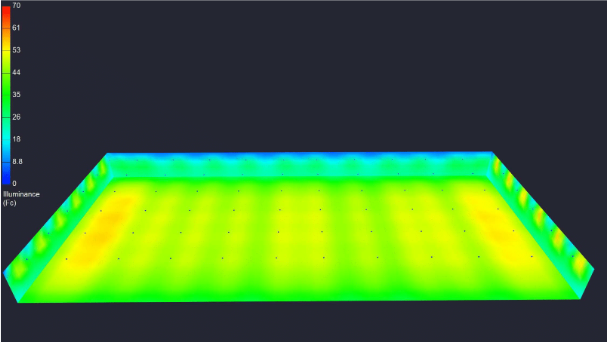
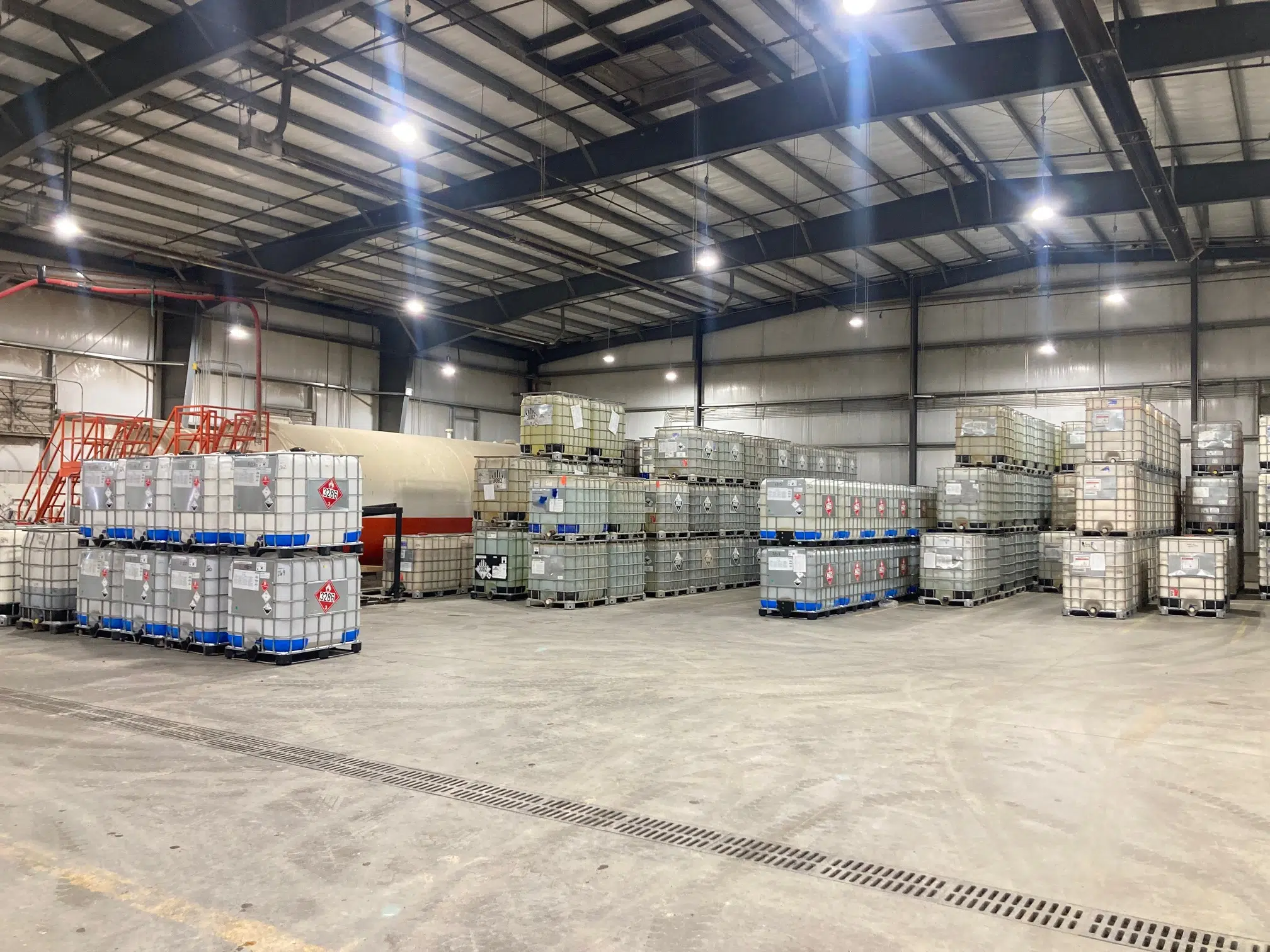
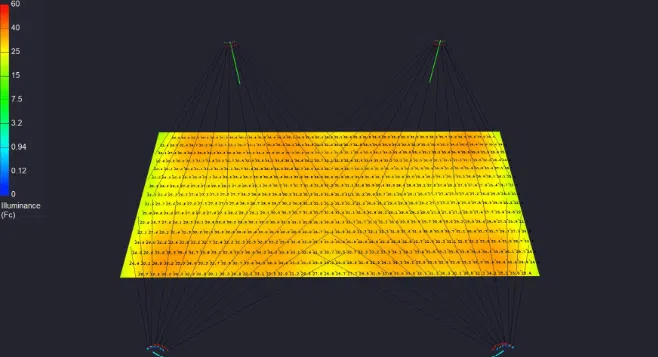
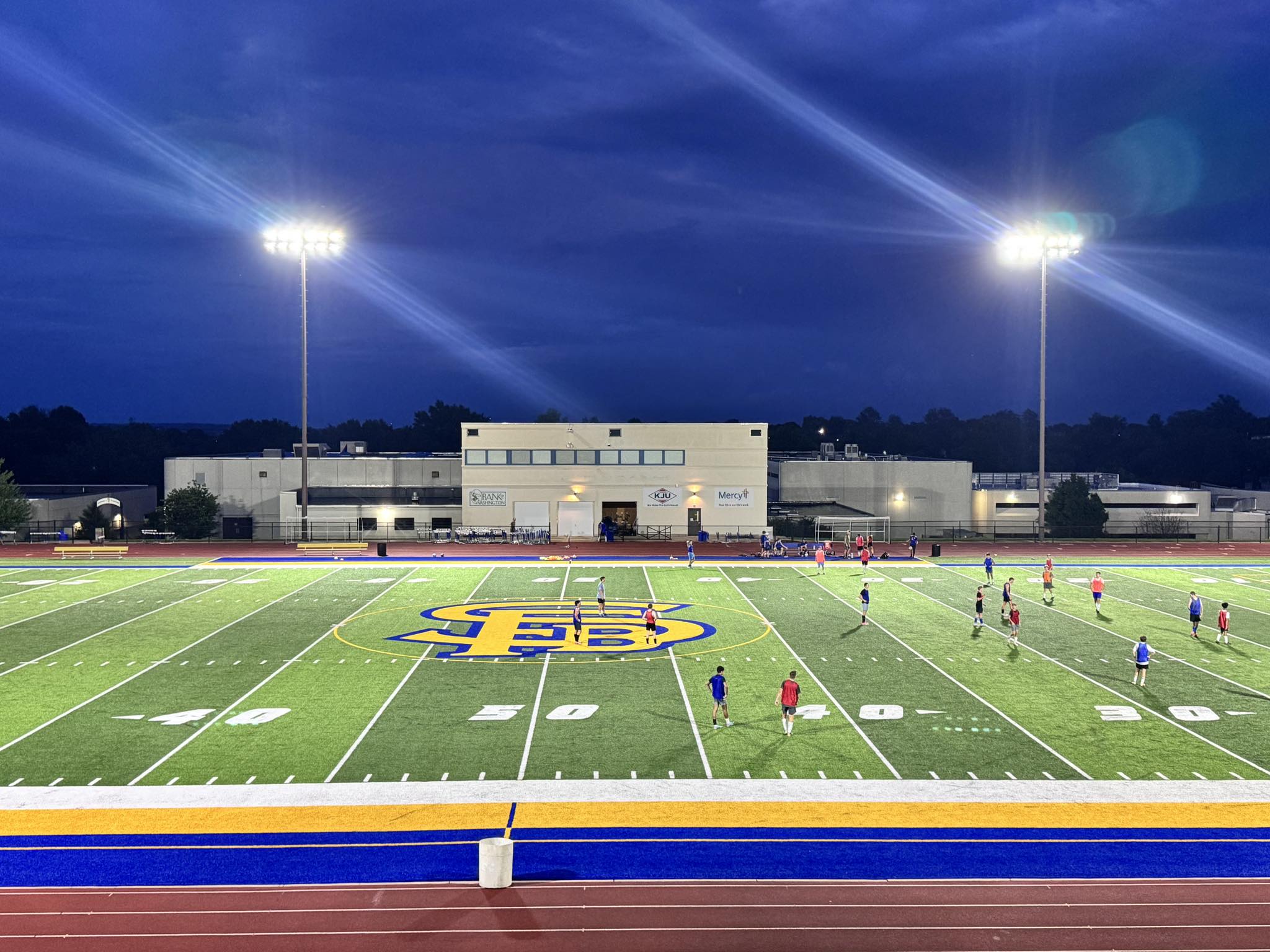
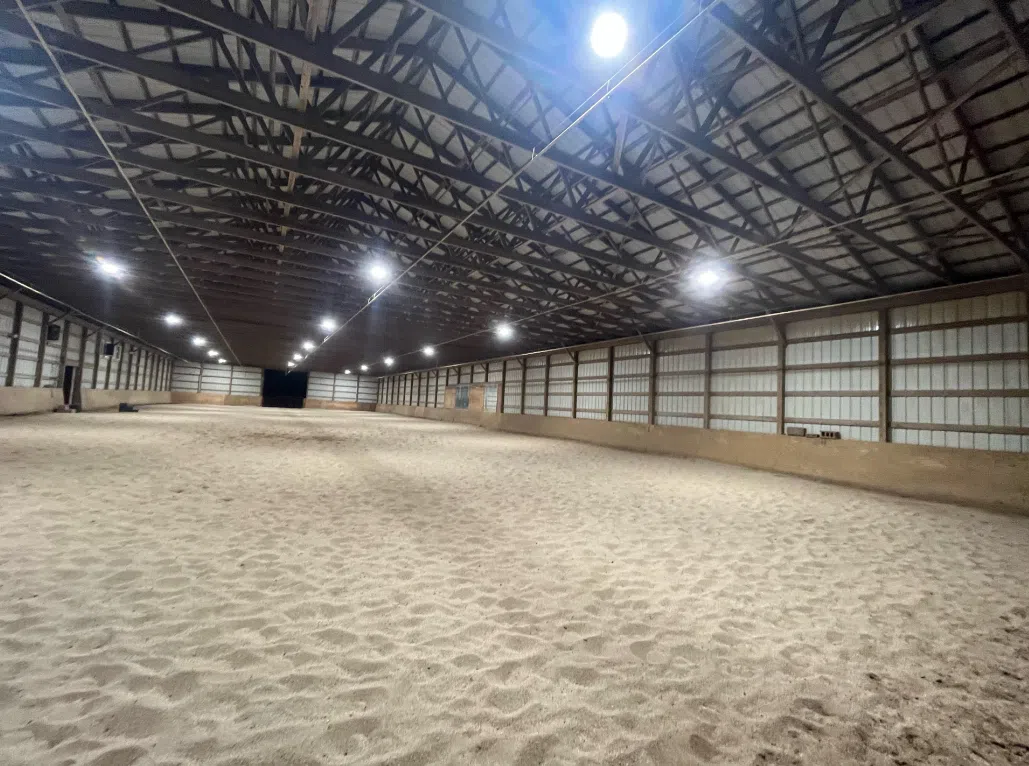
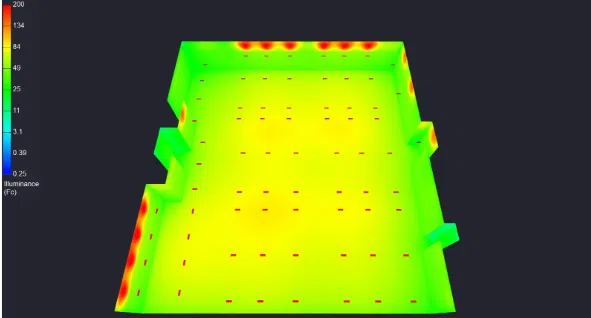
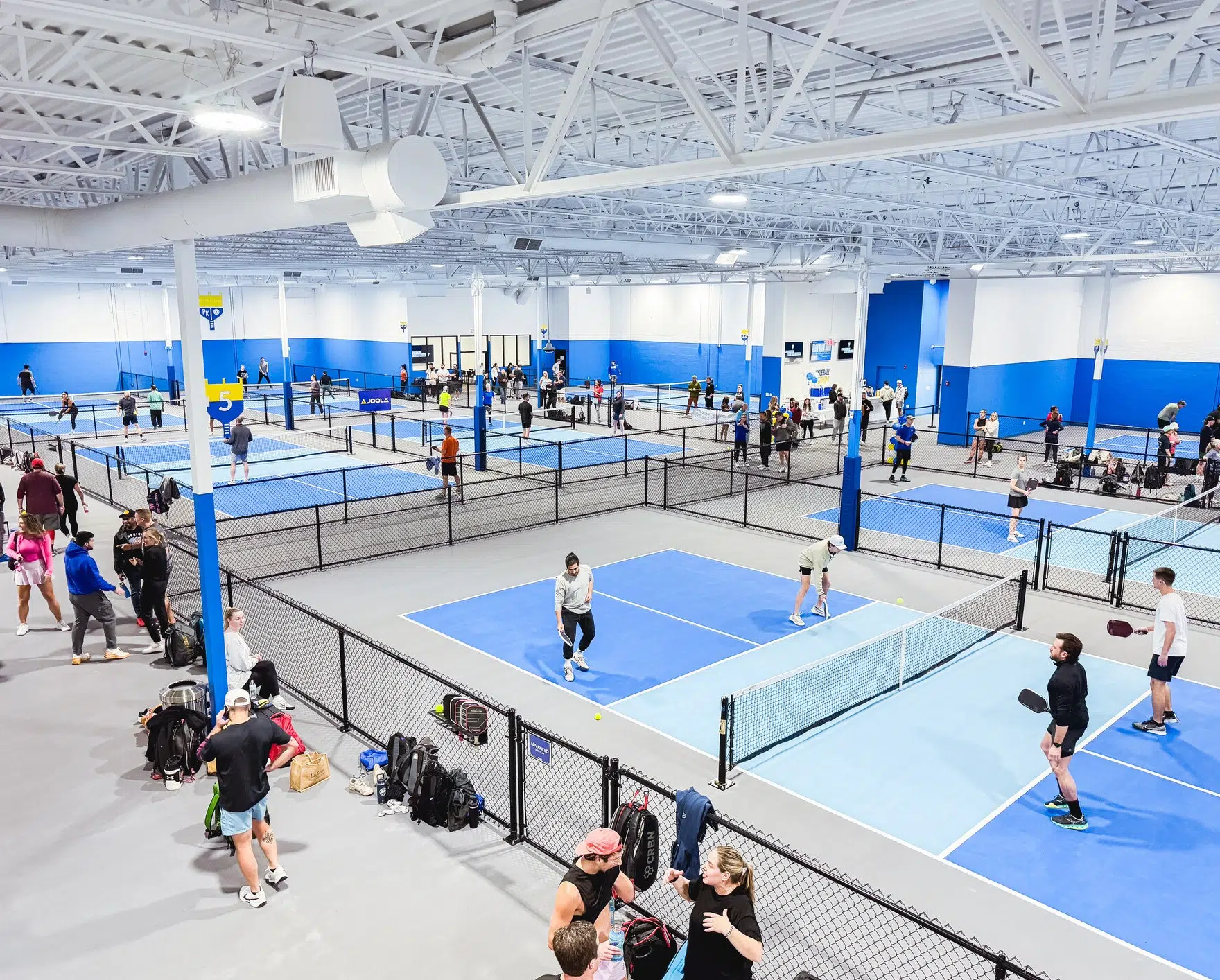
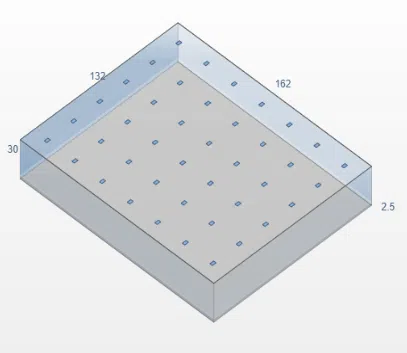
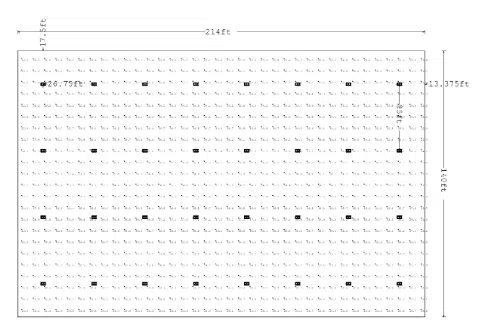
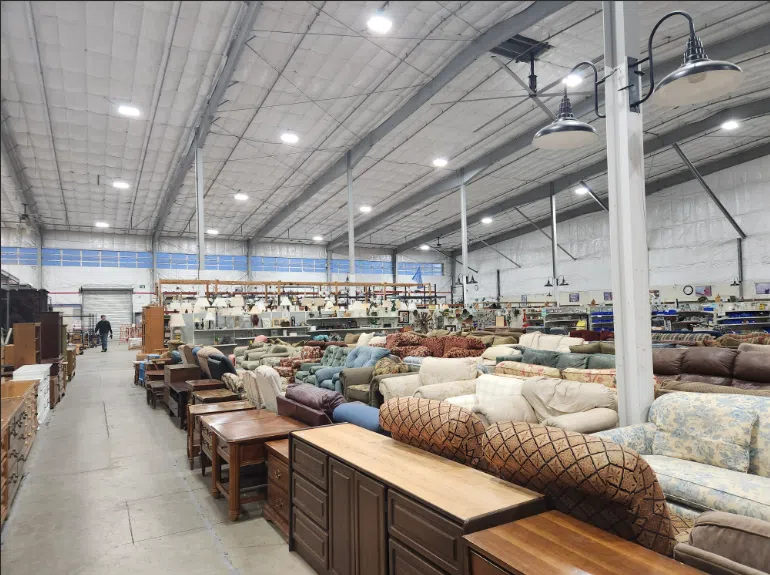
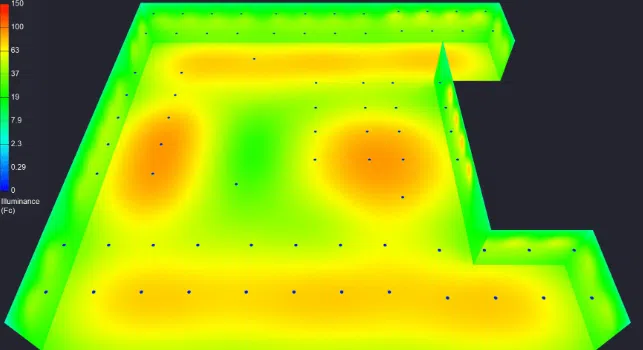
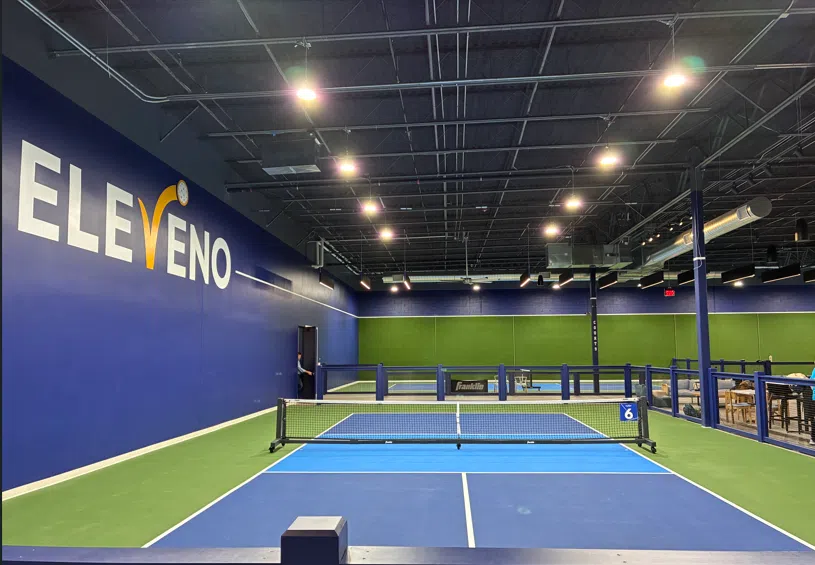
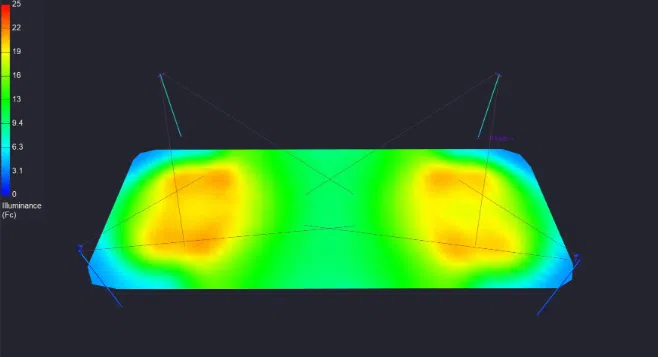
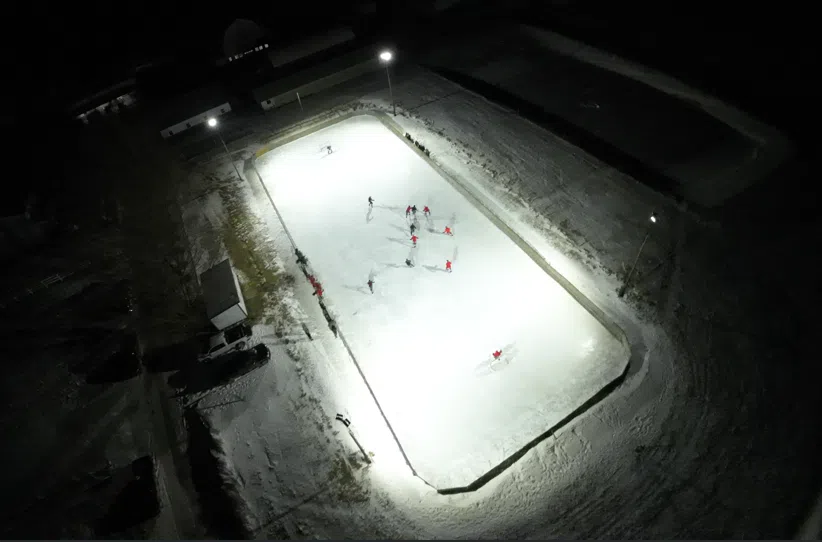
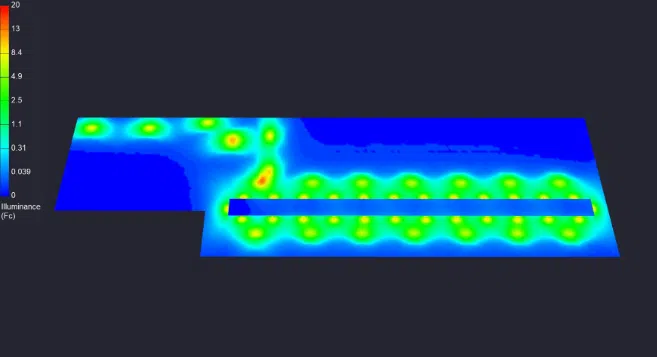
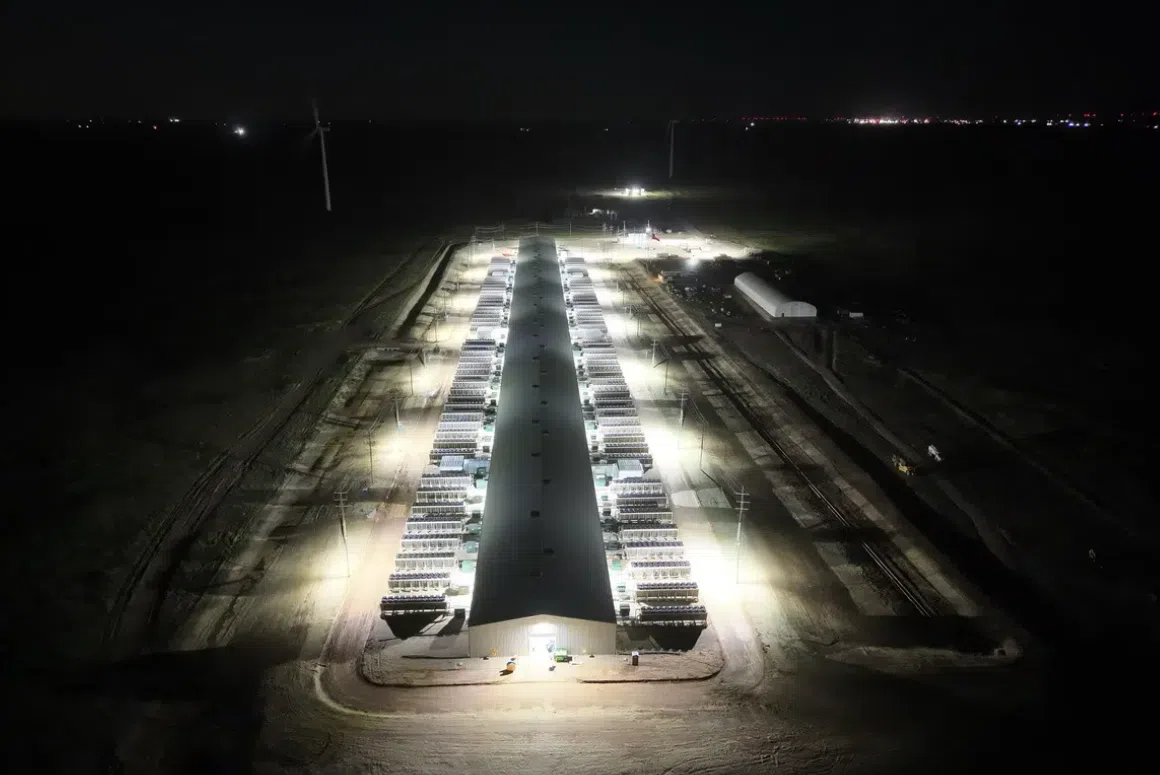
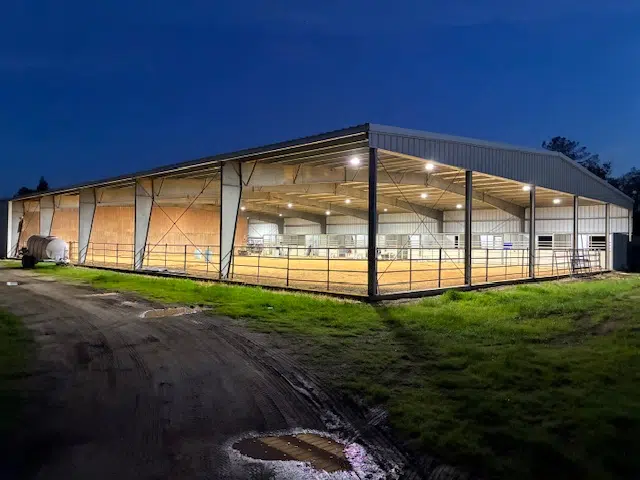
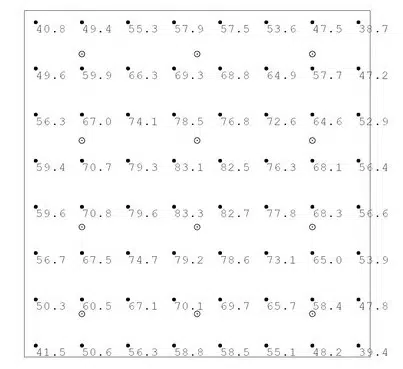
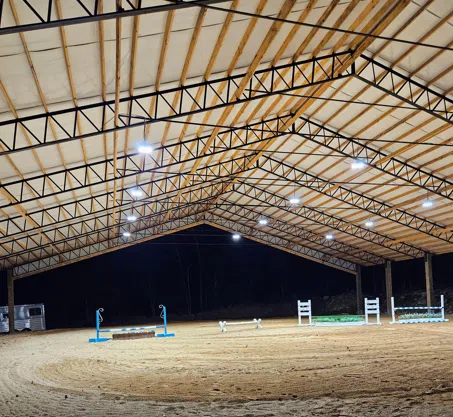
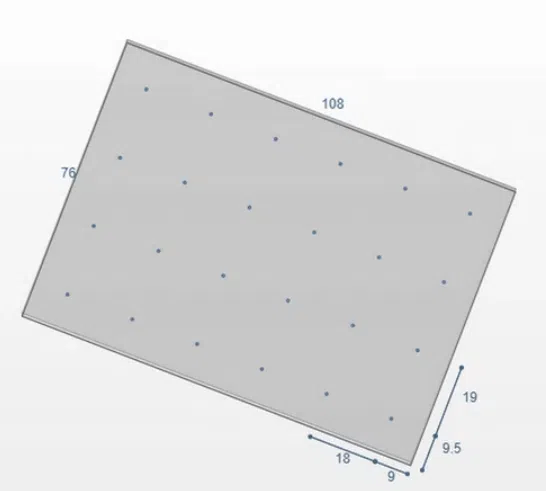
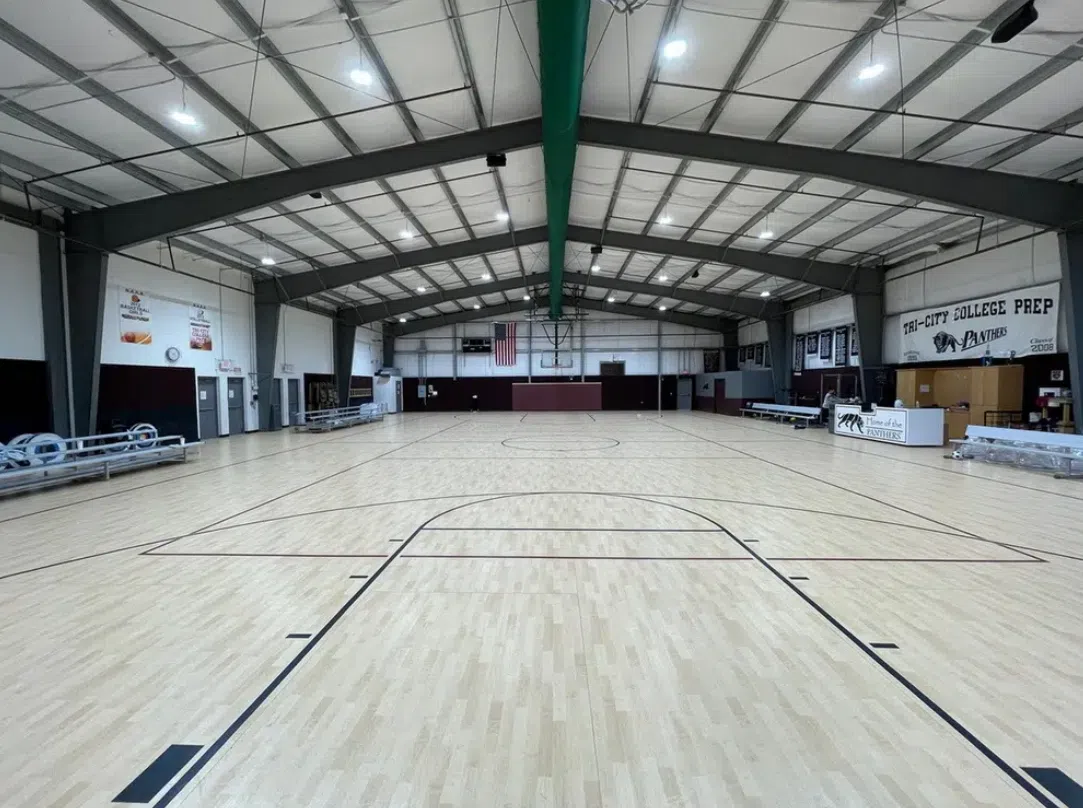
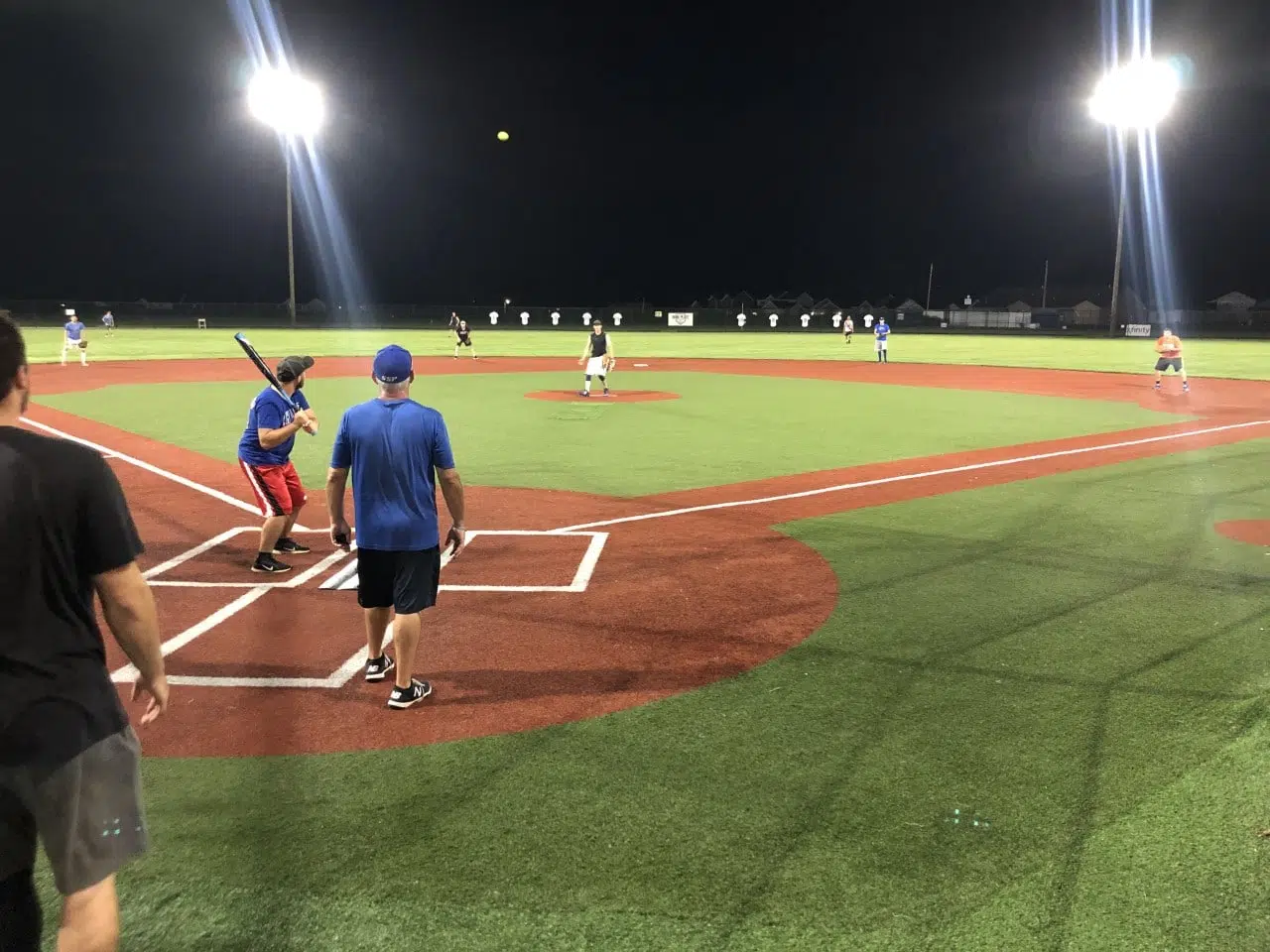
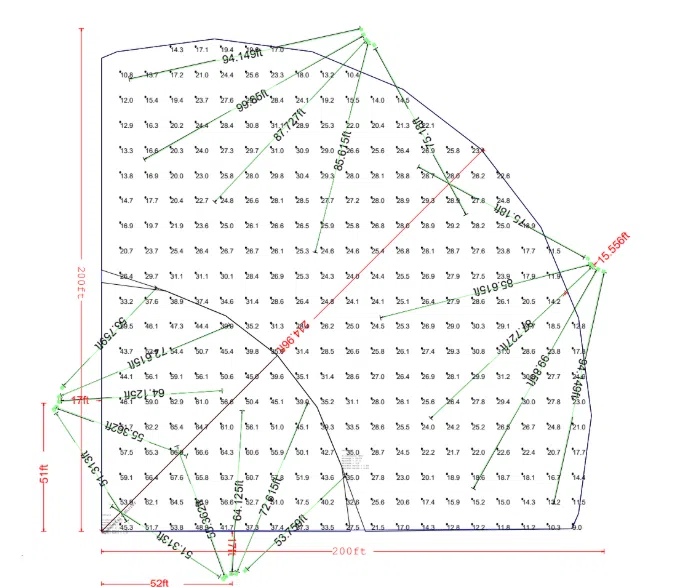
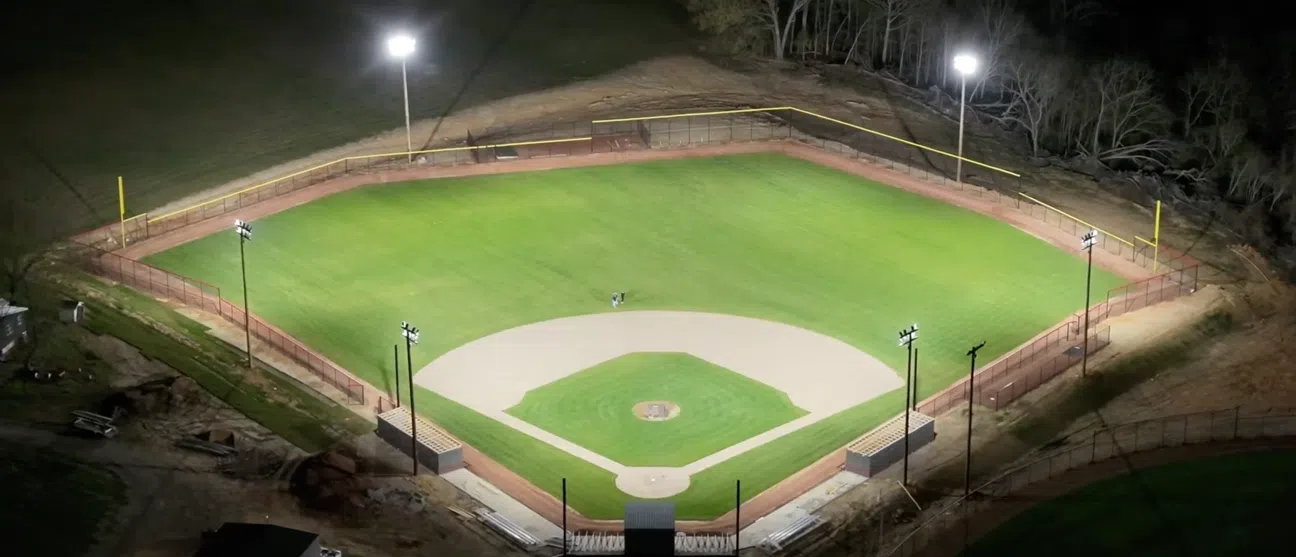
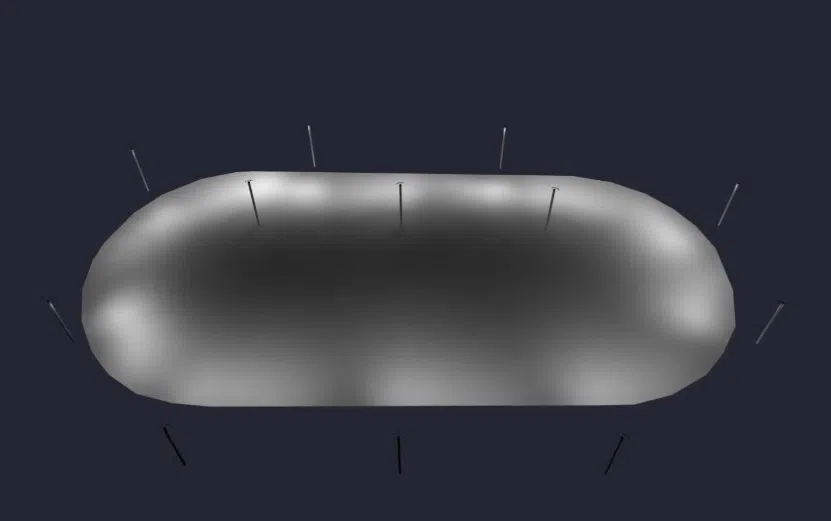
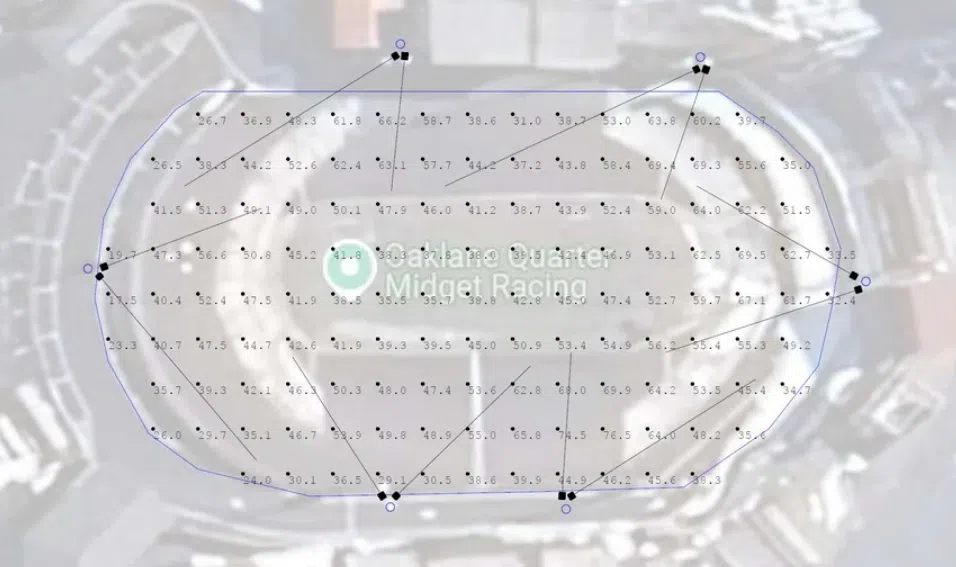
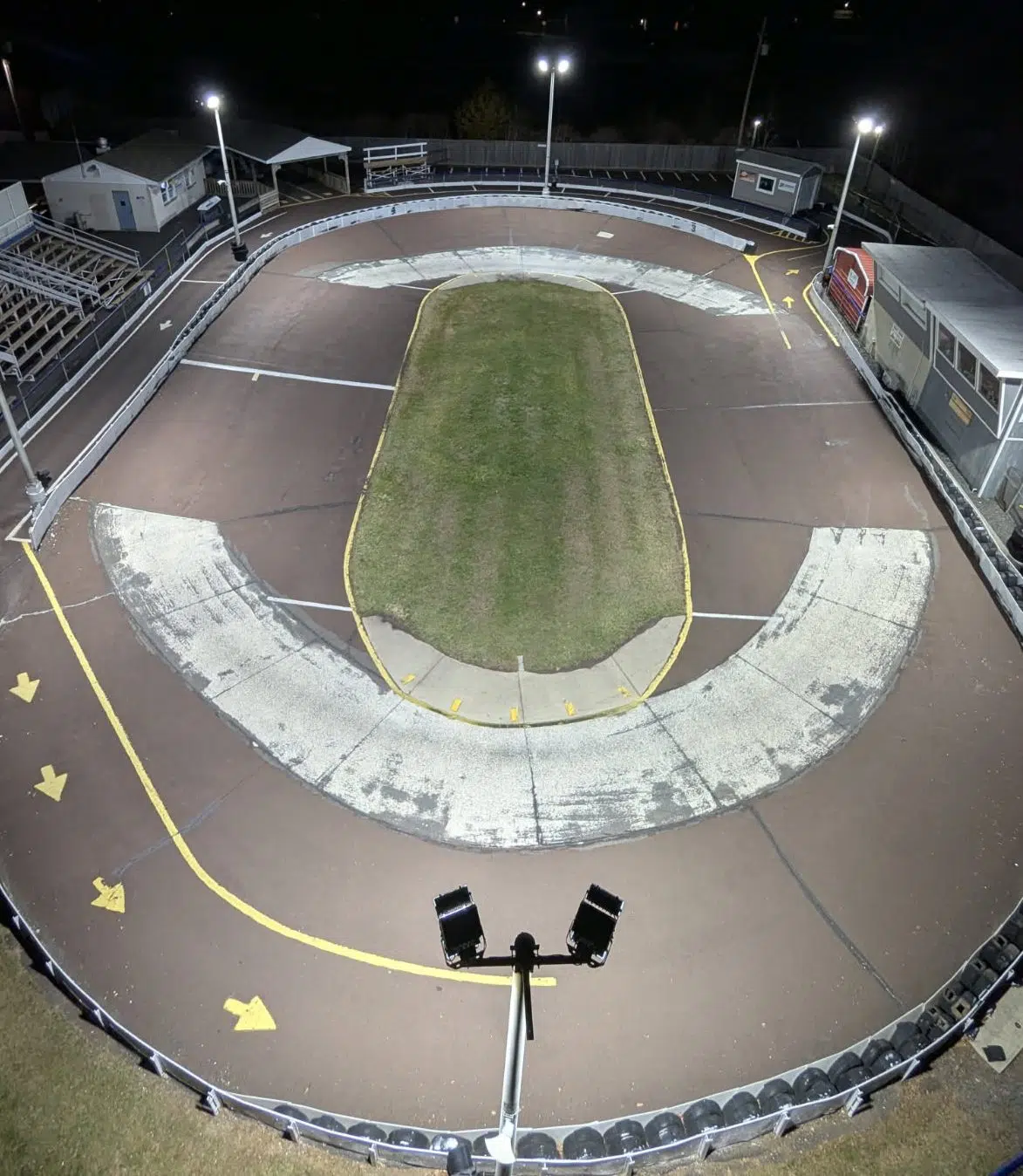
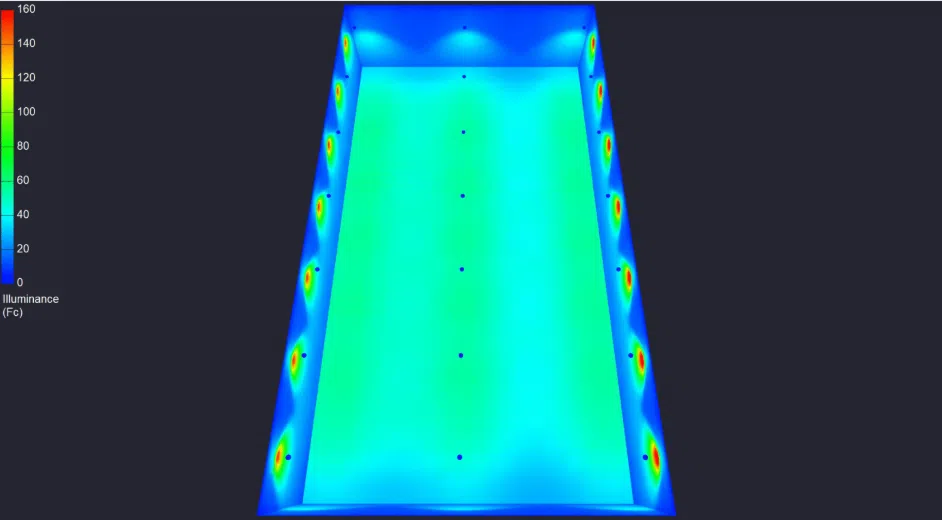
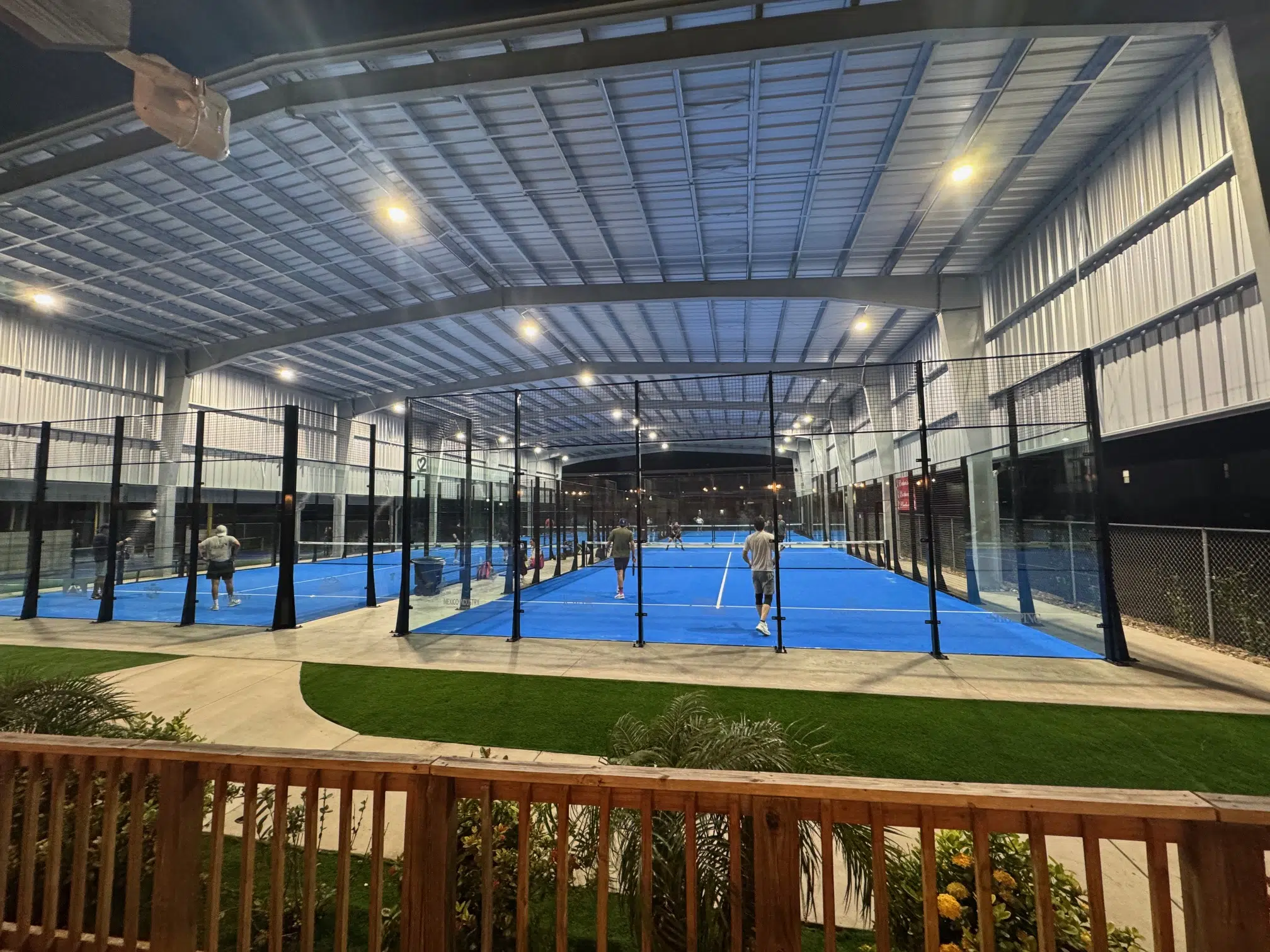
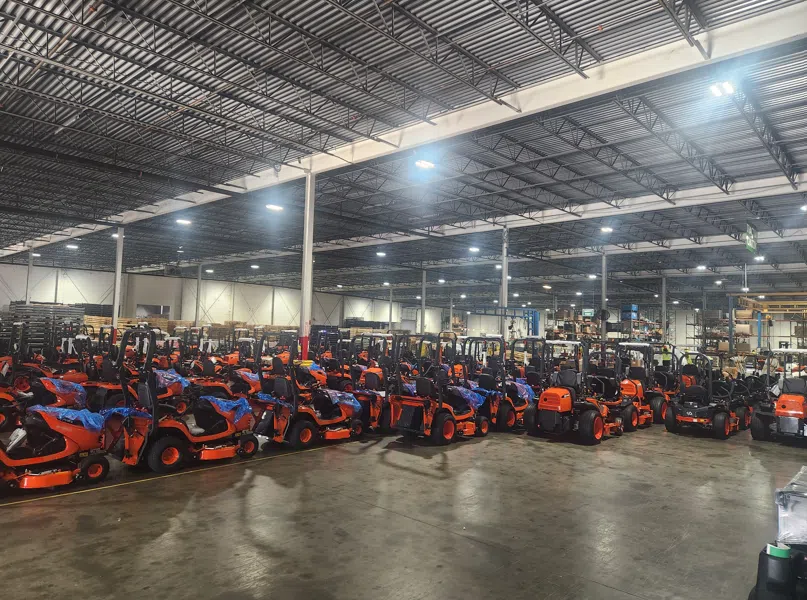
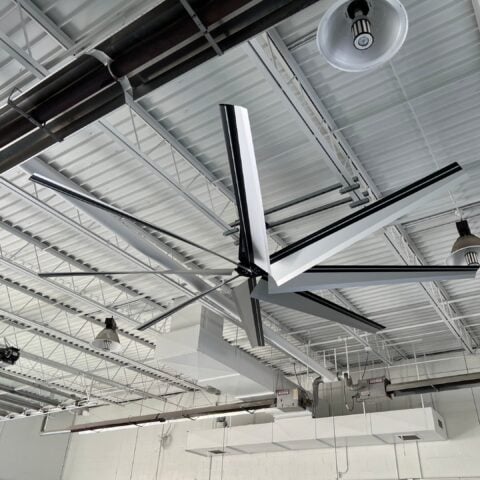
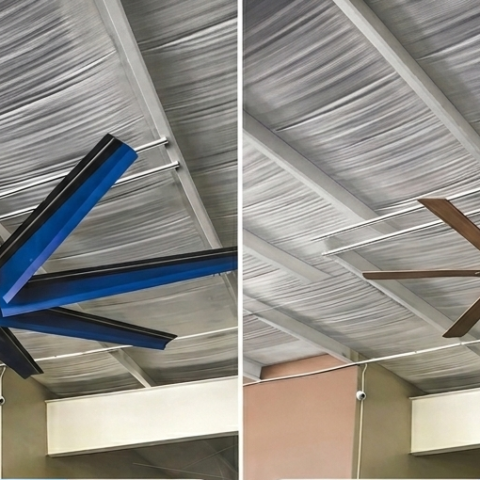
If you’ve ever tried to specify lighting for a commercial, industrial, or sports project, you’ve likely referenced foot-candle recommendations. Knowing that a warehouse may be designed for 20 to 30 foot-candles or that a parking lot may use lower illuminance levels does not mean much without a visual reference to anchor those numbers. That’s exactly what this guide is for. We’ve pulled together real project photos from a range of commercial and industrial applications we have supported at LED Lighting Supply. Each example includes the average illuminance shown in its lighting plan, allowing you to compare different design light levels in context. Photos are useful visual references, but their apparent brightness can vary with camera exposure, display settings, and surrounding conditions.
Recommended foot-candle values vary based on facility policies, project tasks, mounting height, glare limits, uniformity goals, reflectances, and maintenance factors. Foot-candle targets help guide fixture selection and placement, but lumens alone do not determine light levels at the work surface. Fixture optics, mounting geometry, and the specific layout determine where light is delivered. A professional photometric analysis using fixture-specific IES data can evaluate average illuminance, uniformity, and layout performance for the application.