


Architectural Outdoor Lighting
- Options for entrances, pathways, walls, and pedestrian areas
- Fixture styles available in multiple finishes and color temperatures
- Product specialists help match fixtures to application and mounting


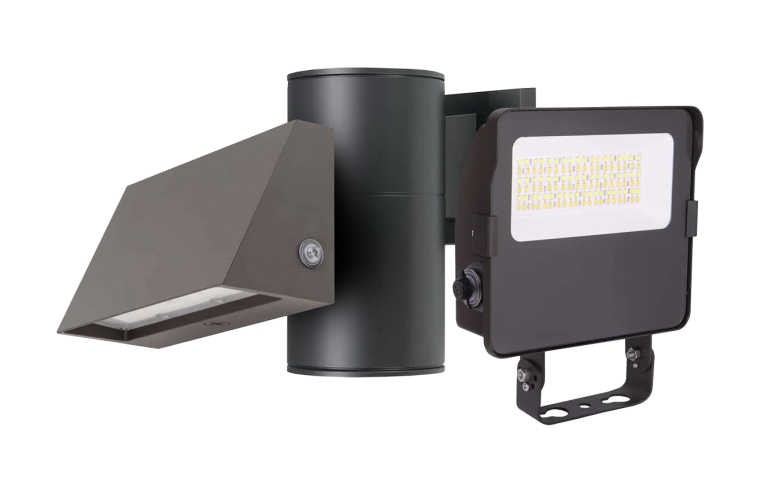

Our Architectural Outdoor LED Lighting includes flood lights, wall sconces, wall packs, post top lights, and bollard lights for commercial exterior spaces. Available fixtures vary by light output, wattage, color temperature, beam distribution, voltage, controls, mounting method, and finish.
These products are used at commercial building entrances, walkways, courtyards, plazas, campuses, patios, exterior corridors, building perimeters, service areas, landscaped paths, and pedestrian areas.
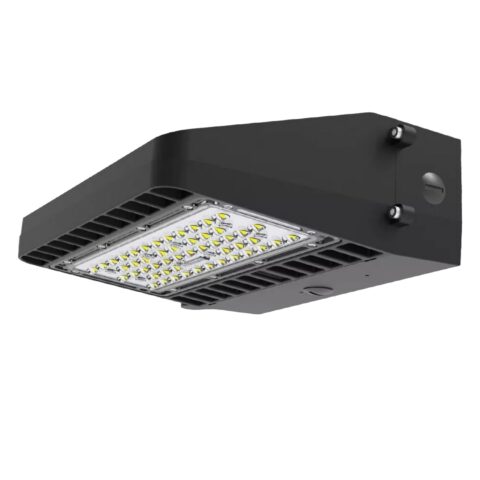


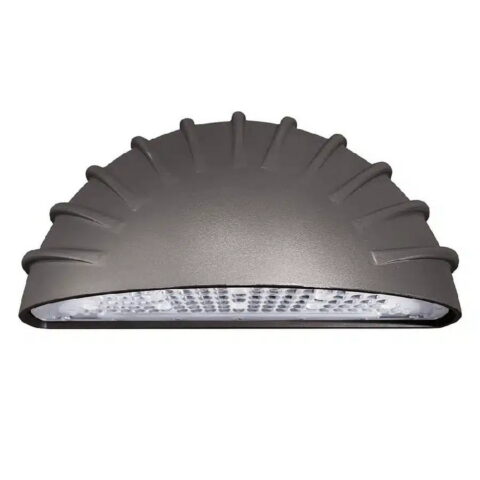

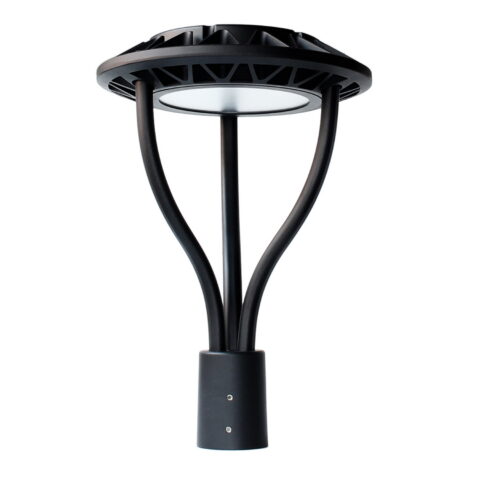
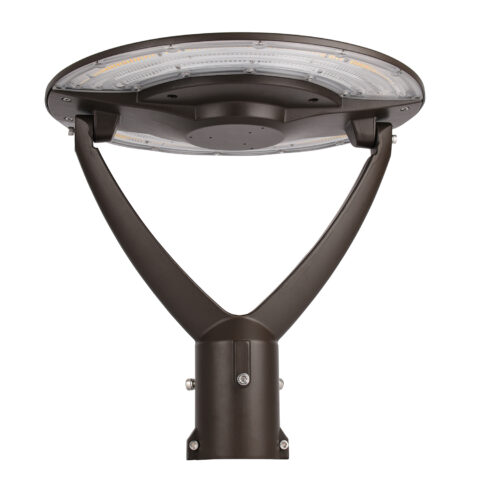
Architectural outdoor lighting combines exterior illumination with fixture styles suited to commercial buildings, walkways, courtyards, entrances, plazas, campuses, and other public-facing spaces. These fixtures are selected not only for light output, but also for appearance, mounting method, glare control, color temperature, and how the lighting fits the surrounding property.
Available options include architectural flood lights, architectural wall sconces, commercial wall pack lights, architectural post top lights, and LED bollard lights. The right fixture depends on whether the goal is entrance lighting, pathway visibility, wall illumination, building accents, pedestrian-area lighting, or general exterior circulation.
On larger properties, coordinating fixture finishes, housing styles, and color temperatures can help entrances, walls, pathways, courtyards, and gathering areas maintain a consistent appearance.
Selection Note: Product lumen output, wattage, color temperature, beam distribution, voltage, controls, mounting method, finish, wet-location rating, IP rating, certifications, and warranty coverage vary by model. Confirm the exact fixture specifications and installation requirements before ordering.
Choosing Architectural Outdoor Lights by Application
Start by matching the fixture type to the area being illuminated, then confirm its mounting method, distribution, appearance, and outdoor suitability for that location.
| Fixture Type | Best Used For |
|---|---|
| Architectural Wall Sconces | Entrances, hospitality areas, apartment common areas, patios, exterior corridors, and walls where fixture appearance contributes to the building design. |
| Commercial Wall Pack Lights | Building perimeters, entrances, service areas, loading areas, walkways, and exterior walls that need dependable functional illumination. |
| Architectural Flood Lights | Signs, monuments, facade details, commercial landscape features, entrances, and other compact accent applications that need adjustable aiming. |
| Commercial Post Top Lights | Plazas, campuses, courtyards, parks, pathways, pedestrian areas, and commercial properties that need decorative pole-mounted lighting on lower poles. |
| LED Bollard Lights | Walkways, building approaches, landscaped paths, courtyards, and pedestrian routes that need low-level illumination. |
What to Review Before Selecting Exterior Architectural Lighting
Architectural fixtures should support both visibility and the appearance of the property. Before selecting a product, review where the light is needed, how the fixture will be mounted, how occupants will see it, and whether the beam may affect windows, roadways, neighboring properties, or nearby pedestrian areas.
| Selection Factor | What to Confirm |
|---|---|
| Lighting purpose | Determine whether the fixture is intended for entrances, pathways, wall lighting, building accents, pedestrian visibility, perimeter lighting, or general exterior illumination. |
| Mounting method | Confirm wall, surface, post, pole, ground, junction-box, or adjustable bracket mounting before ordering. |
| Mounting height and distribution | Review mounting height, beam spread, cutoff, fixture spacing, apparent brightness, and the size and distance of the target area. |
| Glare and spill light | Consider pedestrian sightlines, windows, roadways, neighboring properties, security cameras, and local light-pollution requirements. |
| Color temperature | Choose a color temperature that complements the building materials, surrounding landscape, property use, and nearby lighting. |
| Finish and appearance | Confirm fixture size, housing style, finish color, visible hardware, and how the product relates to the architecture. |
| Outdoor exposure | Verify wet-location suitability, IP rating, corrosion resistance, temperature range, impact exposure, and mounting hardware. |
| Controls and electrical requirements | Confirm voltage and compatibility with photocells, timers, motion sensors, dimming, or building-control systems. |
Wall Sconces Versus Wall Pack Lights
Architectural wall sconces are generally selected when fixture appearance, decorative form, and the way light is presented on the wall are important. They are commonly used at entrances, hospitality areas, patios, apartment common areas, and public-facing exterior spaces.
Commercial wall pack lights are generally selected for functional perimeter, entrance, service-area, walkway, and security-adjacent illumination. The right choice depends on whether the priority is architectural appearance, broader functional coverage, cutoff, mounting height, or light distribution.
Common Architectural Outdoor Lighting Mistakes
- Choosing by appearance alone: The fixture must still provide the correct distribution, output, voltage, mounting method, and outdoor rating.
- Using too much light: Excessive output can create glare, bright spots, light trespass, and an overlit appearance.
- Ignoring fixture scale: A fixture that is too large or too small can look out of place on the building, wall, pole, or pathway.
- Mixing finishes or color temperatures: Inconsistent fixture styles and light colors can make connected exterior areas appear uneven.
- Overlooking environmental exposure: Coastal, wet, corrosive, or high-impact locations may require specific housing, coating, hardware, or IP ratings.
- Failing to plan controls: Photocells, timers, sensors, and dimming should be specified before the fixtures and wiring are finalized.
Need Help Choosing Architectural Outdoor Lighting?
Contact us about architectural outdoor lighting, and our Product Specialists can help review the application, mounting location, fixture type, light distribution, color temperature, voltage, controls, finish, glare concerns, and environmental exposure.
Architectural Outdoor Lighting FAQs
How Do I Choose The Right Architectural Outdoor Fixture Type?
Choose the fixture type based on the lighting goal and location. Wall sconces are used where fixture appearance contributes to building design, wall packs provide functional illumination for perimeters and service areas, flood lights suit compact accent applications needing adjustable aiming, post top lights serve decorative lower-pole lighting, and bollards provide low-level illumination for pedestrian routes.
When Should I Choose Wall Sconces Instead Of Wall Pack Lights?
Choose architectural wall sconces when decorative form, fixture appearance, and the presentation of light on the wall are important. Choose commercial wall pack lights when the priority is functional perimeter, entrance, service-area, walkway, or security-adjacent illumination.
What Should I Review To Limit Glare And Spill Light?
Review mounting height, beam spread, cutoff, fixture spacing, apparent brightness, and the size and distance of the target area. Also consider pedestrian sightlines, windows, roadways, neighboring properties, security cameras, and local light-pollution requirements.
How Can Exterior Lighting Maintain A Consistent Property Appearance?
Coordinating fixture finishes, housing styles, and color temperatures can help entrances, walls, pathways, courtyards, and gathering areas maintain a consistent appearance. Confirm fixture size, housing style, finish color, visible hardware, and how the product relates to the architecture.
What Mounting Details Should Be Confirmed Before Ordering?
Confirm whether the fixture requires wall, surface, post, pole, ground, junction-box, or adjustable bracket mounting before ordering. Mounting height and the fixture distribution should also be reviewed for the target area.
What Outdoor Exposure Factors Should Be Verified?
Verify wet-location suitability, IP rating, corrosion resistance, temperature range, impact exposure, and mounting hardware for the installation location. Coastal, wet, corrosive, or high-impact locations may require specific housing, coating, hardware, or IP ratings.
What Controls And Electrical Requirements Should Be Planned?
Confirm voltage and compatibility with photocells, timers, motion sensors, dimming, or building-control systems. Controls should be specified before the fixtures and wiring are finalized.
