Wood and Composite Fiberglass Pilings
- CCA-treated wood and fiberglass options for marine projects
- Multiple length ranges and class options available
- Selection support for dock, pier, and foundation applications



Our Wood Pilings and Fiberglass Pilings include CCA-treated Southern Yellow Pine and fiberglass/composite options for marine and structural projects. Wood pilings are available in 20-25 foot, 30-35 foot, and 40-45 foot length ranges, with Class A, Class B, and Class C options. Available wood treatment retention levels range from 0.6 to 2.5 lbs for different exposure environments.
These pilings are used for docks, piers, marinas, waterfront structures, retaining walls, building foundations, bridges, boardwalks, bulkheads, coastal installations, and industrial waterfront projects.
-
 Starting At $4,165.00
-
 Starting At $1,090.91
 -
Starting At $4,641.00
-
Starting At $1,254.55
-
Starting At $5,355.00
-
Starting At $1,136.36
-
Starting At $1,072.73
-
Starting At $1,027.27
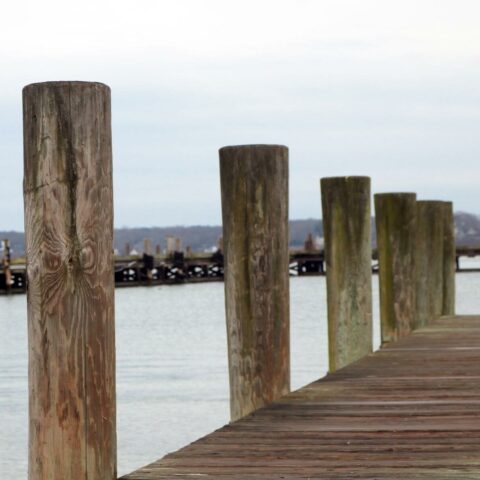




Wood and Fiberglass Pilings for Marine, Dock, Pier, and Foundation Projects
Wood and fiberglass pilings are used to support docks, piers, marinas, waterfront structures, retaining walls, building foundations, bridges, boardwalks, and other projects where loads must be transferred into suitable soil or bearing conditions. The right piling depends on the structure, soil conditions, water exposure, load requirements, treatment level, installation method, and expected service environment.
Start by matching the piling material to the exposure conditions and project design. CCA-treated Southern Yellow Pine wood pilings are a proven and cost-effective choice for many dock, pier, and foundation projects, while fiberglass and composite pilings may be selected where their specific construction provides advantages for saltwater, moisture, corrosion, marine-organism, chemical, or repeated wet/dry exposure.
LED Lighting Supply provides CCA-treated Southern Yellow Pine wood pilings and fiberglass/composite piling options for commercial, marine, and structural applications. Before ordering, confirm the required piling size or class, length, treatment level, embedment depth, structural loads, soil conditions, water exposure, and project requirements with the project engineer, contractor, or authority having jurisdiction.
Available wood piling length ranges include:
Wood Pilings vs. Fiberglass / Composite Pilings
Wood and fiberglass/composite pilings can both be effective when properly specified. The appropriate choice depends on project budget, structural requirements, exposure conditions, design-life expectations, installation method, available product data, and project specifications.
| Piling Type | Selection Considerations |
|---|---|
| CCA-Treated Wood Pilings | Commonly used for docks, piers, foundations, bulkheads, boardwalks, and other projects where treated Southern Yellow Pine is appropriate for the required loads, treatment level, exposure, and project specifications. |
| Fiberglass / Composite Pilings | Available for marine, waterfront, industrial, and other projects where the specific composite piling’s structural properties and resistance to the expected environmental exposure fit the project requirements. |
Piling Applications We Support
Piling selection should start with the application and engineering requirements. A freshwater dock, saltwater marina, commercial pier, retaining wall, and building foundation may require different piling materials, treatments, dimensions, structural properties, and installation methods.
| Application | Selection Considerations |
|---|---|
| Dock Pilings | Review water exposure, changing water levels, impact, soil conditions, structural loads, treatment requirements, and long-term deterioration risks. Freshwater, brackish-water, and saltwater projects may require different specifications. |
| Marine Pilings | Marine piling selection should account for saltwater or brackish exposure, marine organisms, tidal action, wave and impact loads, treatment requirements, and local marine conditions. |
| Pier Pilings | Review structural loads, pier configuration, water depth, soil conditions, lateral loading, tidal movement, expected traffic, and installation requirements. |
| Foundation Pilings | Foundation pilings transfer structural loads to soil or bearing strata. Selection should be based on structural design, geotechnical information, required capacity, embedment, and applicable project requirements. |
| Bulkheads and Retaining Walls | Review lateral loads, soil movement, water pressure, drainage, embedment, tie-back or anchoring systems where applicable, and long-term stability. |
| Marinas and Waterfront Facilities | Consider water exposure, vessel contact, tidal movement, dock hardware, structural loads, storm conditions, treatment requirements, and maintenance expectations. |
Understanding Wood Piling Classes
Traditional wood-piling class terminology is based primarily on dimensional requirements rather than a direct structural-capacity rating. A larger piling does not by itself establish the allowable load for a particular foundation, dock, pier, or marine structure.
ASTM D25 historically used Class A, Class B, and Class C designations. The original classes represented different minimum piling dimensions and intended applications. ASTM later changed the dimensional classification system, and current or more recent versions of ASTM D25 should not be represented as containing the same three-class A/B/C dimensional table used in early editions.
Class A pilings and Class B pilings remain commonly referenced terminology. Class C pilings may still appear in historical specifications, regional terminology, supplier descriptions, or existing project documents, but Class C dimensions should not be presented as though they are part of the same current ASTM D25 Class A/B reference table.
Piling Class Note: If a project specification calls for Class A, Class B, Class C, a minimum tip diameter, a minimum butt dimension, or another dimensional designation, use the exact edition, project specification, or supplier standard identified by the engineer. Do not substitute one classification system for another without verification.
ASTM D25 Class A and Class B Size Reference
The table below provides the traditional Class A and Class B minimum diameter references for Douglas Fir and Southern Pine that have been retained in ASTM D25 reference information. Diameter values are approximate equivalents of the specified circumferences.
These are dimensional references only. Final pile selection should be based on the applicable ASTM edition, project specification, species, structural design, treatment requirements, and engineer approval.
| Length | Class A Minimum | Class B Minimum |
|---|---|---|
| Under 40 ft | Approximately 14" diameter 3 ft from butt; 9" minimum tip diameter. | Approximately 12" diameter 3 ft from butt; 8" minimum tip diameter. |
| 40 ft to 54 ft | Approximately 14" diameter 3 ft from butt; 9" minimum tip diameter. | Approximately 12" diameter 3 ft from butt; 7" minimum tip diameter. |
| 55 ft to 74 ft | Approximately 14" diameter 3 ft from butt; 8" minimum tip diameter. | Approximately 13" diameter 3 ft from butt; 7" minimum tip diameter. |
| 75 ft to 90 ft | Approximately 14" diameter 3 ft from butt; 7" minimum tip diameter. | Approximately 13" diameter 3 ft from butt; 6" minimum tip diameter. |
| Over 90 ft | Approximately 14" diameter 3 ft from butt; 6" minimum tip diameter. | Approximately 13" diameter 3 ft from butt; 5" minimum tip diameter. |
Important: ASTM dimensional requirements are formally stated using circumference and other specification details. The diameters above are convenient approximate references and should not replace the applicable ASTM standard or project specification when purchasing or accepting structural piles.
What Happened to Class C Wood Pilings?
Class C is historical ASTM terminology and should be treated separately from the current Class A and Class B reference table.
The original ASTM D25 specification used Classes A, B, and C. Historical Class C piles were smaller or lower-grade piles intended for applications such as submerged foundations, cofferdams, falsework, and temporary structures. The three-class dimensional table was replaced in 1970 as ASTM moved toward dimensional tables based on required butt or tip dimensions.
Later ASTM D25 revisions retained references to Class A and Class B and added an 8-inch-tip natural-taper classification that ASTM history describes as a replacement for Class C.
If an older project specifically requires “Class C” piling, use the historical specification or project documents identified by the engineer rather than applying modern Class A/B length bands to Class C.
Historical Class C Reference
The historical information below is provided only to explain older Class C terminology. It should not be represented as the current ASTM D25 dimensional table.
| Historical Length Range | Historical Class C Reference |
|---|---|
| Under 40 ft | Approximately 12" minimum diameter 3 ft from butt; approximately 8" minimum tip diameter. |
| 40 ft to 50 ft | Approximately 12" minimum diameter 3 ft from butt; approximately 6" minimum tip diameter. |
| 55 ft to 70 ft | Approximately 12" minimum diameter 3 ft from butt; approximately 6" minimum tip diameter. |
| 75 ft to 90 ft | Approximately 12" minimum diameter 3 ft from butt; approximately 6" minimum tip diameter. |
| Over 90 ft | Approximately 12" minimum diameter 3 ft from butt; approximately 5" minimum tip diameter. |
Historical Reference Only: The Class C dimensions above reflect older ASTM class terminology. They should not be mixed into the later ASTM Class A/Class B table or used for current structural specification without verification of the project’s required standard or historical ASTM edition.
Wood Piling Treatment Levels by Exposure
Wood piling preservative treatment should match the actual use category, exposure conditions, species, preservative system, and project specification. A piling used in soil has different treatment requirements from one installed in freshwater, brackish water, saltwater, or an area with severe marine-borer exposure.
Do not select CCA retention solely from a simplified freshwater-versus-saltwater chart. Required retention depends on the applicable AWPA use category, preservative, species, commodity, marine exposure, and project requirements.
| Exposure | What to Confirm |
|---|---|
| Ground / Foundation Exposure | Confirm the applicable ground-contact or foundation use category, structural application, preservative, species, and required retention. |
| Freshwater Exposure | Confirm whether the piling is continuously submerged, intermittently wetted, exposed at the waterline, or used in another freshwater condition and select treatment accordingly. |
| Brackish or Saltwater Exposure | Confirm marine use category, geographic exposure, salinity, tidal conditions, and marine-organism risk before selecting treatment. |
| Marine Borer Exposure | Marine-borer hazard varies geographically and can require more severe marine treatment categories. Match treatment to the documented exposure and applicable specification. |
For marine wood pilings, use the applicable project specification and current AWPA requirements rather than assuming a single CCA retention applies universally to all freshwater, coastal, or saltwater projects.
When to Choose Wood Pilings
CCA-treated Southern Yellow Pine wood pilings are commonly selected for docks, piers, foundations, boardwalks, retaining structures, and marine projects where wood is appropriate for the required loads, treatment, exposure, and project design.
| Wood Piling Characteristic | Why It Matters |
|---|---|
| Established material | Wood piling has a long history in marine, foundation, dock, and waterfront construction. |
| Marine applications | Properly specified and treated wood pilings can be used for docks, piers, bulkheads, boardwalks, and other waterfront structures. |
| Treatment options | Preservative systems and treatment levels can be specified for different exposure conditions when matched to the applicable standard and project requirements. |
| Installation familiarity | Many piling contractors have extensive experience handling and installing wood piles. |
When to Choose Fiberglass or Composite Pilings
Fiberglass and composite pilings may be considered for marine, waterfront, industrial, or other demanding environments where their specific structural and environmental characteristics fit the application.
Composite piling is a broad category. Performance depends on the actual resin system, reinforcement, cross-section, manufacturing process, UV protection, structural design, and manufacturer ratings. Do not assume every composite piling has the same resistance to saltwater, marine organisms, chemicals, impact, fire, or long-term loading.
| Composite Piling Characteristic | What to Confirm |
|---|---|
| Marine exposure | Confirm that the specific composite system is suitable for the expected freshwater, brackish-water, saltwater, tidal, and UV exposure. |
| Corrosion and decay characteristics | Composite materials do not corrode or decay in the same way as conventional steel or wood, but environmental suitability still depends on the exact material system. |
| Maintenance | Some composite systems may reduce certain maintenance concerns, but inspection and maintenance requirements should follow the manufacturer and project specification. |
| Marine and chemical exposure | Confirm resin, reinforcement, coating, and manufacturer compatibility with the specific chemical or marine environment. |
| Lifecycle considerations | Compare initial cost, installation, maintenance, expected service environment, replacement requirements, and manufacturer design data for the complete project. |
Installation Factors to Review Before Ordering Pilings
Installation method affects piling performance, cost, project schedule, and long-term stability. Site conditions and engineering requirements should be reviewed before finalizing pile material, dimensions, class terminology, length, treatment, and installation method.
| Factor | What to Review |
|---|---|
| Soil conditions | Sand, clay, rock, soft soil, fill, and layered soils can require different piling lengths, capacities, embedment depths, and installation methods. |
| Geotechnical conditions | Review available soil borings, bearing strata, skin-friction assumptions, groundwater, scour, settlement, and other project-specific geotechnical information. |
| Water table | High water tables, tidal movement, and changing water levels can affect installation, durability, treatment, and structural design. |
| Embedment depth | Piling length should account for required structural embedment rather than only the visible height above grade or waterline. |
| Installation method | Driving, drilling, jetting, or other methods may be appropriate depending on soil type, pile design, access, nearby structures, equipment, environmental restrictions, and project requirements. |
| Structural loads | Vertical, lateral, uplift, impact, wave, current, vessel-contact, soil, and structure loads should be evaluated as applicable before selecting the piling. |
| Exposure conditions | Freshwater, saltwater, brackish water, marine organisms, chemicals, freeze/thaw, UV exposure, storms, and wet/dry cycling can influence material and treatment selection. |
Get Help Selecting Wood or Fiberglass Pilings
LED Lighting Supply can help review piling material options, available dimensions, class terminology, length, treatment options, exposure conditions, quantities, and product specifications before you order.
We support wood pilings, fiberglass/composite pilings, dock pilings, marine pilings, pier pilings, and foundation piling applications. Final structural sizing, geotechnical capacity, embedment, treatment requirements, and project suitability should be established by the project engineer, geotechnical professional, contractor, or authority responsible for the design.
Request a piling quote, and our Product Specialists can help review your required material, dimensions, length, treatment, quantity, delivery needs, and project specifications.
Wood and Composite Fiberglass Pilings FAQs
How Do I Choose Between Wood And Fiberglass Or Composite Pilings?
Choose the piling material based on project budget, structural requirements, exposure conditions, design-life expectations, installation method, available product data, and project specifications. CCA-treated Southern Yellow Pine is commonly selected where wood is appropriate for the required loads, treatment, exposure, and project design, while fiberglass or composite pilings may be considered where their specific structural and environmental characteristics fit the application.
Does A Wood Piling Class Establish Its Allowable Load Capacity?
No. Traditional wood-piling class terminology is based primarily on dimensional requirements, and class or diameter alone does not establish allowable axial, lateral, uplift, or impact capacity.
How Should A Project Specification That Calls For Class C Pilings Be Handled?
A project calling for Class C piling should use the historical specification or project documents identified by the engineer rather than applying modern Class A/B length bands to Class C. Class C is historical terminology and should not be mixed into the later ASTM Class A/Class B reference table.
How Should Wood Piling Treatment Be Selected For Water Or Ground Exposure?
Wood piling treatment should match the actual use category, exposure conditions, species, preservative system, and project specification. Ground contact, freshwater, brackish water, saltwater, and marine-borer conditions can require different treatment specifications.
What Should Determine The Required Piling Length?
Required piling length should account for structural embedment, not only the visible height above grade or waterline. Soil conditions, bearing conditions, structural loads, water exposure, installation method, and project requirements should also be confirmed before ordering.
What Site Conditions Can Affect Piling Selection And Installation?
Soil conditions, geotechnical information, water table conditions, embedment depth, structural loads, exposure conditions, access, nearby structures, equipment, environmental restrictions, and project requirements can affect piling selection and installation method. Driving, drilling, jetting, or other methods may be appropriate depending on those project-specific factors.
What Should Be Verified Before Selecting Fiberglass Or Composite Pilings?
Verify the specific composite piling's resin system, reinforcement, cross-section, manufacturing process, UV protection, structural design, manufacturer ratings, and suitability for the expected environment. Composite performance is construction- and manufacturer-specific, so saltwater, marine-organism, chemical, impact, fire, and long-term loading resistance should not be assumed for every composite piling.
Who Establishes Final Piling Size, Capacity, And Treatment Requirements?
Final structural sizing, geotechnical capacity, embedment, treatment requirements, and project suitability should be established by the project engineer, geotechnical professional, contractor, or authority responsible for the design. Before ordering, confirm the required size or class, length, treatment level, embedment depth, structural loads, soil conditions, water exposure, and project requirements.