


40 to 45 Foot Pilings
- Wood and fiberglass options for marine and structural applications
- CCA-treated wood or composite options for harsh environments
- Selection support available for length, material, and project needs



Our 40-45 Foot Wood and Fiberglass Pilings include CCA-treated Southern Yellow Pine wood and composite fiberglass options for marine, structural, and commercial projects. Available products vary by material and are offered in 40 to 45 foot lengths for installations requiring longer total piling length.
These pilings are used for commercial docks, piers, marinas, waterfront walkways, boardwalks, bulkheads, retaining structures, marine construction, and foundation support.
-
 Starting At $4,641.00
-
 Starting At $1,254.55
 -
Starting At $5,355.00
-
Starting At $1,136.36
-
Starting At $1,072.73
-
Starting At $1,027.27


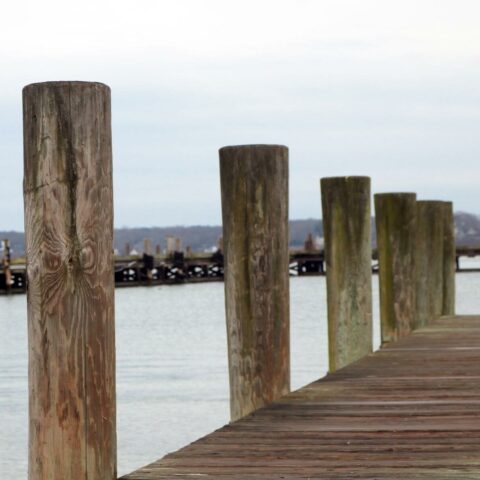



40-45 Foot Wood and Fiberglass Pilings
40-45 foot pilings are commonly used when a project needs longer installed length for deeper soils, greater water depth, higher exposed structures, or more demanding load conditions. Before selecting this length range, confirm the total required length for exposed height, embedment depth, and bearing requirements; then choose the piling material, class or size, treatment level, and installation method based on the project’s soil, exposure, loads, and design requirements.
LED Lighting Supply offers wood and composite fiberglass pilings for commercial, marine, and structural applications. CCA-treated Southern Yellow Pine wood pilings are often used where a proven, cost-effective piling material is appropriate for the project. For marine use, the required preservative treatment and retention should be matched to the applicable AWPA Use Category, piling commodity, species, geographic exposure, and marine-borer conditions rather than assuming one CCA treatment level is appropriate for all saltwater installations.
Fiberglass or composite pilings may be considered where long-term resistance to moisture, saltwater, rot, corrosion, marine organisms, chemicals, or harsh exposure is a priority. Material selection should still account for structural requirements, impact loads, installation method, UV exposure, connection details, and the manufacturer's project-specific design limits.
When 40-45 Foot Pilings Make Sense
This length range is typically considered when the structure requires more embedment depth, more exposed height, or additional installed length due to soil, water, or load conditions. Common uses include commercial docks, longer pier sections, marina slips, elevated boardwalks, waterfront structures, bulkheads, retaining walls, and foundation applications where the engineer or contractor has confirmed that a 40-45 foot piling is suitable.
Do not select piling length based only on the height visible above water, grade, or the mudline. The total piling length must include the portion installed below grade or below the mudline. Soil type, bearing depth, lateral loads, tidal movement, wave action, vessel impact, storm exposure, structure type, scour, and local code requirements can all affect the final length.
Wood vs Fiberglass Pilings
Wood pilings are often selected where treated Southern Yellow Pine is approved for the application and provides the right balance of cost, strength, availability, and installation familiarity. They are commonly used for docks, piers, boardwalks, bulkheads, marine structures, and foundation support when the treatment specification is matched to the actual exposure conditions.
For wood piling in marine environments, treatment requirements differ between freshwater and salt or brackish water. AWPA identifies land and freshwater piling under ground-contact use categories such as UC4C, while salt and brackish water piling can fall under the UC5 marine categories. UC5A, UC5B, and UC5C reflect different geographic marine-borer hazards, so the correct treatment should be based on the project location and actual marine exposure.
Fiberglass and composite pilings are often used where long-term durability in harsh environments is more important than the lowest upfront material cost. They may be a good fit for coastal, tidal, marina, brackish water, saltwater, or industrial waterfront applications where moisture, marine organisms, corrosion, chemicals, or repeated wet/dry exposure are major concerns.
CCA Treatment for Saltwater and Marine-Borer Exposure
CCA-treated Southern Yellow Pine is commonly used for heavy-duty and marine piling applications, but CCA treatment should not be treated as a single universal specification for every saltwater project. The required treatment specification depends on the piling commodity, wood species, intended service condition, geographic location, applicable AWPA Use Category, and the marine organisms present.
AWPA divides salt and brackish water marine use into the following categories:
- UC5A - Northern Waters: Salt or brackish water exposure in northern marine regions where the applicable marine-borer hazard is lower than in central or southern waters.
- UC5B - Central Waters: Salt or brackish water exposure in areas with additional marine-borer hazards, including species that can tolerate some preservative treatments.
- UC5C - Southern Waters: Salt or brackish water exposure in southern coastal and Gulf environments where additional severe marine-borer hazards may be present.
These categories are not interchangeable labels for generic saltwater exposure. The required preservative and retention must be selected from the applicable AWPA specification for the actual piling species, commodity, and Use Category.
Marine-borer populations also vary by location. Southern Pine guidance recommends identifying the types of marine borers present in the project area and selecting the preservative treatment accordingly. CCA remains an approved primary preservative treatment for certain Southern Pine saltwater applications, but its suitability and required retention should be confirmed against the current AWPA specification and project conditions.
What to Confirm Before Ordering
- Piling length: Confirm that 40-45 feet is enough for the required exposed height, embedment depth, bearing depth, and installation allowance.
- Piling material: Choose wood, fiberglass, or composite based on exposure, structural requirements, design life, budget, installation method, and project specifications.
- Piling class or size: Verify the required wood-piling class and dimensional requirements, or the diameter, wall thickness, section properties, and structural rating for composite products.
- Use Category: For treated wood, identify the applicable AWPA Use Category from the actual service conditions rather than selecting treatment solely from terms such as “marine” or “saltwater.”
- Preservative and retention: Confirm the preservative system and retention specified for the piling species, commodity, and Use Category. Do not assume one CCA retention is appropriate for every project.
- Marine-borer exposure: For salt or brackish water projects, determine whether the site falls under UC5A, UC5B, or UC5C and whether local marine-borer conditions require additional treatment considerations.
- Freshwater vs marine exposure: Freshwater piling and saltwater piling can require different treatment specifications even when the piling species and dimensions are the same.
- Splash and tidal zones: Consider portions of the piling that cycle between wet and dry conditions, including tidal, splash, and adjacent mud zones.
- Soil conditions: Sand, clay, fill, soft soils, rock, and mixed conditions can affect embedment depth, bearing capacity, drivability, and installation method.
- Loads and exposure: Review vertical loads, lateral loads, wave action, tidal movement, vessel impact, storm exposure, scour, and long-term water contact.
- Installation method: Driving, drilling, or jetting should be selected based on soil conditions, piling material, site access, equipment, nearby structures, and project requirements.
Common Applications
- Commercial docks and piers: 40-45 foot pilings may be used for larger dock and pier structures where deeper water, softer soil, heavier loads, greater exposed height, or required embedment call for additional installed length.
- Marinas and waterfront structures: This length range may be used in marina slips, access piers, walkways, fender systems, and other waterfront structures where exposure, impact, tidal movement, marine organisms, treatment requirements, and long-term durability must be reviewed.
- Boardwalks and elevated walkways: 40-45 foot pilings can support boardwalks, pedestrian access structures, and elevated waterfront walkways when approved for the structural design and soil conditions.
- Bulkheads and retaining applications: Longer pilings may be needed where lateral loads, soil movement, drainage, water pressure, shoreline conditions, scour, or erosion-control requirements call for additional embedment.
- Foundation support: Some foundation projects may use 40-45 foot pilings where the required bearing depth, soil profile, structural loads, and piling capacity are appropriate for this length range.
Freshwater, Brackish Water, and Saltwater Are Different Exposure Conditions
Treatment should be based on the actual service environment. A piling used in land or freshwater service does not automatically require the same treatment specification as one exposed to brackish or salt water. Likewise, not all saltwater locations have the same marine-borer hazard.
AWPA identifies land and freshwater piling as heavy-duty or extreme ground-contact applications, while salt and brackish water piling falls under the UC5 marine categories when marine-borer exposure applies. The current AWPA U1 standard should be used to determine the applicable species, preservative, and retention combination for the intended end use.
This is especially important for projects in coastal waters because treatment requirements can change with geography. A piling specified for northern saltwater service may not be the correct specification for a project in central Atlantic, southern Atlantic, Gulf Coast, Hawaii, or Puerto Rico waters.
Important Selection Notes
40-45 foot pilings should be selected based on the project design, not length alone. A longer piling may provide more embedment, exposed height, or bearing depth, but the correct material, class, treatment specification, installation method, and structural capacity still need to match the project requirements.
For treated wood pilings, especially those used in brackish water, saltwater, tidal zones, or locations with marine borers, confirm the applicable AWPA Use Category, preservative, retention, and commodity specification for the exact project. Do not assume that the words “CCA treated” alone establish suitability for every marine environment.
Before ordering, confirm the final piling specification with the project engineer, marine contractor, treatment supplier, or other qualified project professional. LED Lighting Supply can help review wood and fiberglass piling options, dimensions, treatment information provided by the supplier, quantities, delivery requirements, and project needs before purchase.
40 to 45 Foot Pilings FAQs
When Do 40-45 Foot Pilings Make Sense?
40-45 foot pilings are typically considered when a structure requires more embedment depth, more exposed height, or additional installed length due to soil, water, or load conditions. They may be used where shorter pilings do not provide enough total length.
How Should I Confirm The Required Piling Length?
Confirm that 40-45 feet provides the required exposed height, embedment depth, and bearing requirements. Total piling length must include the portion installed below grade or below the mudline, not only the visible height.
What Factors Can Affect The Final Piling Length?
Soil type, bearing depth, lateral loads, tidal movement, wave action, vessel impact, storm exposure, structure type, and local code requirements can affect the final piling length. Soil conditions can also affect embedment depth, bearing capacity, and installation method.
Should I Choose Wood Or Fiberglass Pilings?
Wood pilings are often selected where treated Southern Yellow Pine is approved and provides the right balance of cost, strength, availability, and installation familiarity. Fiberglass or composite pilings may be a better fit where long-term durability in harsh environments is more important than the lowest upfront material cost.
What Exposure Conditions Should Be Considered When Selecting Piling Material?
Fiberglass and composite pilings may be considered where moisture, saltwater, rot, corrosion, marine organisms, chemicals, or harsh exposure are priorities. For wood pilings, confirm the correct treatment retention for soil, freshwater, brackish water, saltwater, or marine borer exposure.
What Should Be Verified Before Ordering 40-45 Foot Pilings?
Verify the required piling material, class or size, treatment level for wood, soil conditions, loads and exposure, and installation method before ordering. The final specification should be confirmed with the project engineer, contractor, or authority having jurisdiction.
What Applications May Use 40-45 Foot Pilings?
40-45 foot pilings may be used for larger commercial docks, pier sections, marina slips, elevated boardwalks, waterfront structures, bulkheads, retaining walls, and foundation applications when suitable for the design and soil conditions. This length range may also be used where deeper water, softer soil, heavier loads, or greater exposed height require more installed length.
