Wood Pilings
- CCA-treated Southern Yellow Pine for marine and foundation applications
- Class A, B, and C options in multiple lengths available
- Selection support for class, length, and treatment requirements



Our Wood Pilings include CCA-treated Southern Yellow Pine timber piles in Class A, Class B, and Class C options. Available lengths include 20-25 foot, 30-35 foot, and 40-45 foot pilings for commercial, marine, dock, pier, and structural projects.
These treated timber piles are used for docks, piers, marinas, boardwalks, retaining walls, waterfront structures, bridges, and foundation projects.
-
 Starting At $1,090.91
-
Starting At $1,254.55
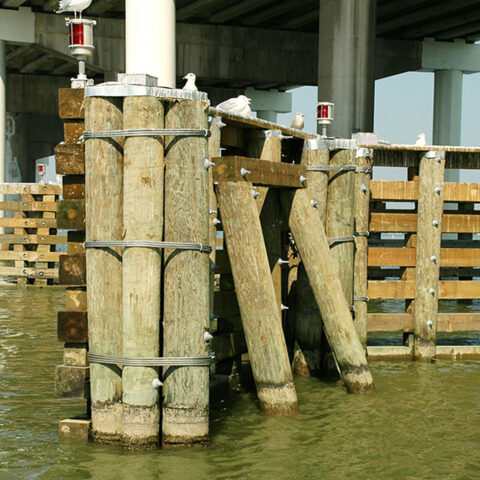


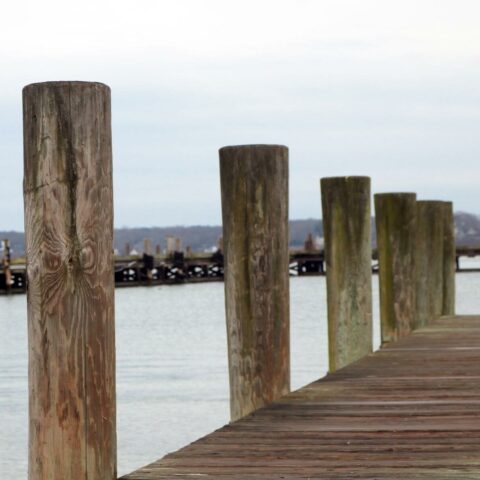
CCA-Treated Wood Pilings for Docks, Piers, Foundations, and Marine Projects
Wood pilings are treated timber piles used to support docks, piers, marinas, boardwalks, retaining walls, waterfront structures, and foundation projects. They are commonly selected when a project needs a proven piling material that can be specified by class, length, preservative treatment, and exposure environment.
LED Lighting Supply provides CCA-treated Southern Yellow Pine wood pilings for commercial, marine, dock, pier, and structural applications. The right wood piling depends on the required class, total length, embedment depth, soil conditions, water exposure, treatment specification, and project design.
Before ordering wood pilings, confirm the required piling class, length, minimum dimensions, treatment level, load requirements, soil conditions, water exposure, and local code requirements with the project engineer, contractor, or authority having jurisdiction.
When Wood Pilings Are the Right Choice
CCA-treated Southern Yellow Pine wood pilings are often selected when the project calls for treated timber piles, and wood is appropriate for the required load, installation conditions, and exposure environment. Start by confirming the project type, piling class, total length and embedment, treatment level, soil conditions, and water or marine exposure.
| Selection Factor | What to Review |
|---|---|
| Project type | Confirm whether the piling will support a dock, pier, foundation, retaining wall, boardwalk, marina structure, or other application. |
| Piling class | Review the specified Class A, Class B, or Class C dimensional grading requirements, including required butt and tip dimensions, length, and project specifications. |
| Piling length | Account for visible height, water depth, soil conditions, required embedment, driving allowance, and any trimming or field-adjustment requirements. |
| Treatment level | Confirm the specified CCA retention level and applicable use category for soil, freshwater, brackish water, saltwater, or marine-borer exposure. |
| Soil and installation | Sand, clay, rock, fill, soft soils, water table, and site access can affect installation method, drivability, and required embedment depth. |
| Exposure conditions | Review freshwater, saltwater, tidal movement, wave action, storm exposure, marine borers, and wet/dry cycling before selecting a piling. |
Shop Wood Pilings by Class
Wood piling class is a dimensional grading designation that helps define minimum butt and tip size requirements. It does not independently establish the structural capacity of a pile; capacity depends on the complete design, species and grade, pile dimensions, installation, soil conditions, loading, and other project-specific factors. If project documents specify Class A, Class B, or Class C, use that requirement when selecting pilings. Do not substitute a different class without approval from the project engineer or specification authority.
| Wood Piling Class | Best Used For |
|---|---|
| Class A Wood Pilings | Large-dimension treated wood pilings commonly specified for docks, piers, marinas, waterfront structures, bridges, boardwalks, and foundation projects requiring Class A dimensions. |
| Class B Wood Pilings | Intermediate-dimension treated wood pilings for docks, piers, boardwalks, marina structures, retaining applications, and foundation projects where Class B is specified. |
| Class C Wood Pilings | Smaller-dimension treated wood pilings for docks, small piers, boardwalks, retaining applications, and lower-load foundation projects when Class C is approved by the design. |
Shop Wood Pilings by Length
Piling length should include both the visible portion above grade or above water and the required embedment below grade or below the mudline. Driving conditions, required pile tip elevation, cut-off elevation, and field trimming should also be considered. Do not select length by visible height alone.
| Wood Piling Length | Typical Use |
|---|---|
| 20-25 Foot Wood Pilings | Common for smaller docks, lighter-duty waterfront structures, retaining applications, and projects with shallower embedment requirements when approved by the design. |
| 30-35 Foot Wood Pilings | Used where additional embedment, higher exposed height, deeper water, or project conditions require longer pilings than shorter options provide. |
| 40-45 Foot Wood Pilings | Used for deeper embedment, larger waterfront structures, or projects where site conditions and the engineered design require longer treated wood pilings. |
Wood Piling Treatment and Exposure
Wood pilings must be treated for the environment where they will be installed. A piling specified for standard ground contact may not be suitable for freshwater, brackish water, saltwater, or marine-borer exposure. Confirm the required preservative, retention level, applicable AWPA use category or project specification, and any local environmental requirements before ordering, especially for marine and waterfront projects.
Preservative treatment does not eliminate the need to evaluate physical exposure. Wave action, floating debris, ice, abrasion, wet/dry cycling, and fastener or connector compatibility may affect the overall piling system and should be addressed in the project design.
Wood Pilings vs. Fiberglass Pilings
Wood pilings are often selected for cost-effective dock, pier, foundation, retaining, and waterfront applications where treated timber is approved for the project. Fiberglass or composite pilings may be considered where the project prioritizes resistance to moisture, rot, corrosion, chemicals, or marine organisms. Performance varies by product construction, exposure conditions, installation method, and manufacturer documentation, so material selection should be based on the project requirements rather than a general material comparison alone.
Common Wood Piling Selection Mistakes
- Ordering before confirming actual pile dimensions: Specify the required class, length, butt and tip dimensions, treatment, and quantity. Do not rely only on a general description such as “dock pilings.”
- Leaving out driving and cut-off information: Provide the planned embedment, target tip elevation where applicable, finished cut-off elevation, and whether extra length is needed for driving or trimming.
- Not matching the treatment specification to the exposure: Confirm the required CCA retention level and use category before fabrication and shipment. Marine, brackish-water, and marine-borer conditions may require a different specification than ordinary ground-contact use.
- Overlooking delivery and handling constraints: Confirm site access, unloading equipment, storage area, delivery timing, and the ability to safely handle the selected length and weight at the jobsite.
- Assuming a piling class establishes capacity: Class designates dimensional grading requirements. A qualified engineer or project authority should determine pile capacity, embedment, spacing, connections, and foundation requirements for the site conditions and loads.
- Failing to address field cuts and installation damage: Follow the project specification and preservative manufacturer guidance for field treatment of cuts, borings, and damaged areas, and use installation methods appropriate for the pile and site conditions.
Get Help Selecting Wood Pilings
LED Lighting Supply can help review wood piling class, length, treatment level, quantity, delivery needs, and published product requirements before you order. We support Class A, Class B, Class C, 20-25 foot, 30-35 foot, and 40-45 foot CCA-treated wood piling options.
Request a wood piling quote, and our Product Specialists can help review your application, required class, length, treatment level, quantity, and delivery requirements.
Wood Pilings FAQs
How Should I Choose The Required Wood Piling Class?
Select the Class A, Class B, or Class C requirement specified in the project documents, including required butt and tip dimensions, length, and project specifications. Do not substitute a different class without approval from the project engineer or specification authority.
Does Wood Piling Class Establish Structural Capacity?
No. Wood piling class is a dimensional grading designation, while capacity depends on the complete design, species and grade, pile dimensions, installation, soil conditions, loading, and other project-specific factors.
How Should I Determine The Right Wood Piling Length?
Wood piling length should include the visible portion above grade or water, required embedment below grade or mudline, driving conditions, required pile tip elevation, cut-off elevation, and any field trimming. Do not select length by visible height alone.
How Should Treatment Be Matched To The Installation Environment?
Confirm the required preservative, CCA retention level, applicable AWPA use category or project specification, and local environmental requirements for the installation environment. A piling specified for standard ground contact may not be suitable for freshwater, brackish water, saltwater, or marine-borer exposure.
What Site Conditions Should Be Reviewed Before Ordering Wood Pilings?
Review soil conditions, water exposure, required embedment, installation access, and physical exposure conditions before ordering. Sand, clay, rock, fill, soft soils, water table, wave action, tidal movement, floating debris, ice, abrasion, and wet/dry cycling can affect the project design or installation.
When Should A Project Consider Wood Pilings Instead Of Fiberglass Pilings?
Wood pilings are often selected for cost-effective dock, pier, foundation, retaining, and waterfront applications where treated timber is approved for the project. Fiberglass or composite pilings may be considered where the project prioritizes resistance to moisture, rot, corrosion, chemicals, or marine organisms.
What Information Should Be Confirmed Before Requesting A Wood Piling Quote?
Confirm the required piling class, length, minimum dimensions, treatment level, load requirements, soil conditions, water exposure, quantity, delivery needs, and local code requirements. LED Lighting Supply can help review class, length, treatment level, quantity, delivery needs, and published product requirements before ordering.