Class B Wood Pilings
- Intermediate-size treated timber option for marine and structural projects
- CCA-treated Southern Yellow Pine with treatment options for various exposures
- Selection support available for length, diameter, and treatment requirements



Our Class B Wood Pilings include CCA-treated Southern Yellow Pine pilings for commercial, marine, and structural projects. Class B pilings are an intermediate standard class, with minimum diameter references that vary by piling length.
These wood pilings are commonly used for residential and light commercial docks, piers, boardwalks, marina support structures, waterfront structures, bulkheads, retaining applications, and foundation projects.
-
 Starting At $1,072.73
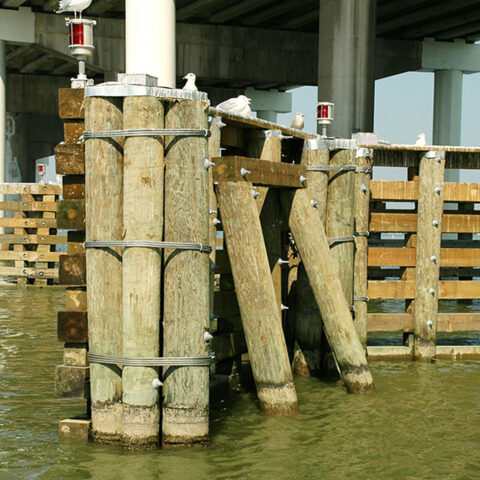


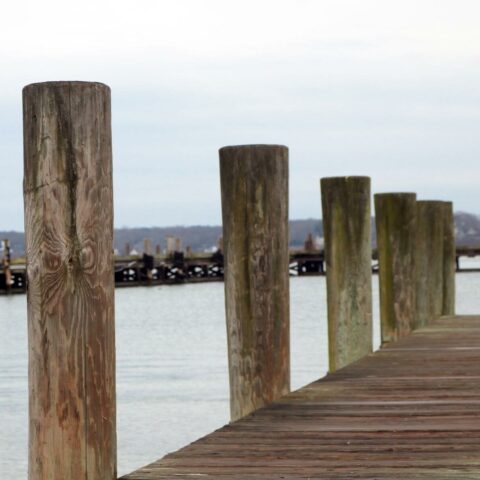

Class B Wood Pilings for Marine, Dock, Pier, and Foundation Projects
Class B pilings are a traditional standard wood piling class commonly used for marine, dock, pier, foundation, boardwalk, and structural applications that require substantial timber piles but do not require the larger Class A dimensions. LED Lighting Supply provides Class B CCA-treated Southern Yellow Pine wood pilings for commercial, marine, and structural applications.
Choose Class B when the engineer, contractor, or project specification calls for an intermediate piling class or dimensions that fall between traditional Class A and Class C requirements. Before ordering, confirm the required pile length and diameter, then verify embedment depth, soil conditions, water exposure, treatment level, structural load, and local code requirements with the project engineer, contractor, or authority having jurisdiction.
When to Choose Class B Pilings
Class B pilings are commonly used when a project requires more timber size and structural capacity than Class C but does not require the larger traditional Class A piling dimensions. The correct piling should be selected from the project design, structural loads, exposure conditions, and specifications rather than from class designation alone.
| Application | Why Class B May Be Appropriate |
|---|---|
| Docks and piers | Class B pilings may provide appropriate pile size for many residential, commercial, and moderate-duty dock and pier structures when supported by the project design. |
| Marinas and waterfront facilities | Class B piles may be specified where structural loads, boat activity, tidal conditions, and dock hardware require more size than Class C. |
| Foundation applications | Class B pilings may be used where soil conditions, design loads, and required embedment call for an intermediate-size timber pile. |
| Boardwalks and pedestrian structures | Class B piles can be used where the structure requires substantial timber support but does not require larger Class A dimensions. |
| Bulkheads and waterfront structures | Class B pilings may be appropriate where lateral loads, soil retention, tidal exposure, or structural requirements call for larger timber members. |
| Coastal and exposed sites | Class B pilings may be used in exposed environments when the pile size, treatment level, structural design, and installation method are appropriate for the project. |
Class B Piling Size Reference
ASTM D25 includes a traditional Class B reference schedule for round timber piles. For Southern Pine and Douglas Fir Class B piles, both the minimum diameter measured 3 feet from the butt and the minimum tip diameter vary with pile length.
The table below shows the traditional ASTM D25 Class B reference schedule. ASTM D25 also includes more detailed dimensional tables that allow timber piles to be specified directly by required butt or tip circumference at individual length increments. Those detailed tables serve a different purpose and should not be confused with the traditional Class B schedule shown here. Final pile dimensions should always be confirmed against the project specification, structural design, species, and applicable ASTM requirements.
| Class B Length Range | Traditional ASTM D25 Class B Size Reference |
|---|---|
| Up to 40 ft | 12" minimum diameter 3 ft from butt; 8" minimum tip diameter. |
| 40 ft to 54 ft | 12" minimum diameter 3 ft from butt; 7" minimum tip diameter. |
| 55 ft to 74 ft | 13" minimum diameter 3 ft from butt; 7" minimum tip diameter. |
| 75 ft to 90 ft | 13" minimum diameter 3 ft from butt; 6" minimum tip diameter. |
| Over 90 ft | 13" minimum diameter 3 ft from butt; 5" minimum tip diameter. |
These dimensions represent the traditional ASTM D25 Class B reference for Southern Pine and Douglas Fir piles. They are not the only dimensional relationships contained in ASTM D25. The standard also provides tables that can be used to specify piles directly by required butt circumference, tip circumference, species, and pile length. Those more granular tables may show progressively changing dimensions at shorter length increments because they are intended for direct dimensional selection rather than the traditional Class B designation.
For engineered foundations, bridges, marine structures, public projects, and other structural applications, the dimensions shown in the project plans and specifications should control when they differ from the traditional Class B reference dimensions.
Class B vs. Class A and Class C Pilings
Class B pilings fall between traditional Class A pilings and Class C pilings in size. Class A may be specified for heavier-duty projects or where larger minimum dimensions are required, while Class C may be appropriate for lighter-duty applications when approved by the project design.
| Piling Class | General Difference |
|---|---|
| Class A Pilings | Larger traditional piling class used where heavier-duty support, larger dimensions, or project specifications require it. |
| Class B Pilings | Intermediate traditional class used where the project requires more pile size than Class C but does not require Class A dimensions. |
| Class C Pilings | Smaller traditional class that may be appropriate for lighter-duty applications when permitted by the project design. |
ASTM D25 provides direct dimensional tables for specifying round timber piles by required butt or tip dimensions rather than relying solely on the older class-based system. The traditional Class A and Class B reference schedules remain useful reference points, but engineered projects should follow the dimensions, species, treatment, and structural requirements stated in the applicable project documents and current ASTM requirements.
Key Factors to Confirm Before Ordering Class B Pilings
Class B piling selection should be based on project requirements, not assumptions. The traditional class designation provides a useful size reference, but the pile still needs the correct length, diameter, treatment, embedment, and installation method for the site.
| Factor | What to Review |
|---|---|
| Required length | Confirm total piling length, including above-grade or above-water height and required embedment below grade or below the mudline. |
| Required diameter | Confirm the specified butt and tip dimensions rather than assuming the traditional Class B reference dimensions are sufficient for every project. |
| Structural load | Review vertical loads, lateral loads, impact loads, wave action, live loads, and structure type before ordering. |
| Soil conditions | Sand, clay, rock, soft soil, fill, and mixed soils can affect pile length, installation method, bearing capacity, and embedment depth. |
| Water exposure | Freshwater, brackish water, saltwater, tidal exposure, and marine borer risk can affect treatment requirements and material suitability. |
| Treatment level | Confirm the required CCA treatment retention for the application. Foundation, freshwater, saltwater, and severe marine-borer exposures may require different treatment levels. |
| Installation method | Driving, drilling, and jetting may each be appropriate depending on soil type, site access, nearby structures, environmental restrictions, and contractor equipment. |
| Project specifications | Review drawings, engineering notes, ASTM requirements, treatment standards, local code, and project documents before substituting another class, diameter, or length. |
Class B Pilings for Marine and Waterfront Use
Class B pilings are commonly used in marine and waterfront projects where the project requires an intermediate-size timber pile. They may be used for docks, piers, marinas, boardwalks, bulkheads, and other waterfront structures when their dimensions and structural properties meet the project requirements.
For marine applications, treatment level is just as important as piling class. A Class B piling with the correct dimensions may still be unsuitable if it does not have the required preservative treatment for the exposure. Saltwater, brackish water, freshwater, tidal movement, marine borers, storm surge, wave action, current, and boat impact should all be reviewed before ordering.
The project specification should identify the required treatment retention, pile dimensions, structural requirements, and applicable exposure conditions. For safety-sensitive or engineered marine structures, pile selection should be confirmed by the appropriate project professional.
What the Class B Designation Helps Buyers Confirm
| Buyer Decision | How the Class B Reference Helps |
|---|---|
| Compare specified pile sizes | The traditional Class B schedule provides a recognized starting point for comparing requested pile lengths with corresponding minimum butt and tip dimensions. |
| Identify when direct dimensions control | If plans specify a butt circumference, tip circumference, diameter, or species, those project requirements should be used instead of relying only on the Class B designation. |
| Review potential substitutions | Class B can help identify whether a proposed Class A or Class C alternative changes the traditional dimensional reference, but substitutions require project approval. |
| Confirm treatment separately | Piling class identifies a traditional size reference; it does not establish the preservative retention or use category needed for soil, freshwater, saltwater, or marine-borer exposure. |
| Order the complete pile requirement | Buyers should provide the required total length, butt and tip dimensions, species, treatment, quantity, delivery needs, and applicable project specifications. |
Common Mistakes When Selecting Class B Pilings
Class B pilings are used in structural and marine applications where mistakes in diameter, length, treatment, installation, or specification review can become expensive.
- Assuming all Class B piles have the same diameter: Traditional Class B butt and tip dimensions change with pile length.
- Confusing the Class B table with ASTM dimensional-selection tables: The traditional Class B schedule uses broad length ranges, while ASTM D25 also contains more granular tables for specifying required butt and tip dimensions.
- Treating the ASTM reference as the project design: The Class B reference does not override larger butt, tip, length, or structural requirements shown in project plans.
- Ordering by visible height only: Total piling length must include the required embedment below grade or below the mudline.
- Using the wrong treatment level: A pile treated for standard soil or freshwater exposure may not be suitable for saltwater, brackish water, or severe marine-borer conditions.
- Substituting Class C without approval: Do not substitute a smaller piling class simply to reduce cost unless the engineer or project specification permits it.
- Upgrading to Class A without reviewing the design: A larger pile is not automatically a better substitute; dimensions, connections, driving requirements, and project design should still be reviewed.
- Ignoring lateral loads and impact: Docks, piers, marinas, bulkheads, and waterfront structures may experience boat contact, wave action, current, ice, and storm forces.
- Overlooking soil conditions: Soft soil, rock, clay, sand, fill, and mixed strata can affect installation method, pile capacity, and required embedment depth.
- Skipping professional review: Class B pilings are often used in structural or safety-sensitive applications and should be confirmed by the appropriate project professional.
Get Help Selecting Class B Pilings
LED Lighting Supply can help review Class B piling options for docks, piers, marinas, waterfront structures, foundations, boardwalks, bulkheads, and other commercial or structural applications. We can help confirm available lengths, diameter options, treatment options, quantity needs, delivery requirements, and project details before you order. Request a Class B piling quote and our Product Specialists can help review your application, required length, treatment level, quantity, and project requirements.
Class B Wood Pilings FAQs
How Do Class B Wood Pilings Compare With Class A And Class C Pilings?
Class B wood pilings are an intermediate traditional piling class, requiring more pile size than Class C but not the larger traditional dimensions of Class A. Class A may be specified for heavier-duty projects or larger minimum dimensions, while Class C may be appropriate for lighter-duty applications when permitted by the project design.
Should I Use The Traditional Class B Size Reference Or Project Specifications?
Project plans and specifications should control when they differ from the traditional ASTM D25 Class B reference dimensions. ASTM D25 also provides direct dimensional tables based on required butt or tip circumference, species, and pile length.
What Should Be Confirmed Before Ordering Class B Wood Pilings?
Confirm the required piling length, butt and tip dimensions, treatment level, embedment, structural loads, soil conditions, water exposure, installation method, and project specifications before ordering. Total piling length should include the required above-grade or above-water height and embedment below grade or below the mudline.
Can Class B Wood Pilings Be Used For Marine And Waterfront Projects?
Class B wood pilings may be used for docks, piers, marinas, boardwalks, bulkheads, and other waterfront structures when their dimensions and structural properties meet project requirements. Treatment level must also match the exposure environment and project requirements.
Why Does Pile Length Matter When Selecting Class B Pilings?
Pile length matters because traditional Class B butt and tip dimensions change with the pile length range. Total length must also account for the required visible height and embedment below grade or below the mudline.
Can I Substitute A Different Piling Class For Class B?
A different piling class should not be substituted without reviewing project requirements. Class C should not replace Class B unless permitted by the engineer or project specification, and a larger Class A pile is not automatically a better substitute because dimensions, connections, driving requirements, and project design still require review.
What Treatment Information Is Important For Class B Marine Pilings?
Confirm the required CCA treatment retention for the application, because foundation, freshwater, saltwater, and severe marine-borer exposures may require different treatment levels. A Class B piling with suitable dimensions may still be unsuitable if it does not have the required preservative treatment for the exposure.
What Project Details Can LED Lighting Supply Help Review Before Ordering?
LED Lighting Supply can help review available lengths, diameter options, treatment options, quantity needs, delivery requirements, and project details for Class B pilings. Product Specialists can also help review the application, required length, treatment level, quantity, and project requirements.