20 to 25 Foot Pilings
- Wood and fiberglass options for marine and structural applications
- CCA-treated wood and corrosion-resistant composite choices available
- Selection support using project details and site conditions



Our 20-25 Foot Wood and Fiberglass Pilings include CCA-treated Southern Yellow Pine and fiberglass or composite options for marine and structural projects. Available products vary by material, wood class, diameters, treatment levels, wall construction, and structural ratings.
These pilings are used for small docks, piers, boardwalks, pedestrian access paths, bulkhead support systems, shoreline structures, foundation projects, marina walkways, utility supports, guides, and accessory structures.
-
 Starting At $774.80
-
Starting At $2,380.00
-
Starting At $968.50
-
Starting At $2,704.55




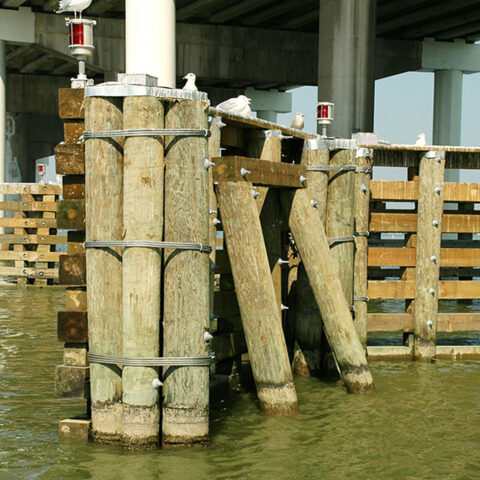

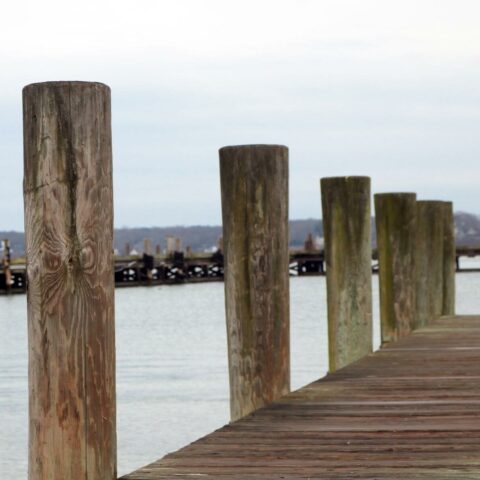
20-25 Foot Wood and Fiberglass Pilings
20-25 foot pilings may be used for smaller docks, piers, boardwalks, bulkhead support systems, shoreline structures, and selected foundation projects when the soil conditions, water depth, embedment requirements, and structural design support this length range.
LED Lighting Supply offers wood pilings and fiberglass piling options for commercial, marine, and structural applications. CCA-treated Southern Yellow Pine wood pilings may be selected where a familiar, cost-effective material meets the required loading and exposure conditions. Fiberglass or composite pilings may be considered where repeated wet/dry exposure, saltwater, biological deterioration, or selected corrosive conditions are important project concerns.
Selection Note: Total piling length includes both the exposed portion above the waterline or grade and the section driven or embedded below the mudline, soil surface, or bearing layer. Do not select piling length from the visible height alone.
How to Determine Whether 20-25 Feet Is Long Enough
Start by calculating the required exposed height and the embedment needed to reach suitable supporting soil. A 20-25 foot piling is appropriate only when the combined length supports the project’s loading, water or site conditions, installation method, and structural design.
Before selecting a 20-25 foot piling, confirm:
- The required height above the waterline, mudline, or finished grade
- The embedment needed to reach suitable supporting soil
- Soil type, bearing conditions, and lateral resistance
- Water depth, tidal movement, currents, waves, and scour
- Vertical, lateral, uplift, impact, and structural loads
- The installation method and equipment access
- Local code, permitting, and environmental requirements
A shorter piling may reduce material and freight costs when it fits the design, but insufficient length or embedment can result in inadequate capacity, excessive movement, or installation problems.
Wood vs Fiberglass Pilings
| Piling Material | Selection Considerations |
|---|---|
| Wood Pilings | Pressure-treated Southern Yellow Pine is commonly used for docks, piers, boardwalks, bulkhead support, and foundation applications. Confirm the pole or piling class, species, butt and tip dimensions, treatment retention, intended exposure, loading, and installation requirements. |
| Fiberglass or Composite Pilings | Composite pilings may be selected for waterfront and corrosive environments where resistance to moisture, saltwater, biological deterioration, or selected chemicals is important. Confirm the outside diameter, wall construction, section properties, load capacity, deflection, connection details, and environmental compatibility of the exact product. |
Neither material is automatically the best choice for every project. Compare the exact piling using structural capacity, exposure, installation method, availability, maintenance needs, delivery requirements, and total installed cost.
What to Confirm Before Ordering
| Selection Factor | What to Confirm |
|---|---|
| Total piling length | Confirm that 20-25 feet provides both the required exposed height and the necessary embedment. |
| Material | Select wood or fiberglass using the project loading, environmental exposure, installation conditions, budget, and required product documentation. |
| Wood size and class | For wood pilings, verify the required class, species, butt diameter, tip diameter, taper, and manufacturer grading information. |
| Composite structural rating | For fiberglass pilings, confirm outside diameter, wall construction, section properties, load capacity, allowable deflection, and connection details. |
| Wood treatment | Confirm the correct preservative treatment and retention for soil, freshwater, brackish water, saltwater, or marine-borer exposure. |
| Environmental compatibility | For composite products, verify suitability for salt, moisture, ultraviolet exposure, chemicals, temperature, and other site conditions. |
| Soil conditions | Sand, clay, fill, soft soils, rock, and mixed layers can affect embedment, capacity, and installation method. |
| Loads and exposure | Review vertical loads, lateral loads, uplift, wave action, tidal movement, impact, storm exposure, scour, and long-term water contact. |
| Installation method | Confirm whether driving, drilling, jetting, or another method is approved for the selected piling and permitted for the soil, waterfront, and local environmental requirements. |
| Connections and hardware | Verify approved bolts, caps, brackets, walers, pile guides, fasteners, and field-modification procedures for the selected material. |
| Delivery and unloading | Plan for truck access, unloading equipment, lifting, staging space, ground conditions, and movement from the delivery point to the installation area. |
Common Applications
- Small docks and piers: 20-25 foot pilings may support smaller structures where water depth, soil conditions, embedment, and loading do not require longer piles.
- Boardwalks and pedestrian access: This length range may be used for boardwalk sections, access paths, and platforms where the required bearing depth and structural loads support the design.
- Bulkhead support and shoreline structures: Round pilings may be incorporated into selected retaining or shoreline systems when lateral loads, water pressure, soil movement, drainage, tiebacks, walers, and other system components are properly designed.
- Foundation support: Some foundations may use 20-25 foot pilings where the required bearing layer, pile capacity, settlement limits, and structural loads are appropriate for the length and material.
- Marina and waterfront improvements: Shorter pilings may be used for walkways, utility supports, guides, and accessory structures when the project conditions and loading permit.
Installation and Site Considerations
The selected installation method must be compatible with the piling material and site conditions. Wood and fiberglass pilings may have different requirements for driving equipment, pile caps, cushions, drilling, jetting, lifting points, and field modifications.
Site planning should account for:
- Access for pile-driving, drilling, or jetting equipment
- Water depth, tides, currents, and work-platform requirements
- Underground or underwater utilities
- Environmental restrictions and permit conditions
- Protection of piling ends and surfaces during handling
- Approved cutting, drilling, fastening, and repair procedures
- Storage and staging before installation
Do not assume that the same installation procedure can be used for every wood or composite piling. Follow the product manufacturer’s handling and installation instructions.
Availability and Delivery
Available lengths, diameters, classes, wall constructions, treatment levels, and structural ratings vary by material and supplier. Confirm the exact product configuration and current availability before finalizing the project design or installation schedule.
Because pilings are long and heavy, delivery may require suitable truck access, unloading equipment, qualified operators, and a clear staging area. Freight requirements depend on the piling material, length, quantity, destination, and site conditions.
Need Help Selecting 20-25 Foot Pilings?
LED Lighting Supply can help narrow available wood and fiberglass piling options using the project information provided. Useful details include the intended application, installation address, required exposed height, anticipated embedment, soil conditions, water exposure, loads, preferred material, treatment requirements, quantity, installation method, and delivery access.
Contact us about 20-25 foot pilings and include project drawings, soil information, structural requirements, site photographs, or installation details when available.
LED Lighting Supply can assist with product selection and delivery coordination. Final piling length, capacity, embedment, treatment, connections, installation method, and code requirements should be confirmed by the project engineer, contractor, manufacturer, authority having jurisdiction, and other appropriate qualified professionals.
20 to 25 Foot Pilings FAQs
How Do I Determine Whether A 20-25 Foot Piling Is Long Enough?
A 20-25 foot piling is suitable only when its total length provides both the required exposed height and the necessary embedment to reach suitable supporting soil. Confirm soil conditions, water depth, loads, structural design, installation method, and applicable local requirements before selecting this length range.
Does Total Piling Length Include The Embedded Portion?
Yes, total piling length includes the exposed portion above the waterline or grade and the section driven or embedded below the mudline, soil surface, or bearing layer. Do not select length from visible height alone.
Should I Choose Wood Or Fiberglass Pilings?
Choose wood or fiberglass by comparing the exact piling's structural capacity, exposure, installation method, availability, maintenance needs, delivery requirements, and total installed cost. CCA-treated Southern Yellow Pine may be selected where a familiar, cost-effective material meets required loading and exposure conditions, while fiberglass or composite pilings may be considered where repeated wet/dry exposure, saltwater, biological deterioration, or selected corrosive conditions are important concerns.
What Should I Verify For Wood Pilings Before Ordering?
For wood pilings, verify the required class, species, butt diameter, tip diameter, taper, manufacturer grading information, treatment retention, intended exposure, loading, and installation requirements. Confirm the correct preservative treatment and retention for the project's soil, freshwater, brackish water, saltwater, or marine-borer exposure.
What Should I Verify For Fiberglass Or Composite Pilings?
For fiberglass or composite pilings, confirm the exact product's outside diameter, wall construction, section properties, load capacity, allowable deflection, connection details, and environmental compatibility. Suitability for salt, moisture, ultraviolet exposure, chemicals, temperature, and other site conditions should also be verified.
What Applications May Use 20-25 Foot Pilings?
20-25 foot pilings may be used for smaller docks, piers, boardwalks, bulkhead support systems, shoreline structures, selected foundation projects, marina improvements, and waterfront accessory structures when project conditions and loading support this length range. Suitability depends on the complete project design rather than structure type alone.
What Installation Factors Should Be Confirmed Before Selecting A Piling?
The installation method must be compatible with the selected piling material and site conditions. Confirm approved driving, drilling, jetting, or other installation methods, equipment access, utilities, environmental restrictions, permit conditions, handling protection, and approved field-modification procedures.
What Delivery Details Should Be Planned For Long Pilings?
Plan for suitable truck access, unloading equipment, qualified operators, a clear staging area, ground conditions, and movement from the delivery point to the installation area. Freight requirements depend on the piling material, length, quantity, destination, and site conditions.