Class C Wood Pilings
- CCA-treated Southern Yellow Pine for approved marine and foundation applications
- Available lengths and diameters for lighter-duty dock and pier projects
- Product selection support helps match pilings to project requirements



Our Class C Wood Pilings include CCA-treated Southern Yellow Pine timber piles for lighter-duty structural and waterfront projects. These smaller traditional timber piles are available for approved marine, dock, pier, retaining, foundation, and structural applications.
These wood pilings are commonly used for residential docks, light-duty piers, boardwalks, walkways, retaining structures, freshwater waterfront projects, protected waterfront installations, and lower-load foundation support.
-
 Starting At $1,027.27
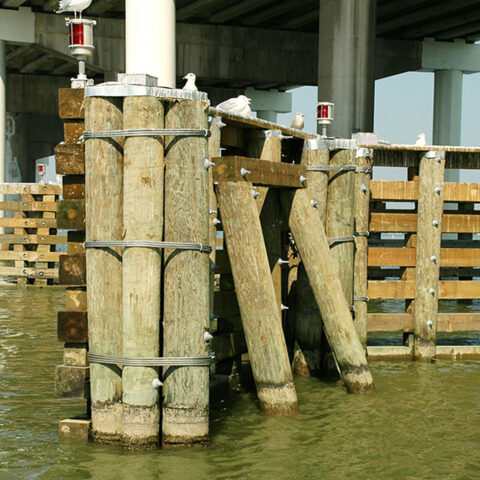


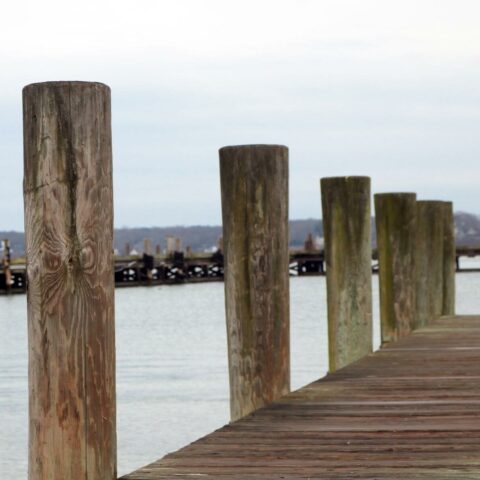

Class C Wood Pilings for Light-Duty Docks, Piers, Retaining Applications, and Foundation Projects
Class C is a traditional wood piling designation associated with smaller timber piles used for lighter-duty docks, piers, retaining applications, boardwalks, foundations, and other projects that do not require the larger traditional Class A or Class B sizes. LED Lighting Supply provides CCA-treated Southern Yellow Pine wood pilings for appropriate marine, dock, pier, retaining, foundation, and structural applications.
Class C remains useful terminology in project specifications, purchasing, and the timber-piling industry. ASTM D25 includes Class A, Class B, and Class C timber-pile classifications and dimensional requirements that allow piles to be specified by required butt or tip dimensions, species, and length.
Choose Class C or another smaller timber piling only after confirming the required length, butt and tip dimensions, embedment depth, structural load, soil conditions, water exposure, treatment requirements, and local code requirements. Review these factors with the project engineer, contractor, or authority having jurisdiction before ordering.
When to Choose Class C Pilings
Class C pilings are generally associated with lighter-duty or lower-load projects where larger Class A or Class B dimensions are not required. They should be selected because the project design, required dimensions, soil conditions, exposure, treatment, and structural requirements allow them, not simply because they are smaller or less expensive.
| Application | Why Class C May Be a Good Fit |
|---|---|
| Residential docks | Class C or smaller timber piles may be appropriate where dock loads, water exposure, spacing, and soil conditions do not require larger piles. |
| Light-duty piers | Smaller access piers and lower-load structures may use Class C pilings when the required dimensions and capacity are supported by the project design. |
| Boardwalks and walkways | Pedestrian structures may use smaller timber piles where structural loads, spacing, lateral resistance, and embedment support the design. |
| Retaining applications | Class C pilings may be used in retaining or shoreline applications where lateral loads, soil pressure, embedment, and site conditions are within the design limits. |
| Light foundation support | Smaller piles may be suitable for lower-load foundation applications when the engineer or project specification confirms the required dimensions and capacity. |
| Freshwater and protected waterfront projects | Class C pilings may be used in protected waterfront settings when the pile dimensions, structural requirements, and preservative treatment are appropriate for the exposure. |
Class C Piling Size Reference
Class C is an ASTM D25 round-timber-pile classification associated with smaller pile sizes than Class A or Class B. The required dimensions for a project should be confirmed using the applicable ASTM D25 criteria, project plans, and specifications.
Class C should not be treated as having one universal butt-and-tip schedule for every species, pile length, or project. Required dimensions can vary based on the applicable standard requirements and project specifications.
ASTM D25 also includes requirements for certain 8-inch-tip, natural-taper piles. This should not be interpreted as a universal rule that every pile described commercially or in project documents as “Class C” must have an 8-inch tip or must be limited to a particular length.
| Class C / Smaller-Pile Reference | What to Confirm |
|---|---|
| Class C | Class C is an ASTM D25 timber-pile classification associated with smaller pile sizes, but the class name alone should not be used to establish all project dimensions. |
| 8-inch tip, natural taper | ASTM D25 includes requirements for certain 8-inch-tip, natural-taper piles. Verify the applicable criteria and project specification before using this reference. |
| Other pile lengths and sizes | Use the applicable ASTM D25 dimensional criteria and project requirements to establish minimum butt or tip dimensions for the required species and length. |
If a project drawing calls for “Class C” pilings, review the complete specification rather than assuming a standard diameter from the class name alone. Confirm the required species, total pile length, minimum butt or tip dimension, preservative treatment, structural capacity, and applicable ASTM D25 requirements before ordering.
For structural foundations, public projects, marine structures, retaining systems, and other engineered applications, the pile dimensions shown in the project plans and specifications should control.
How ASTM D25 Sizes Smaller Wood Pilings
ASTM D25 provides dimensional requirements for round timber piles that allow piles to be selected by minimum butt or tip dimensions according to species and pile length. This approach provides more precise sizing than relying only on a Class A, B, or C label.
For Southern Yellow Pine, required butt and tip dimensions can change with pile length. Two piles that may both be described generally as smaller or Class C piles can therefore require different minimum dimensions depending on their length and the project specification.
When requesting a quote, provide the required pile length and any specified butt diameter, tip diameter, butt circumference, or tip circumference shown on the plans. If a project specifies ASTM D25 without a pile class, use the applicable dimensional requirements rather than assigning a class based only on apparent pile size.
Class C vs. Class A and Class B Pilings
Traditional Class A pilings and Class B pilings provide larger reference sizes for projects that require more substantial timber piles. Class C is associated with smaller piles and lighter-duty applications, but pile selection should use the required dimensions and structural criteria shown in the project documents.
| Piling Reference | General Difference |
|---|---|
| Class A Pilings | Larger traditional timber-pile reference used for projects requiring substantial pile dimensions and structural capacity. |
| Class B Pilings | Intermediate traditional timber-pile reference used where project requirements fall between larger Class A and smaller pile sizes. |
| Class C Pilings | Smaller timber-pile classification commonly associated with lighter-duty applications. Actual dimensions should be confirmed from the project specification and applicable ASTM D25 requirements. |
Do not substitute one piling size for another solely because it is described as Class A, B, or C. For engineered projects, the required butt size, tip size, pile length, species, treatment, embedment, and structural requirements shown in the project documents should control.
Key Factors to Confirm Before Ordering Class C Pilings
Class C or smaller timber piling selection should be based on the project design and exposure conditions. A smaller pile can be appropriate for suitable applications, but it should not be used where the project requires larger dimensions, additional embedment, a different preservative treatment, or greater structural capacity.
| Factor | What to Review |
|---|---|
| Required length | Confirm total piling length, including the portion above grade or above water and the required embedment below grade or below the mudline. |
| Butt and tip dimensions | Verify the required butt and tip circumference or diameter from the project specification and applicable ASTM D25 dimensional requirements. |
| Structural load | Review vertical loads, lateral loads, live loads, impact, wave action, current, soil movement, and structure type before ordering. |
| Soil conditions | Sand, clay, rock, soft soil, fill, and mixed strata can affect pile length, installation method, bearing capacity, and required embedment depth. |
| Water exposure | Freshwater, brackish water, saltwater, tidal exposure, and marine-borer risk can affect treatment requirements and material suitability. |
| Treatment specification | Confirm the preservative, retention, and applicable AWPA Use Category or project treatment specification. Ground contact, freshwater, brackish water, saltwater, and marine-borer exposure can require different treatment requirements. |
| Installation method | Driving, drilling, and jetting may each be appropriate depending on soil type, site access, nearby structures, environmental restrictions, and contractor equipment. |
| Project specifications | Review drawings, engineering notes, ASTM requirements, treatment standards, local codes, and project documents before selecting or substituting pile dimensions. |
Class C Pilings for Dock and Waterfront Use
Class C and other smaller timber pilings are often used in dock, pier, boardwalk, and waterfront projects where structural loads and site conditions allow smaller pile dimensions. They may be suitable for protected waterfront applications, freshwater docks, residential access structures, and lower-load support needs when the project design permits them.
For any marine piling application, preservative treatment is critical. A pile with acceptable structural dimensions may still be unsuitable if its treatment does not match the exposure. Freshwater, brackish water, saltwater, tidal exposure, and marine-borer conditions can require different treatment specifications.
Waterfront piles also need to account for lateral and impact loads. Boat contact, current, wave action, storm forces, ice where applicable, and changes in soil conditions can affect the required pile diameter, spacing, embedment, and structural capacity. These requirements should be established through the project design rather than from the Class C label alone.
Purchasing Advantages of Class C and Smaller Treated Wood Pilings
Once the required dimensions and treatment have been established, Class C or smaller pilings can offer practical purchasing advantages for projects designed around their size range. These benefits relate to ordering, transportation, and installation logistics; they do not replace structural or exposure-based selection requirements.
| Purchasing Consideration | Why It Matters |
|---|---|
| Material use | Where the design permits smaller dimensions, selecting the specified Class C or smaller pile may avoid purchasing larger timber than the project requires. |
| Handling and access | Smaller-diameter piles may be easier for contractors to stage, move, and position at constrained residential or waterfront sites. Actual handling depends on pile length, weight, equipment, and site conditions. |
| Transportation planning | Knowing the exact length, quantity, and diameter range helps coordinate delivery equipment, unloading access, storage space, and jobsite scheduling. |
| Clear specification matching | Providing the ASTM D25 class or required dimensions, species, length, and treatment specification helps suppliers quote piles that match the project documents. |
| Appropriate treatment ordering | Identifying the actual service exposure before purchase helps ensure the ordered preservative treatment matches the project specification rather than relying on a general marine or ground-contact description. |
Get Help Selecting Class C Wood Pilings
LED Lighting Supply can help review Class C and other treated wood piling options for docks, piers, boardwalks, retaining applications, waterfront structures, foundations, and other appropriate projects. We can help confirm available lengths, diameter options, treatment options, quantity needs, delivery requirements, and project details before you order.
Request a Class C piling quote and our Product Specialists can help review your application, required length, dimensions, treatment specification, quantity, and project requirements. For engineered or safety-sensitive structures, final pile sizing, capacity, embedment, and installation requirements should be confirmed by the appropriate project professional.
Class C Wood Pilings FAQs
When Are Class C Wood Pilings Appropriate?
Class C wood pilings are generally associated with lighter-duty or lower-load projects where larger Class A or Class B dimensions are not required. They may be appropriate for docks, piers, boardwalks, retaining applications, foundations, and protected waterfront projects when the project design, dimensions, soil conditions, exposure, treatment, and structural requirements allow them.
How Do Class C Pilings Differ From Class A And Class B Pilings?
Class C is associated with smaller timber piles and lighter-duty applications, while Class A and Class B are larger traditional timber-pile references. Actual pile selection should be based on the required dimensions and structural criteria in the project documents, not the class label alone.
Does The Class C Label Define A Standard Pile Diameter?
No, Class C should not be treated as having one universal butt-and-tip schedule for every species, pile length, or project. Confirm required butt and tip dimensions using the applicable ASTM D25 criteria, project plans, and specifications.
What Information Should Be Confirmed Before Ordering Class C Pilings?
Confirm the required length, butt and tip dimensions, embedment depth, structural load, soil conditions, water exposure, treatment level, and local code requirements before ordering. Project drawings, engineering notes, ASTM requirements, treatment standards, and other project documents should also be reviewed before selecting or substituting pile dimensions.
What Should Be Considered For Class C Pilings In Waterfront Applications?
Waterfront Class C pilings must have dimensions, structural requirements, and preservative treatment appropriate for the exposure. Freshwater, brackish water, saltwater, tidal exposure, marine-borer conditions, lateral loads, impact loads, and soil conditions can affect treatment requirements, pile dimensions, spacing, embedment, and structural capacity.
Can Class C Pilings Be Substituted For Other Piling Sizes?
No, one piling size should not be substituted for another solely because it is described as Class A, B, or C. For engineered projects, the required butt size, tip size, pile length, species, treatment, embedment, and structural requirements shown in the project documents should control.
What Details Should Be Provided When Requesting A Class C Piling Quote?
Provide the required pile length and any specified butt diameter, tip diameter, butt circumference, or tip circumference shown on the plans. LED Lighting Supply can also help review available lengths, diameter options, treatment options, quantity needs, delivery requirements, and project details before ordering.