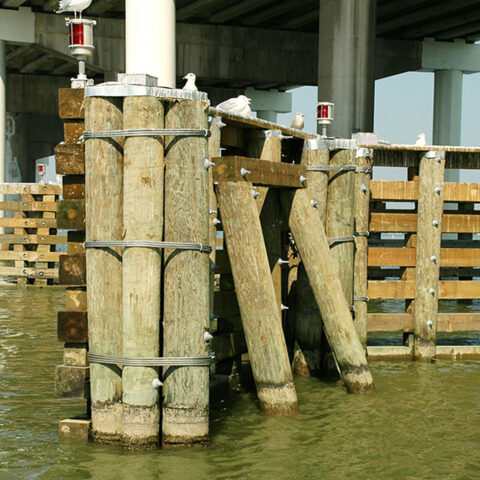
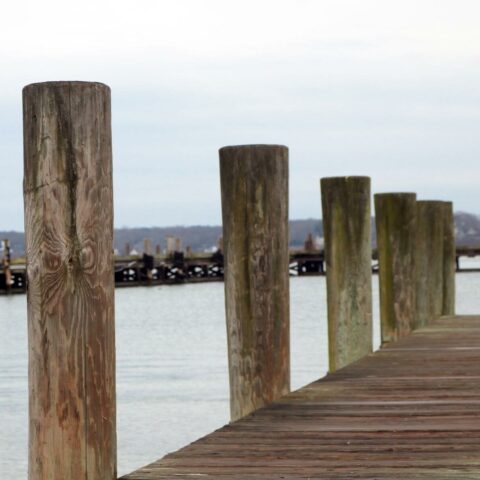
Class A Wood Pilings

  • Largest standard wood piling class for heavy-duty structural support
  • CCA-treated Southern Yellow Pine resists marine and soil decay
  • Available in lengths up to 90+ feet for deep embedment
No Product Image
ANSI Certification ASTM Certification Made in America Certification High Wind Resistance Fire Resistance 5 Year Warranty
Our commitment to quality Our products are held to the highest standards for performance & reliability LED Lighting Supply Certification Stamp

Class A wood pilings are the largest standard treated wood piling class and are typically used for heavier-duty docks, piers, marinas, waterfront structures, bridges, boardwalks, and foundation projects. They provide a larger minimum diameter than Class B or Class C, making them a common choice when the project requires stronger support, higher load capacity, or more demanding structural performance. Class A pilings should be selected based on project specifications, required length, embedment depth, soil conditions, treatment level, water exposure, and structural load requirements.

View More
Find Faster - Try Filters!

Selected Filters

Certifications

Pole Height

Ansi Class

Material

SHOW FILTERS

Selected Filters

Certifications

Pole Height

Ansi Class

Material

Showing all 6 results

Class A Wood Pilings for Heavy-Duty Marine, Pier, Dock, and Foundation Projects

Class A pilings are the largest standard wood piling class and are typically selected for projects that require stronger support, larger minimum diameters, or heavier-duty structural performance. They are commonly used for commercial piers, larger docks, marinas, waterfront structures, foundation projects, bridges, boardwalks, and other applications where the piling class must support demanding load and exposure conditions. LED Lighting Supply provides Class A CCA-treated Southern Yellow Pine wood pilings for commercial, marine, and structural applications. Class A pilings are often selected when the project requires a larger piling diameter than Class B or Class C, or when the engineer, contractor, or project specification calls for the highest standard class available. Before ordering Class A pilings, confirm the required length, diameter, treatment level, embedment depth, soil conditions, water exposure, structural load, and local code requirements with the project engineer, contractor, or authority having jurisdiction.

When to Choose Class A Pilings

Class A pilings are generally used when the project requires the largest standard timber pile diameter and a higher level of structural support. They are not chosen only because they are larger. They should be selected because the project conditions, load requirements, exposure, or specifications call for them.

Application Why Class A May Be Required
Commercial piers Class A pilings may be specified where the pier carries heavier pedestrian, equipment, utility, or structural loads.
Marinas and waterfront facilities Larger pilings may be needed where boat impact, tidal movement, dock hardware, wave action, or long-term marine exposure increase project demands.
Heavy-duty dock projects Class A pilings can provide additional diameter and structural support for larger docks, commercial docks, and higher-use waterfront structures.
Foundation applications Class A pilings may be used where building loads, soil conditions, embedment depth, or design requirements call for a larger timber pile.
Boardwalks and bridges Public-use structures, longer spans, and higher load requirements may require the larger diameter and capacity associated with Class A piles.
Coastal and exposed sites Projects exposed to tide, storm surge, wave action, or severe marine conditions may require Class A pilings when specified by the project design.

Class A Piling Size Reference

Class A wood pilings are defined by minimum diameter requirements based on piling length. Diameter is commonly measured 3 feet from the butt, with a separate minimum tip diameter requirement. Final sizing should always be verified against the project specification and applicable standards.

Class A Length Range Minimum Diameter Reference
Under 40 ft 14" minimum diameter 3 ft from butt; 9" minimum tip diameter.
40 ft to 54 ft 14" minimum diameter 3 ft from butt; 9" minimum tip diameter.
55 ft to 74 ft 14" minimum diameter 3 ft from butt; 8" minimum tip diameter.
75 ft to 90 ft 14" minimum diameter 3 ft from butt; 7" minimum tip diameter.
Over 90 ft 14" minimum diameter 3 ft from butt; 6" minimum tip diameter.

Class A vs. Class B and Class C Pilings

Class A pilings are typically selected when a project needs the largest standard class. Class B and Class C pilings may be appropriate for lighter-duty or more cost-sensitive projects, but they should not be substituted for Class A when the project specification calls for the larger class.

Piling Class General Difference
Class A Pilings Largest standard wood piling class. Used when heavier-duty support, larger minimum diameter, or project specifications require it.
Class B Pilings Intermediate class for projects that need more support than Class C but do not require the largest Class A piling size.
Class C Pilings Economical class for lighter-duty applications when approved for the project loads and exposure conditions.

Key Factors to Confirm Before Ordering Class A Pilings

Class A piling selection should be based on project requirements, not assumptions. A larger piling may provide additional size, but it still needs the correct length, treatment, embedment, and installation method for the site.

Factor What to Review
Required length Confirm total piling length, including above-grade or above-water height and required embedment below grade or below the mudline.
Structural load Review vertical loads, lateral loads, impact loads, wave action, live loads, and structure type before ordering.
Soil conditions Sand, clay, rock, soft soil, fill, and mixed soils can affect pile length, installation method, and embedment depth.
Water exposure Freshwater, brackish water, saltwater, tidal exposure, and marine borer risk can affect treatment requirements and material suitability.
Treatment level Confirm the required CCA treatment retention for the application. Foundation, freshwater, saltwater, and marine borer zones may require different treatment levels.
Installation method Driving, drilling, and jetting may each be appropriate depending on soil type, site access, nearby structures, and contractor equipment.
Project specifications Review drawings, engineering notes, ASTM requirements, local code, and project documents before substituting another class or length.

Class A Pilings for Marine and Waterfront Use

Class A pilings are commonly used in marine and waterfront projects where larger pile size and stronger support are required. For docks, piers, marinas, and coastal structures, the correct treatment level is just as important as the piling class. A Class A piling that is not treated for the exposure conditions may not be suitable for the project. Saltwater, brackish water, freshwater, tidal movement, marine borers, storm surge, and boat impact should all be reviewed before ordering. The project specification should identify the required treatment retention and whether the piling is suitable for the site conditions.

Benefits of Class A Wood Pilings

Benefit Why It Matters
Larger standard class Class A pilings provide the largest standard wood piling class for projects that require heavier-duty support.
Commercial and marine suitability Class A pilings are commonly used for larger docks, piers, marinas, waterfront facilities, and structural applications when properly specified.
Treated wood performance CCA-treated Southern Yellow Pine can provide durable performance when the treatment level matches the exposure environment.
Known sizing standard Class A sizing gives contractors, engineers, and buyers a clear minimum diameter reference for project planning and ordering.
Cost-effective structural option For suitable projects, treated wood pilings may provide a practical alternative to steel, concrete, or composite piling systems.

Common Mistakes When Selecting Class A Pilings

Class A pilings are used for demanding applications, so mistakes in length, treatment, installation, or specification review can become expensive quickly.

  • Assuming Class A automatically solves every requirement: Class A provides a larger standard piling class, but load, treatment, embedment, and soil conditions still need to be verified.
  • Ordering by visible height only: Piling length must include required embedment below grade or below the mudline.
  • Using the wrong treatment level: A Class A piling for standard soil exposure may not be suitable for saltwater, brackish water, or marine borer zones.
  • Substituting Class B or Class C without approval: Do not downgrade piling class unless the project engineer or specification allows it.
  • Ignoring lateral loads and impact: Docks, piers, marinas, and waterfront structures may experience boat contact, wave action, current, and storm forces.
  • Overlooking soil conditions: Soft soil, rock, clay, sand, and fill can affect installation method and required embedment depth.
  • Skipping professional review: Class A pilings are often used in structural or safety-sensitive applications and should be confirmed by the appropriate project professional.

Get Help Selecting Class A Pilings

LED Lighting Supply can help review Class A piling options for docks, piers, marinas, waterfront structures, foundations, boardwalks, bridges, and other commercial or structural applications. We can help confirm available lengths, treatment options, quantity needs, delivery requirements, and project details before you order. Request a Class A piling quote and our Product Specialists can help review your application, required length, treatment level, quantity, and project requirements.

//