LED Squash and Racquetball Court Lights
- Even illumination helps players track fast ball movement
- Impact-resistant and glare-controlled fixture options available
- Controls-compatible models support occupancy sensors and dimming


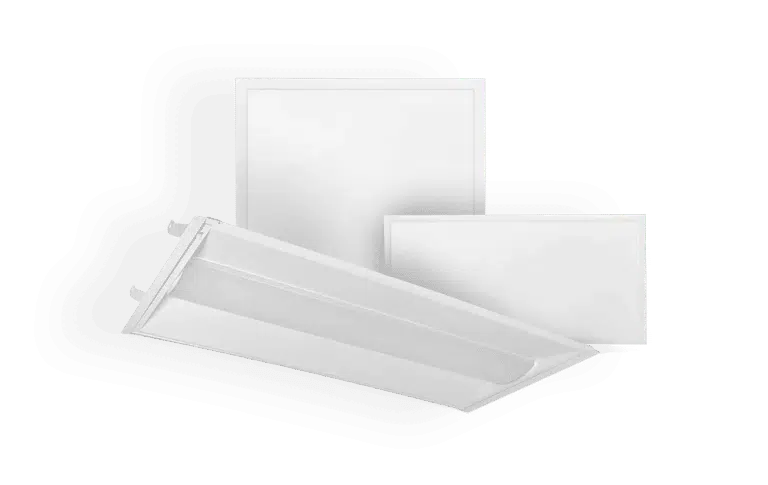
Our LED Lights for Squash and Racquetball Courts include LED sports court fixtures, linear LED fixtures, gymnasium lights, and impact-protected fixtures for enclosed indoor courts. Available models vary by wattage, lumen output, optics, lens type, color temperature, CRI, voltage, dimming, controls, and mounting method. Ceiling-mounted, upper-wall-mounted, recessed, surface-mounted, and guarded configurations are available depending on the model.
These fixtures are commonly used in squash courts, racquetball courts, school athletic facilities, clubs, training facilities, public recreation centers, and indoor competition spaces.




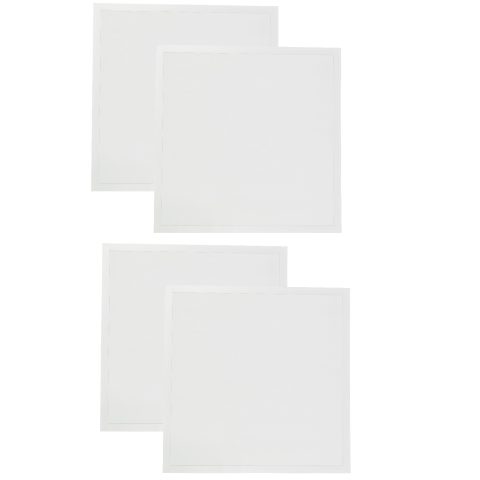

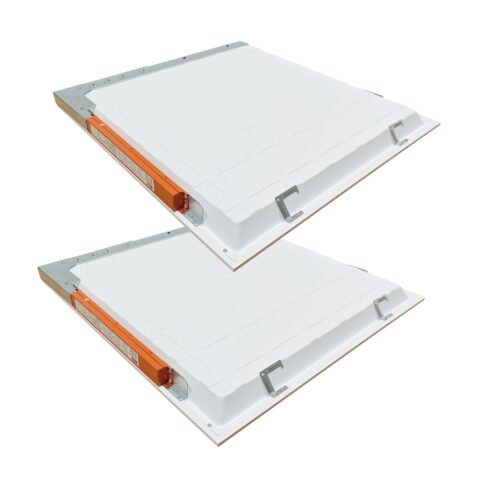

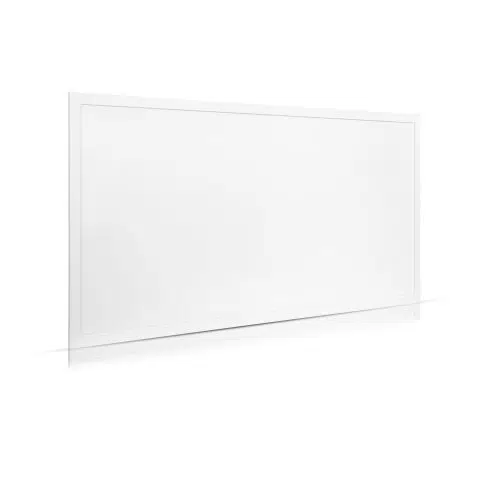
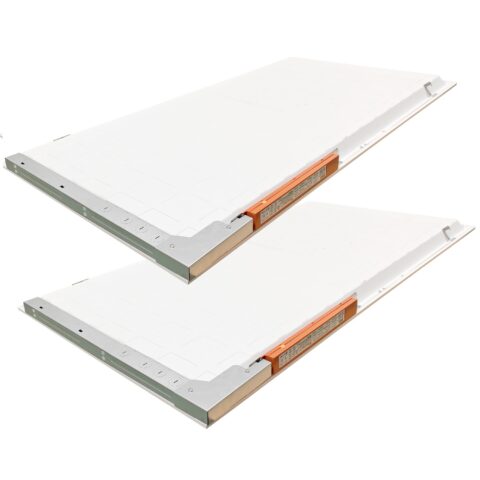

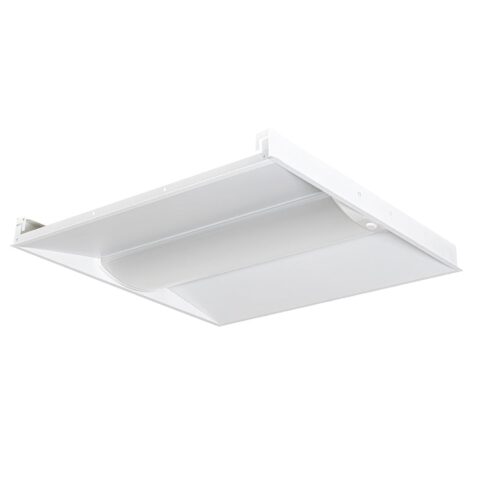
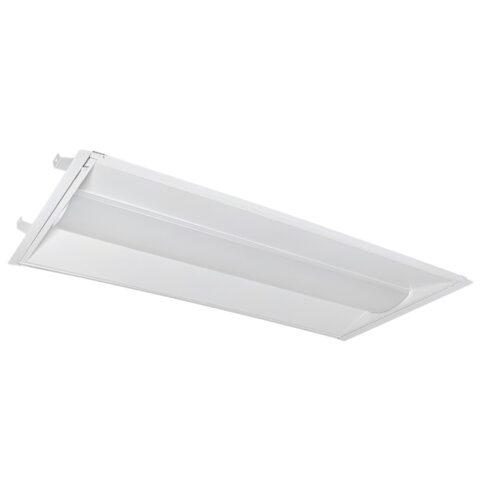
LED Squash and Racquetball Court Lighting
LED squash and racquetball court lighting is used to provide bright, even illumination in enclosed courts where players need to track a fast-moving ball against walls, ceilings, and flooring. Because these sports are played in compact indoor spaces with quick ball movement, fixture placement, glare control, impact resistance, color quality, and uniformity are especially important.
Most squash and racquetball courts use ceiling-mounted or upper-wall-mounted LED fixtures designed for indoor sports court lighting. Start by setting the court's intended use and target foot-candles. Then evaluate fixture placement and uniformity for the court layout, glare control and impact exposure, and the required mounting method, voltage, and controls. Court dimensions, ceiling height, wall reflectance, and whether the court is used for recreational play, school athletics, clubs, training facilities, or competition all affect fixture selection and layout.
Selection and Installation Note: Confirm that the selected fixture provides the required light output and distribution, mounting configuration, voltage, controls compatibility, lens or guard protection, impact rating where needed, safety listing, and warranty coverage. Verify the exact product specification before ordering. For athletic facilities, schools, clubs, public recreation centers, or code-sensitive spaces, verify requirements with the facility team, project specifier, local inspector, or a licensed electrical professional.
Recommended Foot-Candles for Squash and Racquetball Courts
Recommended light levels vary by level of play, court condition, wall color, ceiling height, fixture placement, glare control, and whether the court is used for recreation or competition. Use these ranges as a starting point for planning and confirm any league, owner, architect, or project-specification requirements.
- Recreational play: 40-70 foot-candles
- Competitive play: 60-100 foot-candles
Uniformity is important because players track the ball across the front wall, side walls, back wall, ceiling, and floor. Poor fixture placement can create shadows, bright spots, glare, or uneven visibility that affects play. Foot-candle results should be evaluated with a fixture-specific photometric layout using the selected fixture's IES data rather than fixture wattage alone.
Best Fixtures for Squash and Racquetball Court Lighting
Squash and racquetball courts typically need protected indoor fixtures selected for expected ball-impact exposure and consistent light across a compact playing area. The best fixture style depends on the facility design and mounting locations.
| Fixture Option | Best Fit |
|---|---|
| LED sports court fixtures | Indoor athletic courts where glare control, durability, and even coverage are priorities. |
| Linear LED fixtures | Courts where long, even light distribution is preferred along the ceiling or upper wall area. |
| LED gymnasium lights | Facilities using court-rated lighting across multiple indoor sports areas. |
| Impact-protected fixtures | Courts where fixtures may be exposed to direct ball impact or equipment contact. |
How to Choose Squash and Racquetball Court Lighting
| Selection Factor | What to Review |
|---|---|
| Target foot-candles | Recreational courts may need lower light levels than competitive courts. Confirm the target based on use. |
| Uniformity | Light should be consistent across the floor, walls, and playing zones so the ball remains visible during fast movement. |
| Glare control | Fixtures should be placed and shielded to reduce glare when players look upward, toward the front wall, or across the court. |
| Impact exposure | Review lens strength, fixture guards, mounting position, and impact rating where fixtures may be struck by the ball. |
| Color quality | Choose color temperature and CRI based on ball visibility, wall color, visual comfort, and facility preference. CCT describes the apparent warm or cool appearance of the light, while CRI describes color-rendering performance. |
| Controls | Occupancy sensors, timers, dimming, or scheduling may help reduce energy use in courts that are not continuously occupied when supported by the selected fixture and control system. |
| Mounting method | Confirm whether fixtures will be ceiling-mounted, wall-mounted, recessed, surface-mounted, or protected by cages or guards. |
Benefits of LED Squash and Racquetball Court Lighting
- Improved ball visibility: Properly selected LED fixtures can help players track fast ball movement across the walls, ceiling, and floor.
- Energy efficiency: LED fixtures can reduce energy use compared with older fluorescent or HID systems, with actual savings depending on wattage, controls, operating hours, and existing conditions.
- Instant-on operation: LEDs reach usable output quickly, which is helpful for courts used on demand or by reservation.
- Reduced maintenance: LED fixtures can reduce routine lamp and ballast replacement compared with older lighting systems.
- Controls compatibility: Fixtures equipped with compatible drivers and controls can support occupancy sensing, timers, dimming, or scheduling.
- Better visual comfort: Even light distribution and controlled glare can improve the playing experience for athletes and spectators.
Planning a Squash or Racquetball Court Lighting Upgrade
A court-lighting upgrade should begin with a site review rather than a one-for-one wattage replacement. Existing fixture locations may not provide the best distribution for LED optics, and a fixture that produces more lumens does not necessarily improve light on the walls, floor, or ball path.
- Document the existing court: Record court dimensions, ceiling height, fixture locations, mounting surface, electrical voltage, switching arrangement, and any obstructions such as beams, ducts, nets, or protective structures.
- Review the full visual field: Evaluate calculated light on the playing floor and the walls and upper court areas that players use to track the ball.
- Use fixture-specific photometrics: A lighting layout based on the selected fixture's IES file can help compare illuminance, uniformity, and likely glare conditions before installation.
- Plan impact protection: Confirm whether the selected lens, guard, mounting location, and fixture construction are suitable for the expected ball-impact exposure. A general indoor fixture is not automatically appropriate for direct-impact locations.
- Coordinate controls early: Verify sensor coverage, time delays, dimming drivers, control wiring, and compatibility with the facility's existing electrical and building-control systems.
- Consider maintenance access: Select mounting locations and fixtures that allow safe access for cleaning, inspection, and future service without disrupting court surfaces or operations.
- Verify installation requirements: A qualified electrical professional should confirm branch-circuit capacity, wiring methods, mounting details, and applicable electrical-code requirements.
LED Lighting Supply can help compare published fixture specifications and prepare photometric lighting plans using project information supplied by the customer. The project electrician, design professional, facility authority, and local authority having jurisdiction remain responsible for installation and code-compliance decisions.
Squash and Racquetball Court Lighting Certifications and Warranty Support
Confirm the selected fixture's safety listing, voltage, mounting configuration, and intended-use limitations in its product documentation. Products may carry a safety certification from an appropriately recognized testing organization, such as UL, ETL, or CSA.
Some models may be DLC or DLC Premium qualified, which can support utility-rebate applications where available. DLC qualification is an efficiency and performance program, not an electrical-safety certification. Rebate eligibility depends on the utility, region, installation date, and applicable product listing; confirm requirements with the utility and selected product documentation before ordering.
Before purchase, review the selected product documentation for warranty duration and coverage, safety listing, DLC status where applicable, voltage, controls compatibility, mounting method, impact rating, and suitability for the court layout and player needs.
LED Squash and Racquetball Court Lights FAQs
What Light Levels Should I Plan For In A Squash Or Racquetball Court?
Use 40-70 foot-candles as a planning starting point for recreational play and 60-100 foot-candles for competitive play. The appropriate level also varies with court condition, wall color, ceiling height, fixture placement, and glare control.
How Should I Choose Between Fixture Types For An Indoor Court?
Choose the fixture style based on facility design and mounting locations. LED sports court fixtures fit indoor athletic courts where glare control, durability, and even coverage are priorities, while linear LED fixtures are suited to courts where long, even distribution is preferred along the ceiling or upper wall area.
Why Is Uniformity Important For Squash And Racquetball Court Lighting?
Uniform light is important because players track the ball across the front wall, side walls, back wall, ceiling, and floor. Poor fixture placement can create shadows, bright spots, glare, or uneven visibility that affects play.
What Should I Review If Fixtures May Be Hit By A Ball?
Review lens strength, fixture guards, mounting position, and impact rating where fixtures may be struck by the ball. Impact-protected fixtures are intended for courts where fixtures may be exposed to direct ball impact or equipment contact.
How Can I Reduce Glare In A Squash Or Racquetball Court?
Place and shield fixtures to reduce glare when players look upward, toward the front wall, or across the court. Fixture placement should also be reviewed for visibility in corners, back walls, and upper wall areas.
Should I Select Court Lighting By Wattage Alone?
No, wattage alone is not enough to select squash or racquetball court lighting. Light output, fixture placement, beam spread, mounting height, and uniformity matter more than wattage by itself.
What Controls May Be Available For Court Lighting?
Many LED fixtures can support occupancy sensors, timers, or dimming depending on the model. Sensors, timers, or scheduling controls may help reduce energy use in courts that are not continuously occupied.
What Product Details Should I Confirm Before Ordering?
Confirm the selected product specification for wattage, lumen output, optics, lens type, color temperature, CRI, voltage, dimming, controls, impact rating, mounting method, certifications, and warranty coverage. These details vary by model.