LED Stairwell Lights
- Wall and ceiling mount options for various stairwell layouts
- Models available with motion sensors or emergency battery backup
- USA-based support for fixture selection and specifications



Get Your Custom Lighting Plan With Product Recommendations
- Fixture placement designed around landing zones, tread visibility, and vertical illumination for safe navigation
- Fixture selection matched to mounting height, beam distribution, and color temperature for consistent stairway coverage
- LED options can reduce energy use and extend maintenance intervals in hard-to-access stairway locations


Our Commercial Stairway Lighting includes linear stairwell fixtures, round and square ceiling lights, vapor tight fixtures, and emergency battery backup models. Available products include wall- and ceiling-mounted configurations, with occupancy sensor and dimming options on select fixtures.
These fixtures are commonly used in commercial stairwells, landings, exit stairs, apartment buildings, schools, offices, parking garages, industrial buildings, enclosed stairs, open-air stairwells, and damp areas.




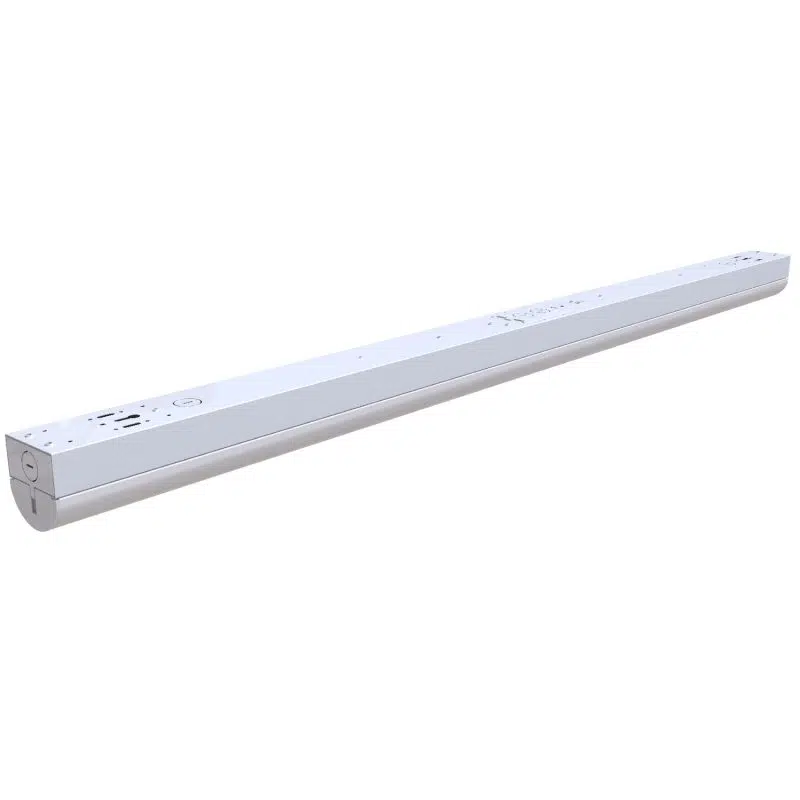


What Are LED Stairwell Lights?
LED stairwell lights are wall- or ceiling-mounted fixtures used in commercial stairwells, landings, exit stairs, apartment buildings, schools, offices, parking garages, industrial buildings, and other vertical circulation spaces. They provide visibility for people moving between floors and may also support emergency egress requirements when properly specified.
Common options include linear stairwell fixtures, round ceiling lights, square surface-mount fixtures, vapor tight fixtures, and emergency battery backup models. Some stairwell fixtures also include motion sensors or occupancy-sensing controls so the light can reduce output when the stairwell is unoccupied and return to full brightness when motion is detected.
Selection and Installation Note: Product specifications, wattage, lumen output, optics, color temperature, voltage, dimming, motion sensor compatibility, emergency battery backup, mounting method, wet-location rating, certifications, and warranty coverage vary by model. Confirm the selected product specification before ordering. For stairwells, exit stairs, egress paths, emergency lighting, multi-family buildings, parking garages, or code-sensitive applications, verify requirements with the facility team, local inspector, project specifier, or a licensed electrical professional.
How to Choose LED Stairwell Lighting
Start with the stairwell layout and mounting location, then confirm fixture output for the ceiling or wall height, emergency operation, controls, voltage, and environmental rating. Fixture selection depends on stairwell width, ceiling height, wall height, landings, direction changes, fixture spacing, emergency requirements, and whether the space is heated, damp, open-air, or enclosed.
| Selection Factor | What to Confirm |
|---|---|
| Mounting location | Wall-mounted fixtures can work well on landings and direction changes. Ceiling-mounted fixtures can work well in straight stair runs and enclosed stairwells. |
| Ceiling height | Lower ceilings may need lower-output fixtures or appropriate shielding to help control glare. Taller stairwells may need higher output or different optics. |
| Emergency operation | Confirm whether emergency battery backup, generator-backed circuits, or separate egress lighting is required. |
| Motion sensing | Motion-sensing controls are useful in low-traffic stairwells, but the dimming or standby level should still match facility and code requirements. |
| Color temperature | 4000K is common for commercial stairwells. 5000K may be used where a cooler white appearance is preferred. |
| Voltage | Confirm the fixture supports the building voltage, such as 120V, 277V, or another voltage listed on the selected product specification. |
| Environment | Parking garage stairwells, open-air stairs, and damp areas may require a fixture with an appropriate damp- or wet-location rating. Where exposure is significant, also verify the enclosure, materials, seals, and manufacturer environmental documentation. |
Common LED Stairwell Fixture Types
| Fixture Type | Best Fit |
|---|---|
| Linear stairwell fixtures | Good for enclosed stairs, landings, corridors connected to stairs, and long wall or ceiling runs. |
| Round or square ceiling fixtures | Good for smaller landings, compact stairwells, and areas where a low-profile fixture is preferred. |
| Vapor tight fixtures | Useful where a sealed fixture construction and the selected model’s environmental rating suit the moisture, dust, or outdoor exposure conditions. |
| Emergency battery backup fixtures | Used where the fixture must provide temporary illumination during a power outage, when required by the project or applicable code. |
| Sensor-ready stairwell fixtures | Useful for stairwells with intermittent traffic where dimming or occupancy-based control is desired. |
Motion Sensors and Emergency Backup
Motion-sensing controls can help reduce energy use in stairwells that are not occupied all the time. Some fixtures switch between full output and a lower standby level, while others may turn on only when motion is detected. The right control strategy depends on the building type, access hours, safety requirements, and local code interpretation.
Emergency battery backup may be required in some stairwells or egress paths. Confirm whether the project requires emergency lighting equipment, exit signs and emergency lighting, generator-backed circuits, or another approved emergency lighting method before ordering.
Installation and Mounting Considerations
LED stairwell lights should be installed by a qualified electrician. Mounting height, fixture spacing, sensor placement, and emergency operation should be reviewed before installation.
- Place fixtures to reduce shadows on steps, landings, and direction changes.
- Avoid fixture placement that creates glare at eye level when people climb or descend stairs.
- Confirm wall or ceiling mounting based on the stairwell layout and fixture type.
- Place sensors where they can detect people entering the stairwell, not just people already inside the stair run.
- Confirm emergency battery backup, test access, and maintenance access where required.
- Use fixtures with environmental ratings appropriate for moisture, dust, and outdoor exposure conditions.
Common Stairwell Lighting Mistakes
- Choosing by wattage alone: Fixture output, optics, mounting height, spacing, and stairwell layout matter more than wattage alone.
- Creating glare on stairs: Bright fixtures placed too low or aimed poorly can make stairs uncomfortable or harder to navigate.
- Missing landings and turns: Direction changes, landings, doors, and lower stair runs can become shadowed if fixture placement is not reviewed.
- Using the wrong sensor location: Sensors should detect people as they enter the stairwell, not only after they are already on the stairs.
- Assuming all fixtures include emergency backup: Emergency operation varies by model and must be confirmed on the product specification.
- Using dry-location fixtures in damp stairwells: Open-air and parking garage stairwells may require fixtures with an appropriate damp- or wet-location rating.
- Overstating energy savings: Savings depend on fixture wattage, control settings, operating hours, and the existing lighting system.
Stairwell Lighting Certifications and Warranty Support
Selected LED stairwell lights from LED Lighting Supply carry a safety listing or certification from a recognized testing organization, such as UL, ETL, or CSA, depending on product and application. Selected models may also be DLC or DLC Premium listed, which can support utility rebate eligibility where available. Warranty coverage varies by product; many models include a 5-year warranty, but confirm the warranty terms for the selected fixture.
Before ordering, confirm the selected fixture’s certifications, DLC status, voltage, controls compatibility, mounting method, environmental rating, emergency operation, and whether the fixture is right for the stairwell layout and safety requirements.
Contact us about LED stairwell lights, and our Product Specialists can help review stairwell layout, mounting height, fixture type, motion sensors, emergency backup, color temperature, and product specifications.
LED Stairwell Lights FAQs
How Do I Choose Between Wall-Mounted And Ceiling-Mounted Stairwell Lights?
Choose wall-mounted fixtures for landings and direction changes, and consider ceiling-mounted fixtures for straight stair runs and enclosed stairwells. Confirm the mounting method based on the stairwell layout and selected fixture type.
What Factors Should I Confirm Before Selecting LED Stairwell Lights?
Confirm the stairwell layout, mounting location, fixture output for the ceiling or wall height, emergency operation, controls, voltage, and environmental rating. Stairwell width, landings, direction changes, spacing, and whether the space is heated, damp, open-air, or enclosed also affect fixture selection.
When Should I Choose Linear Stairwell Fixtures?
Choose linear fixtures for longer stair runs, extended landings, corridors connected to stairs, or projects that benefit from a continuous lighting appearance. They are also good for long wall or ceiling runs.
Are Motion Sensors Suitable For LED Stairwell Lighting?
Motion sensors are useful in low-traffic or intermittently occupied stairwells when dimming or occupancy-based control is desired. The dimming or standby level should still match facility and code requirements, and sensors should detect people entering the stairwell rather than only people already inside the stair run.
How Do I Confirm Whether Emergency Battery Backup Is Needed?
Confirm whether the project requires emergency battery backup, generator-backed circuits, separate egress lighting, or another approved emergency lighting method before ordering. Emergency operation varies by model, and emergency-capable models should be chosen only when their listed emergency function and runtime meet established project requirements.
What Environmental Rating Should Stairwell Fixtures Have?
Parking garage stairwells, open-air stairs, and damp areas may require a fixture with an appropriate damp- or wet-location rating. Where exposure is significant, verify the selected fixture's enclosure, materials, seals, environmental rating, and manufacturer environmental documentation.
How Can Stairwell Fixture Placement Help Avoid Shadows And Glare?
Place fixtures to reduce shadows on steps, landings, and direction changes while avoiding placement that creates glare at eye level for people climbing or descending stairs. Review mounting height, fixture spacing, and stairwell layout before installation.
What Product Details Should Be Confirmed Before Ordering LED Stairwell Lights?
Confirm the selected fixture's certifications, DLC status, voltage, controls compatibility, mounting method, environmental rating, emergency operation, and suitability for the stairwell layout and safety requirements. Specifications, warranty coverage, and available features vary by model.