


Light Pole Accessories
- Cross arms, bullhorns, tenon adapters, and installation kits available
- Aluminum and bronze material options for different environments
- Compatibility guidance available from product specialists



Our Light Pole Accessories include cross arms, installation kits, bullhorns, tenon adapters, and mounting brackets for fixture attachment and pole-mounted lighting systems. Available options include aluminum and bronze components, cross arms from 4 to 20 feet, and bullhorn extensions from 2 to 12 feet. Installation kits include mounting brackets, galvanized bolts, wiring access components, and grommets.
These products are used for parking lot and perimeter lighting, facade lighting, sign illumination, architectural lighting projects, and retrofit installations with existing poles and modern LED fixtures.
-
 Starting At $45.45
-
Starting At $198.18
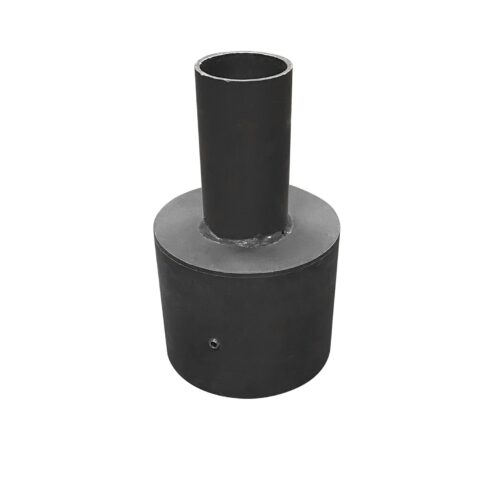


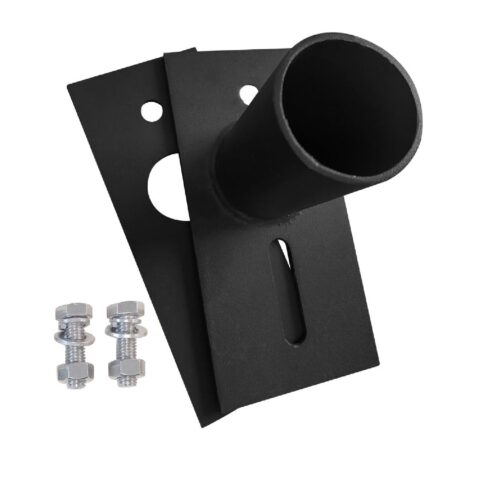
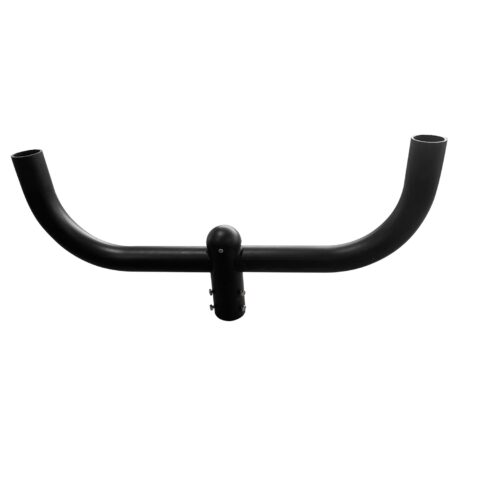
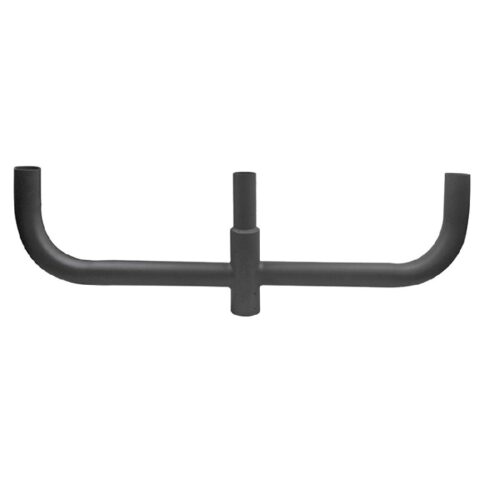
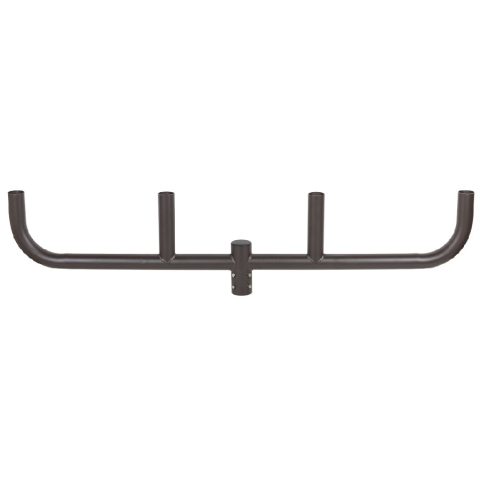
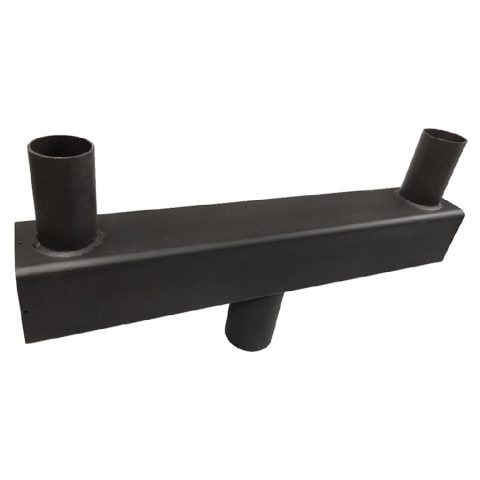
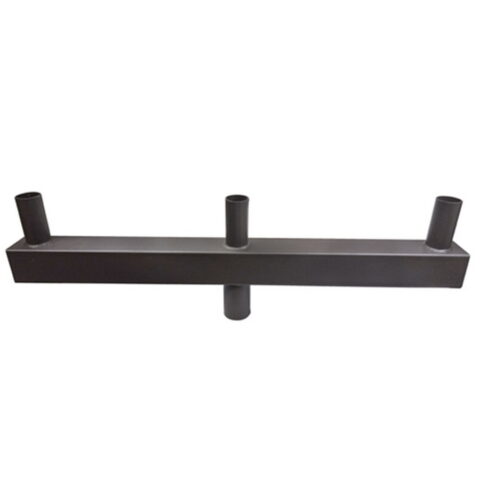
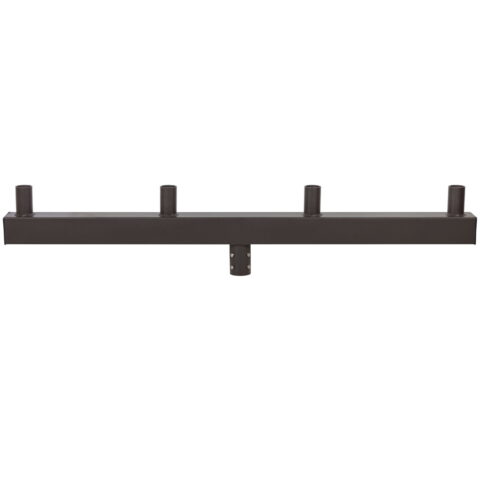
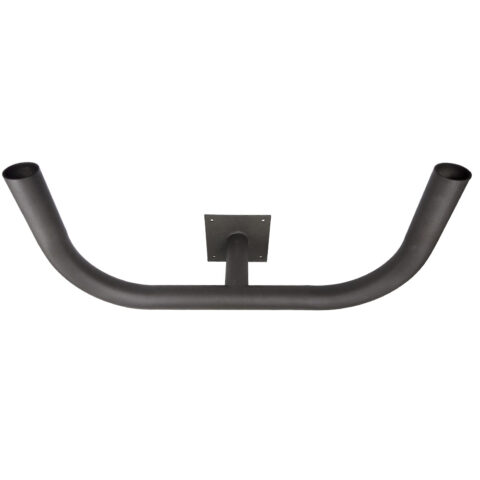
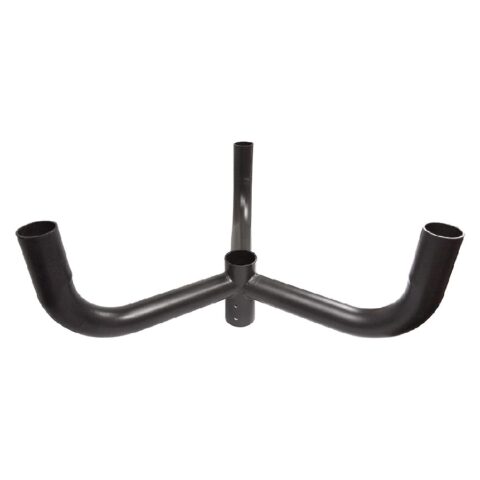
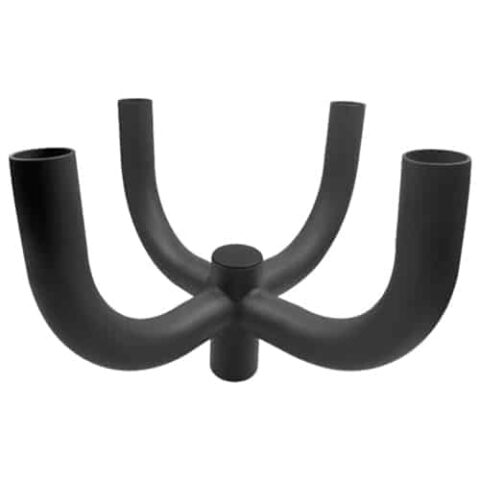
Light pole accessories are used in commercial and industrial lighting installations to connect fixtures to poles, create additional mounting positions, adapt incompatible mounting interfaces, and support the intended fixture layout. At LED Lighting Supply, our selection includes cross arms, installation kits, bullhorns, tenon adapters, and other mounting components for light pole systems. We also offer light pole mounting brackets designed for different fixture and pole configurations.
Selection and Structural Note: Accessory compatibility and structural capacity vary by product and project. Confirm pole height, pole type, fixture weight, fixture EPA, accessory weight and EPA, mounting geometry, attachment method, site design wind speed, ice or other environmental loading where applicable, and pole/manufacturer limitations before ordering. Adding a cross arm, bullhorn, adapter, banner, camera, sign, or additional fixture changes the loading on the pole. Structural suitability of the complete pole, accessory, fixture, foundation, and site configuration should be verified by the pole manufacturer, project engineer, or other qualified structural professional where required.
What Are Light Pole Accessories?
Mounting accessories connect lighting fixtures to poles and help establish the required fixture position, orientation, and mounting interface. With over 15 years in commercial lighting, we have seen how properly selected accessories, including parking lot light pole accessories, can simplify new installations and retrofit projects.
Cross arms can provide multiple fixture mounting points on one pole. Installation kits package compatible mounting hardware for a specific pole or fixture configuration. Bullhorns extend fixtures away from the pole centerline or create multiple elevated mounting positions. Tenon adapters can connect fixtures and poles with otherwise incompatible mounting interfaces.
Each accessory should be selected as part of the complete pole-and-fixture system. The mounting component itself does not determine the structural capacity of the finished installation.
Selecting the Right Light Pole Accessories
Start by choosing the accessory type based on the mounting objective: cross arms for multiple fixtures, installation kits for compatible fixture attachment, bullhorns for extended or multi-fixture positioning, or tenon adapters for mismatched pole and fixture mounting interfaces.
Then verify compatibility among the pole, accessory, fixture, mounting hardware, and site conditions. Important information can include:
- Pole material, height, shape, shaft dimensions, and mounting type
- Pole-top or tenon dimensions
- Fixture mounting interface
- Fixture quantity and mounting position
- Fixture weight and effective projected area (EPA)
- Accessory weight and EPA
- Arm length, offsets, and mounting geometry
- Site-specific design wind requirements
- Ice or other environmental loading where applicable
- Foundation and anchor-base configuration
- Existing attachments such as banners, cameras, signs, or equipment
- Manufacturer and project structural requirements
Material selection should also reflect environmental exposure, including moisture, salt, chemicals, temperature, and corrosion conditions.
Our team can help review dimensional compatibility, fixture mounting requirements, and product specifications. Final structural capacity of the complete pole assembly should be verified against the project requirements and applicable pole/manufacturer data.
Types of Light Pole Accessories
Cross Arms
Horizontal cross arms create additional mounting points on a single pole and can support multiple fixtures or different fixture orientations. They are commonly used for parking lots, roadways, large outdoor areas, sports facilities, and perimeter lighting where multiple luminaires need to be mounted on one pole.
Cross-arm considerations include:
- Number of fixture mounting positions
- Cross-arm length and configuration
- Fixture weight and EPA
- Cross-arm weight and EPA
- Fixture spacing and offset from the pole centerline
- Pole-top or tenon compatibility
- Fastener and mounting requirements
- Site design wind and environmental loading
Do not select a cross arm solely from a generic wind-speed statement. A cross arm may be rated or engineered for particular loading conditions, but the complete assembly must still be checked against the pole’s allowable fixture and accessory loading for the applicable site conditions.
Installation Kits
Complete mounting kits can package the hardware needed for a particular fixture and pole configuration, helping reduce the chance of missing components during installation. Depending on the product, a light pole mounting kit may include:
- Mounting brackets or plates
- Bolts, washers, nuts, and related hardware
- Wiring access components or grommets
- Fixture or pole adapters
- Manufacturer installation instructions
Kit contents, bolt grade, finish, dimensions, and torque requirements vary by product. Use the supplied manufacturer specifications rather than assuming every installation kit includes the same hardware or torque values.
Bullhorns
Bullhorns are pole-top mounting assemblies that extend one or more fixture positions above or away from the pole. They can be useful for parking lots, roadway areas, sports or recreation areas, building perimeters, and other applications where fixture position or orientation needs to change.
Selection factors include:
- Number of fixture mounting positions
- Bullhorn dimensions and offsets
- Fixture weight and EPA
- Bullhorn weight and EPA
- Pole or tenon dimensions
- Fixture mounting interface
- Site-specific wind and environmental loading
- Complete pole-system structural capacity
For certain applications, a steel light pole mounting arm may provide the required fixture positioning. The specific product should be matched to both the fixture and pole.
Tenon Adapters
Tenon adapters connect poles, arms, bullhorns, or fixtures with different mounting dimensions. They are useful for retrofit projects where an existing pole is being reused with a new LED fixture.
Benefits can include:
- Compatibility between existing poles and new fixtures
- Avoiding unnecessary pole replacement when the existing structure remains suitable
- Adapting different pole-top and fixture mounting dimensions
- Supporting retrofit projects with nonstandard mounting interfaces
Proper adapter selection requires confirming both sides of the connection, including tenon diameter, adapter dimensions, fixture mounting method, fastener requirements, fixture loading, and the structural suitability of the existing pole.
Materials Used in Light Pole Accessories
Light pole accessories may be manufactured from steel, aluminum, or other materials depending on the product, required strength, pole construction, finish, and environmental exposure.
Steel accessories are commonly used where strength, rigidity, and compatibility with steel pole systems are important. Protective finishes such as galvanizing, powder coating, or other coating systems may be used depending on product and environment.
Aluminum accessories can provide lower weight and good corrosion resistance and may be appropriate for aluminum poles or other compatible systems.
Material alone does not establish suitability for coastal, chemical, corrosive, or other demanding environments. Confirm the complete material and finish system, including:
- Base material
- Coating or finish
- Fastener material
- Galvanic compatibility between dissimilar metals
- Salt or coastal exposure
- Chemical exposure
- Moisture and humidity
- Maintenance expectations
Our team can help identify available material and finish options, but project-specific corrosion requirements should be confirmed from the product specification and site conditions.
Understanding EPA and Pole Accessory Loading
Light pole accessories affect more than fixture position. They can also change the structural loading on the pole.
EPA, or Effective Projected Area, represents the wind-loading effect of a fixture, arm, bracket, or other attachment based on its exposed area and aerodynamic characteristics. Pole manufacturers commonly publish allowable EPA values for specific pole configurations and design wind speeds.
When accessories are added, review the combined loading from:
- All luminaires
- Cross arms
- Bullhorns
- Tenon adapters and mounting hardware where applicable
- Cameras
- Signs
- Banners and flags
- Wireless equipment
- Other pole-mounted attachments
The combined fixture and accessory EPA and weight must remain within the allowable limits for the specific pole and project conditions. Extending a fixture farther from the pole centerline can also increase bending moment even when fixture weight remains unchanged.
Installation Considerations
Light pole accessory installation should be evaluated as part of the complete pole, fixture, accessory, foundation, and site system. There is no single wind-speed or ice-load value that applies to every installation.
Structural review should consider the design criteria applicable to the actual project location, including the required wind speed and any applicable ice, snow, or other environmental loading. The complete mounted assembly should then be checked against the pole manufacturer’s published ratings or an engineered structural design.
Important structural factors include:
- Site design wind speed: Use the value applicable to the project location and governing design criteria rather than assuming a universal 120 mph, 150 mph, or other wind speed.
- Fixture EPA: Include the effective projected area of every luminaire mounted on the pole.
- Accessory EPA: Include cross arms, bullhorns, brackets, adapters, and other attachments that contribute wind area.
- Fixture and accessory weight: Static weight contributes to pole and mounting-system loading.
- Mounting geometry: Arm length, fixture offset, orientation, mounting height, and distance from the pole centerline affect structural forces.
- Ice loading: Where ice loading is part of the applicable project design criteria, use the required local or project-specific load rather than assuming a universal ice thickness.
- Additional attachments: Signs, banners, flags, cameras, antennas, wireless equipment, and other accessories can materially change pole loading.
- Pole rating: Verify the proposed configuration against the allowable EPA, weight, and mounting limitations for the exact pole.
- Foundation and anchors: Pole capacity alone does not establish the adequacy of the anchor bolts, base plate, direct-burial installation, or foundation.
- Existing poles: When retrofitting an existing pole, its age, corrosion, damage, original design, prior modifications, and available engineering information should be considered before adding new loads.
Manufacturer installation instructions should also be followed for fasteners, bolt tightening or torque requirements, attachment details, wiring access, orientation, and other installation requirements.
LED Lighting Supply can help assemble fixture weights, fixture EPA values, accessory specifications, mounting dimensions, and pole information for a project. We should not represent product compatibility review as certification that an existing or proposed pole system has adequate structural capacity. Where structural verification is required, the complete configuration should be reviewed by the pole manufacturer, structural engineer, or other qualified professional.
Retrofitting Accessories onto Existing Light Poles
Adding accessories to an existing pole requires more than confirming that the mounting dimensions fit. New LED fixtures, cross arms, bullhorns, or other components can change the pole’s wind area, total weight, loading orientation, and bending moment.
Before adding or changing pole-mounted equipment, confirm available information such as:
- Pole manufacturer and model
- Pole material and age
- Pole height and shaft dimensions
- Original drawings or structural data where available
- Existing fixture quantity, weight, and EPA
- Proposed fixture quantity, weight, and EPA
- Existing and proposed arm or accessory configuration
- Visible corrosion, damage, section loss, or previous repairs
- Base plate, anchor bolts, or direct-burial condition
- Foundation information where available
- Site design wind and environmental requirements
A lighter LED fixture does not automatically create a lower structural load than the fixture it replaces. Fixture shape, EPA, quantity, mounting offset, brackets, and orientation can change wind loading even when the new fixture weighs less.
Find the Right Light Pole Accessories
The right light pole accessory should provide the required mounting interface and fixture position while remaining compatible with the complete pole system and project design requirements.
Whether you need a cross arm, bullhorn, tenon adapter, mounting bracket, or installation hardware, start with the pole and fixture specifications and then confirm the proposed accessory configuration.
Contact our Product Specialists for help reviewing pole dimensions, fixture mounting requirements, accessory compatibility, fixture weight and EPA data, and available product options. For structural capacity, foundation design, or site-specific wind and ice verification, use the pole manufacturer, project engineer, or other qualified structural professional.
Light Pole Accessories FAQs
How Do I Choose Between A Cross Arm, Bullhorn, Installation Kit, Or Tenon Adapter?
Choose the accessory based on the mounting objective: cross arms provide multiple fixture mounting points, bullhorns provide extended or multi-fixture positioning, installation kits package hardware for a particular fixture and pole configuration, and tenon adapters connect mismatched mounting interfaces.
What Information Should I Confirm Before Ordering A Light Pole Accessory?
Confirm compatibility among the pole, accessory, fixture, mounting hardware, and site conditions before ordering. Relevant information can include pole dimensions and mounting type, fixture interface, fixture and accessory weight and EPA, mounting geometry, existing attachments, environmental loading, and manufacturer or project structural requirements.
Can A Tenon Adapter Be Used When Retrofitting An Existing Light Pole?
Tenon adapters can be useful for retrofit projects where an existing pole is reused with a new LED fixture and the mounting interfaces have different dimensions. Proper selection requires confirming tenon diameter, adapter dimensions, fixture mounting method, fastener requirements, fixture loading, and the structural suitability of the existing pole.
Can I Add A Cross Arm Or Bullhorn To An Existing Light Pole?
Adding a cross arm, bullhorn, or other component to an existing pole requires more than confirming that mounting dimensions fit because the new equipment can change wind area, total weight, loading orientation, and bending moment. Consider the pole manufacturer and model, available structural data, existing and proposed fixture and accessory loading, pole condition, foundation information, and site design requirements.
How Do Light Pole Accessories Affect Pole Loading?
Light pole accessories can change the structural loading on a pole through their weight, EPA, mounting geometry, and offset from the pole centerline. The combined fixture and accessory EPA and weight must remain within the allowable limits for the specific pole and project conditions.
Does A Lighter LED Fixture Automatically Reduce Structural Load On An Existing Pole?
No, a lighter LED fixture does not automatically create a lower structural load than the fixture it replaces. Fixture shape, EPA, quantity, mounting offset, brackets, and orientation can change wind loading even when the new fixture weighs less.
How Should I Evaluate Material And Finish For Light Pole Accessories?
Evaluate the complete material and finish system against the environmental exposure and compatible pole system. Confirm the base material, coating or finish, fastener material, galvanic compatibility between dissimilar metals, and exposure to salt, chemicals, moisture, humidity, or other corrosive conditions.
What Should Be Verified For The Complete Light Pole Assembly?
The complete pole, accessory, fixture, foundation, and site configuration should be checked against the pole manufacturer's published ratings or an engineered structural design where required. Pole capacity alone does not establish the adequacy of the anchor bolts, base plate, direct-burial installation, or foundation.
