High Temperature LED Lights
- Fixtures rated from 176°F to 392°F depending on model
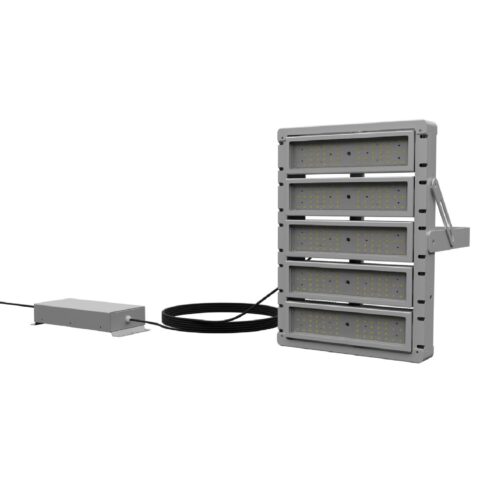
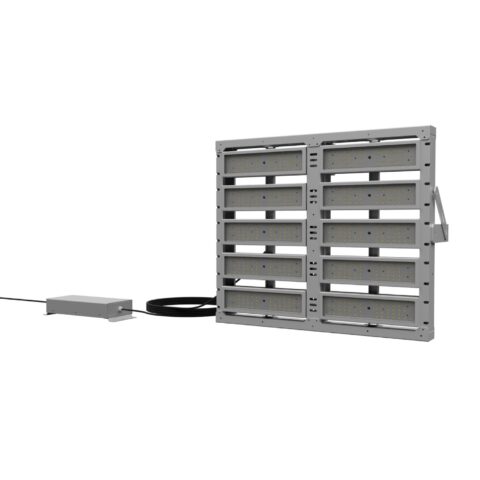
- Remote driver options available for extreme heat zones
- Application support for industrial high-temperature environments
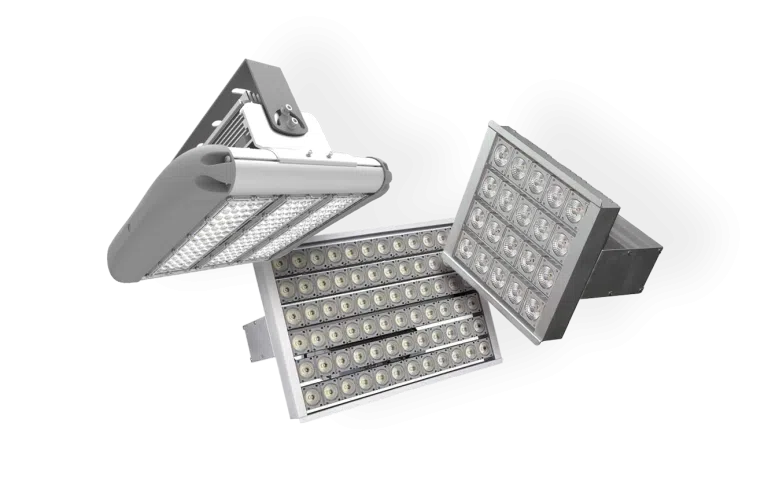


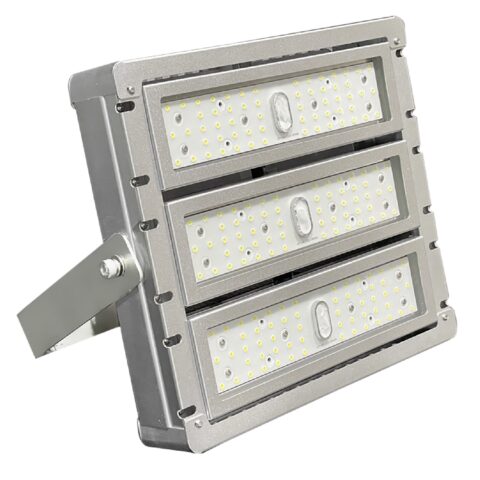
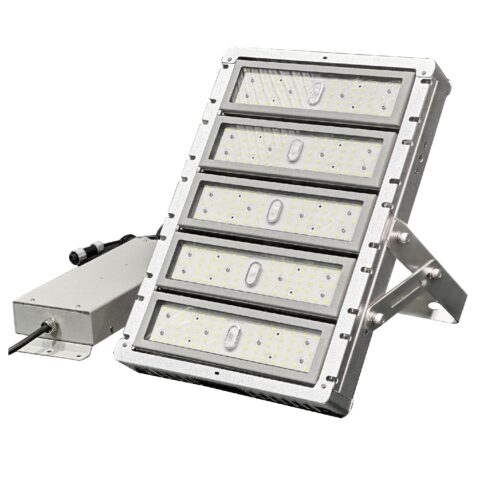
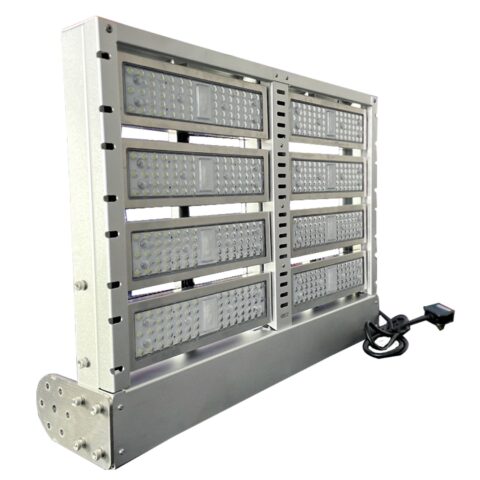
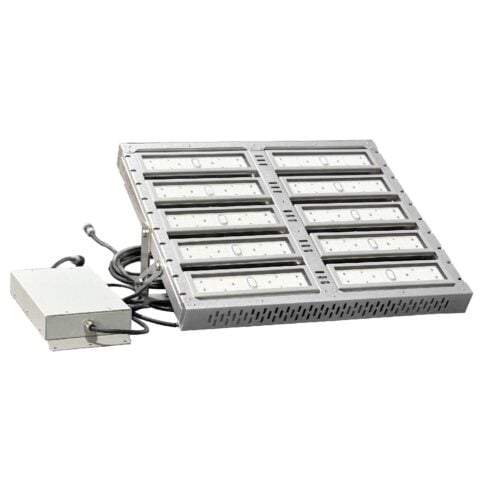
Our LED High Temperature Lighting includes industrial fixtures rated for ambient temperatures from 176F / 80C to 392F / 200C. Available models include high-temperature and high-temperature explosion-proof lights, with remote driver configurations available for select extreme-temperature fixtures.
These fixtures are commonly used in steel mills, foundries, power plants, aluminum smelting facilities, glass manufacturing plants, kilns, industrial ovens, pulp and paper mills, boiler rooms, turbine halls, and hot process areas.




What Are Industrial LED High Temperature Lights?
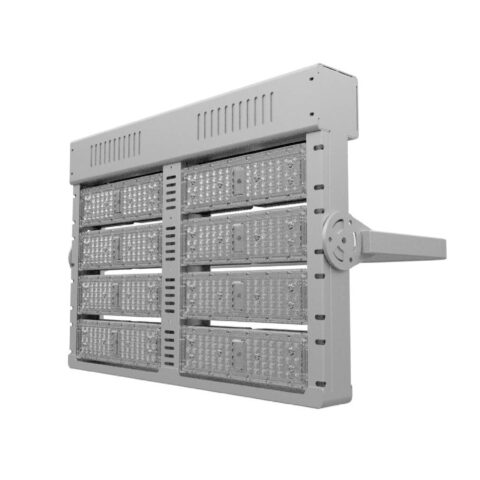
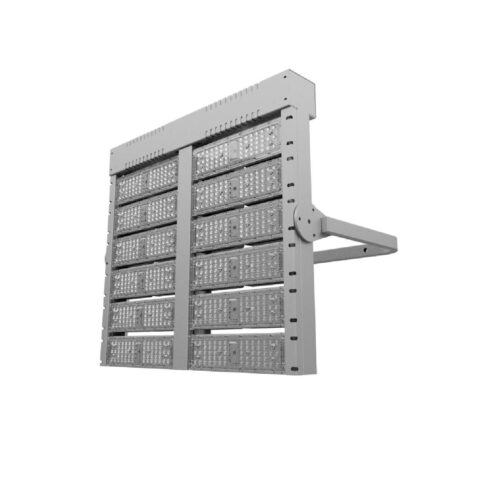
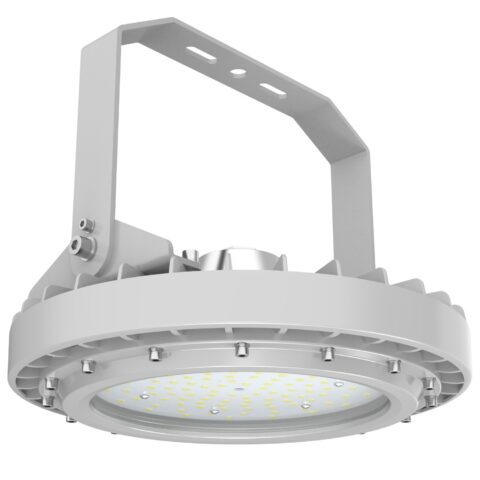
Standard LED fixtures can fail prematurely when ambient temperatures exceed their operating limits. High temperature LED lights are engineered for industrial environments where sustained heat, radiant heat, poor airflow, dust, vibration, moisture, or other harsh conditions can damage conventional lighting.
These fixtures use heat-resistant components, thermal management systems, durable housings, and specialized driver designs to operate in elevated ambient temperatures ranging from 176°F / 80°C to 392°F / 200°C, depending on the model. Some high-temperature fixtures support remote driver installation, which can keep sensitive electrical components away from the hottest areas when installed according to the manufacturer’s instructions.
High temperature LED lights are commonly used in steel mills, foundries, power plants, aluminum smelting facilities, glass manufacturing plants, kilns, industrial ovens, pulp and paper mills, boiler rooms, and other heat-intensive industrial environments where standard fixtures are not suitable.
Selection and Installation Note: Product specifications, ratings, controls, certifications, and warranty coverage vary by model. Confirm the selected product specification before ordering. For code-sensitive, electrical, emergency, hazardous-location, or safety-critical applications, verify requirements with your local inspector or a licensed electrical professional.
Choosing High Temperature Lights by Temperature Rating, Mounting, Driver Location, and Environment
The most important selection factor is the measured temperature at the fixture location. Facility temperature, floor-level temperature, and fixture-level temperature may be very different. Heat stratification, radiant heat, thermal plumes, poor airflow, and nearby process equipment can all affect fixture life.
Choose in this order: measure the sustained ambient temperature at the mounting location, select a fixture rated for that temperature, then confirm mounting height, driver location, voltage, environmental exposure, light levels, and whether the area also has hazardous-location requirements. Do not select based only on the general facility temperature.
High Temperature Ratings and Product Types
| Temperature Rating | Best Used For |
|---|---|
| 176°F / 80°C High Temperature LED Lights | General elevated-temperature industrial areas where standard LED fixtures are not suitable, including spaces near ovens, process equipment, hot mechanical rooms, and manufacturing zones with sustained heat. |
| 194°F / 90°C High Temperature LED Lights | Hot industrial spaces, power generation areas, pulp and paper applications, and facilities needing more thermal headroom than a 176°F / 80°C fixture. |
| 212°F / 100°C High Temperature LED Lights | Severe high-heat environments such as turbine halls, boiler rooms, and process areas where temperatures approach or exceed 200°F. |
| 302°F / 150°C High Temperature LED Lights | Extreme industrial applications such as aluminum smelting, glass manufacturing, hot process zones, and areas near furnaces or kilns where elevated ambient temperatures require a higher-rated fixture. |
| 392°F / 200°C High Temperature LED Lights | Severe heat zones, such as steel mills, foundries, electric arc furnace buildings, and other applications requiring fixtures designed for extreme ambient temperatures. Review driver location, cable routing, and installation requirements carefully. |
| 194°F / 90°C High Temperature Explosion Proof Lights | Classified hazardous locations that also require elevated ambient temperature capability. Always verify the required Class, Division or Zone, Group, temperature code, certification, ambient temperature rating, voltage, and installation requirements before ordering. |
Important for 392°F / 200°C fixtures: 392°F / 200°C applications are extreme, model-specific installations. Many fixtures in this range use remotely located drivers, but the required driver arrangement varies by product. Confirm continuous operating temperature, lumen output, driver location, cable routing, ambient temperature at the driver location, and installation requirements on the selected product specification before ordering.
Thermal and Installation Planning Checklist
| Planning Step | What to Confirm |
|---|---|
| Measure temperature at the fixture | Confirm the sustained ambient temperature where the fixture will actually be installed. Ceiling-level or equipment-level temperatures can be much higher than floor-level readings. |
| Review radiant heat | Furnaces, molten metal, kilns, boilers, ovens, stacks, turbines, and hot process equipment may create radiant heat that exceeds surrounding air temperature. |
| Avoid thermal plumes | Do not mount fixtures directly in furnace exhaust streams, superheated airflows, or direct thermal plumes that exceed fixture ratings. |
| Confirm driver placement | Remote drivers should be installed away from the high-heat source and within the driver’s rated ambient temperature range. |
| Maintain airflow where possible | Hot stagnant air around the fixture housing or heat sink can reduce performance and service life. |
| Check environmental ratings | Dust, steam, moisture, washdown, vibration, chemical exposure, and corrosion may require additional fixture ratings or materials. An IP rating addresses ingress protection and does not by itself establish chemical, corrosion, or hazardous-location suitability. |
| Verify hazardous-location requirements | If the area is classified, use a fixture with the required hazardous-location certification and confirm the temperature rating separately. High-temperature, vapor-tight, or IP-rated construction does not by itself establish hazardous-location approval. |
| Use qualified installers | Installation should follow the product listing, manufacturer instructions, applicable electrical code, and site requirements. |
Nuclear facilities, hazardous locations, and other safety-sensitive environments may require additional documentation, specialized hardware, or project-specific review. Final fixture selection and installation must comply with applicable site requirements and should be performed by qualified, licensed professionals.
Recommended Foot-Candles for High Temperature Industrial Lighting
Use the tool below to find general starting foot-candle ranges for high-temperature applications. The widget helps estimate light levels for steel mills, foundries, turbine halls, boiler rooms, glass manufacturing, aluminum smelting, kilns, industrial ovens, pulp and paper mills, high-temperature walkways, and related heat-intensive industrial areas.
Foot-candle guidance helps with light-level planning, but it does not determine whether a fixture is suitable for high ambient temperature, radiant heat, direct thermal plume exposure, remote-driver installation, hazardous-location classification, voltage, corrosion, washdown, vibration, or other environmental requirements.
Step 1: Find your foot candle levels
Step 2: Estimate your fixture count and space
High Temperature Lighting Layout Estimator
Use this estimator to calculate approximate fixture count, spacing, and average foot-candles for hot industrial spaces, manufacturing areas, and high ambient temperature locations using high temperature LED fixtures. Enter your room dimensions, mounting height, target foot-candles, light loss factor, and room/layout condition to generate a preliminary lighting layout. When IES photometry is available, workplane height and room reflectance controls are shown.
Project Inputs
Estimated Results
Estimated average foot-candles are preliminary and should be verified with a lighting plan for project-critical applications.
Room / Layout Condition: This field is used only when usable IES photometry is not available. In fallback mode, it acts as a simplified room utilization factor for reflectance, fixture distribution, racking, obstructions, and how much fixture light reaches the work area. Open / light-colored spaces use 0.90, typical warehouses or shops use 0.75, racked or obstructed spaces use 0.60, and dark or complex spaces use 0.45. When IES photometry is active, this field is hidden and the estimator uses the selected workplane height, LLF, and simplified reflectance adjustment instead.
Photometry / Simulation Note: When usable IES photometry is available for the selected fixture, this estimator uses the fixture’s IES candela data, selected workplane height, light loss factor, and simplified reflectance adjustment to estimate fixture count, average foot-candles, and visual light distribution. The reflectance adjustment is a conservative approximation and is not a full zonal-cavity, radiosity, or professional photometric room calculation. When IES photometry is not available, the estimator uses a simulated beam model based on lumens, mounting height, room/layout condition, light loss factor, and beam angle.
Preliminary Estimate Only: This estimator is intended for simple square or rectangular spaces and should be used as a planning aid, not a final photometric lighting plan. Actual light levels may vary based on fixture optics, selected IES file, mounting conditions, workplane height, ceiling height, surface reflectance, obstructions, controls, voltage, installation conditions, and site-specific requirements. Project-critical applications should be verified with a formal lighting plan.
This estimate is a starting point. Warehouses, industrial facilities, hazardous locations, sports areas, schools, healthcare spaces, public areas, and code-sensitive projects may require a reviewed lighting layout before purchase or installation.
When High Temperature LED Lights Are the Right Fit
High temperature LED fixtures are used when standard commercial or industrial LED fixtures cannot reliably operate at the fixture location. They are especially useful in hot industrial spaces where lighting failures create maintenance problems, downtime, access issues, or visibility concerns.
| Use High Temperature LED Lights When | Do Not Use Them as a Shortcut When |
|---|---|
| Ambient temperatures exceed standard fixture limits, or existing fixtures fail early because of heat exposure. | The fixture location remains within a standard LED fixture’s rated operating range. A standard industrial LED fixture may be more appropriate. |
| The fixture will operate in sustained elevated heat, not just brief or occasional temperature spikes. | The fixture would be mounted directly in a furnace exhaust stream, superheated airflow, or direct thermal plume that exceeds the fixture rating. |
| The environment includes heat plus dust, vibration, moisture, steam, chemicals, or difficult maintenance access. | The area requires explosionproof or hazardous-location lighting, and the selected high-temperature fixture does not carry the required hazardous-location certification. |
| The project involves steel mills, foundries, power generation, aluminum smelting, glass manufacturing, kilns, industrial ovens, or boiler areas. | The issue is only low light output, poor spacing, or outdated HID fixtures without a high ambient temperature problem. |
| Maintenance access is limited and heat-related failures are creating recurring service costs. | Rapid thermal cycling, impact, washdown, corrosion, or chemical exposure exceeds what the selected model is designed to handle. |
Waymo’s Testing Heat Chambers Use High Temperature LED Lighting Case Study
The Backstory of Our Partnership With Waymo
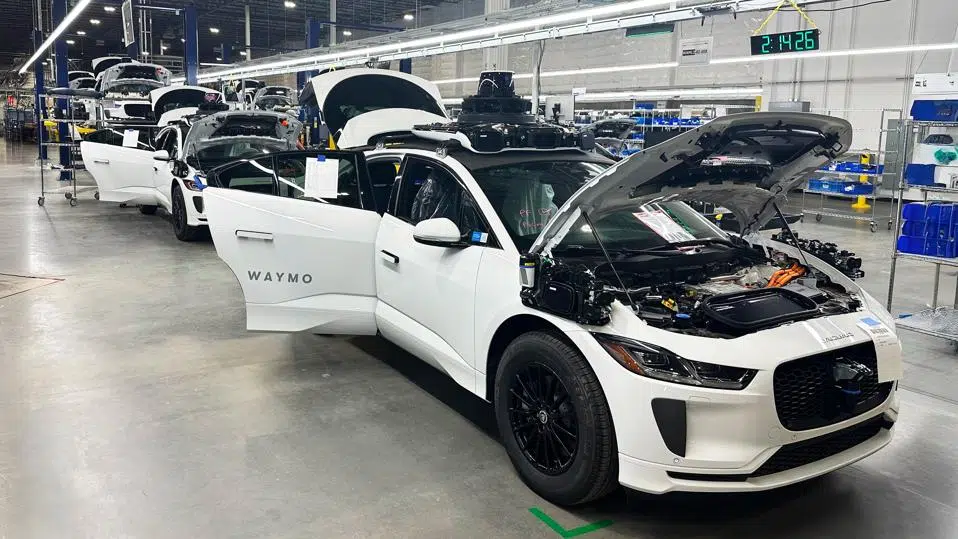
Waymo faced significant challenges achieving consistent, reliable lighting in its thermal chamber areas used for manufacturing and testing self-driving cars. Their Senior Optical Hardware Engineer, David Lu, reached out to LED Lighting Supply to seek consultative support in selecting a high-temperature LED lighting system.
The lighting needed to be suitable for the high-heat areas where they weld on and rigorously test the car sensors, cameras, and internal computers. This testing and QA process ensures reliable operation and durability before daily use. The customer was paired with our Product Specialist, Jeff Cesenaro, for expert guidance.
The Challenge of a High-Heat Environment
Waymo needed an effective lighting solution for a wide range of high-heat environments. The installation area required a more specialized fixture than a typical LED high bay. Our Specialist, Jeff Cesenaro, helped guide the customer in selecting a unique fixture type designed to perform effectively during the welding and testing process without the risk of heat damage. LED Lighting Supply worked with Waymo to understand the operational needs and temperature ranges in the area.
The customer had a key project requirement: delivery in a reasonable timeframe for the project, as choosing a supplier with product expertise, fixtures in stock, and inventory readily available was a top priority
Lighting plan metrics:
- Product(s) Used: MLLG-LS-LED-HB-100-5-90-HT100
International Paper Facilities Upgrade to High-Temperature LED Lights Case Study
The Backstory:
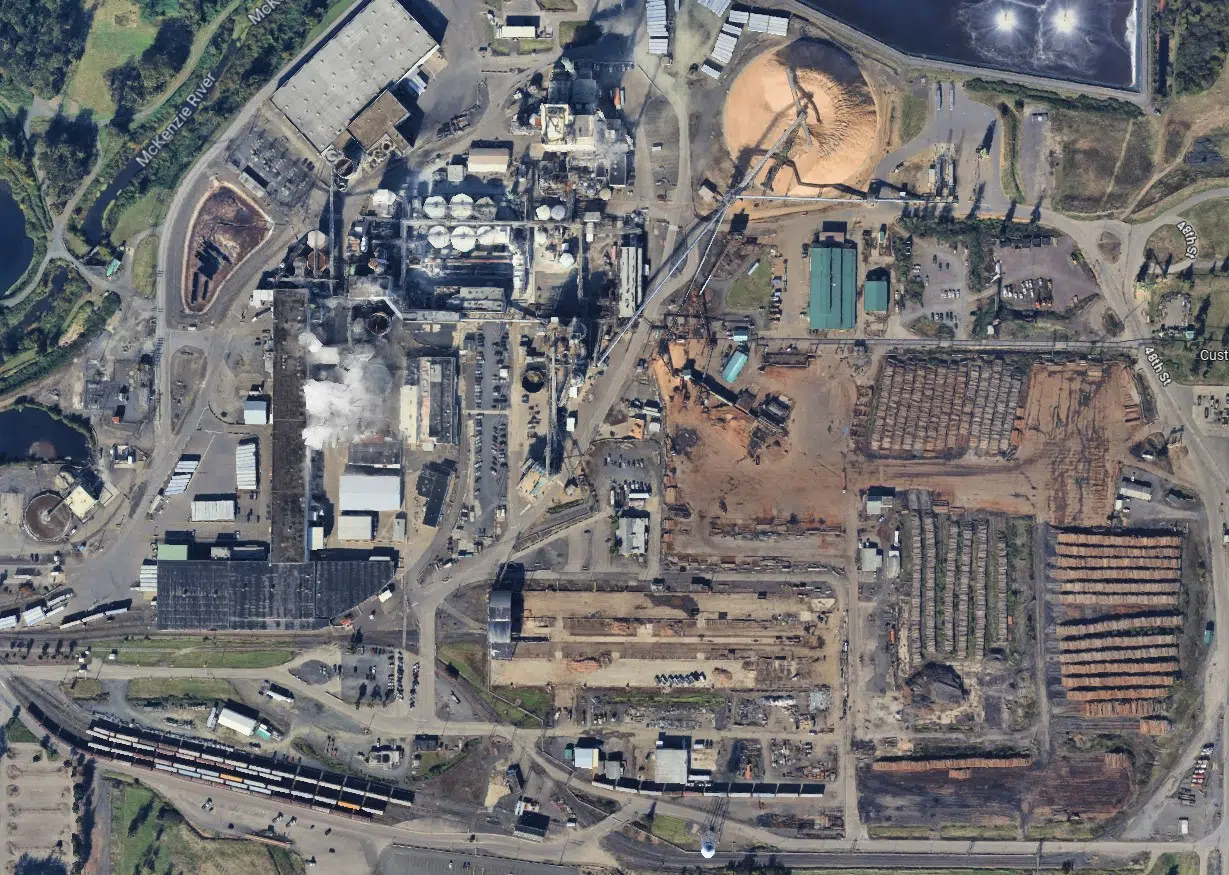
International Paper turns renewable resources into packaging, recycling, and related pulp products that people rely on every day. As one of the largest global paper packaging companies, International Paper holds itself to a high standard for facility safety and operational reliability. That standard extends to the lighting at its paper processing facilities. International Paper's Springfield, Oregon, facility is one of the company's longest-standing paper mills. Across 450 acres, the site spans everything from high-heat machine rooms to open outdoor work areas. Each area has its own lighting requirements. The facility lighting had aged into inefficiency. That included 400-watt metal halide fixtures still operating in areas that required a more reliable solution.
International Paper required a lighting partner with in-stock units and real expertise across a range of industrial lighting types. This combination led the customer to its first project with LED Lighting Supply. International Paper’s Maintenance Supervisor, Scott Adair, partnered with LED Lighting Supply’s Product Specialist, Jeff Cesenaro, to determine the appropriate lighting solutions for the facility.
Featured Lighting Plan for International Paper’s 275 x 275 Foot Warehouse in Walton, Kentucky
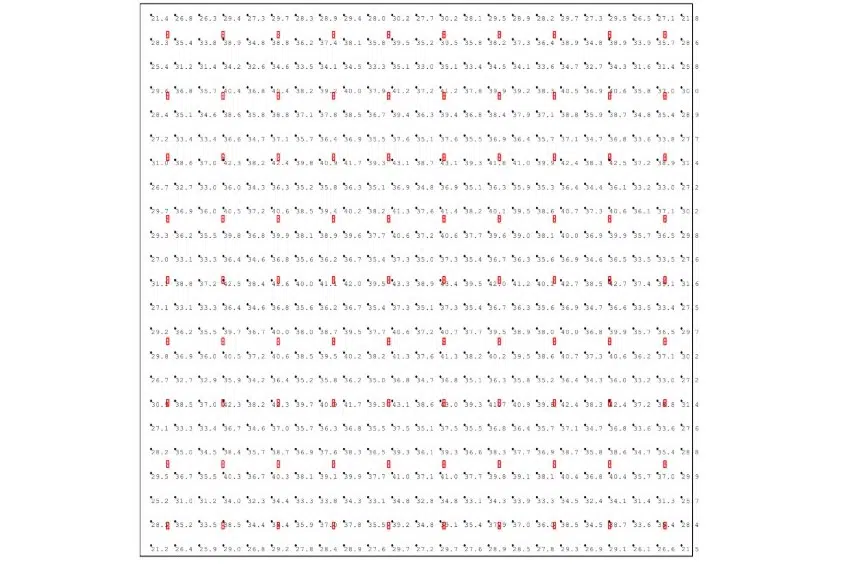
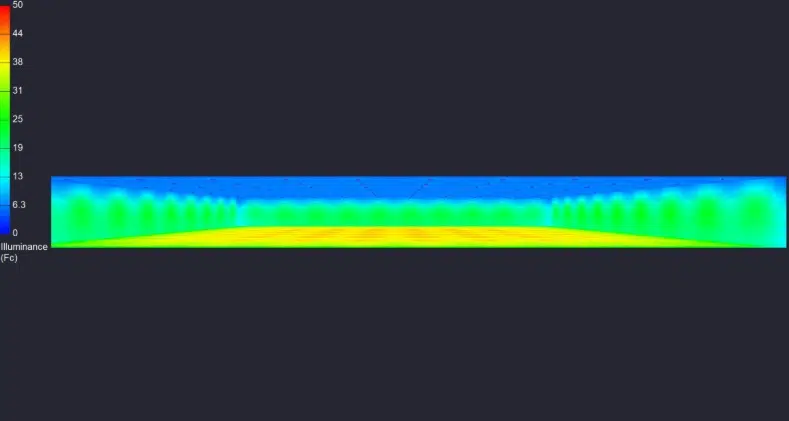
Lighting Plan Metrics:
- Mounting height: 25 feet
- Fixture Used: LLS-M-HBLINR-300A-CC
- Foot Candles achieved: 35 fc average
Energy Northwest Power Plant Facility High Temperature LED Lighting Case Study
The Backstory of Our Relationship with Energy Northwest
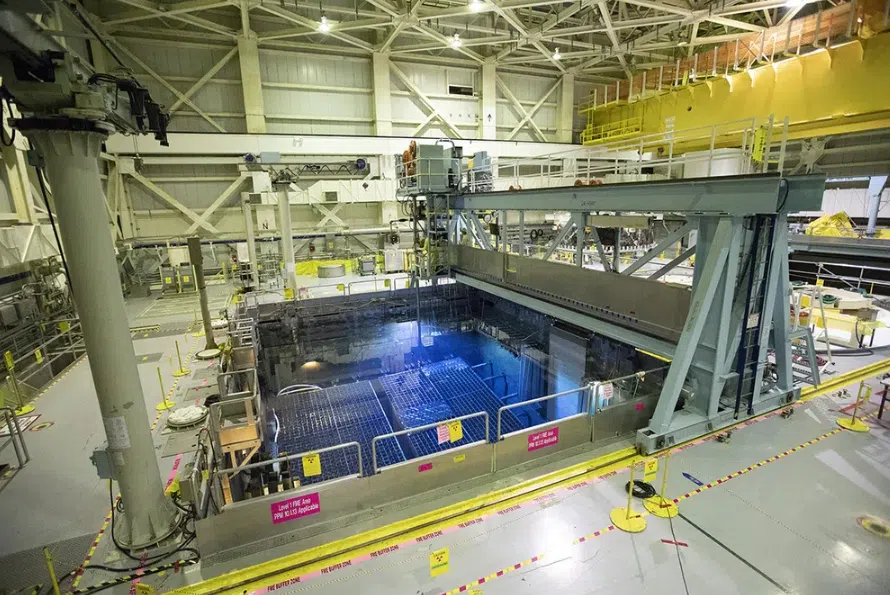
Energy Northwest’s Columbia Generating Station is the Northwest’s only commercial boiling water reactor nuclear energy facility and the third-largest electricity generator in Washington state. The station’s System Engineer, Robert McQuoid, contacted LED Lighting Supply for guidance on a power plant LED lighting upgrade.
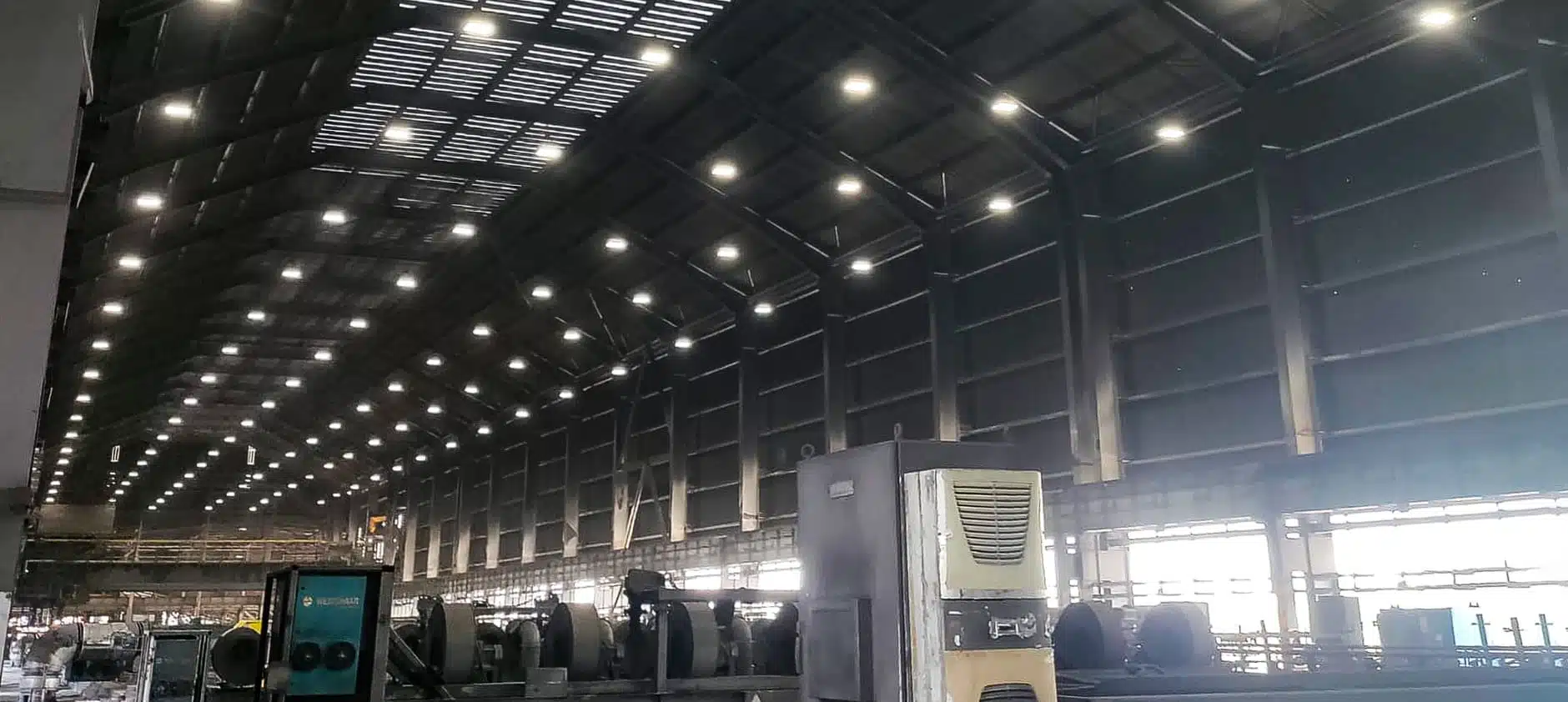
The facility’s turbine building houses 4 large steam turbines and a main generator that convert reactor steam into electricity. The 30 existing 1000-watt metal halide light fixtures above the equipment had reached the end of their operational lifespan.
Due to the high-temperature environment, heat degraded the light components more quickly than in a standard facility, leaving crews working on the floor with inadequate light levels.
The Challenge of Lighting a Hazardous Environment Nuclear Power Plant
The existing lights at the facility were mounted 60 feet high on the turbine building ceiling. Heat from the turbine equipment rises. The ambient temperature towards the ceiling reaches 150 degrees Fahrenheit (°F). The new light fixtures needed to survive that environment without fail, but Robert had no practical way to verify the temperature margin from the ground.
Radiation levels above the turbines mean maintenance crews can only work at that elevation during a scheduled power outage. These restrictions meant the replacement lighting had to adhere to the current mounting height. Getting it right the first time prevented sending a crew back up for unscheduled maintenance.
Lighting plan metrics:
- Product(s) Used: MLLG-LED-HT80-300-50-90-[V]
High Temperature LED Lights Compared with Standard LED, Explosionproof, and HID Lighting
High temperature LED lighting is often compared with standard LED fixtures, explosionproof lighting, high temperature explosionproof fixtures, and older metal halide or HID systems. The right choice depends on ambient temperature, hazardous-location classification, mounting height, beam distribution, voltage, and maintenance access.
| Lighting Type | What to Know |
|---|---|
| Standard Industrial LED Fixture | Used where ambient temperatures remain within the fixture’s standard operating range. Not intended for sustained high-heat environments beyond the product rating. |
| High Temperature LED Light | Used where elevated ambient temperature or heat exposure would shorten the life of standard LED fixtures. |
| Explosionproof Light | Used for classified hazardous locations selected by Class, Division or Zone, Group, temperature code, certification, and installation environment. Ambient-temperature capability still needs to be confirmed separately. |
| High Temperature Explosionproof Light | Used where both elevated ambient temperature and hazardous-location classification apply. Confirm both the high-temperature rating and the hazardous-location marking. |
| Metal Halide / HID Fixture | Older technology that may require lamp and ballast replacement, warm-up time, and more frequent maintenance. Many high-temperature LED projects replace older HID systems. |
High Temperature Lighting Certifications and Warranty Support
Selected high-temperature LED lights from LED Lighting Supply carry safety listings from nationally recognized testing laboratories, such as UL, ETL, or CSA, depending on the model. Selected models may also be DLC or DLC Premium listed for utility rebate programs where available. DLC qualification is an efficiency and performance designation, not an electrical safety certification. Rebate eligibility varies by utility program, fixture model, and project location, so confirm on the selected product specification before ordering.
Warranty terms vary by fixture and application. Confirm the selected product’s warranty, marked ambient temperature rating, driver temperature limits, environmental ratings, voltage, mounting method, and suitability for any hazardous-location, washdown, corrosion, vibration, or project-specific requirements before purchase.
Common High Temperature Lighting Buying Mistakes
Once the thermal and installation conditions are documented, the next step is making sure the quoted fixture and project scope match those requirements. These common purchasing mistakes can lead to incorrect products, incomplete installations, or avoidable change orders.
- Comparing fixtures by temperature rating alone: Two fixtures with the same ambient-temperature rating may differ in light output, distribution, voltage, mounting options, driver arrangement, environmental construction, and warranty terms.
- Assuming a listed temperature is a project approval: Confirm the rating applies to the complete fixture configuration, including the driver, wiring, mounting arrangement, and stated operating conditions.
- Ordering a remote-driver fixture without planning the full system: Account for the driver enclosure, mounting location, permitted cable type and length, routing, connectors, and accessible service location specified by the manufacturer.
- Confusing IP, corrosion, and hazardous-location ratings: Ingress protection, corrosion resistance, and hazardous-location certification are separate considerations. Verify each requirement on the exact product specification.
- Assuming every model has the same listing, controls, or warranty: Safety listings, DLC status, dimming, sensors, voltage options, surge protection, and warranty coverage vary by model and configuration.
- Using a generic fixture count: Lumens do not establish delivered foot-candles or uniformity. Fixture-specific photometric data should be used to evaluate mounting height, spacing, optics, expected light levels, and glare.
- Leaving access and maintenance out of the purchase decision: Consider lift access, mounting hardware, driver service access, shutdown windows, and the availability of replacement components before finalizing the fixture selection.
- Trying to solve a classified-area requirement with a high-temperature fixture only: Where an area has an established hazardous-location classification, the selected fixture must bear the required marking for that area as well as meet the required ambient-temperature conditions.
Request a photometric lighting plan, and our Product Specialists can help review fixture count, mounting height, light levels, and published product specifications for your high-temperature lighting project.
This Content on high temperature lighting guidance, location and high temperature application considerations, and fixture selection content Was Professionally Reviewed By:

Jamie Popp, Professional Electrical Engineer (PE)
Multi-State Licensed Professional Engineer
Master of Science in Engineering
Master of Science in Project Management
Jamie has spent over 15 years working directly with industrial energy systems and facility operations. In his engineering design work, he focuses on comprehensive lighting designs, complex power distribution engineering, technical hazardous area classifications, and design-level construction support.
He applies these specialized design skills across demanding environments, including petrochemical, nuclear, mining, pulp and paper, and manufacturing facilities.
This content was reviewed for technical accuracy, engineering relevance, real-world application, and clarity for the stated lighting topic.
High Temperature LED Lights FAQs
How Do I Choose The Right Temperature Rating?
Choose a high temperature LED fixture by measuring the sustained ambient temperature at the mounting location and selecting a fixture rated for that temperature. Then confirm mounting height, driver location, voltage, environmental exposure, light levels, and any hazardous-location requirements.
Why Should Temperature Be Measured At The Fixture Location?
Fixture-level temperature can differ significantly from facility or floor-level temperature because of heat stratification, radiant heat, thermal plumes, poor airflow, and nearby process equipment. Ceiling-level or equipment-level temperatures can be much higher than floor-level readings.
When Is A Remote Driver Arrangement Needed?
Some high-temperature fixtures support remote driver installation to keep sensitive electrical components away from the hottest areas when installed according to the manufacturer's instructions. For 392°F / 200°C applications, confirm the required driver arrangement, driver-location ambient temperature, cable routing, and installation requirements on the selected product specification.
Can A High Temperature LED Light Be Used In A Hazardous Location?
A high temperature LED light can be used in a hazardous location only when the selected fixture carries the required hazardous-location certification and also meets the required ambient-temperature conditions. High-temperature, vapor-tight, or IP-rated construction does not by itself establish hazardous-location approval.
How Should Dust, Moisture, Corrosion, And Vibration Affect Fixture Selection?
Dust, steam, moisture, washdown, vibration, chemical exposure, and corrosion may require additional fixture ratings or materials. An IP rating addresses ingress protection but does not by itself establish chemical, corrosion, or hazardous-location suitability.
How Should Fixture Quantity Be Evaluated For A High Temperature Lighting Project?
Fixture quantity should be evaluated with fixture-specific photometric data rather than a generic fixture count. Lumens alone do not establish delivered foot-candles or uniformity; photometric data can be used to evaluate mounting height, spacing, optics, expected light levels, and glare.
When Are High Temperature LED Lights A Better Fit Than Standard Industrial LED Fixtures?
High temperature LED lights are used where elevated ambient temperature or heat exposure would shorten the life of standard LED fixtures. Standard industrial LED fixtures are used where ambient temperatures remain within the fixture's standard operating range.
What Should Be Confirmed Before Ordering High Temperature LED Lights?
Confirm the selected product's marked ambient temperature rating, light output, driver temperature limits and location, environmental ratings, voltage, mounting method, warranty, and project-specific requirements before purchase. Specifications, ratings, controls, certifications, and warranty coverage vary by model.