NSF-Rated Explosion-Proof LED Lights
- NSF-certified options for food and sanitary classified areas
- Available in linear or round styles for various layouts
- Product specialists help match fixtures to hazardous classifications
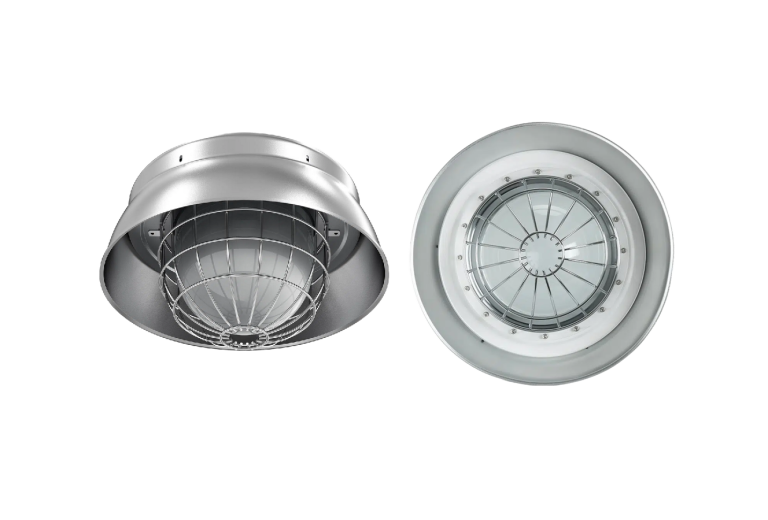


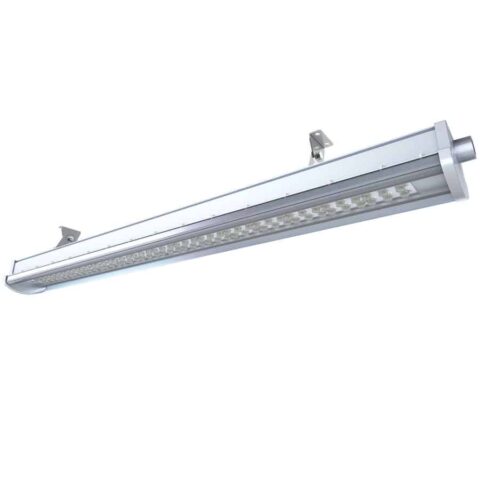
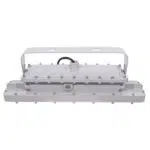
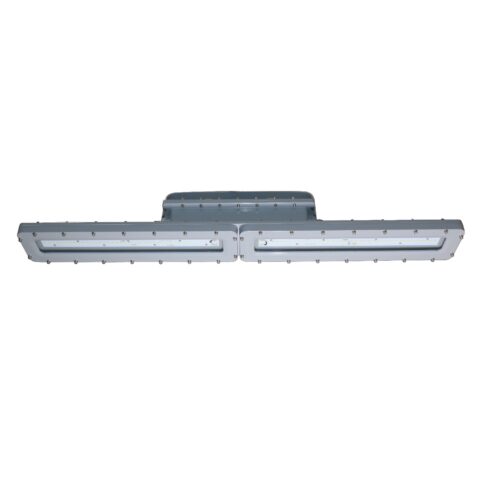
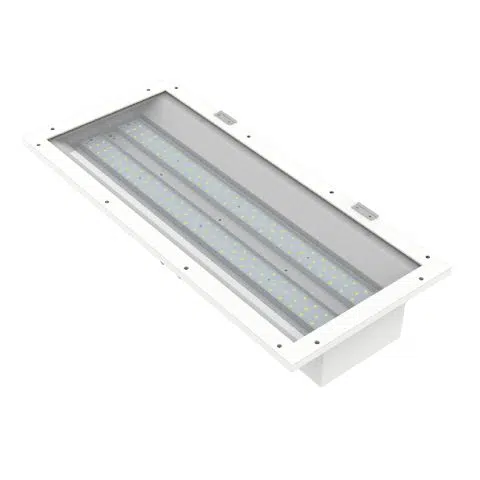
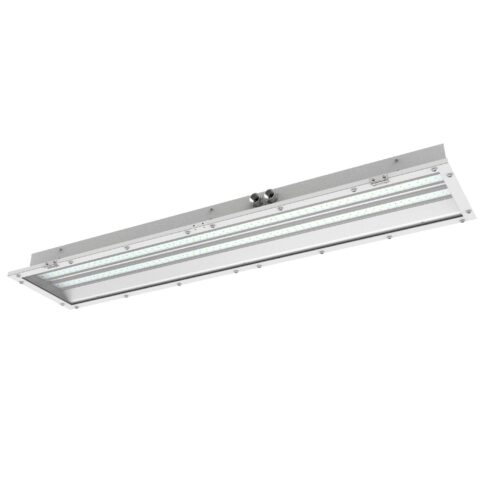
Our NSF-Rated Explosion-Proof LED Lights include linear and round fixtures for classified food and beverage facilities. Available models vary by voltage, lumen output, optics, dimming, sensor compatibility, and mounting method.
These fixtures are commonly used in food and beverage processing areas, grain handling facilities, bakeries, ingredient storage areas, washdown areas, and other classified locations with combustible dusts, flammable vapors, moisture, or sanitation requirements.


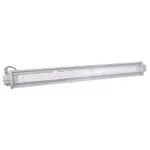

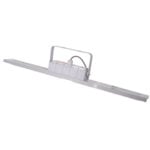
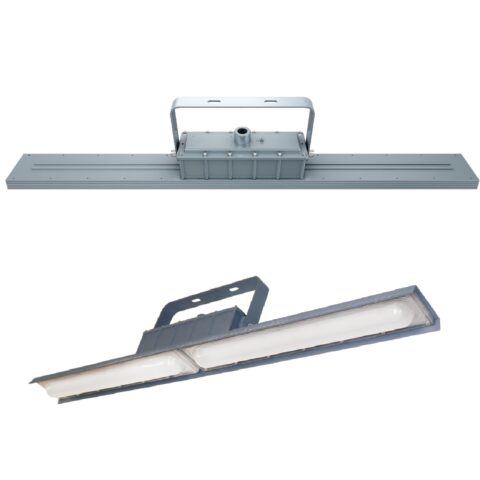
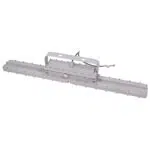

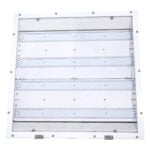
NSF-Rated Explosion-Proof LED Lights
NSF-rated explosion-proof LED lights are designed for facilities that require both hazardous-location lighting and sanitary fixture construction. They are commonly used in food and beverage processing, grain handling, bakeries, ingredient storage, washdown areas, and other classified locations where combustible dusts, flammable gases or vapors, moisture, or sanitation requirements may be present.
For food facilities, first match the fixture to the documented hazardous-area classification for the exact installation location, then confirm NSF status for the intended sanitary area. Verify the required Class, Division or Zone, applicable Group, temperature code or T-rating, ambient temperature range, voltage, and mounting method before selecting by fixture shape or lumen output.
What NSF Certification Adds
NSF certification or listing, as applicable to the product and NSF program, addresses sanitary construction, cleanability, and material suitability for specific food-zone applications. It does not replace hazardous-location certification, and a fixture should not be selected for a classified area based on NSF status alone.
Likewise, an IP65, IP66, or wet-location rating does not automatically make a fixture NSF rated. IP ratings describe enclosure protection against dust and water ingress, while NSF certification or listing addresses additional sanitation and construction requirements.
What to Confirm Before Ordering
- Hazardous classification: Match the exact Class, Division or Zone, applicable Group, and temperature code or T-rating required for the installation location to the fixture marking.
- NSF status: Confirm the exact model is NSF certified or listed, as applicable, for the intended food-processing or sanitary area.
- Fixture style: Choose linear or round construction based on mounting height, layout, clearance, and required light distribution.
- Environmental exposure: Verify washdown, moisture, corrosion, chemical, dust, and temperature ratings. Confirm housing materials, coatings, seals, lenses, and hardware are suitable for the actual exposure.
- Voltage and controls: Confirm driver voltage, dimming, sensor compatibility, and emergency-lighting requirements where applicable.
- Light output: Select lumens and optics according to mounting height, fixture spacing, work tasks, and target foot-candle levels.
NSF-rated explosion-proof fixtures are often used where cleaning chemicals, condensation, dust, food residue, or washdown procedures create demanding operating conditions. Review housing materials, lens construction, gasketing, surface design, and approved cleaning methods for the selected model.
Certifications, Installation, and Warranty
Selected fixtures may have NSF certification or listing; an NRTL listing or certification mark such as UL, cUL, CSA, or ETL; or, for applicable international markets, ATEX or IECEx conformity documentation or certification. Hazardous-location luminaires may be evaluated to standards such as UL 844, which is a product safety standard for applicable hazardous-location luminaires, not a certification or hazardous-area classification. Available approvals, markings, and standards vary by model and market; always verify the exact product marking and listing before ordering.
The complete installation - including conduit, fittings, junction boxes, seals, cable glands where permitted, grounding, and bonding - must also be suitable for the classified and sanitary environment. Installation should be completed by a qualified electrician experienced with hazardous locations and reviewed against facility sanitation requirements, applicable codes, and authority having jurisdiction (AHJ) requirements.
Warranty length and coverage vary by model, application, operating conditions, and installation method. Verify the warranty documentation for the selected fixture before ordering.
Need help selecting a fixture? Provide the hazardous-area classification, NSF requirement, material present, voltage, mounting height, cleaning method, and environmental conditions. LED Lighting Supply's Product Specialists can help identify compatible fixtures for review by your facility or project professional.
NSF-Rated Explosion-Proof LED Lights FAQs
Does NSF Certification Replace Hazardous-Location Certification?
No. NSF certification or listing addresses sanitary construction, cleanability, and material suitability for specific food-zone applications, while hazardous-location certification must match the documented classification for the exact installation location.
What Should I Verify Before Selecting An NSF-Rated Explosion-Proof LED Light?
Verify the required Class, Division or Zone, applicable Group, temperature code or T-rating, ambient temperature range, voltage, mounting method, and exact NSF status before selecting a fixture by shape or lumen output. The fixture marking and listing should match the requirements for the installation location and intended sanitary area.
Does An IP65, IP66, Or Wet-Location Rating Mean A Fixture Is NSF Rated?
No. IP ratings describe enclosure protection against dust and water ingress, while NSF certification or listing addresses additional sanitation and construction requirements.
How Should I Choose Between Linear And Round NSF-Rated Explosion-Proof Fixtures?
Choose linear or round construction based on mounting height, layout, clearance, and required light distribution. Confirm that the selected fixture also meets the hazardous classification and NSF requirements for the installation area.
How Should Light Output And Optics Be Selected?
Select lumens and optics according to mounting height, fixture spacing, work tasks, and target foot-candle levels. Fixture selection should also account for the required hazardous-area marking and sanitary-area NSF status.
What Environmental Conditions Should Be Reviewed For A Food Processing Installation?
Verify ratings and materials for washdown, moisture, corrosion, chemicals, dust, and temperature based on the actual exposure. Review the selected model's housing materials, coatings, seals, lenses, hardware, gasketing, surface design, and approved cleaning methods.
What Installation Requirements Apply To NSF-Rated Explosion-Proof LED Lights?
The complete installation, including conduit, fittings, junction boxes, seals, cable glands where permitted, grounding, and bonding, must be suitable for the classified and sanitary environment. Installation should be completed by a qualified electrician experienced with hazardous locations and reviewed against facility sanitation requirements, applicable codes, and AHJ requirements.