Hazardous Facility Lighting for Hydrogen Facilities
- Class I Division 1 and Division 2 Group B options available
- Corrosion-resistant fixtures with IP66 and IP67 ratings offered
- USA-based application support for hazardous location selection


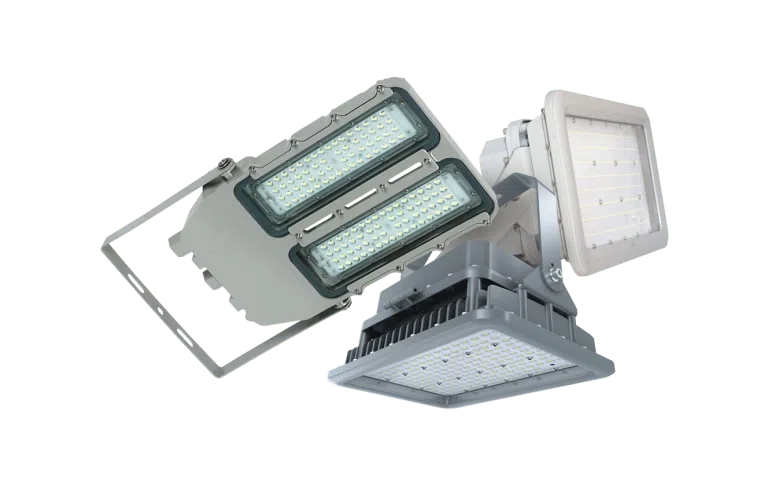
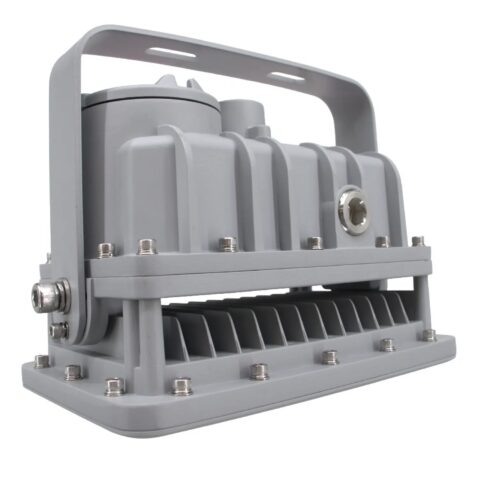
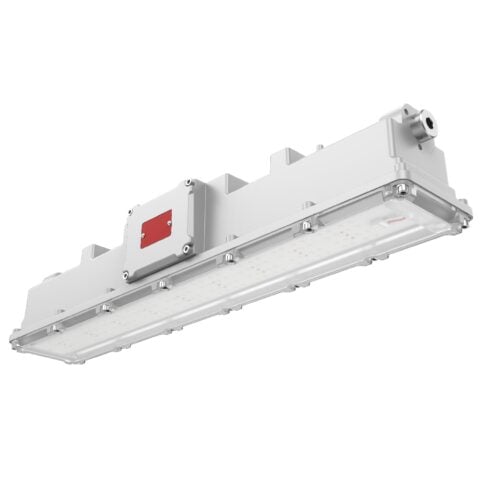
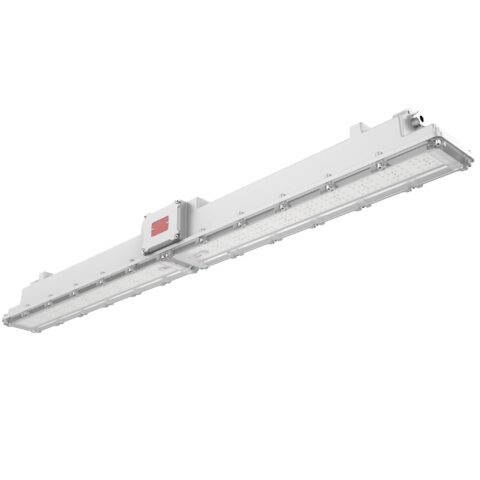
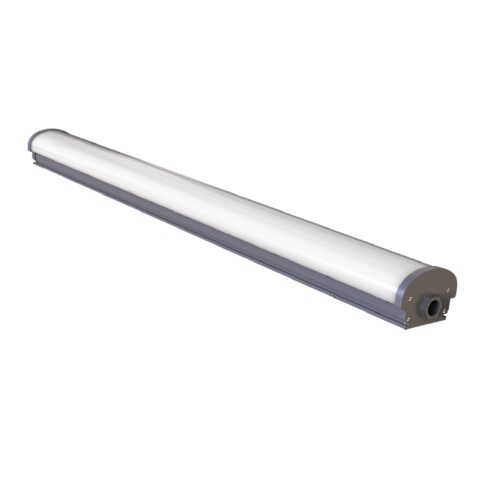
Our Hydrogen Facility Hazardous Lighting includes Class I Division 1 and Class I Division 2 Group B explosion-proof LED fixtures for classified hydrogen environments. Available fixtures include corrosion-resistant construction and LED configurations for hydrogen compression, storage, processing, fueling, and ventilation areas.
These fixtures are commonly used in hydrogen compression rooms, enclosed process equipment areas, venting zones, electrolyzer rooms, hydrogen fueling stations, storage system perimeters, and ventilated equipment spaces.





Why Hydrogen Facilities Require Hazardous-Location Lighting
Hydrogen can create a Class I hazardous atmosphere when released in sufficient concentration because it is a flammable gas that can be ignited by electrical arcs, sparks, or sufficiently hot surfaces. Facilities involved in hydrogen production, compression, storage, transfer, or fueling may therefore contain hazardous classified areas around specific release sources or equipment.
Explosion proof and hazardous-location lighting used in hydrogen environments must be selected for the actual electrical classification established at the fixture location. Under the Class/Division system, hydrogen is associated with Class I, Group B. The required Division depends on the likelihood and frequency of an ignitable hydrogen concentration at the specific location.
Do not assign Class I Division 1 or Division 2 solely because an area is called a compressor room, electrolyzer room, storage area, vent area, or fueling station. The classification and extent of the hazardous area should come from the facility's engineered hazardous-area classification, applicable code requirements, release-source analysis, ventilation design, equipment arrangement, and authority having jurisdiction.
Before selecting fixtures, confirm the documented hazardous-location classification for the exact mounting position, including the required Class, Division or Zone, Group B suitability, temperature requirements, ambient-temperature range, environmental exposure, voltage, mounting method, and wiring requirements.
Hydrogen Facility Areas That Require Classification Review
| Hydrogen Compression Areas | Review compressor seals, fittings, valves, vents, relief devices, enclosed equipment, ventilation, and other potential hydrogen release points. The classified area may be Division 1, Division 2, Zone-classified, or unclassified depending on the actual design and documented hazardous-area boundaries. |
| Electrolyzer Facilities | Review hydrogen generation equipment, separators, piping, vents, relief devices, enclosure design, ventilation, and expected release scenarios. Do not assume all electrolyzer rooms are Class I Division 2. |
| Hydrogen Storage Areas | Review storage vessels, valves, pressure-relief outlets, manifolds, connection points, transfer equipment, ventilation, and separation distances. Classification can vary around individual release sources rather than applying uniformly to the entire storage area. |
| Hydrogen Fueling Stations | Review dispensers, hose connections, breakaways, compressors, storage equipment, vents, pressure-relief devices, and transfer points. Hazardous boundaries are established around specific equipment and release sources rather than by labeling the entire fueling station as one Division. |
| Vent Stacks and Relief Points | Areas around vent outlets, relief devices, rupture disks, and other intentional or abnormal release points may have defined hazardous boundaries. The Division or Zone and the extent of that boundary should come from the applicable design and code criteria. |
Important: Hydrogen is associated with Group B under the Class/Division system, but a Group B marking alone does not establish that a fixture is suitable for the project. Confirm the complete marking for the applicable Class, Division, temperature requirement, ambient rating, and environmental conditions.
How Class I Division 1 and Division 2 Apply to Hydrogen
Under OSHA's hazardous-location definitions, Class I Division 1 and Division 2 describe the likelihood of an ignitable concentration of flammable gas or vapor being present at a specific location. OSHA requires each room, section, or area to be considered individually when determining its classification.
| Classification | General Meaning |
|---|---|
| Class I Division 1 | May apply where ignitable concentrations of hydrogen can exist under normal operating conditions, occur frequently because of repair or leakage, or where equipment failure can release hydrogen while also creating an ignition source. |
| Class I Division 2 | May apply where hydrogen is normally confined within closed equipment, where adequate ventilation normally prevents hazardous concentrations, or where an ignitable atmosphere would arise mainly from abnormal operation, leakage, rupture, or ventilation failure. |
These definitions should not be used by themselves to draw the hazardous-area boundary around a hydrogen system. The project classification should identify both the required classification and how far the classified area extends from the applicable release source.
Hydrogen Hazardous-Area Boundaries Are Source-Specific
Hydrogen hazardous locations are commonly defined around specific points where hydrogen may be released, including fill connections, vents, pressure-relief devices, hose connections, compressor components, piping connections, dispensers, and other process equipment.
The classified boundary may extend only a defined distance from the release source rather than covering an entire room, canopy, equipment yard, or building. Different parts of the same hydrogen facility can therefore have different classifications.
For example, one area close to a normal hydrogen release point may require Division 1 or Zone 1 equipment, an adjacent area may be Division 2 or Zone 2, and an area farther away may be unclassified. The actual dimensions and classifications should come from the applicable code, facility engineering documents, and authority having jurisdiction.
Recommended Lighting Fixtures for Hydrogen Facilities
Class I Division 1 Group B Fixtures
Class I Division 1 Group B fixtures may be required where the documented hazardous-area classification identifies a Division 1 hydrogen location.
Potential applications can include defined areas around:
- Hydrogen release points that can discharge during normal operation
- Fill or transfer connections where the classification documents establish Division 1
- Certain vent or pressure-relief discharge points
- Enclosed process locations where ignitable concentrations may occur during normal operation
- Other equipment specifically shown as Division 1 on the hazardous-area classification drawing
Do not assume an entire compressor room, vent area, or process room is Division 1 merely from the equipment type. Use the documented classification and boundary for the actual fixture location.
Class I Division 2 Group B Fixtures
Class I Division 2 Group B fixtures may be required where the documented classification identifies a Division 2 hydrogen location.
Potential applications can include defined areas where hydrogen is normally contained within closed systems but may be released during abnormal operation, equipment failure, leakage, or loss of required ventilation.
- Areas adjacent to certain hydrogen process equipment
- Defined boundaries around storage and transfer equipment
- Portions of fueling stations identified as Division 2
- Ventilated equipment spaces where the classification documents establish Division 2
Classification should come from the project documents rather than from the facility name or equipment category.
Division and Zone Systems
Hydrogen facilities may be classified using either the Class/Division system or the Class/Zone system where permitted. Under the Zone system, areas may be identified as Zone 0, Zone 1, or Zone 2 based on the likelihood and duration of an ignitable gas atmosphere.
Do not assume a Division designation can be substituted directly for a Zone designation. Select fixtures carrying the certification required by the actual project classification and verify any permitted equivalency from the applicable listing and code requirements.
Key Fixture Features for Hydrogen Environments
- Certification for the exact Class, Division or Zone required by the project
- Group B suitability under the Class/Division system where applicable
- Appropriate temperature code or marked surface-temperature suitability
- Ambient-temperature rating suitable for the installation
- Corrosion-resistant construction where required
- Suitable wet-location or IP rating for outdoor or washdown exposure
- Vibration-resistant construction where required
- Voltage compatible with the facility electrical system
- Mounting hardware suitable for the environment and structural support
- Photometric performance appropriate for the mounting height and task
Environmental ratings such as IP66 or IP67 describe enclosure protection against dust and water ingress. IP66 is dust-tight and protected against powerful water jets, while IP67 also addresses temporary immersion under defined test conditions. These ratings do not establish hazardous-location suitability, chemical resistance, or corrosion resistance. Likewise, low LED operating wattage or a cool color temperature does not replace the need to verify the fixture's hazardous-location temperature marking.
Complete Electrical System Requirements
Hazardous-location suitability applies to more than the luminaire. Where lighting is installed inside a classified hydrogen area, the complete electrical installation should be reviewed for the applicable requirements.
This can include:
- Conduit and wiring methods
- Seals and fittings
- Junction boxes
- Cable entries and glands
- Switches and controls
- Sensors and photocells
- Emergency equipment
- Grounding and bonding
- Disconnecting means
OSHA requires electrical equipment and wiring in hazardous classified locations to be intrinsically safe, approved for the location, or otherwise demonstrated suitable for the specific hazard.
How We Help Specify Hydrogen Facility Lighting
Hydrogen lighting applications require the hazardous-location classification to be established before fixture selection. LED Lighting Supply can help match lighting products to a classification already identified in the project documents.
Our team can help review:
- Specified Class, Division, or Zone
- Group B certification requirements
- Temperature-code or maximum-surface-temperature requirements
- Ambient-temperature range
- Fixture type and mounting method
- Mounting height and fixture layout
- Environmental exposure conditions
- Voltage and control requirements
- Lighting levels and photometric performance
LED Lighting Supply can help identify products with the required certifications and prepare photometric lighting plans, but the final hazardous-area classification and boundary should be established by the project engineer, facility safety team, qualified electrical professional, or authority having jurisdiction.
Hydrogen Facility Lighting Certifications and Warranty Support
LED hazardous-location lights for hydrogen facilities may carry a safety certification from UL, ETL, or CSA, depending on the product. Certification is model-specific, so do not assume every explosion-proof fixture is approved for hydrogen or Group B applications.
Warranty terms vary by model. Before ordering, confirm the exact fixture's Class, Division or Zone marking, Group B suitability where applicable, temperature code or marked operating temperature, ambient-temperature rating, voltage, mounting method, environmental rating, warranty terms, and suitability for the hazardous-area boundary shown in the facility design.
Final hazardous-area classifications and classified boundaries should always be confirmed by qualified engineers, facility safety personnel, electrical professionals, and local code authorities responsible for the project.
Hazardous Facility Lighting for Hydrogen Facilities FAQs
How Should Lighting Be Selected For A Hydrogen Facility?
Lighting should be selected for the documented hazardous-location classification at the exact fixture mounting position. Confirm the required Class, Division or Zone, Group B suitability where applicable, temperature requirements, ambient-temperature range, environmental exposure, voltage, mounting method, and wiring requirements.
Is A Group B Marking Alone Enough For A Hydrogen Lighting Project?
No. A Group B marking alone does not establish that a fixture is suitable for the project; confirm the complete marking for the applicable Class, Division, temperature requirement, ambient rating, and environmental conditions.
Can Different Areas Of The Same Hydrogen Facility Have Different Classifications?
Yes. Hazardous boundaries are commonly defined around specific hydrogen release sources, so different parts of the same facility can have different classifications or be unclassified.
How Do Class I Division 1 And Division 2 Differ For Hydrogen Locations?
Class I Division 1 may apply where ignitable hydrogen concentrations can exist during normal operation, occur frequently because of repair or leakage, or result from equipment failure that also creates an ignition source. Class I Division 2 may apply where hydrogen is normally confined, ventilation normally prevents hazardous concentrations, or an ignitable atmosphere would arise mainly from abnormal operation, leakage, rupture, or ventilation failure.
Can A Division Rating Be Directly Substituted For A Zone Rating?
No. A Division designation should not be assumed to substitute directly for a Zone designation; select fixtures carrying the certification required by the actual project classification and verify any permitted equivalency from applicable listing and code requirements.
Does Hazardous-Location Suitability Apply Only To The Light Fixture?
No. The complete electrical installation inside a classified hydrogen area should be reviewed for applicable requirements, which can include conduit and wiring methods, seals and fittings, junction boxes, cable entries, controls, sensors, emergency equipment, grounding, bonding, and disconnecting means.
How Are Fixture Quantity And Layout Determined In A Hydrogen Facility?
Hazardous-location certification does not determine lighting performance. Photometric analysis may still be needed to establish fixture quantity, mounting, and distribution based on mounting height, fixture layout, lighting levels, and photometric performance.
Do IP Ratings Establish Hazardous-Location Suitability?
No. IP66 and IP67 ratings describe resistance to dust and water ingress, but they do not establish hazardous-location suitability.