


LED Hospital Lighting
- Achieve 50-90% energy savings with 100,000+ hour lifespan
- Mercury-free construction eliminates toxic disposal and safety risks
- UL Listed and DLC Premium certified for healthcare compliance


-
 Commercial-Grade Lighting Design Ensuring Optimal Illumination for Patient Care Areas
-
Precise FootCandle Calculations & Color Temperature Specifications Meeting Healthcare Standards
-
Reduce Operating Costs While Improving Patient Outcomes & Staff Performance


LED hospital lighting includes a range of fixtures suited for healthcare environments such as patient rooms, corridors, lobbies, kitchens, and specialized medical areas. Common form factors in these settings include 2x4 and 2x2 LED panels installed in ceilings, linear over-bed lights, vapor-tight fixtures for kitchens, and flush-mounted ceiling lights in exam and recovery spaces. These products are typically mounted above patient beds, along hallways, in waiting areas, and throughout staff work zones, supporting the unique layout and operational needs of hospitals and medical centers.
This category features Commercial & Industrial Lighting Solutions tailored for healthcare facilities, with products found throughout hospitals, outpatient clinics, and medical laboratories. Fixtures are physically placed in areas like nurse stations, operating suites, food service zones, and building entrances, reflecting the diverse requirements of modern healthcare campuses.


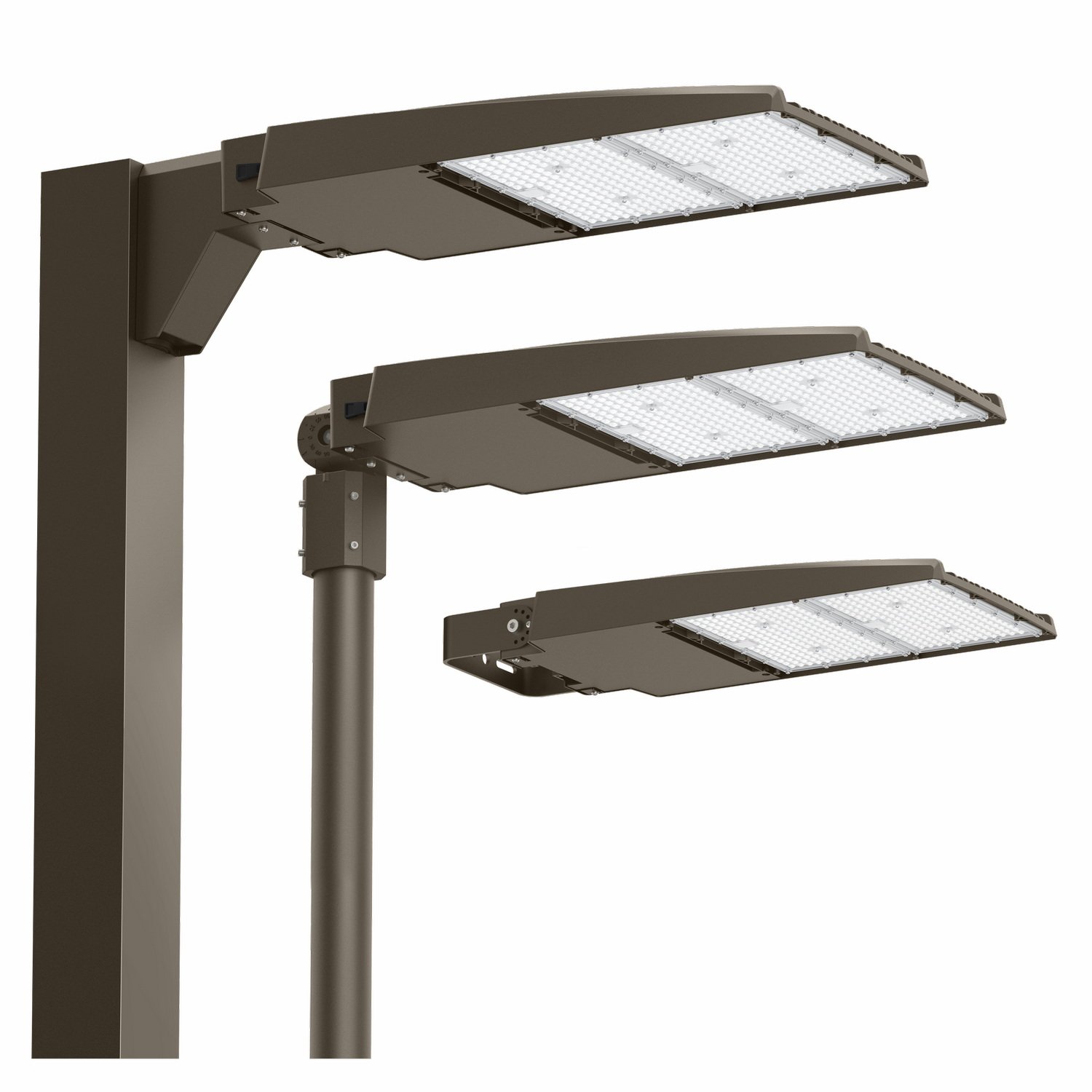

Showing 1–15 of 17 results
 SKU:LLS-M-BLP-2X2-40A-CC | Web ID:2779Back in Stock 7/29
- Lumens: 2500 | 3750 | 5000
- Replaces: Fluorescent Troffer
- Color Temp: 3500K | 4000K | 5000K
- CRI: 80+
- Rated Life: 50,000 hours - driver
- Dimmable: 0-10V
- Beam Angle (Std): 110°
- Mount: Recessed
- Dimensions (in): 23.78 L x 23.78 W x 1.3 H
- Weight (lbs): 4.5
Starting At$47.31


- SKU:LLS-AL-BLP-2X2-20/25/30-CC-4P | Web ID:2299Availability: 4543 In Stock Ships 2-3 Days
- Lumens: 2500 | 3125 | 3750
- Replaces: Fluorescent Troffer
- Color Temp: 3500K | 4000K | 5000K
- CRI: 80+
- Rated Life: 50,000 (L70) hours
- Dimmable: 0-10V
- Beam Angle (Std): 110°
- Mount: Recessed
- Mount (Opt): Chain-Cable | Surface
- Dimensions (in): 23.75 X 23.75 X 1.25
- Weight (lbs): 4.5 lbs
Starting At$198.93
- SKU:LLS-AL-BLP-2X2-30A-CC-EM-2P | Web ID:2036Availability: 2148 In Stock Ships 2-3 Days
- Lumens: 2500 | 3125 | 3750
- Replaces: Fluorescent Troffer
- Color Temp: 3500K | 4000K | 5000K
- CRI: 80+
- Rated Life: 100,000 (L70) hours
- Dimmable: 1-10V
- Beam Angle (Std): 110°
- Mount: Recessed
- Mount (Opt): Chain-Cable | Surface
- Dimensions (in): 23.8 in X 23.8 X 2.5
- Weight (lbs): 6.8 lbs
Starting At$268.36 - SKU:LLS-AL-BLP-2X2-20/25/30-CC-MS2P | Web ID:2357Availability: 850 In Stock Out of Stock
- Lumens: 2500 | 3125 | 3750
- Replaces: Fluorescent Troffer
- Color Temp: 3500K | 4000K | 5000K
- CRI: 80+
- Rated Life: 50,000 (L70) hours
- Dimmable: 0-10V
- Beam Angle (Std): 110°
- Mount: Recessed
- Mount (Opt): Chain-Cable | Surface
- Dimensions (in): 23.75 X 23.75 X 1.25
- Weight (lbs): 4.5 lbs
Starting At$123.24 - SKU:LLS-M-BLP-2X4-50A-CC | Web ID:2766Back in Stock 7/29
- Lumens: 3750 | 5000 | 6250
- Replaces: Fluorescent Troffer
- Color Temp: 3500K | 4000K | 5000K
- CRI: 80+
- Rated Life: 50,000 (L70) hours
- Dimmable: 0-10V
- Beam Angle (Std): 110°
- Mount: Recessed
- Mount (Opt): Chain-Cable | Surface
- Dimensions (in): 47.81 L x 23.78 W x 1.3 H
- Weight (lbs): 7
Starting At$69.89 - SKU:LLS-AL-BLP-2X4-25/30/40-CC-4P | Web ID:2352Availability: 5532 In Stock Ships 2-3 Days
- Lumens: 3250 | 3900 | 5200
- Replaces: Fluorescent Troffer
- Color Temp: 3500K | 4000K | 5000K
- CRI: 80+
- Rated Life: 150,000 (L70) hours
- Dimmable: 0-10V
- Beam Angle (Std): 140°
- Mount: Recessed
- Mount (Opt): Chain-Cable | Surface
- Dimensions (in): 23.75 X 47.75 X 2.25
- Weight (lbs): 8 lbs
Starting At$298.38 - SKU:LLS-AL-BLP-2X4-40A-CC-EM-2P | Web ID:1824Availability: 2846 In Stock Ships 2-3 Days
- Lumens: 3250 | 3900 | 5200
- Replaces: Fluorescent Troffer
- Color Temp: 3500K | 4000K | 5000K
- CRI: 80+
- Rated Life: 150,000 (L70) hours
- Dimmable: 0-10V
- Beam Angle (Std): 140°
- Mount: Recessed
- Mount (Opt): Chain-Cable | Surface
- Dimensions (in): 23.75 X 47.75 X 2.25
- Weight (lbs): 8.8 lbs
Starting At$312.45 - SKU:LLS-AL-BLP-2X4-25/30/40-CC-MS2P | Web ID:2356Availability: 83 In Stock Ships 2-3 Days
- Lumens: 3250 | 3900 | 5200
- Replaces: Fluorescent Troffer
- Color Temp: 3500K | 4000K | 5000K
- CRI: 80+
- Rated Life: 150,000 (L70) hours
- Dimmable: 0-10V
- Beam Angle (Std): 140°
- Mount: Recessed
- Mount (Opt): Chain-Cable | Surface
- Dimensions (in): 23.75 X 47.75 X 2.25
- Weight (lbs): 8 lbs
Starting At$175.50 - SKU:MLLG-AL-LED-PANBLH-2X4-40-40 | Web ID:1710Availability: 552 In Stock Ships 2-3 Days
- Lumens: 5558
- Replaces: Fluorescent Troffer
- Color Temp: 4000K
- CRI: 80+
- Rated Life: 50,000 (L70) hours
- Dimmable: 1-10V
- Beam Angle (Std): 140°
- Mount: Recessed
- Mount (Opt): Chain-Cable | Surface
- Dimensions (in): 23.75 X 47.75 X 1.25
- Weight (lbs): 9 lbs
Starting At$60.70 - SKU:MLLG-WD-LED-PANBLH-1X4-30-CC | Web ID:2479Availability: 571 In Stock Ships 3-5 Days
- Lumens: 2760 | 3250 | 3900
- Replaces: 32 Watt Fluorescent
- Color Temp: 3500K | 4000K | 5000K
- CRI: 80+
- IP Rating: IP40
- Rated Life: 70,000 hours
- Dimmable: 0-10V
- Beam Angle (Std): 110°
- Mount: Recessed
- Mount (Opt): Chain-Cable | Surface
- Dimensions (in): 11 7/8 X 47 3/4 X 1 3/4
- Weight (lbs): 12 lbs
Starting At$100.00 - SKU:LLS-WD-PANTH-1X4-28A-CC | Web ID:2761Availability: 212 In Stock Ships 3-5 Days
- Lumens: 1890 | 2360 | 2750 | 3700
- Replaces: Fluorescent Troffer
- Color Temp: 3000K | 3500K | 4000K | 5000K | 6500K
- CRI: 80+
- Rated Life: 50,000 hours
- Dimmable: 0-10V
- Beam Angle (Std): 120°
- Mount: Recessed
- Dimensions (in): 47.8 L x 11.75 W x 2 H
- Weight (lbs): 7.7
Starting At$99.01 - SKU:LLS-WD-PANTH-2X2-28A-CC | Web ID:1980Availability: 2413 In Stock Ships 2-3 Days
- Lumens: 1979 | 2452 | 2844 | 3845
- Replaces: Fluorescent Troffer
- Color Temp: 3000K | 3500K | 4000K | 5000K | 6500K
- CRI: 80+
- Rated Life: 50,000 hours
- Dimmable: 0-10V
- Beam Angle (Std): 120°
- Mount: Recessed
- Dimensions (in): 23.75 x 23.75 x 2.13
- Weight (lbs): 11.4 lbs
Starting At$88.68 - SKU:LLS-WD-PANTH-2X4-41A-CC | Web ID:2733Availability: 5016 In Stock Ships 2-3 Days
- Lumens: 3390 | 4629 | 5375 | 6442
- Replaces: Fluorescent Troffer
- Color Temp: 3000K | 3500K | 4000K | 5000K | 6500K
- CRI: 80+
- Rated Life: 70,000 hours
- Dimmable: 0-10V
- Beam Angle (Std): 120°
- Mount: Recessed
- Dimensions (in): 23.75 x 47.75
- Weight (lbs): 11.4 lbs
Starting At$137.74 - SKU:LLS-LN-4FT-T8-18-5-C-25P | Web ID:2652Out of Stock
- Lumens: 2160
- Replaces: 32 Watt Fluorescent
- Color Temp: 5000K
- CRI: 80+
- Rated Life: 50,000 hours
- Dimmable: No
- Beam Angle (Std): 140°
- Dimensions (in): 4 ft
- Weight (lbs): 1 lb
Starting At$303.33 - SKU:LLS-LN-8FT-T8-36-5-F-25P | Web ID:2654Availability: 214 In Stock Ships 3-5 Days
- Lumens: 4320
- Replaces: 8ft Fluorescent
- Color Temp: 5000K
- CRI: 80+
- Rated Life: 50,000 hours
- Dimmable: No
- Beam Angle (Std): 120°
- Dimensions (in): 8 ft
- Weight (lbs): 3 lbs
Starting At$990.00


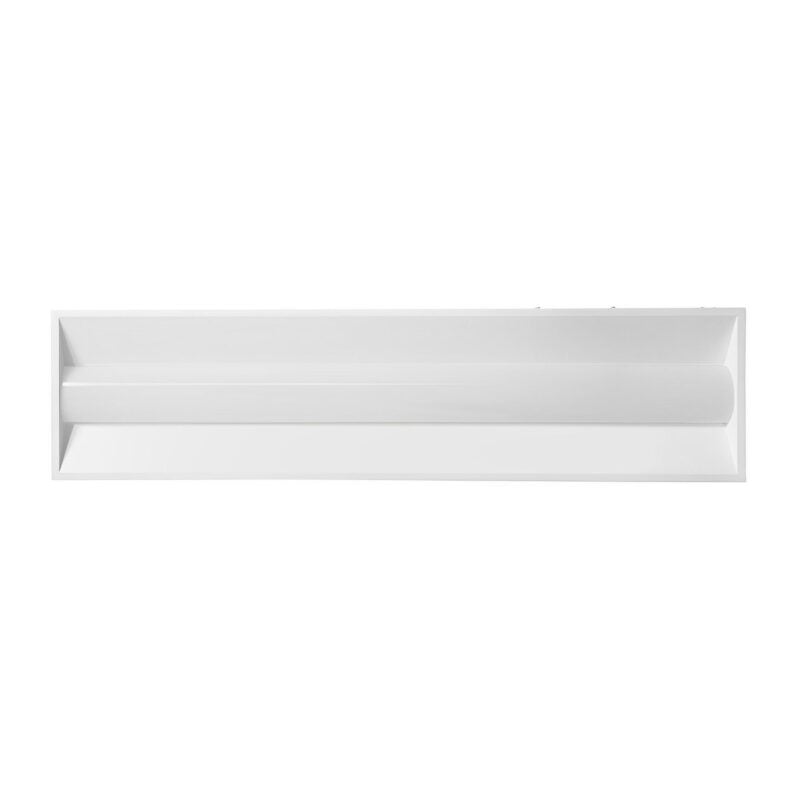


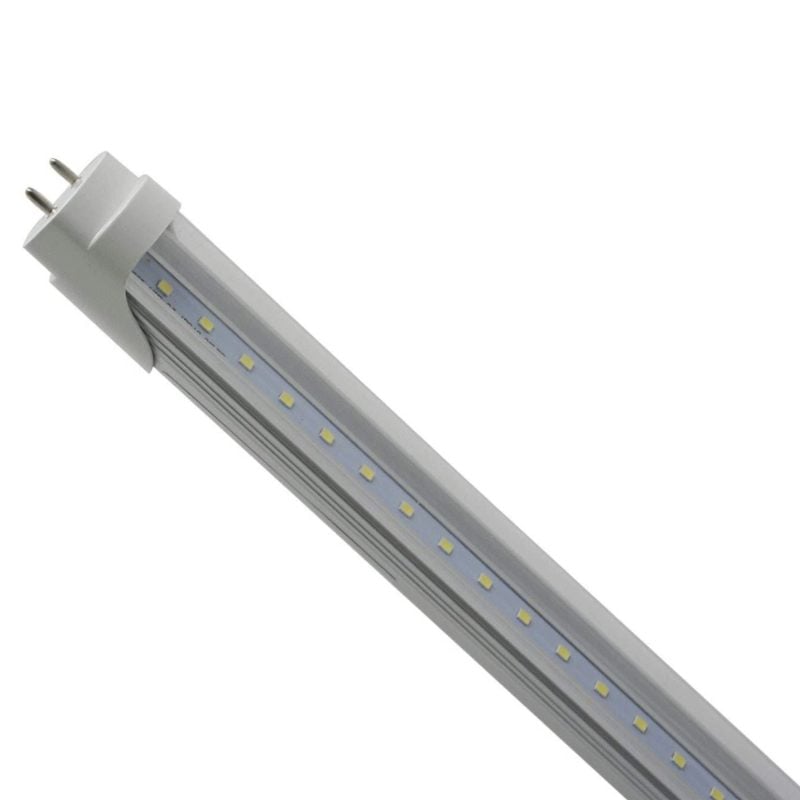

LED Healthcare Lighting for Hospitals, Clinics, Patient Rooms, Labs, and Support Areas
LED healthcare lighting is used in hospitals, clinics, medical offices, patient rooms, corridors, lobbies, waiting areas, exam rooms, treatment areas, labs, kitchens, restrooms, utility rooms, and other healthcare support spaces. These facilities need lighting that supports patient comfort, staff visibility, wayfinding, clinical tasks, cleaning, maintenance, emergency operation, and long operating hours.
Healthcare lighting should be selected by room type and task, not by wattage alone. A patient room, corridor, laboratory, operating room, kitchen, and waiting area may all require different fixture types, light levels, controls, color quality, cleanability, and code review. Final requirements may depend on facility standards, clinical use, infection-control requirements, emergency power requirements, local code, and applicable healthcare design guidelines.
Selection and Installation Note: Product specifications, wattage, lumen output, optics, color temperature, voltage, dimming, controls, mounting method, cleanability, emergency operation, certifications, environmental rating, and warranty coverage vary by model. Confirm the selected product specification before ordering. For hospitals, clinics, patient-care spaces, laboratories, kitchens, emergency circuits, code-sensitive areas, or clinical task areas, verify requirements with the facility team, project specifier, healthcare designer, local inspector, infection-control team when applicable, or a licensed electrical professional.
Recommended Foot-Candles for Healthcare Lighting
Healthcare light levels vary by room type, clinical task, patient needs, glare control, emergency requirements, fixture type, ceiling height, and facility standards. The ranges below are general planning values. Final light levels should be confirmed against the applicable project requirements, healthcare design standards, clinical use, and selected product specifications.
Common LED Fixtures Used in Healthcare Facilities
Healthcare facilities often use a mix of LED panels, troffers, linear fixtures, overbed lights, sealed fixtures, vapor tight lights, downlights, and NSF-rated fixtures. The right fixture depends on ceiling type, room function, cleanability, controls, color rendering, glare, and whether the area is a patient-care, clinical, support, or food-service space.
| Fixture Type | Where It Fits Best |
|---|---|
| LED panels | Common in offices, corridors, waiting areas, patient rooms, exam rooms, and drop-ceiling spaces where a clean, even appearance is desired. |
| LED troffers | Used in many healthcare ceiling grids as replacements for fluorescent troffers. Confirm lens type, glare, controls, and cleanability. |
| Linear LED fixtures | Useful in corridors, patient rooms, labs, utility spaces, storage rooms, and support areas where continuous or directional light is preferred. |
| Overbed lights | Used in patient rooms where ambient, reading, observation, and exam functions may need separate controls or light levels. |
| Flush-mounted ceiling lights | Useful in rooms where a low-profile fixture is preferred and the ceiling layout does not support recessed panels. |
| Vapor tight or sealed fixtures | Used in utility areas, damp areas, cleaning spaces, kitchens, and some support rooms where moisture, dust, or cleaning exposure may be present. |
| NSF-rated fixtures | Used in healthcare kitchens, food preparation areas, and sanitary support spaces where food-safe or cleanable fixtures may be required. |

How to Choose LED Healthcare Lighting
Healthcare lighting should support the function of each space. Some areas need comfortable ambient light for patients and visitors. Others need higher task visibility for staff, laboratories, examination, cleaning, or food service. The fixture selection process should account for both the visual task and the facility environment.
| Selection Factor | What to Confirm |
|---|---|
| Room type and clinical use | Confirm whether the area is a lobby, waiting room, patient room, corridor, exam room, lab, critical care space, operating room, kitchen, restroom, or support space. Each room type may need different light levels, controls, and fixture ratings. |
| Target foot-candles | Use room-specific planning ranges as a starting point. Final requirements should be verified against project documents, healthcare standards, local requirements, and facility policies. |
| Color rendering | Higher CRI may be important where staff need to evaluate visual details, skin tone, labels, medication areas, samples, or task work. Confirm CRI on the selected product specification. |
| Color temperature | 3000K, 3500K, 4000K, and tunable white options may be used depending on the room. Confirm facility preference, patient comfort, staff tasks, and available CCT by model. |
| Dimming and controls | Patient rooms, corridors, exam rooms, waiting areas, and support spaces may benefit from dimming, switching zones, occupancy sensors, schedules, or tunable controls. Confirm driver compatibility, controls integration, clinical workflow, and facility requirements. |
| Glare and visual comfort | Low-glare optics and careful fixture placement can improve comfort for patients, visitors, and staff. Review patient bed positions, monitor screens, exam positions, corridors, and waiting areas. |
| Cleanability and infection-control concerns | Some healthcare rooms may require cleanable fixture surfaces, sealed construction, specific lens types, or compatibility with cleaning procedures. Confirm requirements with the facility team. |
| Emergency operation | Healthcare facilities may have emergency power, life-safety, or backup lighting requirements. Confirm whether fixtures connect to emergency circuits, generator-backed systems, battery backup, or central inverter systems. |
| Voltage and electrical service | Confirm available voltage and wiring conditions before ordering. Many commercial healthcare fixtures are available in 120-277V, but compatibility varies by model. |
| Moisture, food service, and support areas | Kitchens, utility rooms, restrooms, and cleaning areas may require NSF-rated, vapor tight, wet-location, or IP-rated fixtures depending on exposure and facility standards. |
Healthcare Lighting by Area
A healthcare facility usually needs a layered lighting approach. The goal is not to use the same fixture and brightness everywhere. The goal is to match the light level, fixture type, controls, cleanability, and visual comfort requirements to the room and task.
| Area | Lighting Priorities |
|---|---|
| Lobbies and reception areas | Support wayfinding, check-in tasks, visitor comfort, security visibility, and a professional first impression. Review glare, color temperature, controls, and ceiling type. |
| Waiting areas | Provide comfortable light for seating, reading, forms, circulation, and patient support. Avoid harsh glare or overly clinical color temperature where comfort is a priority. |
| Patient rooms | Use layered lighting for rest, observation, reading, staff tasks, examination, and nighttime movement. Confirm dimming, switching zones, overbed lighting, emergency operation, and low-glare optics. |
| Corridors | Support wayfinding, patient movement, carts, staff circulation, emergency egress, and nighttime lighting strategy. Review glare into patient rooms and whether dimming or night modes are appropriate. |
| Exam rooms and treatment areas | Prioritize task visibility, color rendering, shadow control, patient assessment, and dimming where appropriate. Confirm CRI, glare, fixture placement, and facility standards before ordering. |
| Medical laboratories | Support detailed task work, labels, samples, equipment visibility, cleanability, glare control, and color quality. Confirm whether sealed, vapor tight, or cleanable fixtures are required. |
| Critical care and treatment spaces | Review layered lighting, staff task visibility, patient monitoring, emergency operation, controls, equipment conflicts, cleanability, and facility standards. Do not assume a general commercial fixture is suitable. |
| Operating rooms | Coordinate general room lighting with surgical task lights, cleanable fixture requirements, infection-control expectations, emergency power, controls, medical equipment, and room-specific project documents. |
| Kitchens and food service areas | Confirm task visibility, cleanability, food-service suitability, NSF-rated fixture needs, moisture exposure, washdown exposure, IP rating, and facility sanitation requirements. |
| Restrooms, utility rooms, and support spaces | Review moisture exposure, cleaning practices, occupancy controls, emergency requirements, ceiling type, fixture protection, and facility maintenance needs. |
LED Healthcare Lighting vs. Fluorescent Lighting
Many healthcare facilities still have fluorescent troffers, tubes, or older fixtures in patient rooms, offices, corridors, support rooms, and back-of-house spaces. LED replacements can reduce energy use, improve control options, and eliminate routine fluorescent lamp and ballast replacement.
LED retrofits should be reviewed carefully in clinical spaces. A simple lamp swap may not address glare, color rendering, dimming, emergency operation, cleanability, or fixture condition. In patient-care areas and clinical task spaces, confirm whether a retrofit kit, LED tube, new LED panel, sealed fixture, or dedicated healthcare fixture is the best fit.
Benefits of LED Lighting for Hospitals and Healthcare Facilities
- Improved visibility: Properly selected LED fixtures can support patient care, staff tasks, wayfinding, cleaning, food service, and facility operations.
- Energy efficiency: LED fixtures can reduce energy use compared with older fluorescent or HID systems, with actual savings depending on fixture wattage, operating hours, controls, utility rates, and existing system condition.
- Reduced maintenance: LED systems eliminate routine fluorescent lamp and ballast replacement, which can reduce maintenance disruptions in patient-care and staff areas.
- Controls compatibility: Some LED fixtures support dimming, occupancy sensors, daylight controls, schedules, or tunable white systems depending on model and driver compatibility.
- Instant on operation: LEDs reach full output quickly without warm-up time.
- Color quality options: High-CRI and tunable white options are available for spaces where visual detail, comfort, or facility preference are important.
- Mercury-free lighting: LED fixtures do not use mercury-containing fluorescent lamps, which can simplify lamp disposal considerations during retrofit projects.
Common Healthcare Lighting Mistakes
- Using one fixture type everywhere: Patient rooms, corridors, labs, kitchens, operating rooms, waiting areas, and support spaces have different lighting needs.
- Choosing by wattage alone: Wattage does not confirm foot-candles, glare, color rendering, dimming, cleanability, or healthcare suitability.
- Overlooking patient comfort: Glare, harsh color temperature, poor dimming, and poor nighttime lighting can affect comfort in patient areas.
- Ignoring emergency lighting requirements: Healthcare facilities may have emergency power and life-safety requirements that must be reviewed before fixture selection.
- Assuming all panels are suitable for clinical spaces: Some areas may require sealed, cleanable, high-CRI, dimmable, or healthcare-specific fixtures.
- Not confirming controls compatibility: Dimming, sensors, and tunable white controls must match the fixture driver and facility control strategy.
- Misusing food-service or wet-area fixtures: Kitchens, dish areas, utility rooms, and wet areas may require NSF-rated, wet-location, or IP-rated products.
- Making diagnostic claims from lighting alone: Lighting can support visibility, but clinical diagnosis depends on trained professionals, equipment, procedures, and facility requirements.
Healthcare Lighting Certifications, Rebates, and Warranty Support
LED healthcare lights from LED Lighting Supply carry a safety listing such as UL, ETL, or CSA, depending on product. Many models are DLC or DLC Premium listed for utility rebate support where available. Rebate requirements vary by utility, region, and product listing, so confirm eligibility on the selected product specification before ordering.
Most LED healthcare lights include a 5-year warranty unless otherwise specified, with USA-based warranty support. Before purchase, review the selected product specification to confirm certifications, DLC status, voltage, controls compatibility, mounting method, cleanability, emergency operation, environmental ratings, and whether the fixture is right for the healthcare facility.
Contact us about LED healthcare lighting, and our Product Specialists can help review room type, fixture type, light level, color temperature, CRI, dimming, controls, voltage, cleanability, emergency operation, and product specifications.
LED Hospital Lighting Frequently Asked Questions
What Types of LED Lights Are Commonly Used in Hospitals and Healthcare Facilities
Hospitals and healthcare facilities require specialized lighting solutions to support patient care and staff productivity. Commonly used LED lights include 2x4 LED panels for lobbies, over-bed linear fixtures with dimming capabilities in patient rooms, and 4000K LED panels for corridors. Kitchens often use NSF-rated fixtures to comply with food safety standards. Additionally, color adjustable LED fixtures can be used to support circadian rhythms and enhance patient recovery.
What Are the Benefits of Using LED Lighting in Healthcare Facilities
LED lighting offers significant advantages for healthcare facilities, including 50-90% energy reductions and high-quality lighting with accurate color rendering. LEDs also provide reduced maintenance costs with L70 ratings over 100,000 hours, instant on capabilities, and quiet operation. They are flicker-free, contain no mercury, and emit zero UV radiation, making them safer and more efficient than traditional lighting systems.
Why Are LED Fixtures Preferred Over Fluorescent Lighting in Healthcare Settings
LED fixtures are preferred in healthcare settings because they eliminate issues associated with fluorescent systems, such as constant humming, visible strobing, and mercury content. LEDs provide silent operation, consistent light output, and mercury-free construction, which supports healing environments and simplifies waste disposal protocols.
What Are the Ideal Lighting Levels for Different Areas in Hospitals
Lighting levels in hospitals vary by area to ensure optimal visibility and comfort. Typical footcandle requirements include 15-20 fc for lobby areas, 20-30 fc for general waiting areas, and 30 fc for patient ward rooms. Medical laboratories require 50 fc, while operating rooms need 300-1000 fc. Dimming capabilities allow fixtures to serve multiple functions, adapting to different needs throughout the day.
What Certifications Should Hospital Lighting Fixtures Have
Hospital lighting fixtures should carry certifications such as DLC Premium, UL Listed, and ETL Listed to ensure safety, performance, and energy efficiency. These certifications can also qualify projects for utility rebates and tax incentives. NSF certification is important for food-safe lighting applications.
What Warranty Support Is Available for LED Lighting in Healthcare Facilities
Our LED lights typically come with a 5-year warranty, with support based in the USA. Our experienced team is committed to resolving any warranty issues promptly, ensuring your lighting remains operational and reliable.
How Can Expert Support Enhance My Hospital Lighting Project
Our lighting specialists offer decades of experience and provide complimentary custom lighting plans tailored to your facility's specific needs. We calculate precise energy savings and ensure compliance with healthcare standards, helping you avoid costly specification errors and select the right fixtures for each application.