LED Car Wash Lighting
- Vapor tight and wet-location options for wash bays
- Higher CRI options available for detail and inspection areas
- DLC listed models may qualify for utility rebates
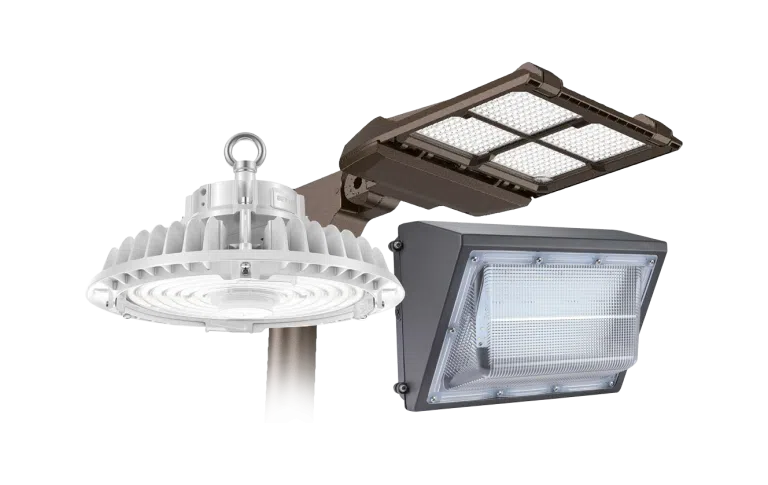


Our LED Lighting for Car Washes and Wash Bay Facilities includes vapor tight fixtures, canopy lights, linear fixtures, low bays, panels, recessed lights, troffers, wall packs, area lights, and security lights. Available models vary by output, color temperature, controls, and surface, suspended, pendant, or canopy mounting configurations.
These products are used in self-service wash bays, automatic and tunnel washes, vacuuming and drying areas, detail bays, paint correction areas, equipment rooms, offices, pay stations, waiting areas, exterior entrances, and perimeter areas.
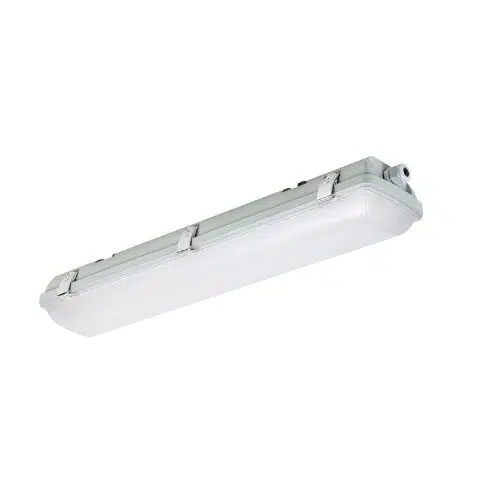


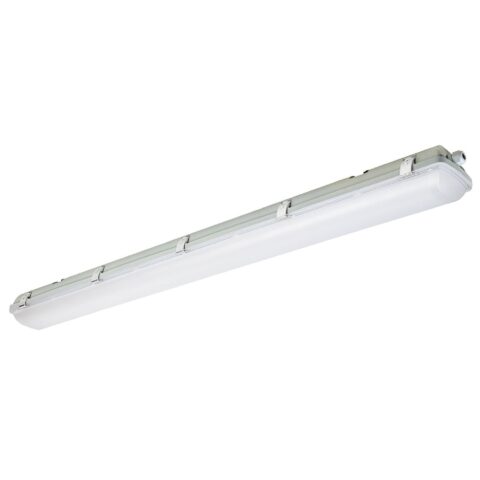
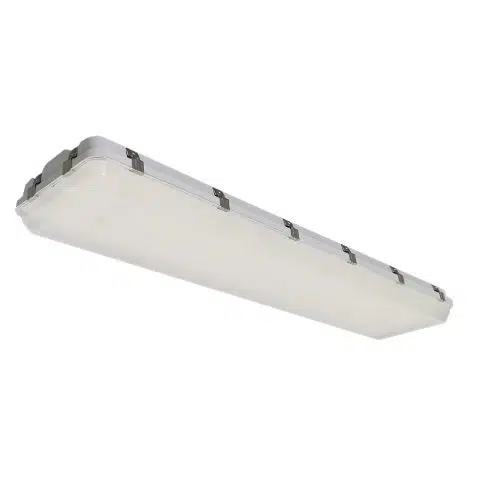


LED Car Wash Lighting for Wet, High-Moisture, and Detail Areas
LED car wash lighting must handle more than basic commercial illumination. Wash bays, tunnel washes, vacuum areas, detail bays, equipment rooms, customer areas, and exterior entrances all expose fixtures to different levels of moisture, steam, chemicals, temperature change, and cleaning activity.
The right fixture depends on where it will be installed. Start by identifying the exposure zone, then review fixture protection, mounting height and beam spread, required light levels, and visual needs such as customer visibility or defect inspection. A self-service bay may need sealed vapor tight fixtures or canopy lights. A tunnel wash may need stronger protection against moisture cycling and chemical vapor. A detailing bay may need higher light levels and better color quality so staff can see streaks, swirl marks, scratches, and missed areas.

Selection and Installation Note: Product specifications, wattage, lumen output, beam angle, CRI, color temperature, voltage, controls, vapor tight construction, wet-location rating, IP rating, chemical resistance, mounting hardware, certifications, and warranty coverage vary by model. Confirm the selected product specification before ordering. For car wash bays, tunnel washes, wet locations, exterior areas, electrical upgrades, GFCI protection, chemical-exposure areas, or safety-critical spaces, verify requirements with your local inspector or a licensed electrical professional.
Choose Car Wash Lighting by Exposure Zone
Car wash lighting should be selected by exposure level first. A fixture used in a customer waiting room does not need the same protection as a tunnel wash fixture, and a detail bay does not need the same layout as a vacuum canopy.
| Car Wash Area | Fixture and Selection Guidance |
|---|---|
| Self-service wash bays | Vapor tight fixtures or canopy lights are commonly used. Confirm wet-location rating, fixture sealing, beam spread, mounting height, and customer visibility. |
| Automatic and tunnel washes | Vapor tight linear fixtures are often the better fit because of moisture cycling, steam, chemical vapor, and constant wash activity. |
| Vacuuming and drying areas | Canopy lights, vapor tight fixtures, or area lights may be used depending on whether the space is covered, exposed, or near spray zones. |
| Detail bays | Linear, low bay, or vapor tight fixtures can support higher light levels for cleaning, inspection, and finish review. |
| Paint correction and polishing areas | Higher-output linear or low bay lighting may be needed to reveal defects, swirl marks, scratches, and polishing results. |
| Equipment and mechanical rooms | Utility or vapor tight fixtures should be reviewed for moisture, service access, voltage, and clearance around equipment. |
| Office, pay station, and waiting areas | Panels, recessed lights, or troffers may be used where comfort and appearance matter more than wash-bay protection. |
| Exterior entrances and perimeter areas | Wall packs, area lights, or security lights may be used for after-hours visibility, vehicle movement, and customer access. |
Recommended Foot-Candles for Car Wash Lighting
Car wash light levels vary by area. Customer-use wash bays need enough light for visibility and safety. Tunnel washes need brighter, more durable lighting for equipment and quality control. Detail and paint correction areas need higher light levels because staff must identify surface defects that are easy to miss under standard lighting.
Use the foot-candle guide below as a starting point. Final fixture selection should still account for mounting height, beam spread, fixture spacing, wet-location rating, vapor tight construction, chemical exposure, CRI, color temperature, glare, and customer visibility.
Vapor Tight vs IP-Rated Fixtures
Car washes are one of the places where fixture protection matters most. An IP rating helps describe protection against dust and water, but it does not always mean the fixture is the right choice for steam, condensation, chemical vapor, or constant moisture cycling.
Vapor tight fixtures are designed with sealed housings and lenses to help protect internal components from moisture and contaminants. Many vapor tight fixtures also carry IP ratings, but not every IP-rated fixture is vapor tight. For tunnel washes, enclosed bays, wash-adjacent areas, and high-moisture locations, verify the selected model is appropriate for the actual exposure.
| Condition | What to Confirm |
|---|---|
| Direct spray or splash | Wet-location rating, gasketed construction, lens sealing, and fixture orientation. |
| Steam and condensation | Vapor tight construction and protection against moisture cycling inside the fixture. |
| Chemical exposure | Housing, lens, gasket, and hardware suitability for cleaners, degreasers, and wash chemicals. |
| Customer-facing bays | Wide beam spread, glare control, fixture placement, and enough light for visible wash results. |
| Detailing and polishing | Higher CRI, higher light levels, fixture placement, side lighting, glare, and surface reflection. |
Lighting for Detail Bays and Paint Correction
Detailing areas need more careful lighting than standard wash bays. Technicians need to see dirt, water spots, swirl marks, scratches, polish haze, and finish defects. Brightness matters, but light quality and placement matter too.
For detailing and paint correction, review CRI, color temperature, uniformity, wall brightness, side lighting, reflection, and glare. A cooler 5000K appearance may help reveal surface conditions in some detailing spaces, while 4000K may provide a more balanced appearance for mixed-use areas. Confirm the selected fixture specification and test the look of the space where color-critical work matters.
Mounting, Wiring, and Controls
Car wash fixtures may be surface mounted, suspended, pendant mounted, or installed under a canopy depending on the bay structure. Mounting height and fixture placement affect shadows, hot spots, and how well customers or staff can see vehicle surfaces.
- Wide beam patterns are often useful in low to moderate mounting heights because they reduce shadows and hot spots.
- Selectable wattage can help tune brightness in wash bays, vacuum areas, and detail bays after installation.
- Selectable CCT may help match customer areas, service areas, and detail spaces with different visual needs.
- Motion sensors may be useful in equipment rooms, storage areas, and lower-traffic zones.
- Photocells may be useful for exterior entrances, perimeter lighting, and after-hours exterior lighting.
Electrical installation in wet and wash-adjacent areas may require specific wiring methods and GFCI protection depending on location and local requirements. Confirm electrical and installation requirements before ordering fixtures.
Car Wash Lighting Certifications, Rebates, and Warranty Support
LED car wash lights from LED Lighting Supply carry a safety listing such as UL, ETL, or CSA, depending on product. Many models are DLC or DLC Premium listed for utility rebate support where available. Rebate requirements vary by utility, region, and product listing, so confirm eligibility on the selected product specification before ordering.
Most LED car wash lights include a 5-year warranty unless otherwise specified, with USA-based warranty support. Before purchase, confirm certifications, DLC status, voltage, controls compatibility, wet-location use, vapor tight construction, chemical exposure, mounting method, environmental conditions, and whether the fixture is right for the car wash layout and exposure conditions.
Common Car Wash Lighting Mistakes
- Using standard commercial fixtures in wash bays: Car wash bays require fixtures rated for moisture, splash, and the actual exposure conditions.
- Assuming IP-rated means vapor tight: IP ratings and vapor tight construction are related but not identical. Confirm both where moisture cycling or condensation is a concern.
- Ignoring chemical exposure: Cleaners, degreasers, wheel chemicals, and wash additives can affect housings, gaskets, lenses, and hardware.
- Choosing narrow beam fixtures in low bays: Narrow beams can create hot spots and shadows that make vehicles look unevenly washed.
- Underlighting detail bays: Detail and paint correction areas need higher light levels and better light quality than standard wash bays.
- Using the wrong color temperature for inspection work: Warmer light may make surfaces look cleaner than they are, while cooler light may better reveal defects in some detail spaces.
- Skipping GFCI and wet-location review: Electrical requirements can be different near water, wash equipment, and wet customer-use areas.
- Ignoring fixture orientation: Some fixtures have specific mounting limitations that affect wet-location performance and warranty coverage.
Contact us about your car wash lighting project, and our Product Specialists can help review fixture type, vapor tight construction, wet-location rating, lumen output, CRI, color temperature, voltage, controls, mounting method, and product specifications.
LED Car Wash Lighting FAQs
How Should I Choose Lighting For Different Car Wash Areas?
Select car wash lighting by the exposure level and use of each area. Self-service bays commonly use vapor tight fixtures or canopy lights, tunnel washes often use vapor tight linear fixtures, detail bays can use linear, low bay, or vapor tight fixtures, and exterior areas may use wall packs, area lights, or security lights.
What Should I Confirm For Lighting In Wet Or High-Moisture Car Wash Areas?
Confirm the selected fixture's wet-location rating, sealing, vapor tight construction, chemical-exposure suitability, mounting method, and orientation for the actual exposure conditions. Direct spray, steam, condensation, chemical vapor, and moisture cycling can require different fixture protections.
Is An IP-Rated Fixture The Same As A Vapor Tight Fixture?
No, an IP rating and vapor tight construction are related but not identical. Many vapor tight fixtures also carry IP ratings, but not every IP-rated fixture is vapor tight, so tunnel washes and high-moisture locations should be reviewed for the actual exposure.
What Lighting Factors Matter Most In Detail Bays And Paint Correction Areas?
Detail bays and paint correction areas should be reviewed for CRI, color temperature, uniformity, wall brightness, side lighting, reflection, glare, and fixture placement. Higher light levels and better light quality help technicians identify dirt, water spots, swirl marks, scratches, polish haze, and finish defects.
What Color Temperature Should I Consider For Detailing Work?
A cooler 5000K appearance may help reveal surface conditions in some detailing spaces, while 4000K may provide a more balanced appearance for mixed-use areas. Confirm the selected fixture specification and test the appearance where color-critical work matters.
How Do Mounting Height And Beam Pattern Affect Car Wash Lighting?
Mounting height and fixture placement affect shadows, hot spots, and how well customers or staff can see vehicle surfaces. Wide beam patterns are often useful at low to moderate mounting heights because they reduce shadows and hot spots.
Can LED Car Wash Lighting Qualify For Utility Rebates?
Many LED car wash lighting models are DLC or DLC Premium listed for utility rebate support where available. Rebate eligibility varies by utility, region, and product listing, so confirm eligibility on the selected product specification before ordering.
What Warranty Coverage Is Available For LED Car Wash Lights?
Most LED car wash lights include a 5-year warranty unless otherwise specified, with USA-based warranty support. Confirm the selected product's warranty coverage before purchase.