LED Car Dealership Lighting
- Zone-specific fixtures for showrooms, service bays, and exterior lots
- High-CRI options help display paint and interior finishes accurately
- Lighting plans available to evaluate coverage and fixture placement


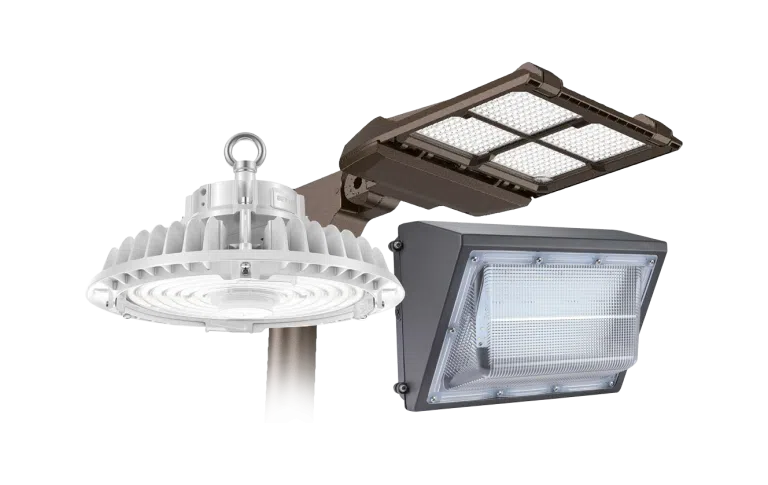
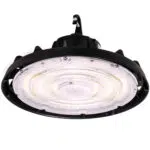
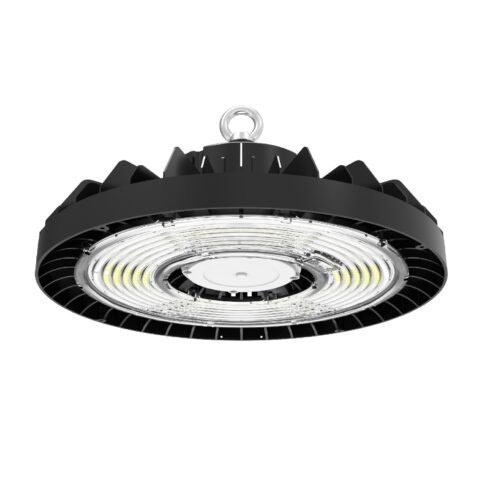
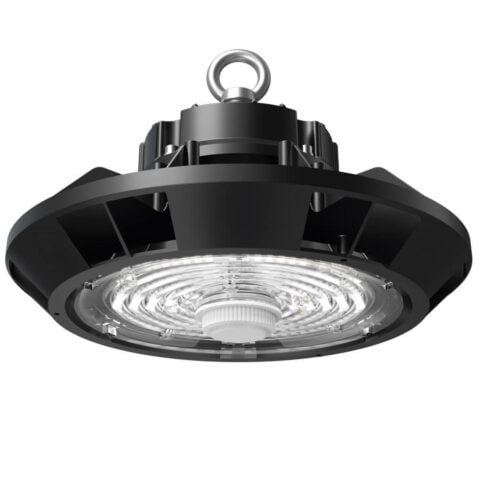
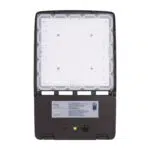
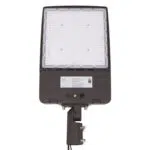
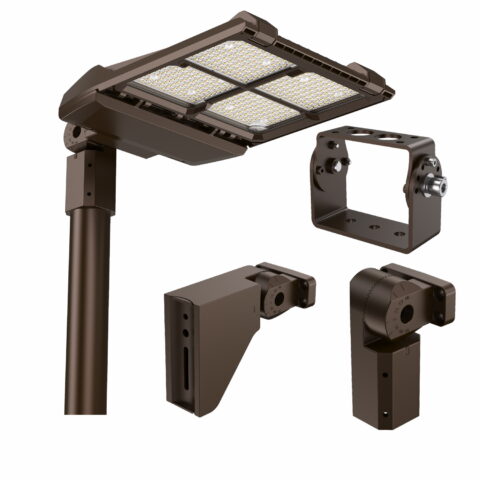
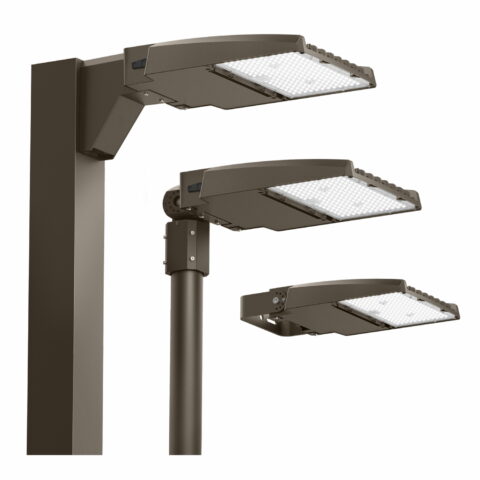
Our LED Lighting for Car Dealerships includes indoor and outdoor fixtures for showrooms, service bays, detail areas, vehicle lots, and building exteriors. Available products include LED panels, recessed lights, downlights, linear fixtures, high bays, shop lights, vapor tight fixtures, parking lot lights, area lights, wall packs, flood lights, and canopy lights. Models vary by wattage, lumen output, CRI, color temperature, voltage, mounting method, dimming, photocells, motion sensors, and selectable settings.
These products are commonly used in vehicle showrooms, sales offices, customer lounges, service and repair bays, detail and inspection areas, parts counters, parts storage, exterior vehicle display lots, customer parking areas, drive aisles, entrances, facades, and perimeter areas.





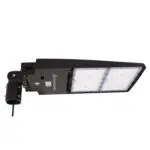
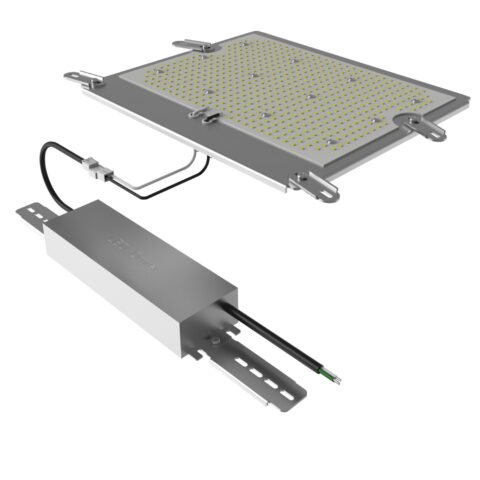

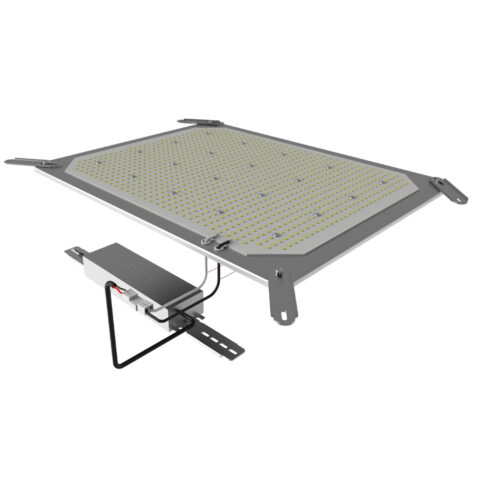
LED Car Dealership Lighting for Showrooms, Service Bays, and Vehicle Lots
Car dealership lighting has to support two very different goals: presenting vehicles well for customers and giving employees the visibility they need to work safely and accurately. A dealership may need showroom lighting, office lighting, service bay lighting, detail bay lighting, parts-area lighting, exterior display lot lighting, customer parking lighting, façade lighting, and perimeter security lighting within the same property.
The right lighting package depends on how each zone is used. A showroom should highlight paint, interior finishes, and vehicle shape without uncomfortable glare. A service bay needs stronger task lighting for inspections and repairs. An exterior vehicle lot needs uniform pole lighting that makes inventory visible after dark without creating excessive glare for drivers, customers, or neighboring properties.
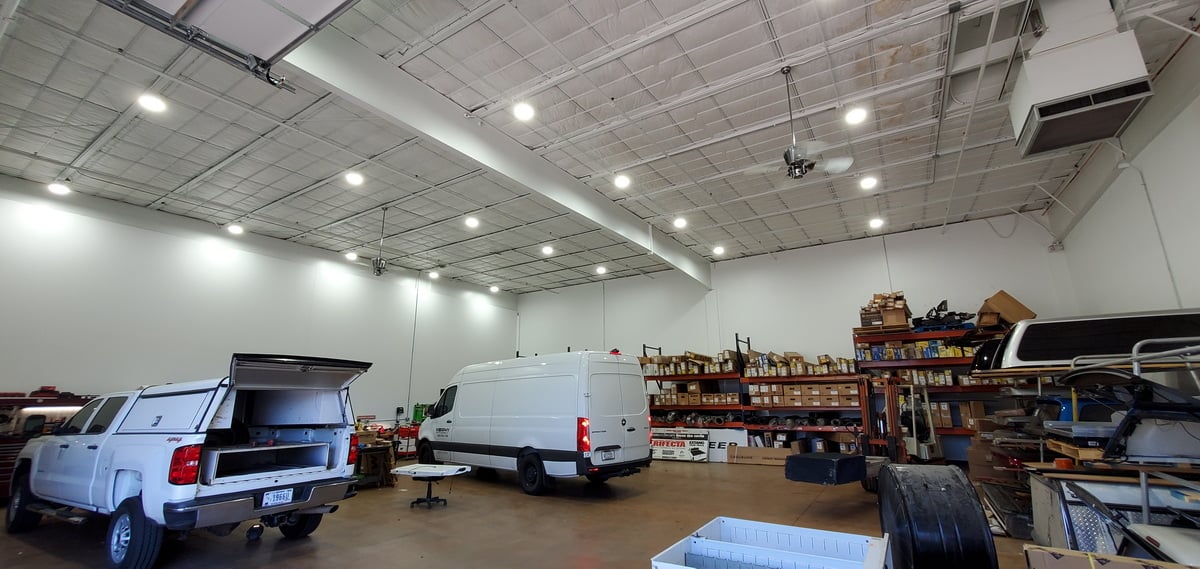
Case Study: Installation of new LED Lighting for a Yamaha Dealership
|
After: 120 Watt High Output UFO High Bay | 18000 Lumens | 4000K |
 |
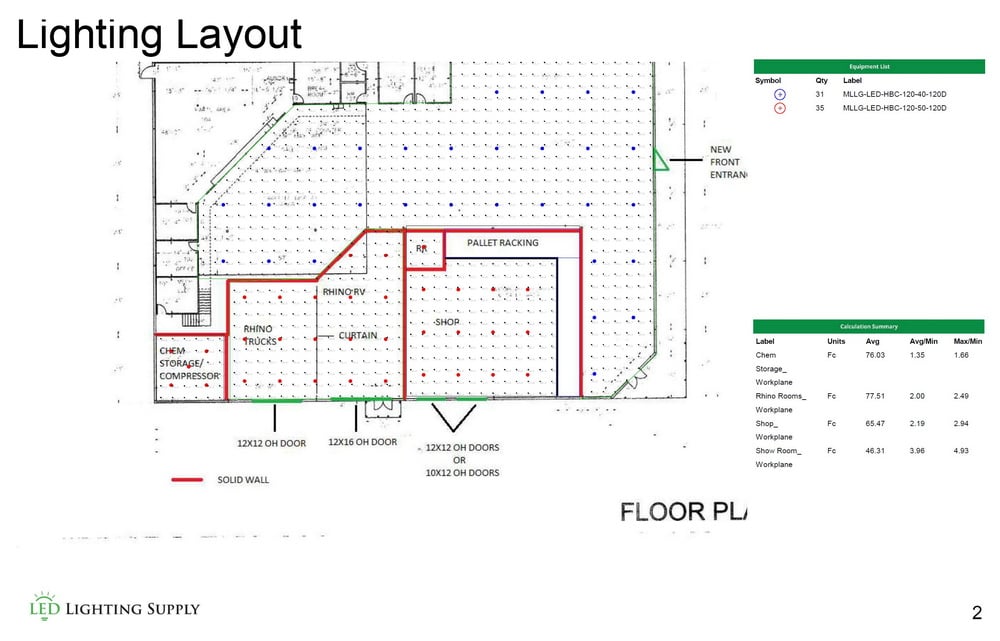
Lighting Plan We Created for the Customer
|
Lighting Plan |
Heat Map |
 |
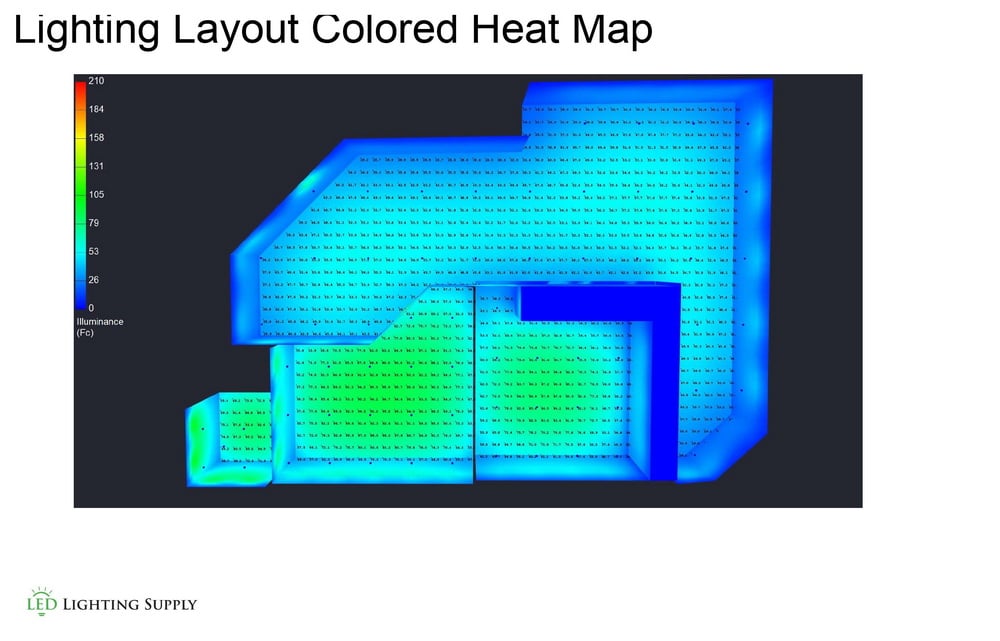 |
Yamaha Dealership Lighting Installation Plan Metrics
- Mounting height: 21 ft
- Fixture Used: MLLG-LED-HBC-200-4-120: 100 / 120 / 150 / 200 Watt Adjustable LED UFO High Bay | 15000 to 30000 Lumens
- FC achieved: 65.47 FC average
- Uniformity (Avg/Min): 2.00
Selection and Installation Note: Product specifications, fixture wattage, lumen output, CRI, color temperature, selectable settings, dimming, mounting method, voltage, controls, surge protection, certifications, damp- or wet-location listing, IP rating, IK rating, and warranty coverage vary by model. Confirm the selected product specification before ordering. For dealership showrooms, service bays, exterior lots, pole lighting, damp or wet areas, electrical upgrades, code-sensitive applications, or safety-critical spaces, verify requirements with your local inspector or a licensed electrical professional.
Choose Dealership Lighting by Zone
Start by separating the facility into customer-facing areas, technician work areas, vehicle display areas, and security areas. Then select fixture type and layout for each zone based on brightness, uniformity, glare, color quality, mounting height, environmental exposure, and controls needs. Showrooms, service bays, and exterior vehicle lots have different priorities, so a dealership lighting project should not use the same fixture type everywhere.
| Dealership Zone | Fixture and Selection Guidance |
|---|---|
| Vehicle showrooms | LED panels, recessed lights, downlights, or linear fixtures can create a clean sales environment. Review CRI, CCT, glare, dimming, ceiling height, and reflections on glossy paint. |
| Sales offices and customer lounges | LED panels, troffers, recessed fixtures, or linear lighting usually work well. Focus on comfort, visual consistency, and lower-glare lighting for desks and waiting areas. |
| Service bays and repair areas | LED high bays, linear high bays, or shop lights are commonly used. Confirm lift locations, shadows under vehicles, beam angle, ceiling height, and technician task visibility. |
| Detail, wash, and inspection bays | Vapor tight fixtures, linear fixtures, or protected high bays may be appropriate depending on moisture, spray, dust, and cleaning exposure. Confirm the selected fixture's damp- or wet-location listing, IP rating, corrosion resistance, and environmental suitability for the actual installation. |
| Parts counters and parts storage | Panels, linear fixtures, shop lights, or high bays may be used depending on ceiling height and shelving. Confirm aisle visibility, labeling, rack shadows, and task detail. |
| Exterior vehicle display lots | LED parking lot lights or area lights are commonly used. Review pole height, pole spacing, Type III or Type V distribution, inventory rows, glare, spill light, and color temperature. |
| Customer parking and drive aisles | Parking lot lights, area lights, or wall packs may be used depending on layout. Focus on safe movement for customers, pedestrians, vehicles, and sales staff. |
| Building façade and entrances | Wall packs, flood lights, canopy lights, and architectural exterior fixtures may support wayfinding and building visibility. Review aiming, glare, signage, and appearance. |
| Perimeter and back lot security | Wall packs, flood lights, security lights, and motion-sensor fixtures can support camera visibility and staff movement. Review shadows, fence lines, neighboring properties, and controls. |
Recommended Foot-Candles for Car Dealership Lighting
Car dealerships use a wide range of light levels because indoor and outdoor zones serve different purposes. Showrooms, service bays, detail bays, vehicle display lots, customer parking areas, and perimeter zones should be reviewed separately.
Use the foot-candle guide below as a starting point. Final fixture selection should be confirmed with a photometric plan that accounts for ceiling height, pole height, fixture spacing, light distribution, CRI, color temperature, glare, reflections, uniformity, controls, and exterior spill light.
Showroom Lighting: Make Vehicles Look Accurate, Not Overlit
Showroom lighting should help customers see paint color, body lines, trim details, and interior finishes without making the space feel harsh. More light is not always better. Poorly placed fixtures can create glare on windshields, bright reflections on hoods, and uneven light across vehicles.
When selecting showroom fixtures, review these items first:
- CRI: Higher color quality helps paint and interior materials look more accurate.
- Color temperature: 4000K is often a balanced choice, while 5000K may create a brighter, cooler appearance depending on the space.
- Dimming: Dimming can help adjust showroom brightness for daytime, evening, events, or display changes.
- Glare control: Fixtures should be placed to reduce reflections on glass, paint, chrome, and polished floors.
- Ceiling type: Recessed, panel, linear, and downlight options depend on ceiling design and desired appearance.
Service Bay and Detail Bay Lighting
Service and detail areas need stronger, more uniform lighting than most customer-facing spaces. Technicians need visibility under hoods, around lifts, along side panels, near tires, and under vehicles. Detail teams need to see paint condition, streaks, scratches, finish issues, and cleaning results.
| Work Area | Lighting Priority |
|---|---|
| Repair bays | Reduce shadows around lifts, tool areas, hoods, tires, and underbody work. |
| Inspection areas | Improve visibility for mechanical checks, paint review, and vehicle condition documentation. |
| Detail bays | Use high-quality, uniform light to help identify streaks, swirls, dirt, and finish defects. |
| Wash-adjacent areas | Confirm whether the location is considered damp or wet and select fixtures carrying the applicable environmental listing. Vapor-tight construction may be useful where moisture, dust, spray, or contaminants are present, but the term “vapor tight” should not be used as a substitute for verifying the fixture's damp- or wet-location listing and IP rating. |
For service and detail areas, confirm mounting height, fixture spacing, glare, CRI, beam angle, voltage, controls, and environmental exposure. Standard high bays may not be appropriate in damp, wet, wash-adjacent, high-impact, or corrosive locations unless the selected model is specifically listed or rated for those conditions.
Vapor-Tight Fixtures vs Damp- and Wet-Location Listings
Vapor tight describes a sealed or gasketed fixture construction intended to help limit the entry of moisture, dust, dirt, and other contaminants. It is useful terminology when comparing fixture construction, but it should not be treated by itself as the location rating that determines where the fixture may be installed.
For a damp or wet dealership area, verify the exact fixture's listing. A luminaire installed in a damp location should be identified as suitable for damp or wet locations, while a luminaire installed in a wet location should be specifically identified for wet-location use. The selected fixture may also have an IP rating that provides additional information about resistance to dust and water ingress.
For detail bays, wash bays, wash-adjacent spaces, exterior canopies, or other moisture-exposed areas, review all of the following:
- Damp- or wet-location listing for the actual installation environment
- IP rating for expected dust and water ingress
- Vapor-tight or gasketed construction where additional sealing from moisture, dust, or contaminants is useful
- Corrosion resistance where detergents, road salt, cleaning chemicals, or persistent moisture are present
- Cleaning exposure including spray direction, water pressure, and cleaning chemicals
- Operating temperature and condensation conditions
A fixture marketed as vapor tight should therefore still have its exact environmental listing and ratings verified before it is used in a wet, washdown, or other demanding location.
Exterior Vehicle Lot Lighting
Exterior dealership lighting should make inventory easy to view after dark while keeping the lot comfortable for customers and staff. The goal is not just brightness; it is balanced coverage across vehicle rows, walk paths, drive aisles, entrances, and display areas.
Parking lot lights and area lights are commonly used for vehicle display lots. Type III optics may be useful for rows and drive aisles, while Type V may fit more open areas or poles located inside a lot. Final optic choice should be confirmed by layout, pole spacing, fixture height, and where light needs to land.
For exterior lots, review pole height, pole spacing, mounting type, distribution pattern, color temperature, surge protection, photocells, dimming, light trespass, and nearby roads or properties.

Controls for Dealership Lighting
Controls can reduce energy use and make the property easier to manage, but each zone needs a different control strategy. Showrooms may benefit from dimming. Exterior lots often use photocells or schedules. Back lots and security areas may use motion sensors or stepped dimming depending on operating needs.
- Photocells are useful for dusk-to-dawn exterior lot lighting.
- Dimming can help showrooms, offices, and customer areas adjust for daytime, nighttime, and events.
- Motion sensors may work well for perimeter zones, back lots, storage areas, and lower-traffic exterior areas.
- Selectable wattage can help tune service bays, parts storage, and exterior lots after installation.
- Selectable CCT can help match existing lighting or adjust the appearance of showrooms, offices, and service areas.
Confirm control compatibility before ordering. Not every fixture supports every sensor, photocell, dimming method, emergency option, or building control system.
What a Car Dealership Lighting Plan Should Confirm
A dealership lighting plan should review each zone separately. A single fixture schedule for the entire property can miss important differences between a showroom, service bay, customer parking lot, and exterior display area.
| Planning Detail | Why It Matters |
|---|---|
| Indoor and outdoor zones | Confirms each area is reviewed by use instead of applying one light level everywhere. |
| Fixture placement | Helps reduce shadows in service bays and dark areas between exterior lot poles. |
| Foot-candle levels | Checks target light levels for showrooms, service bays, detail bays, display lots, and parking areas. |
| Uniformity | Improves visual consistency across vehicle displays, customer parking, and work areas. |
| Glare and reflections | Helps avoid uncomfortable glare and unwanted reflections on paint, glass, polished floors, and windshields. |
| Controls and scheduling | Reviews dimming, photocells, motion sensors, and operating schedules by zone. |
| Exterior spill light | Helps reduce light directed toward neighboring properties, roads, or residential areas. |
| Environmental exposure | Helps identify areas that may require damp- or wet-location listings, corrosion resistance, specific IP ratings, or vapor-tight construction. |
Dealership Lighting Certifications, Rebates, and Warranty Support
Selected LED dealership lighting fixtures from LED Lighting Supply carry a safety listing from an organization such as UL, ETL, or CSA, depending on product. Many models may be DLC or DLC Premium listed for utility rebate support where available. DLC qualification is a performance and efficiency designation, not an electrical safety listing. Rebate requirements vary by utility, region, and product listing, so confirm eligibility on the selected product specification before ordering.
For moisture-exposed areas, also confirm the selected fixture's damp- or wet-location listing and environmental ratings. A vapor-tight housing or product description should not be treated as a substitute for verifying whether the exact luminaire is listed for the intended location.
Warranty terms vary by fixture model. Before purchase, confirm the selected fixture’s certifications, DLC status, warranty, voltage, controls compatibility, dimming compatibility, mounting method, damp- or wet-location listing where applicable, IP rating, environmental conditions, and suitability for the dealership layout and surrounding conditions.
Request a car dealership lighting plan, and our Product Specialists can help review showroom lighting, service bay visibility, detail and wash-area environmental requirements, exterior lot coverage, fixture type, controls, color temperature, glare, spill light, and product specifications.
LED Car Dealership Lighting FAQs
How Should A Car Dealership Lighting Project Be Divided Into Zones?
Divide the property into customer-facing areas, technician work areas, vehicle display areas, and security areas before selecting fixtures. Showrooms, service bays, detail bays, parts areas, exterior display lots, customer parking, entrances, and perimeter areas have different priorities for brightness, uniformity, glare, color quality, mounting height, and controls.
What Should Be Reviewed When Planning Showroom Lighting?
Review CRI, color temperature, glare, dimming, ceiling height, and reflections on glossy paint when planning showroom lighting. Fixture placement should help customers see paint color, body lines, trim details, and interior finishes without harsh glare, windshield reflections, or uneven light across vehicles.
How Do Service Bay And Detail Bay Lighting Needs Differ?
Service bays need stronger, more uniform lighting for visibility under hoods, around lifts, along side panels, near tires, and under vehicles, while detail bays need light that helps identify paint condition, streaks, scratches, finish issues, and cleaning results. Both areas should be reviewed for mounting height, fixture spacing, glare, CRI, beam angle, voltage, controls, and environmental exposure.
When Should Damp, Wet, Or Vapor Tight Fixtures Be Considered?
Damp, wet, or vapor tight ratings should be confirmed for detail, wash, and wash-adjacent areas where moisture exposure is present. Standard high bays may not be appropriate in damp, wet, wash-adjacent, or high-impact locations unless the selected model is rated for those conditions.
How Should Type III And Type V Optics Be Chosen For An Exterior Vehicle Lot?
Type III optics may be useful for vehicle rows and drive aisles, while Type V optics may fit more open areas or poles located inside a lot. Confirm the final optic choice using the lot layout, pole spacing, fixture height, and where light needs to land.
What Should A Car Dealership Lighting Plan Confirm?
A car dealership lighting plan should confirm indoor and outdoor zones, fixture placement, foot-candle levels, uniformity, glare and reflections, controls and scheduling, and exterior spill light. The plan should review each zone separately rather than applying one fixture schedule or light level across the entire property.
What Controls Can Be Used For Different Dealership Areas?
Control selection should be based on the zone and operating needs: showrooms may benefit from dimming, exterior lots often use photocells or schedules, and back lots or security areas may use motion sensors or stepped dimming. Confirm control compatibility before ordering because not every fixture supports every sensor, photocell, dimming method, emergency option, or building control system.
What Should Be Confirmed Before Ordering Dealership Lighting Fixtures?
Confirm the selected fixture's specifications, certifications, DLC status, voltage, controls compatibility, dimming compatibility, mounting method, environmental conditions, and suitability for the dealership layout and surrounding conditions before purchase. Product wattage, lumen output, CRI, color temperature, selectable settings, surge protection, ratings, and warranty coverage vary by model.