Explosion-Proof LED Linear Lights
- Certified options for Class I and Class II hazardous locations
- Linear design suits production lines, walkways, and equipment areas
- Product selection support available for classified area requirements


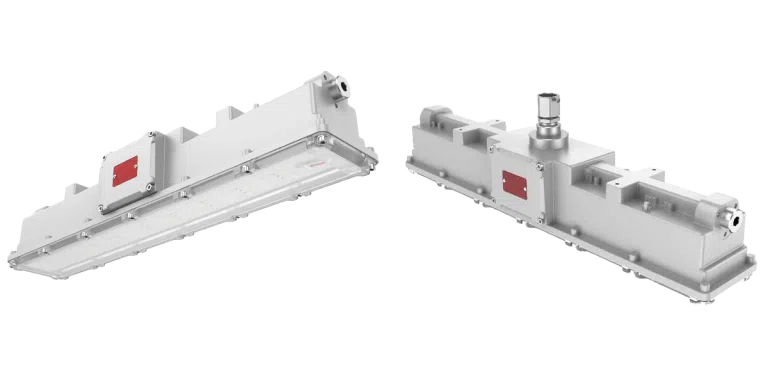
Our Explosion-Proof LED Linear Lights for Hazardous Locations include linear fixtures in multiple lengths, lumen packages, beam patterns, and mounting configurations for classified industrial areas.
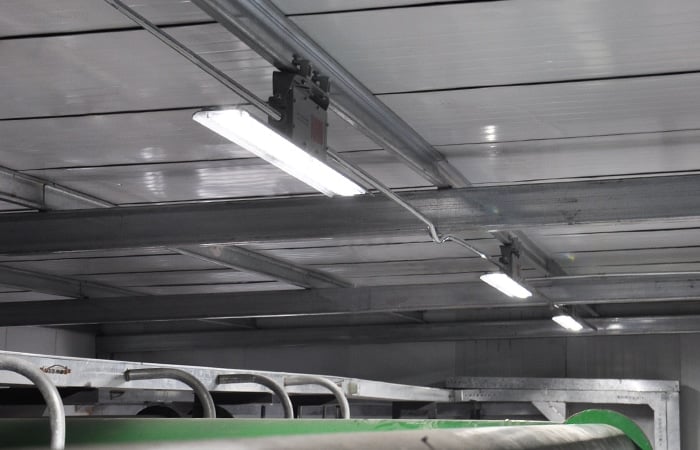
Available mounting options include ceiling, wall, pendant, surface, and bracket configurations. These fixtures are commonly used in production lines, equipment rooms, walkways, inspection areas, paint and finishing spaces, workstations, process equipment, corridors, and production areas.


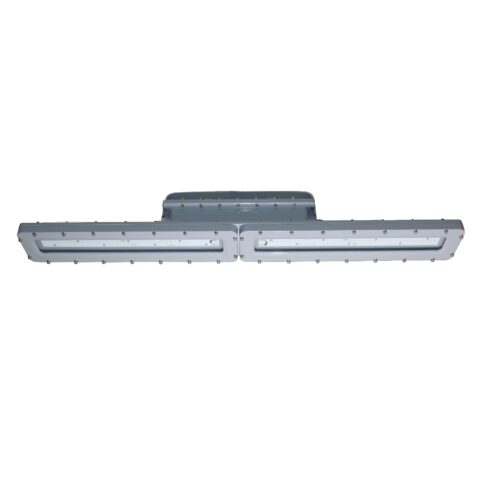
Explosion-Proof LED Linear Lights for Hazardous Locations
Explosion-proof LED linear lights provide long, even illumination for classified industrial areas where flammable gases, vapors, combustible dusts, or ignitable fibers and flyings may be present. Their rectangular design is well suited for production lines, equipment rooms, walkways, inspection areas, paint and finishing spaces, and lower mounting heights where broad, uniform coverage is preferred. Linear fixtures are also commonly used to replace older fluorescent explosion-proof lights.
LED replacements can provide immediate startup, consistent light output, and reduced lamp and ballast maintenance. The replacement should be selected by required lumens, distribution, mounting height, and foot-candle levels rather than by fluorescent lamp count or fixture wattage alone.
Choosing a Linear Hazardous-Location Fixture
First, verify the documented hazardous-area classification and required product markings. Then select the fixture's length, lumen output, beam pattern, voltage, mounting, and environmental ratings based on the layout, mounting height, task-lighting needs, and operating conditions. Before ordering, verify the exact:
- Class and Division: Match the fixture listing and marking to the gases, vapors, dusts, fibers, or flyings present and how frequently the hazard may occur. Review applicable Class I Division 1 lighting, Class I Division 2 lighting, Class II Division 1 lighting, or Class II Division 2 lighting options as required by the documented area classification.
- Group: Confirm compatibility with the specific gas, vapor, or combustible dust identified in the area classification.
- T-rating: Verify that the fixture's maximum surface temperature is appropriate for the hazardous material.
- Ambient rating: Confirm suitability for the expected operating temperature, especially in hot, cold, enclosed, or process areas. For elevated-temperature conditions, review high-temperature explosion-proof LED lights.
- Voltage: Match the fixture driver to the electrical circuit, including 120-277V or 277-480V explosion-proof lighting options where available.
- Light output and distribution: Select fixture length, lumens, beam pattern, and spacing based on the layout, mounting height, and required task lighting.
- Mounting: Confirm whether the installation requires ceiling, wall, pendant, surface, or bracket mounting.
- Environmental exposure: Review IP rating, wet-location suitability, corrosion resistance, washdown exposure, vibration, and impact requirements.
Linear explosion-proof lights are available in different lengths, lumen packages, beam patterns, and mounting configurations. Longer fixtures may improve coverage over workstations, process equipment, corridors, and production lines, but fixture spacing and output should be based on the actual layout and required task lighting.
Explosion Proof Is Not the Same as Vapor Tight
Vapor-tight linear fixtures can resist moisture, dust, and dirt, but they are not automatically approved for hazardous classified locations. A hazardous-location fixture must carry listings and markings that match the specific Class, Division or Zone, Group, temperature, and ambient requirements of the installation. Explosionproof construction is one protection method and is not required for every hazardous location. Do not select a fixture only because it has a sealed housing or high IP rating. IP ratings describe protection against dust and water intrusion; they do not replace hazardous-location approval.
Certifications, Installation, and Warranty
Selected linear hazardous-location fixtures may be listed or certified by organizations such as UL, CSA, or Intertek/ETL, depending on the model and applicable classification system. UL 844 is a product safety standard that may apply to hazardous-location luminaires; it is not itself a certification. ATEX is an EU regulatory/conformity framework, and IECEx is an international conformity-assessment system. Verify the exact product marking, third-party listing or certification, voltage, T-rating, ambient range, and environmental ratings before ordering.
The complete electrical system - including conduit, cable glands where permitted, explosion-proof junction boxes and lighting controls, sealing fittings, switches, grounding, and bonding - must also be suitable for the classified area. Installation should be completed by a qualified electrician experienced with hazardous locations and reviewed against applicable codes, project documents, and authority-having-jurisdiction requirements. Many explosion-proof LED linear lights include a 5-year warranty unless otherwise specified. Warranty coverage depends on the model, application, operating conditions, and installation requirements.
Need help selecting a fixture? Provide the hazardous-area classification, material present, required T-rating, voltage, mounting height, existing fixture information, and environmental conditions. LED Lighting Supply's Product Specialists can help identify compatible linear lighting options for review by your project professional.
Explosion-Proof LED Linear Lights FAQs
How Should I Select An Explosion-Proof LED Linear Light For A Hazardous Area?
Select the fixture by confirming the documented area classification, Group, T-rating, ambient rating, voltage, mounting requirements, and environmental exposure. The fixture listing and markings must match the gases, vapors, dusts, fibers, or flyings present and the applicable Class and Division requirements.
Can Vapor-Tight Linear Fixtures Be Used In Hazardous Classified Locations?
No, vapor-tight linear fixtures are not automatically approved for hazardous classified locations. A hazardous-location fixture must carry markings and certifications that match the installation's Class, Division, Group, and temperature requirements.
How Should I Replace Older Fluorescent Explosion-Proof Linear Lights?
Replace older fluorescent explosion-proof lights by selecting the LED fixture based on required lumens, distribution, mounting height, and foot-candle levels rather than fluorescent lamp count or fixture wattage alone. LED replacements can provide immediate startup, consistent light output, and reduced lamp and ballast maintenance.
How Should Fixture Length And Spacing Be Planned?
Fixture length, spacing, and output should be based on the actual layout and required task lighting. Longer linear fixtures may improve coverage over workstations, process equipment, corridors, and production lines.
What Environmental Conditions Should Be Verified Before Ordering?
Verify the fixture's IP rating, wet-location suitability, corrosion resistance, washdown exposure, vibration, impact requirements, ambient rating, and operating temperature suitability. Elevated-temperature conditions may require high-temperature explosion-proof LED lighting options.
What Should Be Confirmed Before Ordering A Linear Hazardous-Location Fixture?
Confirm the exact product marking, certification, voltage, T-rating, ambient range, and environmental ratings before ordering. Selected fixtures may carry certifications such as UL 844, cUL, CSA, ETL, ATEX, or IECEx, depending on the model and classification system.
What Other Parts Of The Electrical System Must Be Suitable For The Classified Area?
The complete electrical system must be suitable for the classified area, including conduit, permitted cable glands, explosion-proof junction boxes and lighting controls, sealing fittings, switches, grounding, and bonding. Installation should be completed by a qualified electrician experienced with hazardous locations and reviewed against applicable codes, project documents, and authority-having-jurisdiction requirements.