480 Volt Explosion-Proof LED Lights
- 277V-480V input range for high-voltage industrial systems
- Class I Division 1 and Division 2 options available
- Product specialists help match classification and voltage requirements


Get Your Custom Lighting Plan With Product Recommendations
- Layout designed around classified-area boundaries, mounting heights, and coverage for hazardous locations
- Fixture selection matched to Class I Division rating, temperature code, and 277-480V input requirements
- LED options can reduce energy use and extend maintenance intervals compared with legacy HID systems


Our 277V-480V Explosion-Proof LED Lights for High-Voltage Applications include Class I, Division 1 and Class I, Division 2 fixtures for hazardous industrial locations. High-voltage models typically accept 277V-480V input ranges for 277V, 347V, and 480V electrical systems.
These fixtures are commonly used in refineries, chemical plants, oil and gas facilities, fuel-transfer areas, paint and coatings plants, wastewater facilities, power-generation sites, processing plants, and marine facilities.
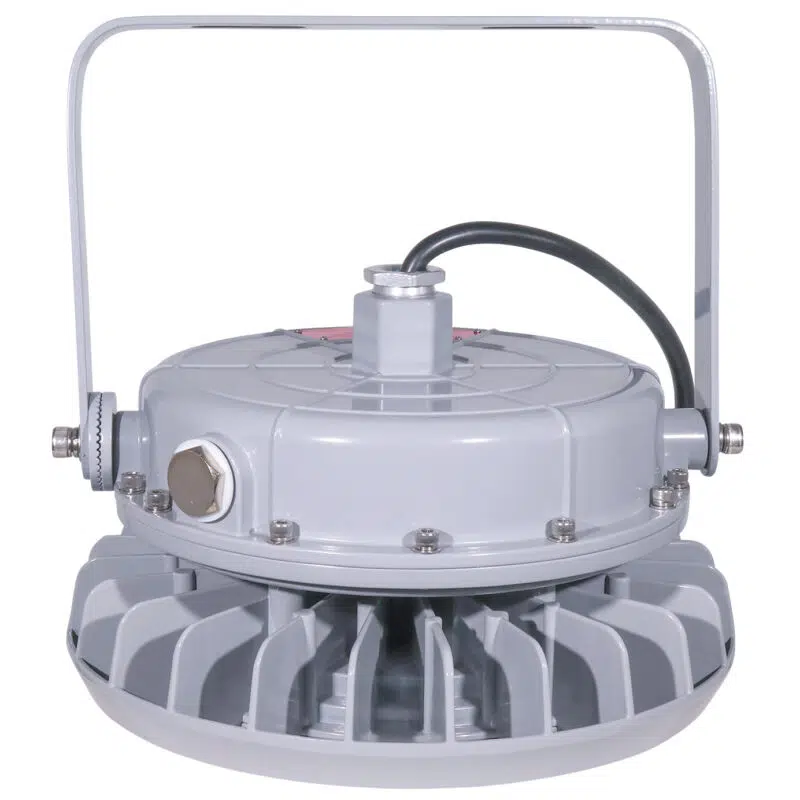


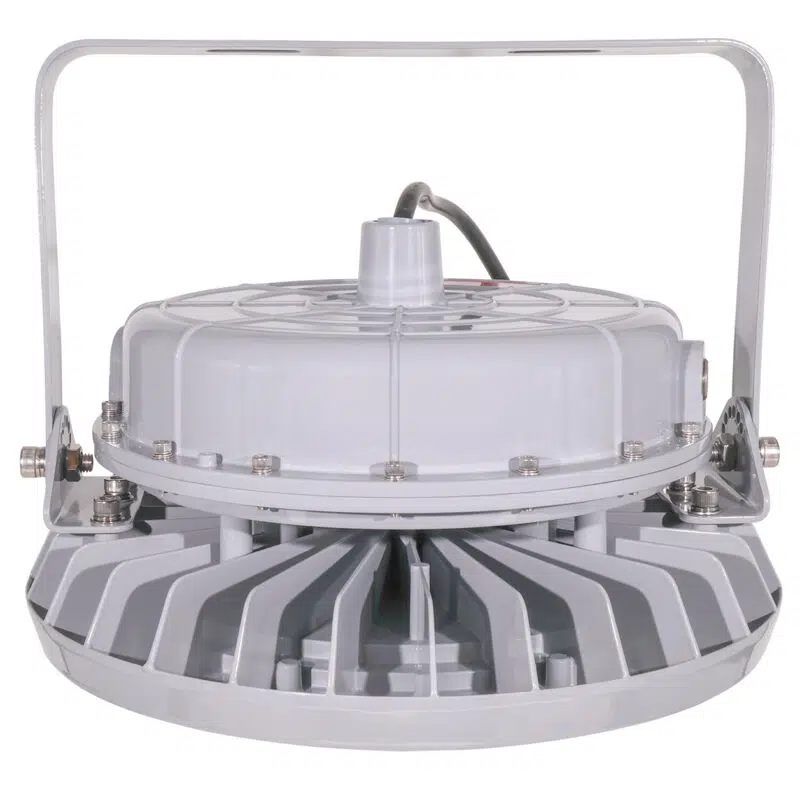
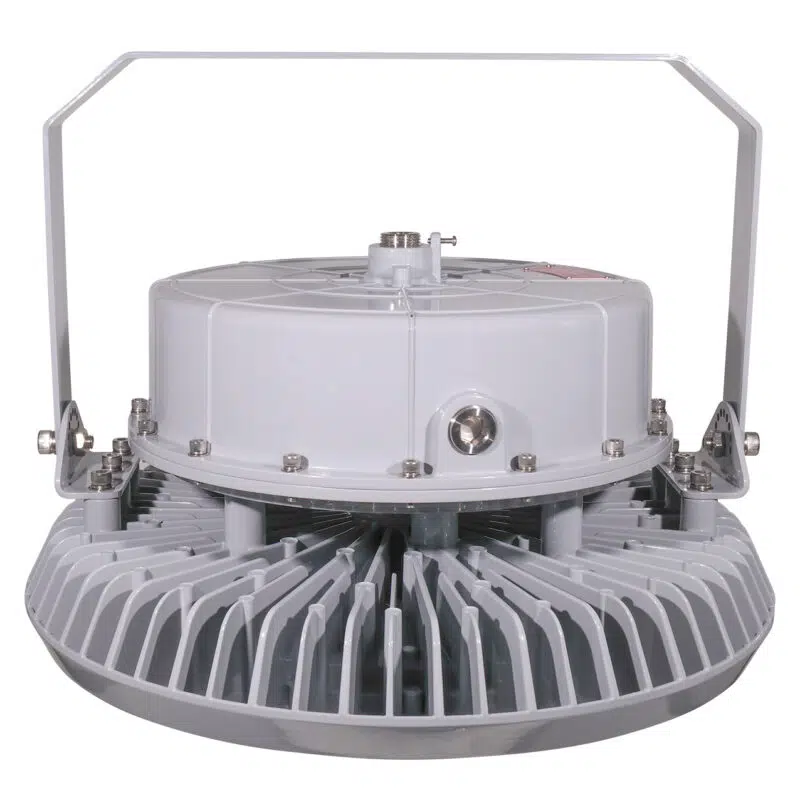
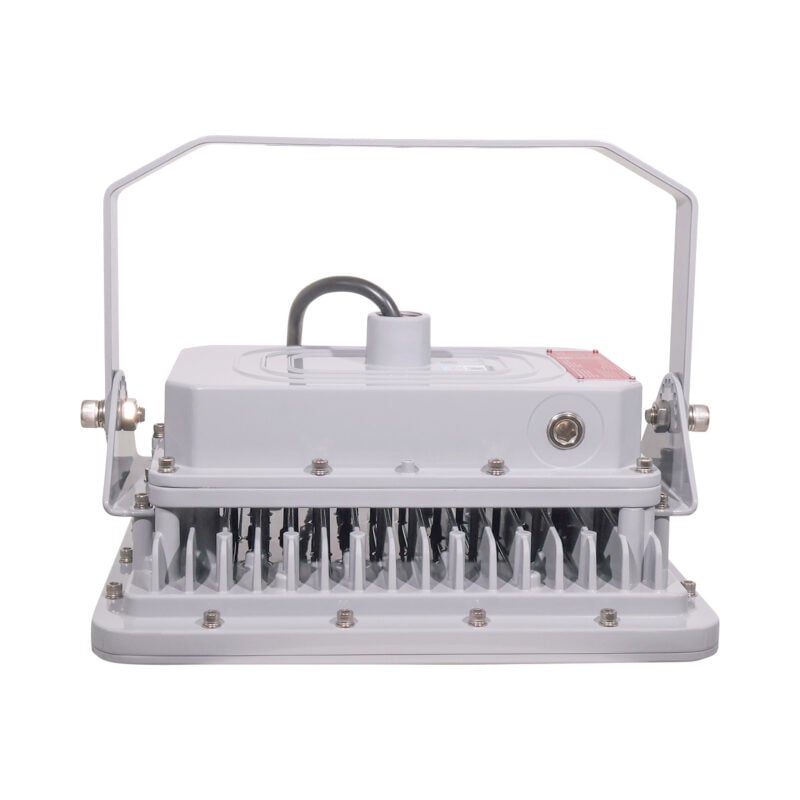
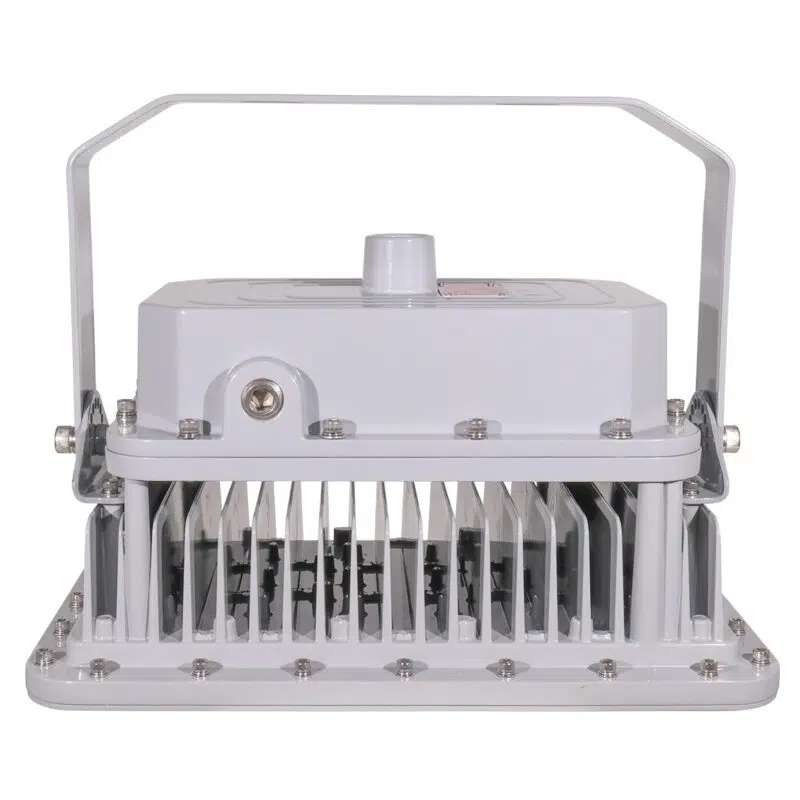
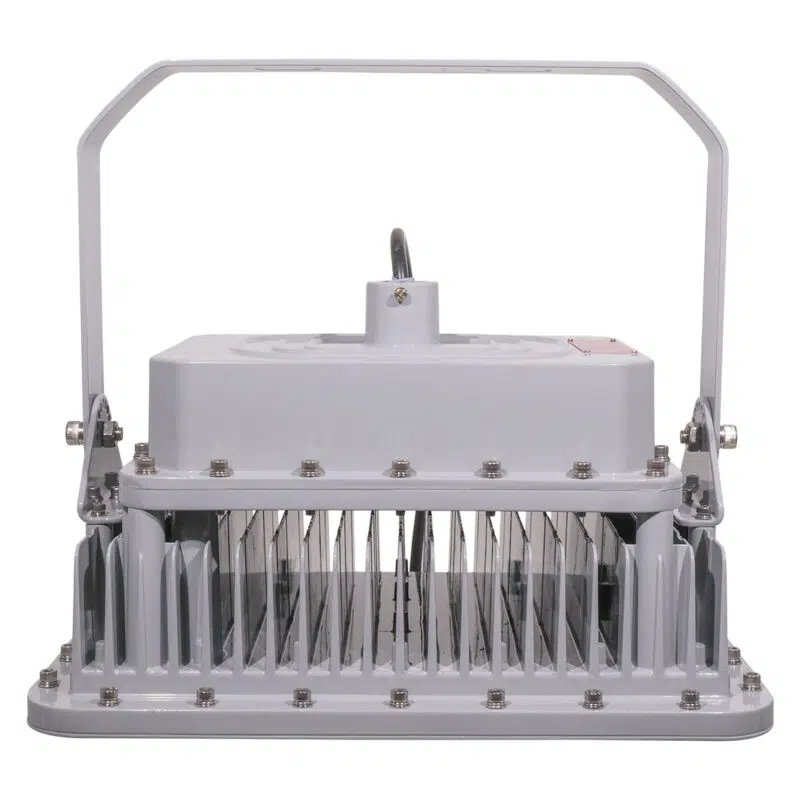
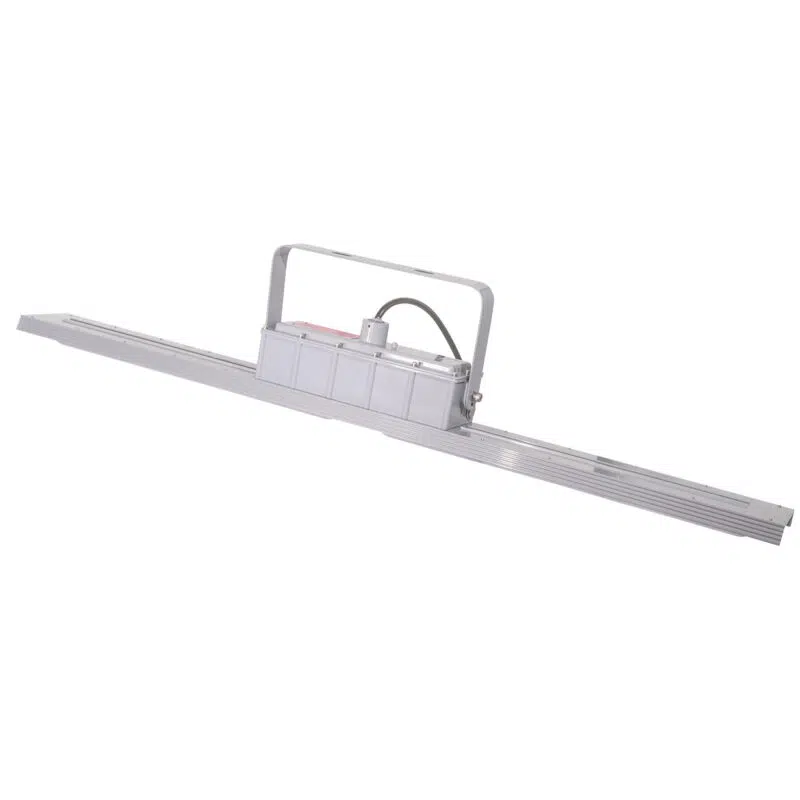

480 Volt Explosion-Proof LED Lights
480 volt explosion-proof LED lights are designed for hazardous industrial facilities that operate on high-voltage electrical systems. Our high-voltage models typically accept a broad 277V-480V input range, allowing them to operate on common 277V, 347V, and 480V systems without a separate step-down transformer. High-voltage explosion-proof fixtures are available in both Class I, Division 1 and Class I, Division 2 configurations. The correct fixture must match the documented hazardous-location classification for the exact mounting area as well as the facility voltage.
Selection Note: Start with the documented hazardous-location classification for the exact mounting area, including the required Class, Division, Group, temperature code, and ambient-temperature range. Then confirm the exact model supports the facility voltage, mounting method, environmental rating, and required certification before ordering.
What Does 277V-480V Mean?
A fixture marked for 277V-480V operation includes a driver designed to accept power anywhere within that input range. The fixture automatically operates at the connected voltage when it is properly wired and installed according to the product instructions.
| Supply Voltage | Typical Use |
|---|---|
| 277V | Common on commercial and industrial 480Y/277V electrical systems. |
| 347V | Used in some Canadian commercial and industrial electrical systems. Confirm that the selected model specifically supports 347V. |
| 480V | Common in manufacturing plants, refineries, chemical facilities, utilities, processing plants, and other large industrial operations. |
C1D1 and C1D2 High-Voltage Options
| Classification | Selection Guidance |
|---|---|
| Class I, Division 1 | Used where ignitable gases or vapors may be present during normal operating conditions. Confirm the specific gas group, temperature code, and 277V-480V input rating of the selected fixture. |
| Class I, Division 2 | Used where flammable gases or vapors are normally contained and may become present under abnormal conditions such as leakage, equipment failure, or ventilation loss. |
A C1D2 fixture should not be substituted for a C1D1 fixture solely because both support 480V. The hazardous-location rating must match the facility classification before voltage, wattage, lumen output, or fixture style is considered.
Why Use High-Voltage Explosion-Proof Lights?
| Project Consideration | Practical Value |
|---|---|
| Direct connection to high-voltage service | A 277V-480V fixture can connect to a compatible facility circuit without requiring a separate voltage-reduction transformer. |
| Lower current at higher voltage | For the same fixture wattage, a higher supply voltage draws less current than a lower-voltage circuit. |
| Compatibility with industrial infrastructure | Many heavy industrial facilities already distribute 277V or 480V power throughout production and process areas. |
| Fewer voltage-specific fixture models | A broad-range driver may support multiple facility voltages using one fixture model, subject to the product specifications. |
Where 480 Volt Explosion-Proof Lights Are Used
High-voltage explosion-proof lighting is commonly installed in refineries, chemical plants, oil and gas facilities, fuel-transfer areas, paint and coatings plants, wastewater facilities, power-generation sites, processing plants, marine facilities, and other hazardous industrial locations with 277V, 347V, or 480V electrical service. The facility type does not determine the required classification. The fixture must be matched to the materials present, release sources, ventilation, process conditions, and hazardous-area documentation for the specific mounting location.
Confirm the Exact Voltage Before Ordering
| Electrical Detail | What to Confirm |
|---|---|
| Nominal supply voltage | Confirm whether the lighting circuit supplies 277V, 347V, 480V, or another voltage. |
| Fixture input range | Verify that the exact model is marked for the facility voltage. Do not assume every explosion-proof fixture supports 480V. |
| Line-to-line or line-to-neutral connection | Confirm the intended connection method with the project electrical documents and product wiring instructions. |
| Frequency | Confirm compatibility with the facility’s 50 Hz or 60 Hz electrical system where applicable. |
| Controls and accessories | Dimmers, sensors, emergency drivers, surge protection, junction boxes, switches, and controls must support the voltage and hazardous classification. |
| Circuit and installation requirements | Verify conductor ratings, overcurrent protection, grounding, bonding, conduit, cable systems, seals, and fittings with the project electrician. |
Common High-Voltage Selection Mistakes
| Mistake | Why It Matters |
|---|---|
| Assuming every explosion-proof light supports 480V | Many fixtures use lower-voltage drivers. Confirm the input range on the product specification sheet. |
| Selecting by voltage before classification | A fixture can support 480V and still be unsuitable for the required Class, Division, Group, or temperature code. |
| Using a C1D2 light in a C1D1 area | The voltage range does not change or expand the fixture’s hazardous-location approval. |
| Assuming 480V always means line-to-line wiring | Connections depend on the electrical system and fixture instructions. A qualified electrician should verify the wiring method. |
| Ignoring accessory voltage ratings | Controls, sensors, emergency components, and junction equipment must be compatible with both the supply voltage and classified area. |
Installation and Documentation
480 volt explosion-proof lights should be installed by qualified electricians experienced with high-voltage and hazardous-location systems. The complete installation - including conduit or cable systems, seals, fittings, boxes, controls, grounding, bonding, and circuit protection - must comply with the fixture listing, manufacturer instructions, project documents, and applicable electrical requirements. Keep the fixture specification sheet, hazardous-location markings, voltage rating, wiring instructions, area-classification documents, and inspection records available for future maintenance and replacement.
Need Help Choosing 480 Volt Explosion-Proof Lights?
Contact us about 277V-480V explosion-proof LED lights, and our Product Specialists can help review the required C1D1 or C1D2 classification, facility voltage, fixture style, wattage, lumen output, mounting method, ambient temperature, and environmental conditions.
480 Volt Explosion-Proof LED Lights FAQs
Can A 277V-480V Explosion-Proof LED Light Operate On 277V, 347V, Or 480V?
A fixture marked for 277V-480V operation can accept power anywhere within that input range when properly wired and installed according to the product instructions. Confirm that the exact selected model specifically supports the facility voltage, including 347V where required.
Should I Choose Hazardous-Location Classification Or Voltage First?
The hazardous-location rating must match the documented classification for the exact mounting area before voltage, wattage, lumen output, or fixture style is considered. A fixture that supports 480V can still be unsuitable for the required Class, Division, Group, or temperature code.
Can A C1D2 Fixture Be Used In A C1D1 Area If It Supports 480V?
No. A C1D2 fixture should not be substituted for a C1D1 fixture solely because both support 480V, because the voltage range does not change or expand the fixture's hazardous-location approval.
What Should Be Confirmed Before Ordering A 480 Volt Explosion-Proof Light?
Confirm the documented Class, Division, Group, temperature code, ambient-temperature range, facility voltage, mounting method, environmental rating, and certification of the exact model. Also verify the fixture input range, frequency where applicable, intended connection method, and compatibility of controls and accessories.
Do All Explosion-Proof LED Lights Support 480V?
No. Many explosion-proof fixtures use lower-voltage drivers, so the input range must be confirmed on the product specification sheet for the exact model.
Where Are High-Voltage Explosion-Proof LED Lights Commonly Used?
High-voltage explosion-proof lighting is commonly installed in refineries, chemical plants, oil and gas facilities, fuel-transfer areas, paint and coatings plants, wastewater facilities, power-generation sites, processing plants, and marine facilities with 277V, 347V, or 480V electrical service. The required classification must still be matched to the specific mounting location.
Why Might A Facility Use A 277V-480V Explosion-Proof Fixture?
A compatible 277V-480V fixture can connect directly to a high-voltage facility circuit without a separate voltage-reduction transformer. A broad-range driver may also support multiple facility voltages using one fixture model, subject to product specifications.
Who Should Install 480 Volt Explosion-Proof LED Lights?
480 volt explosion-proof lights should be installed by qualified electricians experienced with high-voltage and hazardous-location systems. The complete installation must comply with the fixture listing, manufacturer instructions, project documents, and applicable electrical requirements.