High Temperature Steel Plant Lighting
- High temperature fixtures available for elevated ambient heat areas
- Vibration-resistant options for crane bays and heavy production
- Application support for fixture selection in demanding industrial environments


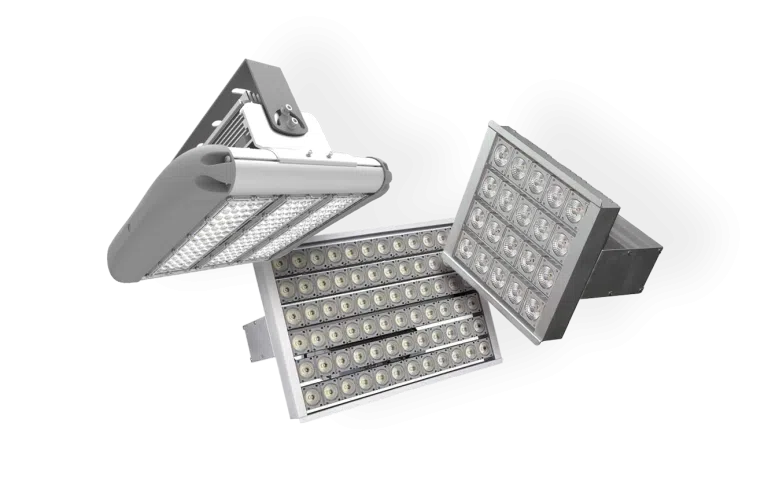
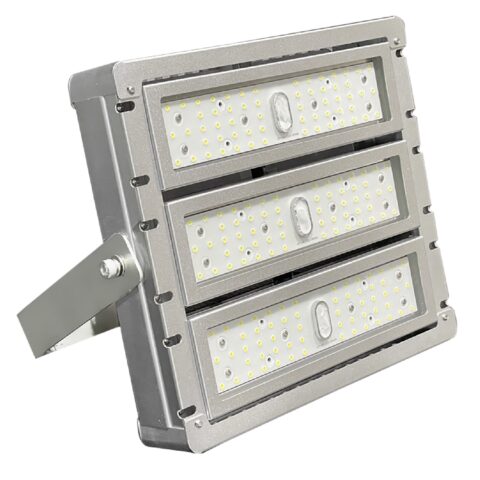
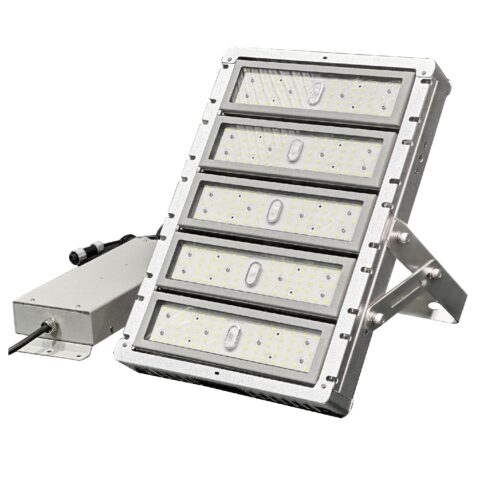
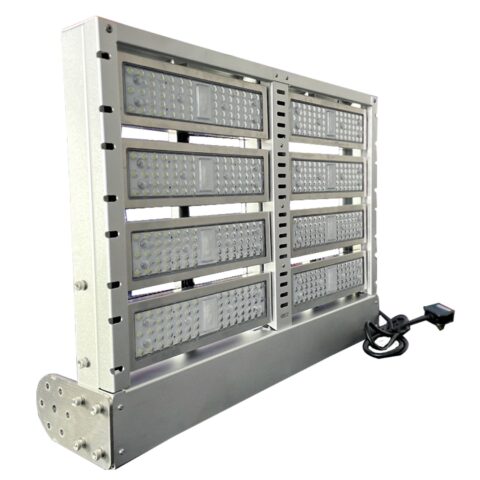
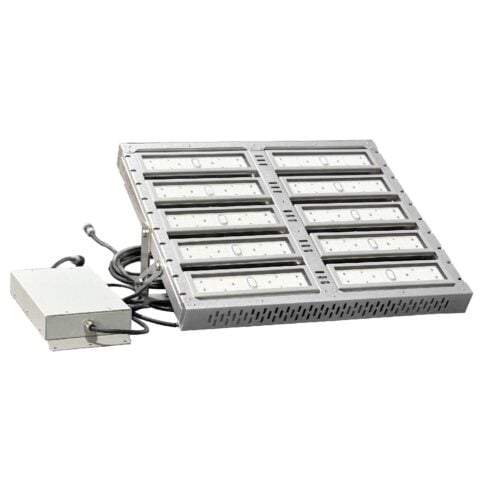
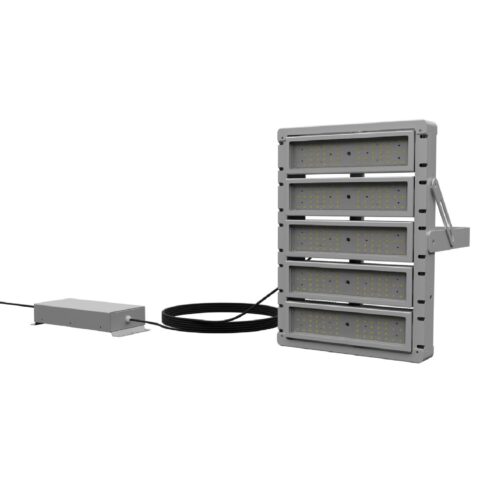
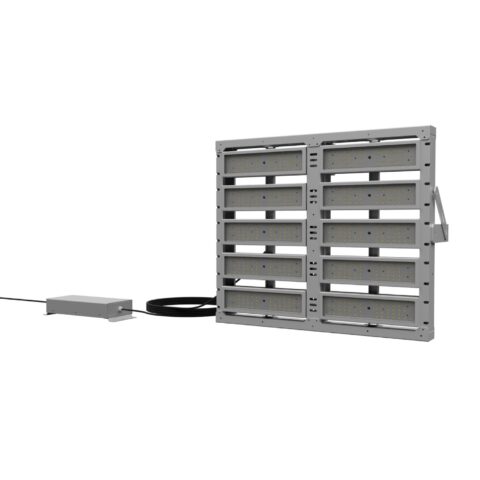
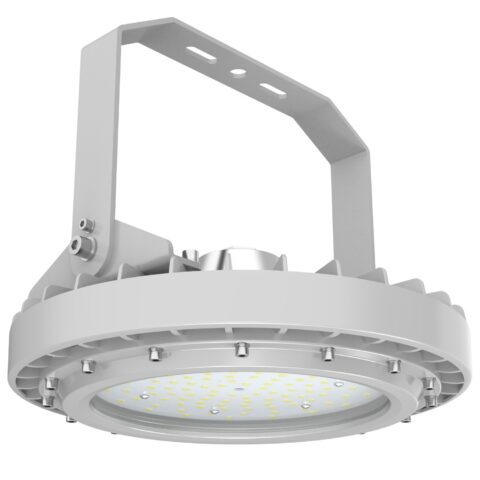
Our LED Steel Mill Lighting includes high temperature LED high bays, remote driver high bay fixtures, and industrial vapor tight fixtures for steel manufacturing facilities. Available models include high ambient temperature ratings, vibration-resistant designs, high lumen output, remote driver configurations, and corrosion-resistant housings.
These fixtures are commonly used in rolling mills, melt shops, furnace areas, crane bays, production halls, fabrication areas, finishing areas, maintenance corridors, utility rooms, and mechanical areas.




Why Steel Mills Require Specialized Industrial Lighting
Steel manufacturing facilities create some of the harshest operating environments for industrial lighting systems. Elevated ambient temperatures, radiant heat, dust accumulation, moisture, vibration, and difficult maintenance access can significantly reduce the service life of standard commercial lighting fixtures. Lighting systems used in steel mills should be selected to support safe production operations, equipment visibility, maintenance access, and continuous manufacturing schedules. Proper fixture selection can help reduce downtime, minimize maintenance demands, and improve long-term lighting performance in demanding industrial environments.
Common Steel Mill Lighting Applications
| Rolling Mills | High temperature high bay fixtures can provide illumination in heavy production environments with elevated heat and airborne particulates when the selected model is rated for the actual conditions. |
| Melt Shops | Steel melt operations may require industrial lighting selected for radiant heat, vibration, and difficult operating conditions at the fixture mounting location. |
| Furnace Areas | Furnace operations commonly require fixtures with ambient-temperature ratings suitable for the elevated temperatures expected at fixture height. |
| Crane Bays | High bay lighting systems used in crane bays should be evaluated for vibration exposure, mounting method, and uniform illumination throughout large industrial spaces. |
| Fabrication and Finishing Areas | Industrial LED lighting can support production visibility, quality inspection, and operational safety throughout steel processing facilities. |
Recommended Lighting Fixtures for Steel Mills
Start with the conditions at the mounting location: use high temperature high bays in elevated-heat production areas, consider remote-driver fixtures where driver placement can reduce exposure to excessive heat, and consider vapor-tight fixtures for areas exposed to dust or moisture. Confirm the selected fixture's temperature rating, ingress-protection rating, materials, seals, and manufacturer documentation where washdown, corrosion, or chemical exposure is present. Then evaluate vibration, mounting height, fixture spacing, maintenance access, and required illuminance before ordering.
High Temperature LED High Bays
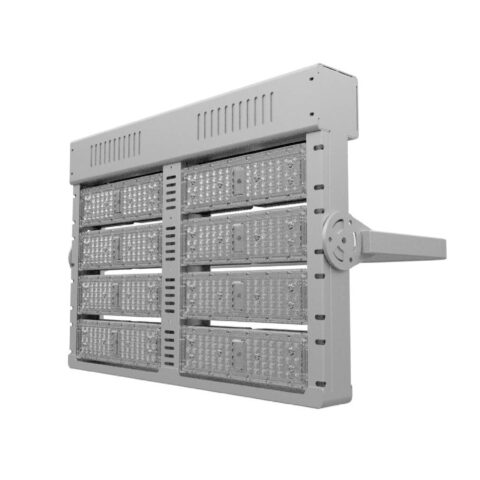
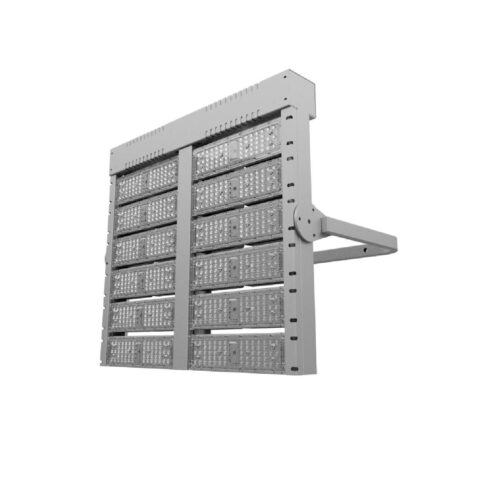
High temperature LED high bay fixtures are commonly used in steel manufacturing facilities because selected models can provide high-output illumination at elevated ambient temperatures within their published operating limits.
- Rolling mills
- Production halls
- Furnace areas
- Crane bays
- Heavy manufacturing operations
Remote Driver High Bay Fixtures
Remote-driver lighting systems can allow drivers to be installed away from the hottest fixture location when the system layout and manufacturer instructions support that arrangement. This can help reduce heat exposure to sensitive electronic components and may simplify service access.
- High radiant heat environments
- Extreme temperature operating areas
- Difficult maintenance locations
Industrial Vapor Tight Fixtures
Vapor tight fixtures are commonly used in utility spaces, maintenance areas, and industrial support spaces exposed to dust or moisture. Verify the exact enclosure rating and manufacturer documentation for washdown, corrosive exposure, or other application-specific conditions.
- Maintenance corridors
- Utility rooms
- Mechanical areas
- Industrial support spaces
Lighting Priorities for Steel Mill Operations
- Uniform illuminance across production areas, aisles, work surfaces, and maintenance zones
- Appropriate optical distribution to direct light to the work plane rather than creating excessive spill or dark areas
- Glare control near operator sightlines, elevated work areas, crane cabins, and inspection stations
- Color-rendering performance appropriate for inspection, identification, and maintenance tasks
- Maintenance planning that considers lift access, shutdown windows, driver accessibility, and fixture location
- Fixture-specific photometric analysis for tall ceilings, complex equipment layouts, and large production areas
How We Help Specify Steel Mill Lighting
Steel manufacturing facilities require lighting systems selected for the actual operating conditions and lighting objectives at each location.
- Review application information, mounting conditions, and ambient-temperature requirements
- Prepare fixture-specific photometric lighting plans using available IES data
- Help compare high temperature fixture options and published operating ratings
- Review mounting heights, spacing, optics, and maintenance-access considerations
- Provide available product specifications, dimensions, weights, ratings, and certification documentation
Our team helps facilities identify lighting products that match established project requirements. Final electrical installation, area classification, structural suitability, and code compliance should be determined by the qualified project professionals and authority having jurisdiction.
Common Mistakes and How to Avoid Them
Steel mill lighting systems operate in some of the harshest industrial environments. Fixture failures, poor visibility, and excessive maintenance demands can result from improper fixture selection or failure to account for heat, vibration, mounting conditions, and lighting distribution.
- Using standard commercial high bays in elevated ambient-temperature environments. Steel mills can expose fixtures to radiant heat, airborne particulates, and elevated ceiling temperatures that exceed standard fixture operating ratings. Confirm the published ambient rating at the actual mounting location.
- Ignoring heat buildup near ceiling-mounted fixtures above furnaces, rolling equipment, or production lines. Ambient temperatures at fixture height may be significantly higher than floor-level temperatures and should be evaluated before fixture selection.
- Selecting fixtures or mounting arrangements without considering vibration in crane bays or heavy production areas. Vibration from cranes, rolling equipment, and industrial machinery can affect fixture and mounting-system service life.
- Using incorrect optics in tall production facilities. Narrow or wide distributions can create uneven illumination depending on mounting height, spacing, and work-plane requirements. Fixture-specific photometric analysis is recommended for large industrial spaces.
- Assuming vapor-tight construction alone establishes washdown, corrosion, chemical, or hazardous-location suitability. Verify the fixture's exact IP or NEMA enclosure rating, materials, environmental documentation, and any required hazardous-location certification.
- Overlooking maintenance access challenges in high-ceiling industrial environments. Long-life LED fixtures and appropriately designed remote-driver systems may reduce service interruptions and lift-access needs, depending on the selected product and installation.
Steel Mill Lighting Certifications, Rebates, and Warranty Support
Safety certifications, environmental ratings, voltage options, and controls compatibility vary by fixture model. Selected LED Lighting Supply products may carry a listing or certification from an appropriately recognized testing organization, such as UL, ETL, or CSA. Many models may also be DLC or DLC Premium listed where applicable; DLC qualification is an efficiency and performance program, not an electrical safety certification. Rebate requirements vary by utility, region, program, and product listing, so confirm eligibility for the selected product before ordering.
Warranty terms vary by product, with many fixtures offering a 5-year warranty unless otherwise specified. Before purchase, review the selected product specification to confirm warranty coverage, certifications, DLC status, voltage, controls compatibility, mounting method, ambient-temperature rating, environmental ratings, and suitability for the intended industrial environment.
High Temperature Steel Plant Lighting FAQs
What Should Be Evaluated Before Selecting Steel Mill Lighting?
Evaluate ambient temperature at fixture height, radiant heat, vibration, mounting conditions, dust, moisture, and maintenance access before selecting steel mill lighting. These conditions can significantly reduce the lifespan of standard commercial fixtures.
When Are High Temperature LED High Bays Commonly Used In Steel Mills?
High temperature LED high bays are commonly used in rolling mills, production halls, furnace areas, crane bays, and heavy manufacturing operations. They provide powerful illumination while operating reliably in elevated ambient temperatures.
When Should A Remote Driver High Bay Fixture Be Considered?
Remote driver high bay fixtures should be considered for high radiant heat environments, extreme temperature operating areas, and difficult maintenance locations. Separating drivers from the hottest operating areas helps reduce thermal stress on sensitive electronic components.
How Should Lighting Be Planned For Tall Steel Mill Production Areas?
Lighting for tall production areas should account for fixture spacing, mounting, and beam angles, with photometric analysis recommended for large industrial spaces. Narrow optics may create dark areas between fixtures, while wide optics can waste light and reduce usable illumination at floor level.
What Lighting Is Commonly Used In Steel Mill Utility And Maintenance Areas?
Industrial vapor tight fixtures are commonly used in maintenance corridors, utility rooms, mechanical areas, and industrial support spaces. They are also commonly used in industrial environments exposed to dust, moisture, and washdown conditions.
Why Is Vibration Resistance Important For Crane Bays And Heavy Production Areas?
Vibration-resistant fixture and mounting designs are important because constant vibration from cranes, rolling equipment, and industrial machinery can shorten fixture lifespan when systems are not designed for industrial operation. High bay lighting systems in crane bays must withstand vibration while maintaining uniform illumination throughout large industrial spaces.
How Can Maintenance Access Affect Steel Mill Lighting Selection?
Maintenance access should be considered when selecting steel mill lighting, especially in high-ceiling industrial environments. Long-life LED fixtures and remote-driver systems help reduce maintenance interruptions and minimize lift access requirements.
What Should Be Confirmed Before Ordering Steel Mill LED Lighting?
Before ordering, confirm the selected product's certifications, DLC status, voltage, controls compatibility, mounting method, environmental ratings, and suitability for the demanding industrial environment. Rebate eligibility should also be confirmed on the selected product specification because requirements vary by utility, region, and product listing.