Explosion Proof Panel Lights
- Panel-style fixtures in 1X2, 1X4, 2X2, and 2X4 sizes for classified indoor areas
- Designed for Class I Division 2 locations; confirm Group, T Rating, and listing by model
- Product Specialists help review options and whether a lighting plan suits your project


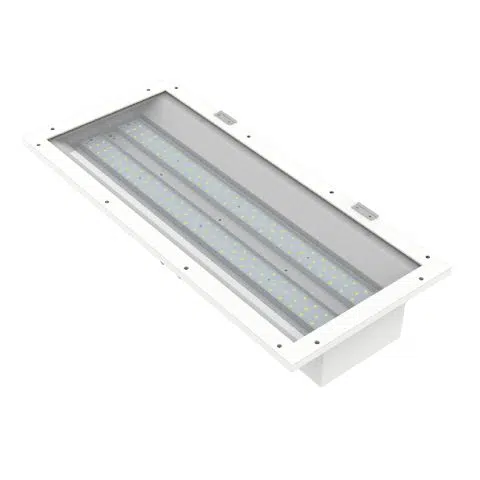
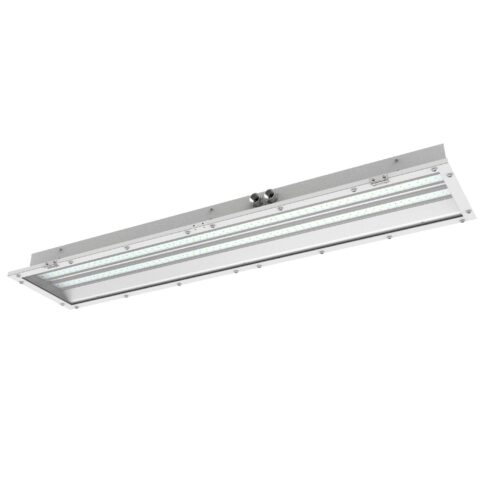
Explosion Proof LED Panel Lights provide broad, low-profile illumination for Class I Division 2 hazardous locations. Available in common 1X2, 1X4, 2X2, and 2X4 panel sizes, these fixtures are designed for classified indoor areas where even light distribution and a panel-style form factor are preferred. Use them in applications such as paint and finishing areas, inspection spaces, process rooms, and other classified work areas.
Choose a fixture by confirming panel size, lumen output, voltage, mounting method, hazardous-location classification, Group, T Rating, and environmental conditions. For larger projects, a photometric lighting plan can help verify fixture quantity, spacing, and expected light levels before ordering.


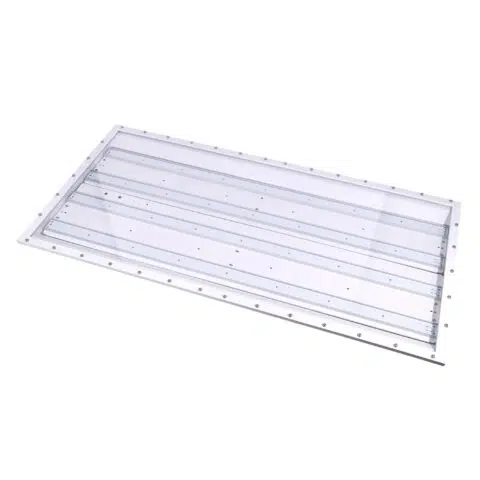
Choosing the Right Panel Size
Explosion proof LED panel lights are available in several common sizes, including 1X2, 1X4, 2X2, and 2X4. The best size depends on the available mounting area, fixture layout, required light levels, and the dimensions of the space.
| Panel Size | Typical Considerations |
|---|---|
| 1X2 | Compact panel option for smaller classified spaces, tighter mounting areas, inspection locations, or layouts where multiple smaller fixtures provide better coverage. |
| 1X4 | Long, narrow format that can work well over work areas, process lines, corridors, or rectangular spaces where linear coverage is preferred. |
| 2X2 | Square panel format for broader general illumination in classified rooms, work areas, and process spaces. |
| 2X4 | Larger rectangular panel option for wider coverage in larger classified indoor spaces where fewer fixtures may be appropriate. |
Panel dimensions alone should not determine fixture quantity. Lumen output, mounting height, spacing, target foot-candle levels, room dimensions, surface reflectance, and obstructions can all affect the final layout. A photometric lighting plan can help verify fixture quantity, spacing, and expected light levels before installation.
What to Confirm Before Ordering
Hazardous-location panel lights should be selected around the documented classification and actual project conditions, not simply by fixture size or lumen output.
Confirm the following before ordering:
- Hazardous-location classification: Confirm that the selected fixture is listed or certified for the specific classified location. Many models in this category are intended for Class I Division 2 applications; verify the exact product specification.
- Group: Verify that the fixture certification covers the applicable gas or vapor Group present in the location.
- T Rating: Confirm that the fixture temperature code is appropriate for the hazardous material and operating environment.
- Panel size: Select 1X2, 1X4, 2X2, or 2X4 based on the available mounting area and lighting layout.
- Lumen output: Match fixture output to the mounting height, spacing, work task, and required foot-candle level.
- Voltage: Confirm that the fixture input voltage matches the building electrical service.
- Mounting: Verify whether the project requires recessed, surface, suspended, bracket, or another approved mounting configuration.
- Environmental conditions: Review moisture, corrosion, chemicals, washdown exposure, ambient temperature, vibration, and impact conditions where applicable.
- Installation requirements: Confirm conduit, fittings, seals, junction boxes, grounding, bonding, and other hazardous-location installation requirements with the project electrical professional.
For larger projects or spaces with defined light-level requirements, a lighting plan can help determine whether the proposed fixture size, lumen package, quantity, and spacing will provide the required illumination.
Explosion Proof Is Not the Same as a Standard LED Panel
A standard commercial LED panel light should not be used in a hazardous location unless it has the required hazardous-location certification for that application.
Hazardous-location fixtures are evaluated for use in the conditions covered by their certification. The required fixture depends on the documented location classification, including Class, Division or Zone, Group, temperature code, and applicable environmental conditions.
A fixture being enclosed, gasketed, wet-location rated, or constructed with a durable housing does not make it suitable for a Class I Division 2 location.
Likewise, a fixture's hazardous-location listing applies only to the conditions covered by that specific certification. The fixture listing does not by itself make the complete electrical installation compliant.
Conduit systems, fittings, seals, junction boxes, wiring methods, grounding, bonding, and installation practices may also be subject to hazardous-location requirements. Final installation should be completed and verified by qualified electrical personnel in accordance with applicable codes and project requirements.
Applications for Explosion Proof LED Panel Lights
Explosion proof panel lights are typically used where broad, even illumination is needed in a classified indoor space and a low-profile panel-style fixture is preferred.
Potential applications include:
- Paint and finishing areas
- Inspection areas
- Process rooms
- Manufacturing spaces
- Classified work areas
- Chemical processing areas
- Fuel or vapor handling areas where Class I Division 2 equipment is required
- Maintenance and service areas within classified facilities
The documented hazardous-location classification for the specific installation should always determine whether a panel fixture is appropriate.
Mounting and Installation Considerations
Available mounting configurations may vary by product. Depending on the fixture, panel lights may be installed using recessed, surface, suspended, bracket, or other approved mounting methods.
Before selecting a mounting method, confirm:
- Available ceiling or structural support
- Fixture dimensions and weight
- Required clearances
- Conduit entry locations
- Approved mounting orientation
- Access for installation and future service
- Any hazardous-location requirements affecting fittings, seals, or wiring methods
Do not assume that a mounting method used with a standard commercial panel fixture is acceptable for a hazardous-location installation. Follow the selected fixture's installation instructions and applicable electrical requirements.
Environmental Conditions Matter
Hazardous-location classification is only one part of fixture selection. The physical environment should also be reviewed before ordering.
Depending on the location, consider exposure to:
- Moisture
- Washdown
- Corrosive chemicals
- Dust
- High or low ambient temperatures
- Vibration
- Mechanical impact
Confirm the selected fixture's environmental ratings and operating-temperature range for the actual installation conditions. An IP or wet-location rating addresses specified ingress exposure; verify materials, finishes, seals, and manufacturer documentation separately where chemical or corrosive exposure is present.
Certifications, Installation, and Warranty
Confirm the hazardous-location certification on the selected product specification before purchase. Class I Division 2 suitability, Group coverage, T Rating, environmental ratings, voltage, mounting configuration, and other certification details can vary by fixture.
Explosion proof lighting should be installed by qualified electrical personnel familiar with hazardous-location requirements. The fixture, wiring method, conduit, fittings, seals, junction boxes, grounding, bonding, and other components should be appropriate for the classified area and installed in accordance with applicable codes and project requirements.
Most LED Lighting Supply products include a 5-year warranty unless otherwise specified. Review the selected product specification for the exact warranty coverage, certifications, ratings, mounting options, voltage, and environmental suitability.
Need help selecting an explosion proof LED panel light? Contact LED Lighting Supply's Product Specialists with the required panel size, voltage, hazardous-location classification, mounting method, and project conditions. We can help review available options and determine whether a lighting plan would be useful for the project.
Explosion Proof Panel Lights FAQs
Can Explosion Proof LED Panel Lights Be Used in a Drop Ceiling?
Only when the selected fixture and mounting method are specifically suitable for that installation. Hazardous-location fixtures are not interchangeable with standard commercial troffers, so confirm the approved mounting configuration, ceiling structure, wiring method, and installation requirements for the specific model.
Are Explosion Proof Panel Lights a Good Choice for Low-Ceiling Classified Areas?
They can be a good fit where a lower-profile fixture is preferred and broad, even illumination is needed. The final choice should still be based on mounting height, required light levels, available space, classification requirements, and the photometric performance of the fixture.
Can I Use Fewer Explosion Proof Panel Lights by Choosing a Higher-Lumen Model?
Possibly, but higher lumen output does not automatically mean fewer fixtures. Fixture spacing, uniformity, room dimensions, mounting height, obstructions, and optic performance all affect the final quantity. A photometric plan is the best way to compare layouts.
Do Explosion Proof LED Panel Lights Require Special Drivers?
The driver is part of the certified fixture assembly and should match the fixture's electrical and hazardous-location design. Do not substitute drivers or electrical components unless the replacement is specifically approved by the fixture manufacturer and permitted under the applicable listing.
Can Explosion Proof Panel Lights Be Dimmed?
Some models may support dimming, but control compatibility varies by fixture and driver. Confirm the available dimming method and any restrictions on the selected product before designing the control system.
Are Emergency Battery Backup Options Available for Explosion Proof Panel Lights?
Emergency options may be available on selected models, but hazardous-location emergency lighting requires careful review of the complete fixture and emergency system. Confirm the selected product's listed configuration and the project's life-safety requirements before ordering.
Can These Fixtures Be Used in Food Processing or Washdown Areas?
Only if the selected fixture has the environmental ratings required for the space in addition to the necessary hazardous-location certification. Washdown, sanitation chemicals, corrosion, moisture, and temperature can all affect product suitability.
How Do I Know Whether a Panel Light Is Better Than a Linear Explosion Proof Fixture?
Panel lights are generally useful where broad, low-profile illumination is preferred, while linear hazardous-location fixtures may be better suited to long work areas, process lines, narrow spaces, or locations where a traditional linear housing is easier to mount. The best choice depends on the layout and required light distribution.
Can Explosion Proof LED Panel Lights Replace Fluorescent Fixtures One for One?
Sometimes, but a one-for-one replacement should not be assumed. LED output and distribution can differ substantially from older fluorescent systems, so fixture quantity and spacing should be reviewed against the required light levels rather than copied from the existing layout.
What Information Should I Send for Help Selecting a Fixture?
Useful project information includes the hazardous-location classification, available mounting area, ceiling height, voltage, room dimensions, existing fixture layout, target light levels, environmental conditions, and any emergency-lighting or control requirements.