LED Correctional Facility Lighting
- Detention-grade and tamper-resistant options for secure areas
- Indoor and outdoor fixtures for cells, corridors, and perimeters
- Lighting plans available to evaluate placement and coverage


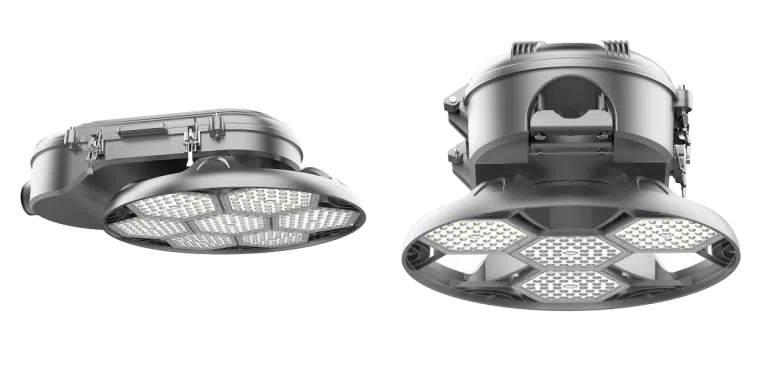
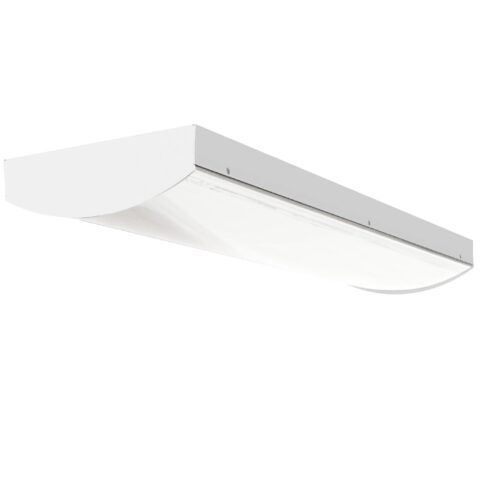
Our LED Lighting for Correctional Facilities, Prisons and Jails includes detention-grade indoor luminaires and outdoor area, flood, high mast, wall pack, and security lights. Available models vary by voltage, color temperature, dimming, controls, emergency battery backup, mounting method, and tamper-resistant construction.
These products are used in cells, holding areas, corridors, dayrooms, intake spaces, kitchens, showers, control rooms, exterior perimeters, sally ports, parking areas, service roads, and outdoor yards.







LED Correctional Facility Lighting for Indoor and Outdoor Security Areas
LED correctional facility lighting is used in secure environments such as jails, prisons, detention centers, holding areas, intake spaces, corridors, common areas, kitchens, showers, control rooms, exterior perimeters, sally ports, parking areas, and service roads. These facilities require lighting that supports visibility, security monitoring, staff movement, controlled maintenance, and long operating hours.
Start with the fixture location, security level, and required visibility. Then confirm whether the area requires detention-grade construction, tamper resistance, impact protection, ligature-conscious design, wet-location suitability, emergency operation, camera support, maintained foot-candles, controls, voltage, and a compatible mounting method. Correctional lighting should not be selected the same way as standard commercial lighting because requirements vary by area, abuse exposure, facility policy, and security function.
Selection and Installation Note: Product specifications, wattage, lumen output, optics, beam angle, color temperature, voltage, dimming, controls, emergency battery backup, mounting method, impact rating, tamper-resistant construction, environmental rating, certifications, and warranty coverage vary by model. Confirm the selected product specification before ordering. For correctional facility lighting, detention-grade fixtures, secure areas, outdoor perimeter lighting, emergency lighting, electrical upgrades, code-sensitive applications, or safety-critical spaces, verify requirements with your facility security team, project specifier, local inspector, detention design professional, or a licensed electrical professional.
How to Choose Correctional Facility Lighting
Correctional lighting selection should start with the space, risk level, and security function. A fixture used inside a cell or holding area may need very different construction than a fixture used in an office, kitchen, perimeter road, or outdoor yard.
| Selection Factor | What to Confirm |
|---|---|
| Security level and area use | Confirm whether the fixture is used in a cell, corridor, dayroom, control room, intake area, wet area, kitchen, exterior perimeter, yard, or administrative space. |
| Target foot-candles | Use the maintained light level required for the space and security function. Verify measurement criteria, local requirements, and facility policy before ordering. |
| Tamper resistance | Review fasteners, lens retention, seams, frame design, access points, and whether the fixture limits opportunities for unauthorized access or concealment. |
| Impact rating | Confirm whether IK08, IK10, or another impact rating is required for the area. Higher-risk zones may require higher abuse resistance than administrative or low-risk areas. |
| Ligature and concealment concerns | For cells, holding areas, behavioral health spaces, and high-risk locations, review fixture profile, attachment points, seams, and approved detention or anti-ligature requirements. |
| Wet or harsh environment rating | Showers, kitchens, laundry areas, outdoor locations, and wash-down areas may require wet-location, IP-rated, sealed, or corrosion-resistant fixtures. Review vapor-tight light fixtures where sealed construction is needed, and verify materials, seals, coatings, and environmental documentation separately when chemicals or corrosive cleaning agents are present. |
| Camera visibility and color temperature | Review camera locations, vertical visibility, glare, shadowed corners, color rendering, flicker performance, dimming behavior, and available CCT options. Avoid mixing unrelated color temperatures across connected security areas unless there is a clear operational reason. |
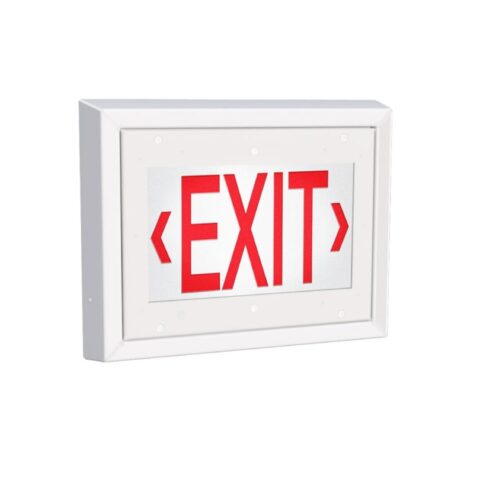
| Emergency operation | Confirm emergency battery backup, generator-backed circuits, central battery systems, egress requirements, control-room needs, fixture compatibility, runtime, testing requirements, and facility-specific emergency protocols before ordering. |
| Controls | Controls may be useful in offices, storage areas, support spaces, and some exterior zones. Constant-illumination security areas may require a different control strategy. |
| Voltage and electrical system | Confirm whether the project requires 120-277V, 277-480V, or another voltage. Secure facilities may also require controlled installation access and maintenance scheduling. |
Recommended Foot-Candles for Correctional Facility Lighting
Correctional facility light levels vary by space type, security level, supervision requirements, camera visibility, and facility policy. Cells, corridors, dayrooms, control rooms, kitchens, showers, sally ports, exterior perimeters, and service roads should be reviewed separately. The values below are general planning ranges and should be verified against project specifications, applicable standards, local requirements, security procedures, and the selected products.
Indoor and Outdoor Correctional Lighting Areas
Correctional facilities include both indoor secure spaces and exterior security zones. Interior lighting often requires tamper-resistant or detention-grade construction. Exterior lighting may require pole-mounted area lights, flood lights, high mast lights, wall packs, or security lighting designed around perimeter visibility and camera coverage.
| Area Type | Lighting Priorities |
|---|---|
| Cells and living units | Maintained visibility, tamper-resistant construction, secure fasteners, controlled access, observation, hygiene, reading, night settings, and emergency operation. |
| Corridors and secure hallways | Uniform visibility, camera support, reduced blind spots, supervision, movement, emergency lighting, and vandal-resistant construction. |
| Dayrooms and common areas | Balanced light for supervised activity, seating areas, staff observation, camera views, and fixture durability. |
| Dining and recreation areas | Higher ceilings, fixture impact exposure, staff visibility, glare control, maintenance access, and uniform illumination. |
| Control rooms and security posts | Task visibility, monitor glare control, emergency backup, staff comfort, and reliable operation. |
| Showers, restrooms, and wet areas | Wet-location suitability, sealed construction, tamper resistance, cleaning exposure, moisture control, and secure mounting. |
| Sally ports and intake areas | Transition lighting, vehicle or pedestrian transfer visibility, camera views, access control, and emergency operation. |
| Exterior perimeters and yards | Uniform coverage, vertical visibility, camera support, glare control, spill light control, pole height, and fixture aiming. |
Detention-Grade Fixtures vs. Standard Commercial Fixtures
Standard commercial fixtures are not always suitable for secure environments. Correctional areas may require fixtures designed to resist tampering, impact, unauthorized access, and concealment. This can include tamper-resistant fasteners, reinforced housings, sealed lens assemblies, overlapping door frames, secure mounting, and high-abuse construction.
Fixture requirements vary by area. A control room, corridor, cell, shower, outdoor yard, and service road may each require a different fixture type and rating. Confirm detention-grade requirements before using a standard commercial fixture in any secure area.
Lighting Plans for Correctional Facilities
A correctional facility lighting plan helps review maintained light levels, fixture placement, uniformity, glare, camera-related lighting considerations, exterior perimeter coverage, and predicted light distribution before fixtures are ordered. It can also help identify shadowed corners, overlit areas, difficult maintenance locations, and fixture placement concerns in secure zones.
Lighting plans should be reviewed with the facility team and project professionals because correctional environments involve security procedures, access limitations, staffing requirements, emergency systems, and local requirements that may not apply to standard commercial buildings.
Request a correctional facility lighting plan to review indoor and outdoor areas, target foot-candles, fixture placement, exterior perimeters, glare, controls, emergency operation, and product specifications before ordering.
Indoor Fixture Decisions: Construction, Mounting, and Maintenance
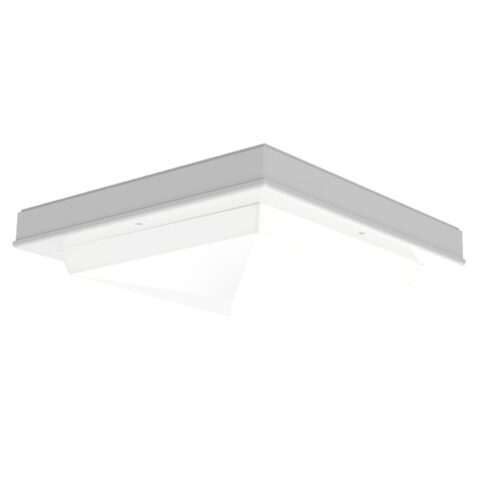
For indoor correctional spaces, the principal buying decision is often the fixture's physical construction and installation method rather than lumen output alone. Determine whether the fixture must be recessed, surface mounted, corner mounted, or otherwise integrated into the secure envelope, and confirm that the selected mounting arrangement is compatible with the wall or ceiling construction.
In cells, holding rooms, and other high-risk spaces, review the complete installed assembly: housing profile, lens retention, fasteners, exposed seams, access points, and service method. Detention-grade construction or ligature-conscious features may be required by the facility or project specification; these requirements are not established by a general lighting category or impact rating alone.
For corridors, dayrooms, dining areas, and intake spaces, balance secure construction with distribution, uniformity, glare control, and maintenance access. In control rooms and medical or administrative areas, task visibility and monitor glare may be more important than high-abuse construction. For showers, kitchens, laundry, and cleaning areas, confirm the required wet-location rating and verify compatibility with moisture, cleaning methods, and chemicals.
Also determine how the indoor lighting will operate during normal, reduced-light, emergency, and maintenance conditions. Confirm dimming range, control compatibility, emergency-power arrangement, and whether the selected fixture supports the facility's required observation and security procedures.
Outdoor Perimeter and Yard Lighting
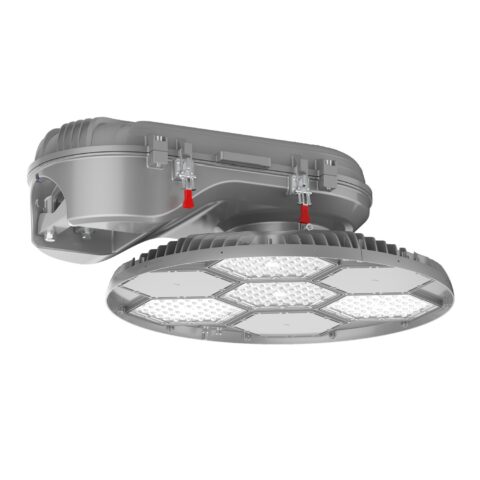
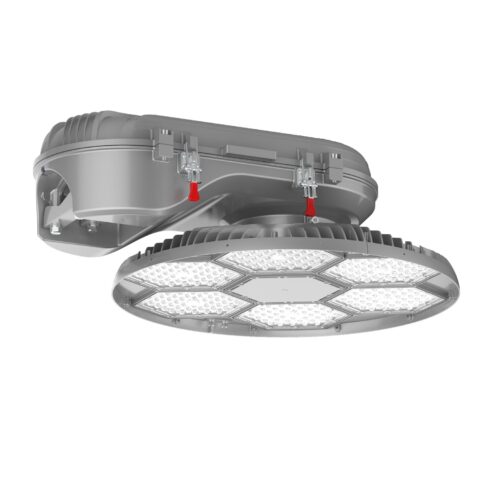
Exterior correctional lighting may include pole-mounted area lights, high mast lights, flood lights, wall packs, and security lights. These fixtures are used around perimeter fences, yards, access roads, sally ports, parking areas, building exteriors, and service zones.
Outdoor correctional lighting should be reviewed for horizontal and vertical visibility, camera support, glare control, spill light, pole height, fixture aiming, controls, emergency operation, and maintenance access. Perimeter lighting should not be selected by wattage alone because camera performance and vertical recognition can be as important as ground-level illumination. Where new supports are required, confirm structural and mounting requirements for the selected light poles and mounting hardware.
Correctional Lighting Certifications, Rebates, and Warranty Support
Safety listings, certifications, DLC qualification, and rebate eligibility vary by product. Selected fixtures may carry an NRTL certification mark such as UL, ETL, or CSA, depending on the model and configuration. Some models may be DLC or DLC Premium qualified where applicable. DLC qualification is an efficiency and performance program, not an electrical safety certification. Rebate requirements vary by utility, region, installation, and product listing, so confirm eligibility on the selected product specification before ordering.
Warranty terms and coverage vary by product. Before purchase, review the selected product specification and warranty documentation to confirm certifications, DLC status, voltage, controls compatibility, mounting method, impact exposure, tamper-resistant construction, environmental rating, emergency battery backup coverage, and whether the fixture is suitable for the facility layout and security needs.
Which Correctional Fixture Type Fits the Area?
The key buying decision is whether the location requires a detention-grade fixture or whether a commercial fixture with the appropriate environmental, electrical, and performance ratings is suitable. Security classification, abuse exposure, maintenance access, and facility requirements should drive this decision rather than fixture appearance or wattage alone.
| Application Condition | Typical Fixture Selection Approach |
|---|---|
| Cells, holding rooms, and high-abuse secure areas | Review detention-grade luminaires with secure mounting, tamper-resistant fasteners, reinforced construction, protected lens assemblies, and any required ligature-conscious design features. |
| Secure corridors, dayrooms, and intake areas | Select fixtures based on the facility's required abuse resistance, visibility, camera coverage, mounting method, emergency operation, and maintenance procedures. |
| Showers, restrooms, kitchens, and wash-down areas | Confirm wet-location suitability and, where needed, the appropriate IP rating. Verify materials and manufacturer documentation separately for cleaning chemicals, moisture, corrosion, or wash-down exposure. |
| Control rooms, offices, and low-risk support spaces | Standard commercial fixtures may be appropriate when permitted by facility requirements. Prioritize task visibility, glare control, controls compatibility, emergency needs, and the required electrical listing. |
| Exterior perimeters, yards, and access roads | Use fixture-specific photometric data to evaluate horizontal and vertical illumination, uniformity, glare, spill light, camera views, mounting height, aiming, and structural compatibility of poles and mounting hardware. |
Request a correctional facility lighting plan, and our Product Specialists can help review indoor spaces, exterior perimeters, target foot-candles, fixture construction, tamper resistance, impact rating, wet-location needs, emergency operation, camera-related lighting considerations, controls, voltage, and product specifications.
LED Correctional Facility Lighting FAQs
What Should Be Reviewed Before Selecting Lighting for a Secure Area?
Correctional lighting selection should start with the space, risk level, and security function. Confirm the required maintained light level, fixture construction, tamper resistance, impact rating, ligature concerns, environmental needs, camera visibility, emergency operation, controls, mounting method, and voltage for the selected area.
When Might Detention-Grade Fixtures Be Needed Instead of Standard Commercial Fixtures?
Secure correctional areas may require fixtures designed to resist tampering, impact, unauthorized access, and concealment. Requirements vary by area, so confirm detention-grade requirements before using a standard commercial fixture in any secure area.
Why Should Correctional Lighting Not Be Selected by Wattage Alone?
Wattage alone does not confirm maintained foot-candles, visibility, glare, camera performance, or uniformity. For exterior perimeter lighting, camera performance and vertical recognition can be as important as ground-level illumination.
What Can a Correctional Facility Lighting Plan Help Verify?
A correctional facility lighting plan can help verify maintained light levels, fixture placement, uniformity, glare, camera visibility, exterior perimeter coverage, and expected light distribution before fixtures are ordered. It can also help identify shadowed corners, overlit areas, difficult maintenance locations, and fixture placement concerns in secure zones.
How Should Lighting Controls Be Considered in a Correctional Facility?
Controls may be useful in offices, storage areas, support spaces, and some exterior zones. Constant-illumination security areas may require a different control strategy, and occupancy controls may be inappropriate where constant illumination is required for security monitoring.
What Should Be Confirmed for Showers, Kitchens, and Other Wet Areas?
Showers, kitchens, laundry areas, outdoor locations, and wash-down areas may require wet-location, IP-rated, sealed, or corrosion-resistant fixtures. Confirm the selected product's environmental rating before ordering.
What Warranty and Rebate Support May Be Available?
Most LED correctional facility lights include a 5-year warranty unless otherwise specified, with USA-based warranty support. Many models are DLC or DLC Premium listed for utility rebate support where available, but eligibility varies by utility, region, and product listing.