Detention Grade LED Light Fixtures
- Tamper-resistant, impact-resistant options for secure housing areas
- Select models available with wet-location or IP ratings
- USA-based support for fixture selection and specifications


Our Detention Grade LED Lights include secure fixtures with reinforced housings, tamper-resistant fasteners, impact-resistant lenses, sealed construction, and recessed or surface-mount configurations. Available models may also include anti-ligature design features and wet-location options.
These fixtures are commonly used in prisoner cells, jail cells, holding rooms, secure housing units, intake areas, interview rooms, dayrooms, corridors, shower areas, and behavioral health spaces.
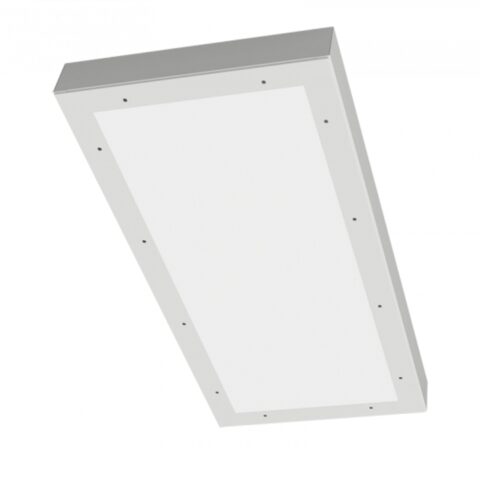

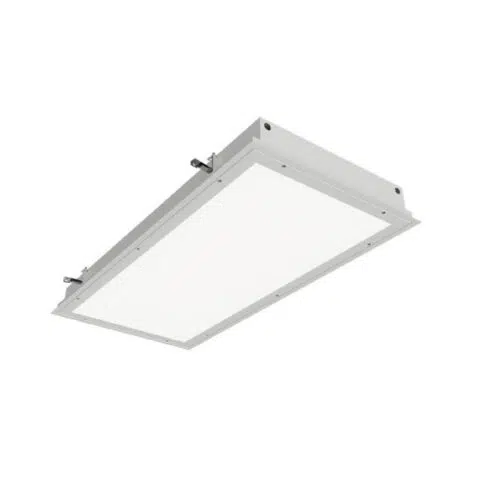


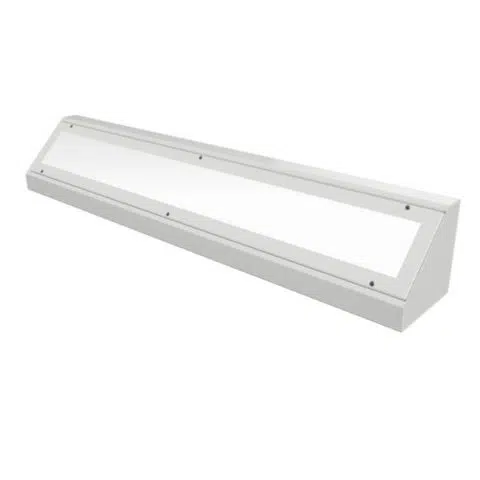

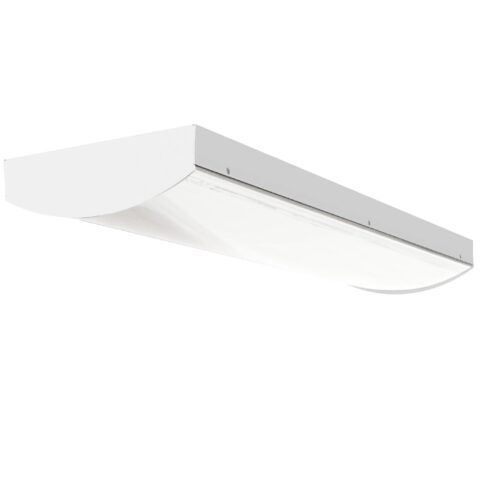


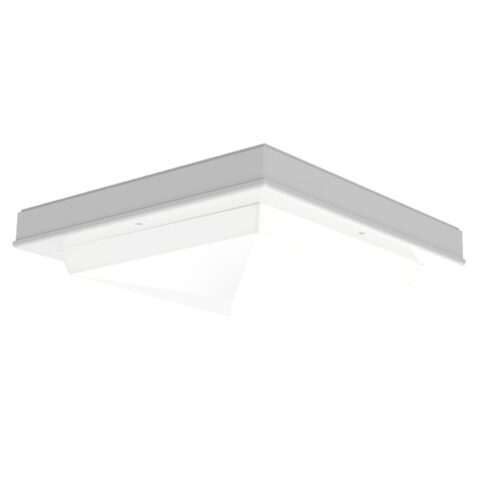
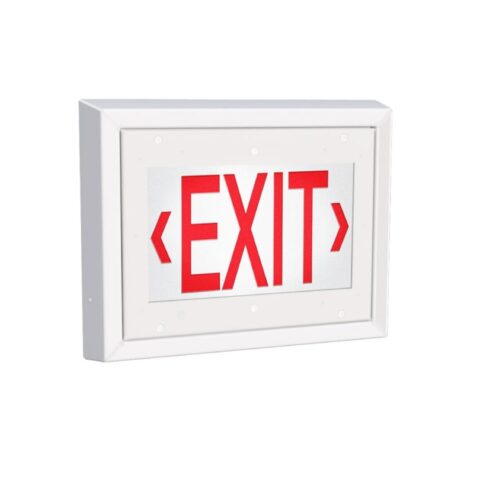


LED Detention Grade Lights for Prisoner Cells and Secure Housing Areas
LED detention grade lights are built for secure areas where standard commercial fixtures can be damaged, opened, or misused. These fixtures are commonly used in prisoner cells, jail cells, holding rooms, secure housing units, intake areas, interview rooms, dayrooms, corridors, and other high-abuse environments where tamper resistance and impact resistance are critical.
The main purpose of detention grade lighting is not just illumination. The fixture must help maintain visibility while reducing opportunities for tampering, contraband concealment, lens breakage, unauthorized access to wiring, or repeated maintenance in controlled areas. In secure housing, a failed or damaged light can create a blind spot, interrupt staff observation, and require coordinated access for repair.
Select detention grade fixtures first by room type and security requirements, then confirm the construction needed for impact risk, tampering, moisture exposure, mounting method, and maintenance access. Depending on model, fixtures may include reinforced housings, tamper-resistant fasteners, impact-resistant lenses, sealed construction, anti-ligature design features, surface-mount or recessed mounting options, and ratings for damp or wet locations.
Selection and Installation Note: Product specifications, housing material, lens type, tamper-resistant hardware, anti-ligature design, impact rating, IP rating, voltage, dimming, controls, mounting method, certifications, and warranty coverage vary by model. Confirm the selected product specification before ordering. For detention cells, secure housing, intake areas, shower areas, behavioral health spaces, electrical upgrades, code-sensitive applications, or safety-critical environments, verify requirements with your local inspector, facility leadership, project specifier, or a licensed electrical professional.
Detention Grade Lighting vs. Correctional Facility Lighting
Detention grade lighting refers to fixture construction for secure and high-abuse spaces. These fixtures are designed with features such as tamper-resistant hardware, impact-resistant lenses, secure access to internal components, and, on selected models, sealed construction. Correctional facility lighting may include detention grade fixtures, but it can also include corridor lighting, exterior security lighting, parking lot lighting, recreational area lighting, staff-area lighting, and other facility-wide lighting applications.
| Lighting Need | Best Fit |
|---|---|
| Detention grade lighting | Use when the space requires tamper-resistant, vandal-resistant, or high-abuse fixtures for cells, holding areas, intake rooms, secure corridors, or similar controlled spaces. |
| Broader correctional facility lighting | Use for areas such as offices, parking lots, exterior security zones, staff areas, corridors, recreation spaces, and other non-cell lighting applications. |
Where Detention Grade Light Fixtures Are Used
Detention grade fixtures are selected for locations where access, durability, and safety matter more than fixture appearance or easy maintenance. The correct model depends on the room type, ceiling or wall construction, access restrictions, impact risk, moisture exposure, and facility requirements.
| Secure Area | Fixture Selection Guidance |
|---|---|
| Prisoner cells and jail cells | Use tamper-resistant, impact-resistant fixtures with secure lenses and hardware that limit access to internal components. |
| Holding rooms and intake areas | Review impact resistance, staff visibility, camera coverage, cleaning exposure, and fixture placement. |
| Secure corridors | Use durable fixtures that support continuous observation and reduce maintenance access in controlled areas. |
| Interview and exam rooms | Review tamper resistance, glare, color temperature, and whether the fixture needs anti-ligature design features. |
| Shower, restroom, or damp areas | Confirm the required wet-location rating, applicable ingress-protection rating, materials, seals, corrosion exposure, and local requirements. An IP rating addresses ingress protection and does not by itself establish wet-location suitability or corrosion resistance. |
| Behavioral health or high-risk rooms | Review anti-ligature requirements, tamper resistance, lens strength, mounting method, and room-specific safety needs. |
How Detention Grade Fixtures Differ from Standard Commercial Lights
Standard commercial fixtures are designed for offices, warehouses, schools, and general workspaces where maintenance access is expected. Detention grade fixtures are designed for secure environments where fixture access itself can create risk.
Key differences may include:
- Tamper-resistant fasteners: Help prevent unauthorized opening or removal of the fixture.
- Reinforced housings: Steel or heavy-duty housings can help protect the fixture from impact and abuse.
- Impact-resistant lenses: Polycarbonate or other reinforced lens materials can help reduce breakage risk.
- Sealed construction: Can help protect fixture components and reduce accessible gaps, depending on the design.
- Recessed or surface-mount options: Fixture style depends on ceiling construction, wall construction, and room design.
- Wet-location options: May be needed in shower areas, damp rooms, intake areas, or cleaning-intensive spaces, depending on the actual exposure and selected model.
- Anti-ligature design features: May be required in certain secure, behavioral health, or high-risk spaces depending on project requirements.
What to Confirm Before Ordering Detention Grade LED Lights
Detention grade lighting should be selected from the project requirements, room type, and security needs. A fixture that works in a secure corridor may not be appropriate for a prisoner cell, shower room, or high-risk holding area.
| Selection Factor | Why It Matters |
|---|---|
| Room type | Cells, corridors, showers, intake rooms, and interview rooms may require different fixture construction. |
| Tamper resistance | Fasteners, lenses, frames, and access points should match the security level of the space. |
| Impact resistance | High-abuse areas may need stronger housings and lenses than standard commercial spaces. |
| Anti-ligature requirements | Some rooms may require fixture designs intended to reduce ligature attachment points. Confirm the facility's documented requirements and the fixture's specific design details. |
| Mounting method | Confirm recessed, surface, wall, ceiling, corner, or security-frame mounting before ordering. |
| Lens material | Lens strength, clarity, and security attachment method affect durability and visibility. |
| Environmental rating | Shower areas, damp spaces, and cleaning-intensive rooms may require a wet-location-rated fixture and appropriate materials, seals, and hardware for the exposure. |
| Maintenance access | Reliable fixtures and secure access can help reduce staff escorts, room downtime, and operational disruption. |
LED Performance in Secure Housing Areas
LED detention grade lighting can reduce maintenance compared with older fluorescent, HID, or incandescent systems. In secure areas, fewer lamp and ballast changes can be important because maintenance often requires staff coordination, controlled access, and room availability.
LED fixtures provide instant-on operation and can provide consistent color appearance when properly specified and maintained. Color temperature is commonly selected in the 4000K to 5000K range for secure areas, but the best choice depends on staff visibility, camera performance, room use, and facility preference. Color temperature describes the apparent warm or cool appearance of the light; confirm CRI, color temperature, dimming, emergency lighting options, and controls compatibility on the selected product specification.
Security and Maintenance Considerations
Lighting in secure rooms should support staff observation and facility operations. Fixture placement, lens condition, shadows, glare, and camera visibility should be reviewed as part of the overall room design. Detention fixtures should also be selected with maintenance access in mind because every repair in a secure zone may require extra coordination.
For replacement projects, review the existing fixture opening, mounting surface, wiring method, voltage, security frame, lens size, and access restrictions. Do not assume a standard commercial fixture can replace a detention fixture, even if the size appears similar.
Detention Grade Lighting Certifications and Warranty Support
Safety listings, environmental ratings, controls, emergency options, and warranty coverage vary by fixture model. Selected products may carry a UL or ETL safety certification, and selected models may be DLC qualified where applicable. DLC qualification is an efficiency and performance program; it is not an electrical safety certification.
Warranty terms vary by product. Many LED detention grade fixtures are available with a 5-year warranty, unless otherwise specified. Before ordering, confirm the selected product’s certifications, voltage, controls compatibility, mounting method, environmental rating, tamper-resistant features, warranty terms, and suitability for the room type and security needs.
Contact us about detention grade lighting, and our Product Specialists can help review fixture construction, mounting type, lens strength, tamper-resistant hardware, environmental ratings, impact ratings, voltage, room type, and published product specifications.
Detention Grade LED Light Fixtures FAQs
How Do I Choose Detention Grade Lighting For Different Secure Rooms?
Select the fixture based on room type, security needs, impact risk, moisture exposure, mounting method, and maintenance access. A fixture suitable for a secure corridor may not be appropriate for a prisoner cell, shower room, or high-risk holding area.
When Should I Choose Detention Grade Lighting Instead Of Broader Correctional Facility Lighting?
Choose detention grade lighting when a controlled space requires tamper-resistant, vandal-resistant, or high-abuse fixture construction. Broader correctional facility lighting can also serve offices, parking lots, exterior security zones, staff areas, recreation spaces, and other non-cell applications.
What Features Should I Confirm For Prisoner Cells And Jail Cells?
For prisoner cells and jail cells, confirm tamper-resistant and impact-resistant construction, secure lenses, and hardware that limits access to internal components. Housing material, lens type, tamper-resistant hardware, mounting method, and ratings vary by model.
When Are Anti-Ligature Design Features Relevant?
Anti-ligature design features may be required in certain secure, behavioral health, or high-risk spaces depending on project requirements. Review anti-ligature requirements, tamper resistance, lens strength, mounting method, and room-specific safety needs for those rooms.
What Should I Check Before Replacing Existing Detention Fixtures?
For a replacement project, review the existing fixture opening, mounting surface, wiring method, voltage, security frame, lens size, and access restrictions. Do not assume a standard commercial fixture can replace a detention fixture, even if the size appears similar.
What Should Be Confirmed Before Ordering Detention Grade LED Lights?
Confirm the selected product's certifications, voltage, controls compatibility, mounting method, environmental rating, tamper-resistant features, and fit for the room type and security needs. Product specifications, warranty coverage, and features such as impact rating, IP rating, dimming, and anti-ligature design vary by model.
Why Is Maintenance Access Important In Secure Lighting Areas?
Maintenance access is important because repairs in secure zones may require staff coordination, controlled access, and room availability. Fewer lamp and ballast changes with LED detention grade lighting can reduce maintenance compared with older fluorescent, HID, or incandescent systems.