Convention Center Fans
- Large-diameter fans designed for broad air movement in public spaces
- Variable-speed controls available to adapt airflow to changing events
- Layout plans help evaluate fan placement around rigging zones



Our Convention Center HVLS Fans include large ceiling fans with variable-speed operation and available zone, scheduling, wall or remote, and building-management controls. Models are available for large open spaces with high ceilings and changing event layouts.
These fans are commonly used in exhibit halls, vendor spaces, trade-show floors, event halls, multipurpose rooms, concourses, registration areas, indoor sports and activity areas, loading docks, staging areas, storage spaces, and back-of-house service zones.
-
 Starting At $5,085.97
-
Starting At $6,831.67
-
Starting At $7,165.00
-
Starting At $7,498.33


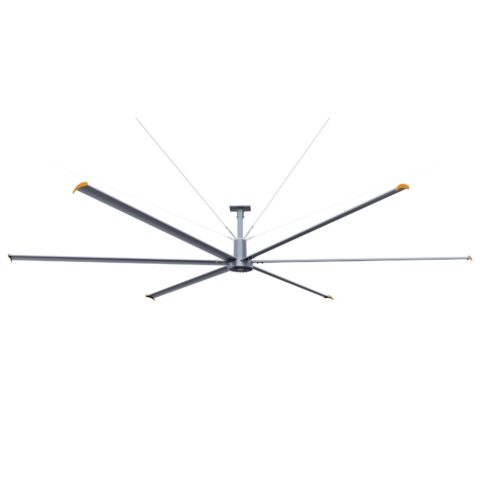
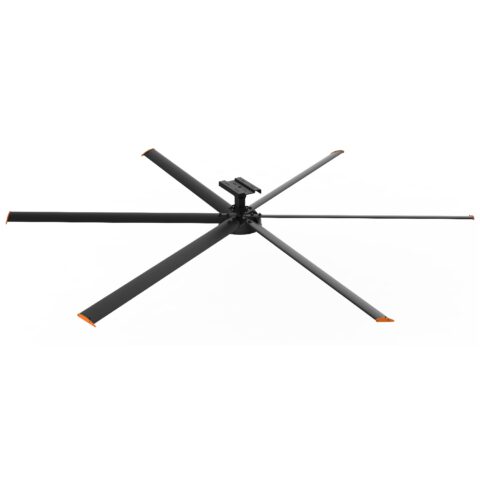


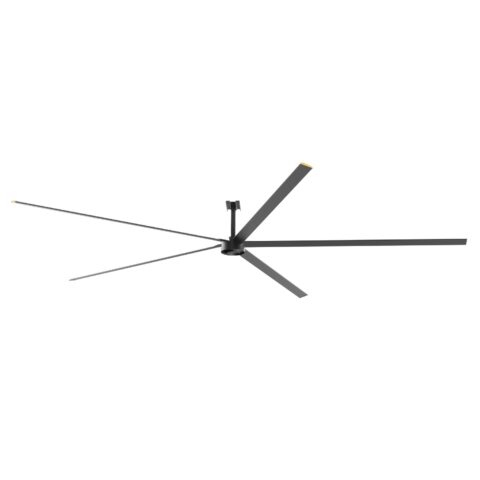
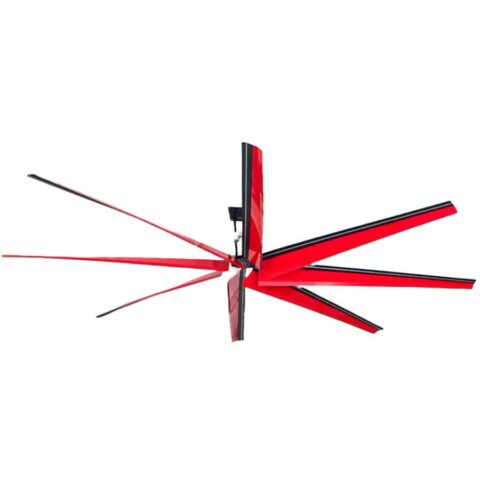


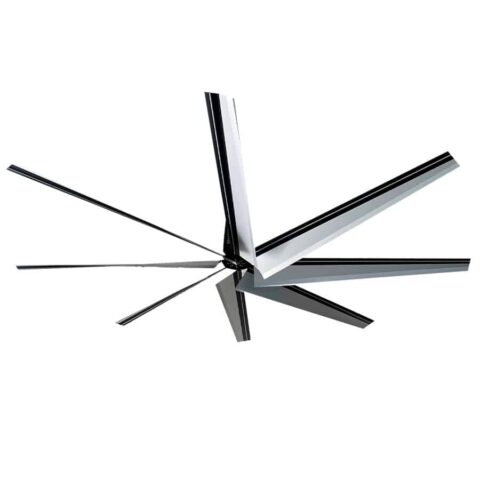
Convention Center HVLS Fans
Convention center ceiling fans provide broad air movement in exhibit halls, event spaces, registration areas, concourses, multipurpose rooms, and other large public gathering areas. Large spaces with high ceilings and open floor plans are often good candidates for HVLS ceiling fans, which move air at relatively low speeds across wide occupied areas.
The correct fan depends on the room dimensions, clear ceiling height, event layouts, structural mounting points, acoustic requirements, HVAC system, public occupancy, blade clearances, rigging zones, electrical service, and overhead obstructions. Convention centers may shift between trade shows, conferences, banquets, sporting events, concerts, graduations, and community gatherings, so fan placement and controls should accommodate changing layouts and occupancy patterns.
Selection Note: Ceiling fans move and mix air. They do not replace code-required ventilation, exhaust, make-up air, smoke control, or event-specific mechanical systems. Final fan selection should be based on the selected model, facility conditions, and applicable project requirements.
How to Select Convention Center Ceiling Fans
| Selection Factor | What to Confirm |
|---|---|
| Room size and event layout | Provide the room length, width, clear ceiling height, occupied areas, seating plans, exhibit zones, stages, aisles, and likely event configurations. |
| Ceiling structure | Identify usable structural mounting points and have a qualified structural professional confirm the attachment method, operating loads, and required restraints. |
| Fan size and coverage | Use model-specific airflow, coverage, diameter, speed range, and mounting-height guidance rather than selecting by square footage or diameter alone. |
| Blade and obstruction clearances | Account for the floor, ceiling, lights, sprinklers, ducts, trusses, signs, cameras, speakers, scoreboards, doors, lifts, temporary structures, and occupied areas. |
| Sound requirements | Review published sound data for presentations, ceremonies, conferences, performances, recorded events, public-address systems, and communication-sensitive areas. |
| Controls and zoning | Confirm variable-speed operation, zone control, scheduling, wall or remote controls, building-management integration, and seasonal operating features available with the selected model. |
| HVAC coordination | Review supply diffusers, returns, pressurization, heating and cooling systems, smoke-control systems, and event-specific mechanical requirements. |
| Rigging and temporary installations | Identify permanent and temporary rigging zones for lighting trusses, banners, projectors, screens, audio equipment, suspended displays, stages, and booth structures. |
| Public-assembly requirements | Review applicable acoustic, security, fire-protection, maintenance, inspection, public-access, and operational requirements. |
| Electrical requirements | Confirm voltage, phase, circuit capacity, disconnects, control wiring, controller location, and compatibility with the facility electrical system. |
| Maintenance access | Plan how the motor, blades, fasteners, restraints, controls, and mounting components will be inspected, cleaned, and serviced. |
Where Ceiling Fans Are Used in Convention Centers
Exhibit Halls
Large HVLS fans can provide broad air movement across exhibit areas, vendor spaces, and trade-show floors where temporary booths, displays, lighting, and attendee traffic affect airflow.
Fan locations should be coordinated with permanent and temporary rigging zones so suspended displays, lighting trusses, banners, projection screens, audio equipment, and booth structures do not create blade-clearance conflicts or require frequent fan shutdown.
Event Halls and Multipurpose Rooms
Event halls may be used for banquets, graduations, conferences, competitions, performances, ceremonies, and large meetings. Fan selection should account for broad low-speed airflow, model-specific sound data, flexible controls, and the clearances needed for changing room configurations.
Concourses and Registration Areas
Ceiling fans may help move air through high-traffic areas where attendees gather before, during, and after events. Placement should avoid conflicts with signs, cameras, lighting, security equipment, public-address systems, ticketing areas, and pedestrian routes.
Indoor Sports and Activity Areas
Some convention centers host temporary courts, athletic competitions, recreation programs, and sports expos. Fan selection should account for ball flight, spectator areas, temporary rigging, overhead equipment, and whether fan speed or operation must change during certain activities.
Loading, Staging, and Back-of-House Areas
Fans may also be used in loading docks, staging areas, storage spaces, and service zones where large doors, equipment, and intermittent activity contribute to limited air movement and noticeable temperature differences.
Convention Center Fans vs Warehouse Fans
Warehouse fan selection is commonly driven by worker locations, racking, loading docks, storage arrangements, and material-handling routes. Convention centers have additional requirements related to public occupancy, changing floor plans, sound, appearance, controls, rigging, lighting, fire protection, security equipment, and temporary event installations.
A fan that performs well in an industrial warehouse may not be appropriate for an exhibit hall or public event space. Convention center fans should be selected and installed using model-specific sound, mounting, restraint, clearance, control, and inspection requirements suitable for occupied public areas.
Air Movement and Seasonal Operation
Properly selected ceiling fans can move air across large convention spaces, reduce areas with limited air movement, and help distribute conditioned air more evenly through occupied zones. During warm conditions, air movement may improve perceived comfort.
During the heating season, properly controlled low-speed operation may help redistribute warm air that collects near high ceilings. Potential energy savings depend on the building envelope, HVAC system, event schedule, thermostat settings, ceiling height, insulation, door operation, controls, and fan operating schedule.
Fans should be coordinated with the facility’s HVAC and life-safety systems. They are not a substitute for ventilation, smoke control, exhaust, make-up air, or other mechanical systems required for the building or event.
Rigging, Sound, and Event Flexibility
Convention center ceilings often contain permanent and temporary systems that change from one event to the next. These may include lighting trusses, projectors, speakers, cameras, banners, scoreboards, suspended exhibits, pipe-and-drape structures, and audiovisual equipment.
Fan placement should preserve usable rigging zones and account for future event configurations. A layout based only on an empty hall may create conflicts when stages, booths, lighting, displays, or temporary sports equipment are installed.
Sound should also be reviewed using data for the exact fan model. Fan noise and air movement can affect microphones, presentations, ceremonies, performances, recorded events, lightweight decorations, projection screens, banners, and suspended materials.
Pre-Order Decisions for Convention Center Fans
- Dedicated event-space fans or a shared building approach: Determine whether each hall needs independently controlled fans or whether adjacent spaces can be grouped into operating zones.
- Permanent operating layout or flexible event layout: Select locations that work with the facility’s most demanding recurring configurations, including trade-show rigging, stage setups, suspended displays, and temporary sports equipment.
- Individual controls or centralized management: Decide whether facility staff need local wall controls, remote controls, scheduling, or compatible building-management integration for routine operation.
- Continuous operation or event-based operation: Establish when fans may operate during setup, occupancy, presentations, performances, recording, teardown, and seasonal HVAC operation.
- Public-area appearance and acoustic priorities: Consider fan finish, visual impact, published sound information, and the effect of airflow on microphones, lightweight materials, banners, and projection screens.
- Future flexibility: Preserve access to fan controls, mounting components, and rigging zones when planning renovations, technology upgrades, or changes to recurring event formats.
Installation and Safety Considerations
Convention center ceiling fans should be installed by qualified professionals according to the selected fan’s instructions and applicable electrical, structural, building, fire-protection, and public-assembly requirements.
Before installation, confirm the mounting structure, attachment method, operating loads, required restraints, electrical service, control wiring, disconnects, controller location, blade clearances, HVAC coordination, fire-protection systems, smoke-control requirements, rigging zones, and access for lifts, inspection, cleaning, and maintenance.
Do not locate fans where blades, downrods, brackets, restraints, or other components could interfere with lifts, doors, rigging, lights, sprinklers, signs, cameras, scoreboards, speakers, temporary structures, or other overhead equipment.
Convention Center Fan Layout Plans
LED Lighting Supply can prepare a preliminary fan layout plan using the room dimensions, clear ceiling height, structural mounting locations, exhibit and seating areas, rigging grids, lights, sprinklers, signs, doors, HVAC equipment, voltage, and control requirements.
A preliminary layout can help narrow fan diameter, quantity, spacing, mounting height, and placement before equipment is ordered. Final structural support, electrical requirements, fire-protection coordination, clearances, event-rigging compatibility, and installation conditions should be confirmed using the selected fan and final facility information.
Certifications, Product Documentation, and Warranty
Certifications, environmental ratings, voltage options, controls, mounting requirements, maintenance requirements, and warranties vary by fan model. Depending on the selected product, available listings or certifications may be provided by an NRTL such as UL, ETL, or MET.
Before ordering, review the selected model’s certification, fan diameter, published airflow and coverage data, mounting range, sound information, voltage, motor, controller, controls, environmental rating, mounting requirements, inspection procedures, maintenance requirements, and warranty terms. Warranty coverage may differ for the fan, motor, controller, and related components.
LED Lighting Supply can assist with product documentation, warranty questions, and manufacturer support procedures. Review the selected model’s specifications, warranty terms, installation requirements, exclusions, and service procedures before ordering.
Get Help Choosing Convention Center Ceiling Fans
Contact us about convention center ceiling fans and include room dimensions, ceiling heights, floor plans, photographs, rigging information, structural mounting locations, HVAC details, voltage, control requirements, and typical event layouts when available.
LED Lighting Supply can assist with fan selection and preliminary layout coordination. Final structural support, electrical installation, fire-protection coordination, event-rigging compatibility, HVAC integration, and code compliance should be confirmed by the appropriate qualified project professionals and authorities.
Convention Center Fans FAQs
What Information Is Needed To Select Convention Center Ceiling Fans?
Selection should consider room dimensions, clear ceiling height, occupied areas, event layouts, structural mounting points, acoustic requirements, HVAC systems, public occupancy, blade clearances, rigging zones, electrical service, and overhead obstructions. Typical event configurations, including seating, exhibit zones, stages, and aisles, should also be provided.
How Should Convention Center Fan Layouts Account For Changing Events?
Convention center fan layouts should account for changing booths, stages, seating plans, lighting trusses, signage, banners, suspended displays, and temporary equipment. A layout based only on an empty hall may create clearance or rigging conflicts when event installations are added.
Why Are Warehouse Fans Not Always Appropriate For Convention Centers?
A fan that performs well in an industrial warehouse may not be appropriate for an exhibit hall or public event space because convention centers have additional requirements for public occupancy, changing floor plans, sound, appearance, controls, rigging, lighting, fire protection, security equipment, and temporary event installations. Convention center fans should be selected using model-specific sound, mounting, restraint, clearance, control, and inspection requirements suitable for occupied public areas.
How Should Rigging And Overhead Equipment Affect Fan Placement?
Fan placement should preserve usable permanent and temporary rigging zones and avoid conflicts with lights, sprinklers, ducts, signs, cameras, speakers, scoreboards, doors, lifts, suspended displays, and temporary structures. Blades, downrods, brackets, restraints, and other fan components should not interfere with overhead equipment or event installations.
What Should Buyers Review For Sound-Sensitive Convention Center Areas?
Buyers should review published sound data for the exact fan model in presentation, ceremony, conference, performance, recorded-event, public-address, and communication-sensitive areas. Fan noise and air movement can affect microphones, projection screens, banners, lightweight decorations, and suspended materials.
Can Convention Center Ceiling Fans Be Controlled For Different Room Zones Or Events?
Controls and zoning should be confirmed with the selected model, including available variable-speed operation, zone control, scheduling, wall or remote controls, building-management integration, and seasonal operating features. Variable-speed and zone controls help facility staff adapt airflow to different events, room configurations, and occupancy levels.
Can Ceiling Fans Replace Convention Center Ventilation Or Smoke-Control Systems?
No. Ceiling fans move and mix air, but they do not replace code-required ventilation, exhaust, make-up air, smoke control, event-specific mechanical systems, or other required building systems.
How Can A Preliminary Fan Layout Plan Help Before Ordering?
A preliminary fan layout plan can help narrow fan diameter, quantity, spacing, mounting height, and placement before equipment is ordered. LED Lighting Supply can prepare a preliminary plan using room dimensions, ceiling height, structural mounting locations, exhibit and seating areas, rigging grids, overhead equipment, voltage, and control requirements.