


LED Ice Rink Lighting
- Fixtures available for hockey, figure skating, curling, and outdoor rinks
- Lighting plans help evaluate foot-candles, uniformity, and glare control
- DLC-listed options available with USA-based warranty support


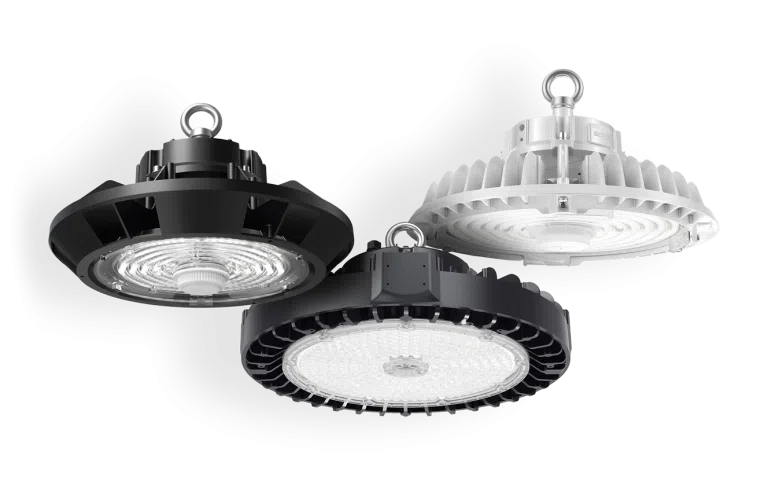

Get Your Custom Lighting Plan With Product Recommendations
- Fixture placement and aiming designed around ice surface coverage, boards, and glare control for players and goalies
- Beam angle and optics matched to mounting height for uniform puck visibility and reduced bright or dark zones
- LED fixtures can reduce energy use and eliminate ballast-related maintenance common with older HID rink lighting


Our LED Ice and Hockey Rink Lights include LED sports lights, arena lights, high bay fixtures, flood lights, and area lights for indoor and outdoor rinks. Available models vary by voltage, color temperature, beam angle, dimming, controls, and mounting configuration, including ceiling-mounted and pole-mounted fixtures.
These fixtures are used in indoor hockey arenas, community ice rinks, figure skating facilities, curling clubs, outdoor hockey rinks, recreational skating areas, and multi-use ice arenas.
-
 Starting At $697.50


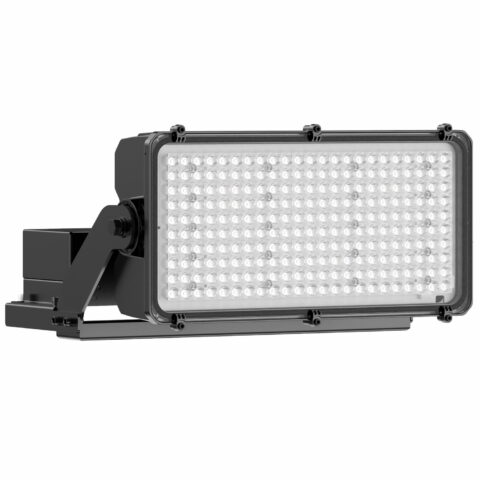


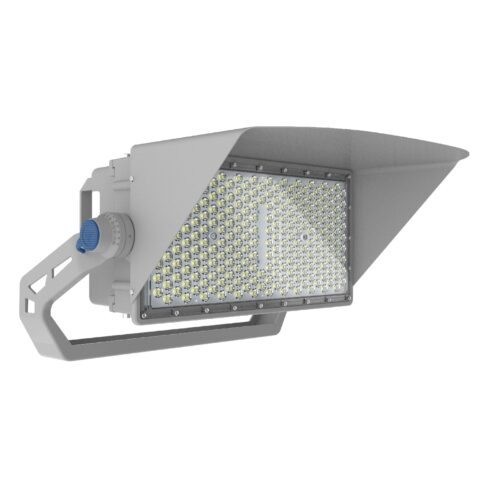
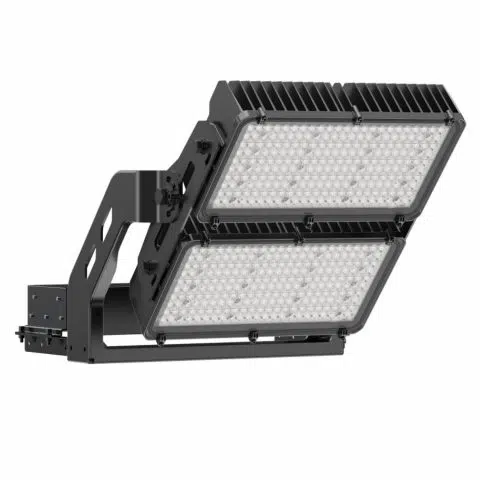
LED Ice Rink Lighting for Hockey, Curling, Figure Skating, and Outdoor Rinks
LED ice rink lighting is used in indoor hockey arenas, community ice rinks, figure skating facilities, curling clubs, outdoor hockey rinks, recreational skating areas, and multi-use ice arenas. These spaces need bright, uniform, low-glare lighting that supports fast play, skating movement, judging, coaching, spectator visibility, camera performance, and safe movement around the rink.
Start by identifying the rink use, level of play, and target foot-candles. Then match the fixture layout, mounting height, beam angle, glare control, spill light, impact exposure, color temperature, dimming, voltage, and indoor or outdoor conditions to the project. Hockey, curling, figure skating, and public skating can share the same ice surface, but they do not always have the same visual priorities.
Selection and Installation Note: Product specifications, wattage, lumen output, optics, beam angle, color temperature, voltage, dimming, controls, mounting method, impact rating, wet-location rating, certifications, and warranty coverage vary by model. Confirm the selected product specification before ordering. For ice rink lighting, hockey arenas, figure skating rinks, curling sheets, outdoor rinks, LED retrofits, pole-mounted sports lighting, electrical upgrades, code-sensitive applications, or safety-critical spaces, verify requirements with your local inspector, facility team, project specifier, league representative, broadcast consultant when applicable, or a licensed electrical professional.
Recommended Foot-Candles for Ice Rink Lighting
Ice rink foot-candle targets vary by sport, play level, camera needs, and facility requirements. Practice rinks, community rinks, competitive hockey arenas, figure skating events, curling sheets, outdoor rinks, and broadcast-level venues should be reviewed separately. The values below are general planning ranges and should be confirmed with a photometric plan and the applicable project requirements.
Ice Rink Lighting by Application
Different rink applications place different demands on the lighting system. Hockey requires visibility for fast puck movement, boards, corners, officials, and player reaction time. Figure skating needs even, visually comfortable light for movement, jumps, spins, judging, and performances. Curling needs uniform light across the sheet, house, hack, and broom area without glare that interferes with stone tracking.
| Rink Application | Lighting Priorities |
|---|---|
| Indoor hockey rinks | Uniform ice coverage, puck visibility, reduced glare, impact exposure review, spectator visibility, player benches, penalty boxes, and camera views. |
| Figure skating rinks | Even light across the skating surface, comfortable visual conditions, judging visibility, color appearance, reduced shadows, and event flexibility. |
| Curling rinks | Consistent light across the sheet, house, hack, and broom area, with glare control so players can judge stone movement and ice conditions. |
| Outdoor hockey rinks | Practical visibility, pole layout, glare control, spill light control, weather exposure, photocells or scheduling, and neighboring-property considerations. |
| Broadcast or camera-focused rinks | Higher light levels, tighter uniformity, vertical visibility, flicker performance, color rendering, camera angles, and event-specific requirements. |

How to Choose LED Ice Rink Lights
Start with whether the rink is indoor or outdoor and the type of fixture the layout can support. Indoor rinks often use LED sports lights, LED arena lights, or high bay fixtures above the ice, while outdoor rinks may use LED sports lights, LED flood lights, LED area lights, or pole-mounted fixtures. Then select the lighting system from the rink layout and desired lighting outcome, not wattage alone. Ceiling height, pole height, fixture spacing, beam angle, aiming, glare, impact exposure, and target foot-candles all affect the final result.
| Selection Factor | What to Confirm |
|---|---|
| Sport and level of play | Confirm whether the rink is used for hockey, figure skating, curling, recreational skating, outdoor hockey, competitions, or broadcast events. Lighting targets and visual needs vary by use. |
| Target foot-candles | Use maintained light levels appropriate for the sport and facility level. Practice, competition, and broadcast applications should be reviewed separately. |
| Uniformity | Rinks need even coverage across the playing or skating surface. Poor uniformity can create bright and dark zones that affect puck tracking, skating visibility, and camera performance. |
| Mounting height | Confirm ceiling height for indoor rinks or pole height for outdoor rinks. Higher mounting heights can improve coverage when paired with the correct optics and aiming. |
| Beam angle and optics | Beam angle should match mounting height, fixture position, and rink dimensions. The wrong optic can cause dark spots, glare, light spill, or uneven ice coverage. |
| Glare control | Review player sightlines, goalie views, spectator seating, camera locations, and neighboring properties. Ice surfaces can make glare more noticeable than in many other sports facilities. |
| Impact resistance | Hockey rinks and multi-use arenas should be reviewed for puck impact, ball impact, equipment contact, and fixture location. Confirm IK rating, lens construction, fixture guards, and product suitability before ordering. |
| Color temperature and CRI | 4000K or 5000K are common choices for rink lighting, depending on facility preference, camera needs, and visual comfort. Confirm available CCT, CRI, and color consistency on the selected product specification. |
| Dimming and controls | 0-10V or other compatible dimming methods, scene controls, scheduling, photocells, or occupancy controls may be useful depending on the rink. Confirm driver compatibility and control strategy before ordering. |
| Indoor vs. outdoor rating | Outdoor rinks and damp indoor environments may require wet-location ratings, IP ratings, corrosion-resistant materials, and cold-weather suitability. An IP rating addresses ingress protection, not corrosion resistance or overall environmental suitability. Confirm fixture ratings by model. |
| Voltage and electrical service | Confirm whether the project requires 100-277V, 277-480V, or another input voltage. Large arenas and outdoor pole-mounted systems may require electrical review. |
Why an Ice Rink Lighting Plan Matters
An ice rink lighting plan helps verify fixture placement, mounting height, beam angle, aiming, target foot-candles, uniformity, glare, spill light, and expected light distribution before fixtures are ordered. This is especially important for ice rinks because the reflective ice surface, boards, glass, seating, cameras, and fast player movement can make glare and uneven light more noticeable.
A one-for-one LED retrofit may reduce energy use, but it may not correct dark spots, poor uniformity, glare, or spill light if the original fixture layout was not ideal. A photometric plan can help determine whether existing fixtures, ceiling locations, poles, or mounting points can be reused or whether a different layout should be considered.
Request an ice rink lighting plan to review rink dimensions, sport type, level of play, target foot-candles, fixture count, mounting height, beam angles, glare, spill light, controls, voltage, and product specifications.
Indoor Ice Rink Lighting Considerations
Indoor ice rinks often use high-output LED sports lights, LED arena lights, or high bay fixtures mounted above the rink surface. The layout should account for the full ice sheet, boards, glass, benches, penalty boxes, spectator areas, scorekeeper areas, and any multi-use event requirements.
For hockey, the lighting should help players and officials track the puck at speed without excessive glare. For figure skating, the lighting should provide a clean, even appearance across the ice surface. For curling, the lighting should make the sheet, house, and stone path easy to see while avoiding glare that disrupts judging distance or line.

Outdoor Ice Rink Lighting Considerations
Outdoor rinks may use LED sports lights, LED flood lights, LED area lights, or pole-mounted fixtures. These projects should be reviewed for pole height and flood-light pole options, fixture aiming, glare, spill light, neighboring properties, walkways, parking areas, controls, and weather exposure.
Outdoor ice rink lighting should provide enough visibility for skating or hockey while avoiding unnecessary light spill into nearby homes, roads, or public spaces. Photocells, schedules, and dimming can help manage operating hours when supported by the selected fixtures and controls.
Operational Advantages of LED Ice Rink Lighting
- Fast restart after power interruptions: LED fixtures typically return to full output quickly, unlike many HID systems that require restrike time after a power interruption.
- Fewer lamp and ballast service needs: An LED upgrade can reduce routine lamp and ballast replacement associated with older HID and fluorescent systems. Actual maintenance needs still depend on fixture quality, operating conditions, access, and driver life.
- Flexible event settings: Compatible LED fixtures and controls can support separate lighting scenes for ice preparation, practice, public skating, games, cleaning, and non-ice events.
- Potential energy reduction: LED systems can reduce lighting energy use compared with older systems when fixture output, operating hours, controls, and the existing equipment are appropriately evaluated.
- Cold-temperature operation: Many LED luminaires are suitable for low-temperature environments, subject to the selected model's listed ambient-temperature range and driver specifications.
- Better retrofit options: LED fixtures are available in multiple optical distributions, mounting configurations, voltages, and control options, which can help accommodate existing ceiling structures or outdoor poles when the layout is suitable.

Ice Rink Lighting Certifications, Rebates, and Warranty Support
Available LED ice rink lighting products may carry a safety certification or listing from an organization such as UL, ETL, or CSA, depending on the model and intended installation. Selected models may be DLC or DLC Premium listed, which can support utility-rebate eligibility where applicable. DLC qualification is a performance and efficiency program, not an electrical safety certification. Rebate requirements vary by utility, region, installation type, and current product listing, so confirm eligibility before ordering or installing.
Warranty terms vary by product, and selected models may include a 5-year warranty. Confirm the exact warranty, certifications, DLC status, voltage, controls compatibility, mounting method, impact exposure, environmental rating, and product suitability for the rink layout and surrounding conditions before purchase.
Retrofit Existing Ice Rink Lights or Redesign the Layout?
The key purchasing decision is whether the existing fixture locations can support the required lighting result. A direct retrofit may be appropriate when the current mounting locations, ceiling or pole condition, electrical service, aiming positions, and photometric distribution can deliver the required maintained foot-candles and uniformity with acceptable glare.
A redesigned layout may be the better option when the current system has persistent dark areas, excessive glare, inadequate coverage at benches or spectator areas, poor outdoor spill-light control, changed rink use, new camera requirements, or fixture locations that cannot accommodate suitable optics. Reusing existing poles, ceiling points, or electrical circuits does not by itself confirm that the new system will perform as intended.
For pole-mounted outdoor systems, structural suitability depends on the complete pole, fixtures, brackets or bullhorns, fixture EPA, mounting geometry, site wind criteria, pole condition, and foundation or embedment. Review manufacturer data and obtain engineering review when required; fixture weight alone is not enough to establish pole capacity.
Request an ice rink lighting plan, and our Product Specialists can help review rink type, level of play, target foot-candles, existing mounting locations, fixture count, mounting height, beam angles, glare, spill light, controls, voltage, impact exposure, and product specifications.
LED Ice Rink Lighting FAQs
How Should I Choose LED Ice Rink Lighting?
Choose LED ice rink lighting based on the rink layout and desired lighting outcome, not wattage alone. Confirm the sport, level of play, target foot-candles, mounting height, fixture spacing, beam angle, aiming, glare, impact exposure, controls, voltage, and whether the rink is indoors or outdoors.
Why Is A Photometric Plan Important For An Ice Rink?
A photometric plan helps verify fixture placement, mounting height, beam angle, aiming, target foot-candles, uniformity, glare, spill light, and expected light distribution before fixtures are ordered. It can also help determine whether existing fixtures, ceiling locations, poles, or mounting points can be reused or whether a different layout should be considered.
Can An LED Retrofit Correct Dark Spots Or Glare?
A one-for-one LED retrofit may reduce energy use, but it may not correct dark spots, poor uniformity, glare, or spill light if the original fixture layout was not ideal. A photometric plan can review whether the existing layout supports the desired lighting outcome.
How Do Hockey, Figure Skating, And Curling Lighting Priorities Differ?
Hockey lighting requires visibility for fast puck movement, boards, corners, officials, and player reaction time, while figure skating needs even, visually comfortable light for movement, judging, and performances. Curling requires uniform light across the sheet, house, hack, and broom area without glare that interferes with stone tracking.
What Should Be Reviewed For Outdoor Ice Rink Lighting?
Outdoor ice rink lighting should be reviewed for pole height, fixture aiming, glare, spill light, neighboring properties, walkways, parking areas, controls, and weather exposure. Outdoor rinks may use LED sports lights, LED flood lights, LED area lights, or pole-mounted fixtures.
How Should Glare And Beam Angle Be Evaluated For An Ice Rink?
Beam angle should match mounting height, fixture position, and rink dimensions, while glare review should include player sightlines, goalie views, spectator seating, camera locations, and neighboring properties. The wrong optic can cause dark spots, glare, light spill, or uneven ice coverage.
What Product Details Should Be Confirmed Before Ordering Ice Rink Lights?
Confirm the selected product specification for wattage, lumen output, optics, beam angle, color temperature, voltage, dimming, controls, mounting method, impact rating, wet-location rating, certifications, and warranty coverage. These specifications vary by model.
Are Controls Available For LED Ice Rink Lighting?
Some fixtures may support dimming, scene controls, scheduling, photocells, or occupancy-based strategies depending on the model and control design. Confirm driver compatibility and the control strategy before ordering.
