LED Coal Handling and Processing Lighting
- Class II Division 1 and Division 2 fixture options available
- High-temperature rated models for pulverizer and mill areas
- Application support for hazardous-location fixture selection


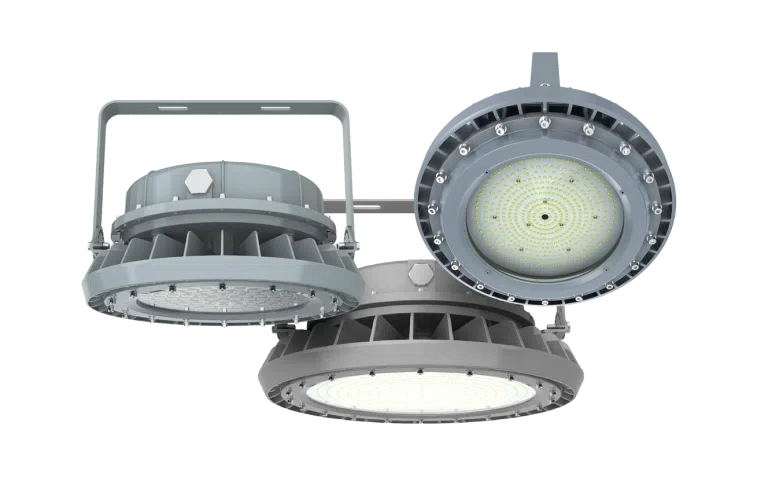

Our LED Lighting for Coal Handling and Processing includes Class II area, flood, linear, compact, high bay, and high-temperature fixtures, along with vapor-tight and standard industrial lighting for non-classified areas. Available products support broad, directional, linear, and localized lighting configurations for indoor processing areas and outdoor work zones.
These fixtures are used in coal receiving and unloading areas, crusher houses, conveyor galleries, transfer towers, bunkers, silos, reclaim tunnels, pulverizer areas, coal mills, dust collectors, stockpiles, maintenance yards, coal preparation plants, and coal-fired power plant handling systems.
LED Coal Handling and Processing Lighting
Coal handling and processing facilities need lighting for unloading, crushing, conveying, screening, storage, reclaiming, milling, dust collection, maintenance, and material transfer. These locations can expose fixtures to combustible coal dust, vibration, impact, moisture, heat, weather, and difficult maintenance access.
Crusher houses, conveyor galleries, transfer towers, bunkers, silos, pulverizer areas, and dust collection systems may require Class II, Division 1 or Class II, Division 2 hazardous-location lighting. Outdoor stockpiles, haul roads, maintenance yards, and support buildings may use sealed or standard industrial fixtures when the mounting location is outside the classified boundary.
Selection Note: First confirm whether the exact mounting location is classified and identify the required class, division or zone, dust group, temperature code, ambient-temperature range, and product listing. Then select the fixture type and distribution for the application while accounting for IP rating, impact exposure, mounting method, voltage, and maintenance access. The facility engineer, mine safety team, EHS team, project specifier, or authority having jurisdiction should approve the final selection.
Coal Handling and Processing Applications
| Application | Lighting and Hazard Considerations |
|---|---|
| Coal receiving and unloading | Truck dumps, railcar unloading, receiving pits, hoppers, feeders, and conveyors can release heavy dust during normal operation. Review classification, impact exposure, vehicle movement, glare, and maintenance access. |
| Crusher houses | Crushing can generate airborne coal dust while exposing fixtures to vibration, impact, noise, machinery, and difficult service conditions. Class II area, linear, or compact fixtures may be required. |
| Screening and sizing areas | Screens, feeders, chutes, and sizing equipment can create dust and vibration. Fixture placement should provide visibility around moving equipment, guards, platforms, and inspection points. |
| Conveyor galleries | Long, narrow galleries may need Class II linear lighting for belts, walkways, bearings, drives, pull cords, transfer points, and maintenance access. |
| Transfer towers | Material drops, chutes, elevation changes, stairs, platforms, and enclosed spaces can produce concentrated dust and severe shadows. Classification and fixture placement should be reviewed by level. |
| Coal bunkers and silos | Enclosed storage can involve dust accumulation, filling and discharge points, limited ventilation, temperature changes, and restricted access. Interior and surrounding areas may have different classifications. |
| Coal stockpiles | Outdoor flood or area lights can support equipment operation, inspections, security, and reclaim activity. Review dust, pile height, weather, wind, glare, and classified boundaries near conveyors and transfer equipment. |
| Reclaim tunnels and systems | Enclosed reclaim tunnels can combine coal dust, moisture, low clearance, conveyors, feeders, vibration, and limited maintenance access. Linear and compact Class II fixtures are often practical. |
| Pulverizers and coal mills | Fine coal dust, elevated temperatures, motors, bearings, vibration, and enclosed machinery may require fixtures with a suitable Class II listing and ambient-temperature rating. |
| Dust collectors and baghouses | Dust collection areas can have high concentrations of combustible dust. Confirm the division, dust group, temperature code, enclosure conditions, cleaning procedures, and safe maintenance access. |
| Coal preparation and washing plants | Processing may combine dust, water, slurry, chemicals, vibration, corrosion, and washdown. Fixtures may need Class II, wet-location, corrosion-resistant, or sealed construction depending on the area. |
| Coke plants and coal conversion areas | Coal dust, process heat, gases, vapors, chemicals, conveyors, and outdoor exposure can create multiple hazard types. Each process area should be classified separately. |
| Coal-fired power plant handling systems | Unloading systems, conveyors, crushers, transfer towers, bunkers, pulverizers, dust collectors, and storage piles should be reviewed separately from boiler, turbine, and electrical areas. |
| Maintenance shops | Repair bays may use standard industrial lighting when non-classified, but fuel, solvent, welding, dust, and equipment-cleaning areas can have separate requirements. |
| Control rooms and support buildings | Panels, troffers, or linear fixtures may be used where the building is separated from processing equipment and confirmed as non-classified. |
Class II Division 1 and Division 2 Coal Dust Areas
Coal dust is a combustible particulate hazard. A fixture listed only for flammable gases or vapors is not automatically suitable for coal dust locations. Coal dust is commonly associated with Class II, Group F; however, the required classification and group must follow the documented area classification.
| Classification | When It May Apply |
|---|---|
| Class II, Division 1 | Areas where combustible coal dust may be suspended in the air in sufficient quantities during normal crushing, screening, conveying, transfer, milling, unloading, collection, or cleaning operations. |
| Class II, Division 2 | Areas where combustible coal dust is not normally suspended in hazardous concentrations, but may become airborne under abnormal conditions or where dust accumulations may interfere with safe heat dissipation from electrical equipment. |
| Non-Classified | Offices, control rooms, some outdoor areas, maintenance buildings, and support spaces outside the hazardous boundaries shown on the facility drawings. |
Underground coal mining may also involve methane, permissible-equipment requirements, and mine-specific rules that go beyond Class II dust approval. Those applications should be reviewed under the mine safety plan and applicable MSHA requirements.
Recommended Types of Coal Handling Lights
| Fixture Type | Best Application |
|---|---|
| Class II LED Area Lights | Broad illumination in crusher houses, transfer buildings, processing floors, unloading areas, bunkers, and classified maintenance zones. |
| Class II LED Flood Lights | Directional illumination for stockpiles, rail unloading, truck dumps, reclaim areas, exterior conveyors, elevated structures, and large equipment. |
| Class II Linear LED Lights | Conveyor galleries, reclaim tunnels, transfer towers, platforms, stairs, equipment corridors, and long enclosed work areas. |
| Compact Class II Lights | Bearings, motors, controls, doors, stairs, landings, inspection points, valves, and localized maintenance areas. |
| Class II Hazardous-Location High Bays | Tall crusher, screening, processing, storage, or transfer buildings that need broad downward illumination. |
| High-Temperature Class II Lights | Pulverizers, coal mills, dryers, hot process areas, and ceiling spaces where standard ambient-temperature ratings are insufficient. |
| Vapor-Tight or Dust-Tight Fixtures | Non-classified wet, dusty, humid, washdown, or cleaning-heavy areas that require sealed construction but not a Class II approval. |
| Standard LED Flood Lights | Non-classified stockpiles, haul roads, perimeter areas, maintenance yards, and outdoor work zones. |
| Standard LED High Bays | Non-classified maintenance buildings, packaged-material storage, shops, and support facilities with controlled dust exposure. |
Coal Handling Lighting Selection Guidelines
| Selection Factor | What to Confirm |
|---|---|
| Area classification | Determine whether the mounting location is Class II Division 1, Class II Division 2, Zone-classified, methane-risk, permissible, or non-classified. |
| Coal dust conditions | Review where dust is generated, whether it becomes airborne during normal operation, where it accumulates, and how the area is cleaned. |
| Dust group and temperature code | Confirm that the fixture listing, dust group marking, and maximum surface temperature are suitable for the combustible dust present. |
| Ambient temperature | Check temperatures near pulverizers, dryers, motors, bearings, hot process equipment, enclosed galleries, and ceiling pockets. |
| Dust accumulation on fixtures | Account for dust layers that can trap heat, reduce light output, obscure lenses, and increase cleaning requirements. |
| Vibration and impact | Review crushers, screens, conveyors, motors, rail unloading, truck dumps, heavy equipment, and structural vibration. |
| Moisture and washdown | Confirm wet-location and IP ratings for coal washing, outdoor exposure, condensation, washdown, slurry, and cleaning operations. |
| Corrosion exposure | Review coal chemicals, water, cleaning agents, coastal exposure, fertilizers, or other materials that may attack housings, coatings, seals, or hardware. |
| Fixture distribution | Use area or high bay fixtures for broad coverage, flood lights for outdoor targets, linear fixtures for galleries and tunnels, and compact lights for localized work. |
| Glare and vertical visibility | Provide useful light on conveyors, controls, pull cords, bearings, motors, stairs, ladders, chutes, and equipment faces without creating glare for operators. |
| Maintenance access | Consider fixture weight, cleaning frequency, lift access, narrow galleries, production shutdowns, dust exposure, and replacement procedures. |
| Complete electrical installation | Conduit, seals, fittings, junction boxes, switches, sensors, and controls, cable entries, grounding, and wiring methods must also meet the classified-area requirements. |
How LED Lighting Addresses Coal Facility Conditions
| Site Condition | Lighting Response |
|---|---|
| Combustible coal dust | Properly selected Class II fixtures are listed for applicable classified dust locations when installed according to their listing and the electrical installation requirements. |
| Heavy vibration | Rugged fixtures and secure mounting systems can help address vibration near crushers, screens, conveyors, motors, and transfer equipment. |
| Dust accumulation | Sealed housings and accessible lenses can support cleaning, but maintenance schedules must prevent excessive buildup on fixture surfaces. |
| High ambient temperatures | Fixtures with suitable Class II listings and ambient-temperature ratings can be selected where pulverizers, dryers, motors, or enclosed equipment raise temperatures above standard limits. |
| Moisture and washdown | Appropriate IP and wet-location ratings help protect fixtures in coal preparation, washing, outdoor, and cleaning areas. |
| Equipment-created shadows | A combination of area, flood, linear, and compact fixtures can place light around conveyors, chutes, crushers, supports, and platforms. |
| Difficult maintenance access | LED fixtures may reduce routine lamp and ballast replacement compared with legacy HID or fluorescent systems, depending on the selected products and operating conditions. |
Photometric Planning for Coal Handling Facilities
Conveyors, crushers, transfer chutes, stockpiles, bunkers, structural steel, machinery, railcars, trucks, and platforms can block light and create shadows. A photometric plan can help evaluate fixture quantity, mounting height, distribution, aiming, average and minimum foot-candles, uniformity, glare, and vertical illumination. The hazardous-area classification, dust boundaries, equipment layout, ambient temperature, mounting restrictions, and maintenance access should be established before the final lighting layout is completed.
Common Coal Handling Lighting Mistakes
| Mistake | Buyer and Project Guidance |
|---|---|
| Ordering before confirming the classified boundary | Request the facility classification drawing or written classification information before selecting fixtures. One building can include Class II Division 1, Class II Division 2, and non-classified mounting locations. |
| Comparing hazardous-location fixtures by wattage alone | Compare the complete product marking and specification, including Class II division, dust group, temperature code, ambient rating, voltage, mounting method, photometric distribution, and available controls. |
| Assuming an IP rating establishes hazardous-location suitability | IP ratings address ingress protection from solids and water. They do not replace the required hazardous-location listing or marking for a classified coal-dust area. |
| Using a gas-and-vapor fixture for a dust location | A Class I approval for flammable gases or vapors does not automatically cover a Class II combustible-dust location. Verify the fixture's exact listing and markings. |
| Specifying one fixture family for every location | High bays, floods, linear fixtures, and compact fixtures serve different tasks. A mixed fixture layout can improve visibility at conveyor drives, stairs, transfer points, equipment faces, and exterior work zones. |
| Ignoring mounting and service constraints | Confirm mounting hardware, junction-box compatibility, fixture weight, clearances, access for cleaning, and whether maintenance requires a lift, scaffold, or production shutdown. |
| Leaving controls and accessories out of the scope | Include sensors, switches, junction boxes, fittings, cable entries, emergency equipment, and controls in the submittal review. Equipment installed within the classified boundary must be suitable for that location. |
| Relying on generic spacing rules | Fixture spacing and aiming should be based on fixture-specific IES photometric data and the actual obstructions, mounting heights, work surfaces, and visibility tasks at the site. |
| Overlooking washdown and corrosion conditions | Coal washing, slurry, cleaning agents, humidity, and outdoor exposure may require more than a dust rating. Verify wet-location ratings plus housing, lens, gasket, coating, and hardware materials for the environment. |
| Treating lighting selection as the final code review | The fixture is only one part of the installation. The electrical contractor, engineer, and AHJ should verify wiring methods, grounding, seals, fittings, mounting, and final compliance. |
Need Help Choosing Coal Handling Lights?
Contact us about LED coal handling and processing lighting, and our Product Specialists can help review the established area classification, dust group, fixture type, temperature exposure, impact and vibration, moisture, mounting height, voltage, controls, and photometric requirements.
LED Coal Handling and Processing Lighting FAQs
How Do I Choose Between Class II And Non-Classified Lighting For A Coal Facility?
Choose lighting based on the classification of the exact mounting location and the hazardous boundaries shown on facility drawings. Outdoor stockpiles, haul roads, maintenance yards, and support buildings may use sealed or standard industrial fixtures when outside the classified boundary, while coal dust areas may require Class II, Division 1 or Class II, Division 2 lighting.
Can Class I Fixtures Be Used In Coal Dust Areas?
No, a fixture approved only for flammable gases or vapors is not automatically suitable for coal dust locations. Coal dust is a combustible particulate hazard, so the fixture approval must be suitable for the classified dust location.
What Should Be Confirmed Before Selecting A Coal Handling Light Fixture?
Confirm the class, division or zone, dust group, temperature code, ambient-temperature range, IP rating, impact exposure, mounting method, voltage, and required product listing for the exact fixture location. The facility engineer, mine safety team, EHS team, project specifier, or authority having jurisdiction should approve the final selection.
How Should Fixture Type Be Matched To The Coal Handling Application?
Match fixture type to the coverage needed: area or high bay fixtures provide broad coverage, flood lights serve outdoor targets, linear fixtures fit galleries and tunnels, and compact lights serve localized work. Class II linear lights are listed for conveyor galleries, reclaim tunnels, transfer towers, platforms, stairs, equipment corridors, and long enclosed work areas.
When Are High-Temperature Class II Lights Needed?
High-temperature Class II lights can be used where pulverizers, coal mills, dryers, hot process areas, or ceiling spaces exceed standard ambient-temperature limits. Fine dust hazards and elevated ambient temperatures may require a fixture carrying both Class II and high-temperature approvals.
Why Is A Photometric Plan Useful For Coal Handling Facilities?
A photometric plan can evaluate fixture quantity, mounting height, distribution, aiming, average and minimum foot-candles, uniformity, glare, and vertical illumination. Conveyors, crushers, transfer chutes, stockpiles, bunkers, structural steel, machinery, railcars, trucks, and platforms can block light and create shadows.
Does A Dust-Tight Fixture Rating Replace Class II Approval?
No, an IP or dust-tight enclosure rating does not replace hazardous-location certification. Vapor-tight or dust-tight fixtures are identified for non-classified wet, dusty, humid, washdown, or cleaning-heavy areas that require sealed construction but not a Class II approval.
What Other Lighting Components Must Be Suitable For Classified Coal Dust Areas?
Conduit, seals, fittings, junction boxes, switches, sensors, controls, cable entries, grounding, and wiring methods must also meet the classified-area requirements. Sensors, switches, junction boxes, and controls must carry the appropriate approval for the classified location.