High-Temperature Explosion-Proof LED Lights
- Select models rated for ambient temperatures up to 194°F/90°C
- Class I Division 1 and Division 2 options available by model
- Hazardous-area lighting design available for fixture placement guidance


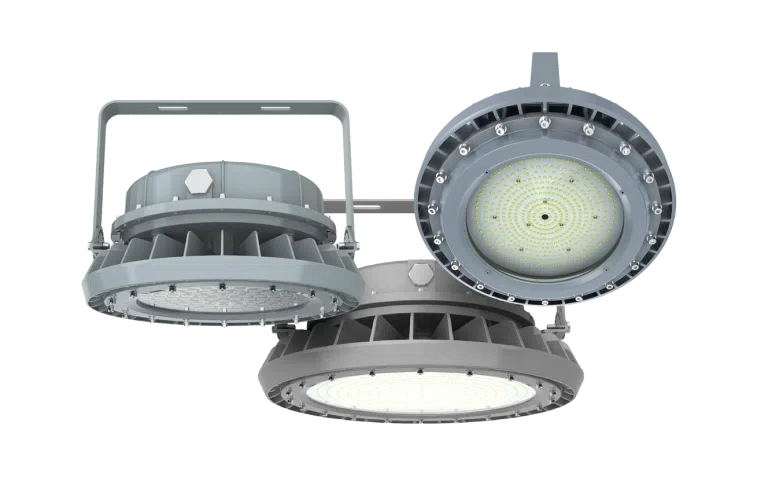
Our High-Temperature Explosion-Proof LED Lights include Class I Division 1 and Class I Division 2 fixtures for hazardous classified locations with elevated ambient temperatures. Selected models are rated for ambient temperatures up to 194 degrees F / 90 degrees C.
These fixtures are used in oil and gas processing facilities, refineries, petrochemical facilities, chemical plants, power generation sites, industrial process areas, compressor locations, equipment rooms, and hot outdoor or enclosed classified areas.
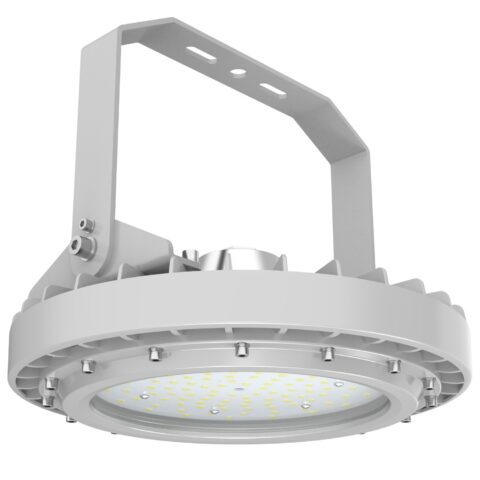


High-Temperature Explosion-Proof LED Lights
High-temperature explosion-proof LED lights are designed for hazardous classified locations where elevated ambient temperatures exceed the operating range of standard industrial or hazardous-location fixtures. Selected models in this category are rated for ambient temperatures up to 194°F / 90°C.
Before selecting a fixture, confirm the maximum expected ambient temperature at the fixture location and the documented hazardous-area classification. The fixture must still match the required Class, Division, Group, T-rating, voltage, environmental conditions, and installation method for the exact area where it will be installed; high-temperature operation does not replace these hazardous-location requirements.
Depending on the model, high-temperature fixtures are available for Class I Division 1 and Class I Division 2 applications involving flammable gases or vapors.
For projects that do not require elevated ambient-temperature capability, see our complete selection of explosion-proof and hazardous-location lighting.
Where High-Temperature Explosion-Proof Lighting Is Used
These fixtures are intended for classified areas where both hazardous-location protection and elevated ambient-temperature capability are required.
- Oil and gas processing: Hot process areas, compressor locations, equipment zones, and other classified portions of oil and gas facilities may require lighting rated for elevated ambient temperatures.
- Refineries and petrochemical facilities: Process equipment, piping, vessels, and surrounding classified areas can combine gas or vapor hazards with significant heat exposure. Review application considerations for refinery lighting.
- Chemical processing: Chemical plants may contain classified areas near heated processes, reactors, piping, or other equipment where standard ambient ratings are insufficient.
- Power generation and industrial processing: Turbine areas, process spaces, equipment rooms, and other hot industrial locations may require both hazardous-location suitability and higher ambient-temperature ratings. See additional considerations for power generation lighting.
- Hot outdoor or enclosed classified areas: Solar exposure, limited ventilation, process heat, or enclosed equipment areas can raise the ambient temperature around the fixture above normal industrial conditions.
The industry or process alone does not establish the required hazardous classification or ambient rating. Use the documented area classification and expected temperature at the fixture location when selecting equipment.
What to Confirm Before Ordering
| Selection Factor | What to Check |
|---|---|
| Ambient temperature | Confirm the maximum expected temperature at the fixture location and verify that the exact model is rated for that ambient condition. Selected fixtures are available for ambient temperatures up to 194°F / 90°C. |
| Class and Division | Match the fixture to the documented hazardous-location classification. Class I Division 1 and Class I Division 2 options are available depending on the model. |
| Gas Group | Confirm that the fixture markings cover the Group identified for the gas or vapor present in the installation area. |
| T-rating | Confirm that the fixture's temperature code is suitable for the hazardous material present. Ambient-temperature rating and T-rating are separate requirements. |
| Voltage | Verify the electrical supply against the voltage range of the exact fixture. Higher-voltage projects may require 480 Volt explosion-proof lighting where available. |
| Environmental exposure | Review moisture, corrosion, chemicals, dust, vibration, washdown, outdoor exposure, and other conditions in addition to heat. |
| Lighting performance | Select lumen output, optics, mounting height, spacing, and fixture quantity according to the work area and required light levels. |
Ambient Temperature Rating Is Not the Same as T-Rating
This distinction is especially important when selecting high-temperature hazardous-location lighting.
Ambient-temperature rating identifies the surrounding air-temperature range in which the fixture is approved to operate. A fixture rated for up to 194°F / 90°C ambient is designed to operate where the air around the fixture can reach that temperature, subject to the conditions of the product listing.
T-rating, or temperature code, identifies the maximum surface temperature associated with the equipment under the conditions covered by its listing. The T-rating must still be suitable for the gas or vapor present in the classified area.
A fixture can therefore have the required Class and Division and a sufficiently high ambient rating but still be unsuitable if its Group or T-rating does not match the hazardous material. The parent explosion-proof lighting guide provides more detail on how Class, Division, Group, and temperature ratings work together.
Class I Division 1 and Division 2 Options
High-temperature explosion-proof lighting is available for both Division 1 and Division 2 applications, depending on the exact fixture.
Class I Division 1 applies where ignitible concentrations of flammable gases or vapors may exist during normal operating conditions or under other conditions that meet Division 1 requirements. Class I Division 2 applies where ignitible concentrations are not normally present during normal operation but may occur under abnormal conditions such as leakage, equipment failure, closed-system rupture, or ventilation failure.
Do not select Division 1 or Division 2 based on temperature or industry type. Use the documented hazardous-area classification for the exact fixture location.
Heat, Fixture Life, and Installation Location
High ambient temperature can affect LED drivers, electronic components, seals, and overall fixture life. A standard hazardous-location fixture should not be assumed suitable simply because it can physically operate in a hot space.
Consider the actual temperature at the mounting location, including process heat, radiant heat, solar exposure, enclosure conditions, and ventilation. The temperature near a ceiling, vessel, furnace, compressor, or other heat-producing equipment may be higher than the general room temperature.
Operate the fixture only within the marked ambient-temperature range and installation conditions of the exact model.
Installation, Listings, and Certifications
A high-temperature hazardous-location luminaire is only one part of the electrical installation. Wiring methods, conduit or approved cable systems, junction boxes, fittings, seals where required, switches, grounding, bonding, and other components must also be suitable for the classified area and operating environment.
Installation should be performed by qualified electrical professionals experienced with hazardous classified locations and high-temperature industrial environments, following applicable codes, product listings, manufacturer instructions, and project requirements.
Safety and Performance Certifications: Hazardous-location markings, ambient-temperature ratings, and certifications are model-specific. Depending on the fixture and project, products may carry UL, ETL, CSA, or other applicable listings. Review the exact model for its Class, Division, Group, T-rating, maximum ambient temperature, voltage, environmental ratings, mounting method, and controls.
Lighting Design and Warranty Support
LED Lighting Supply can help match an established hazardous-area classification and ambient-temperature requirement to available fixture options. We can also provide a hazardous-area lighting design to evaluate fixture quantity, mounting height, placement, foot-candles, and uniformity.
Warranty and Warranty Support: Many high-temperature explosion-proof LED fixtures include a 5-year warranty unless otherwise specified, with warranty support based in the USA. Confirm the exact fixture's hazardous-location markings, maximum ambient-temperature rating, Group, T-rating, voltage, environmental ratings, and warranty terms before ordering.
High-Temperature Explosion-Proof LED Lights FAQs
How Do I Select A High-Temperature Explosion-Proof LED Light?
Select the exact fixture by matching its maximum ambient-temperature rating, Class, Division, Group, T-rating, voltage, environmental ratings, and installation method to the documented conditions at the fixture location. Also select lumen output, optics, mounting height, spacing, and fixture quantity according to the work area and required light levels.
What Ambient Temperatures Can These Fixtures Handle?
Selected high-temperature explosion-proof LED light models are rated for ambient temperatures up to 194 degrees F / 90 degrees C. Confirm the maximum expected temperature at the fixture location and verify that the exact model is rated for that condition.
Is A High Ambient-Temperature Rating The Same As A T-Rating?
No, an ambient-temperature rating identifies the surrounding air-temperature range in which a fixture is approved to operate, while a T-rating identifies the maximum surface temperature associated with the equipment under its listing conditions. Both requirements must be suitable for the exact classified area and hazardous material present.
Can A Fixture Be Unsuitable Even If Its Ambient Rating Is High Enough?
Yes, a fixture can have the required Class and Division and a sufficient ambient rating but still be unsuitable if its Group or T-rating does not match the hazardous material. The fixture must match the documented Class, Division, Group, T-rating, voltage, environmental conditions, and installation method for the exact area.
Are Class I Division 1 And Class I Division 2 Options Available?
High-temperature explosion-proof lighting is available for Class I Division 1 and Class I Division 2 applications, depending on the exact fixture. Select the Division based on the documented hazardous-area classification for the fixture location, not on temperature or industry type.
What Temperature Should Be Used For Fixture Selection?
Use the actual expected temperature at the mounting location, including process heat, radiant heat, solar exposure, enclosure conditions, and ventilation. Temperature near ceilings, vessels, furnaces, compressors, or other heat-producing equipment may be higher than the general room temperature.
Can LED Lighting Supply Help Plan High-Temperature Hazardous-Area Lighting?
LED Lighting Supply can help match an established hazardous-area classification and ambient-temperature requirement to available fixture options. Hazardous-area lighting design is also available to evaluate fixture quantity, mounting height, placement, foot-candles, and uniformity.
What Should Be Confirmed Before Ordering A High-Temperature Explosion-Proof Fixture?
Confirm the exact fixture's hazardous-location markings, maximum ambient-temperature rating, Group, T-rating, voltage, environmental ratings, mounting method, controls, and warranty terms before ordering. Hazardous-location markings, ambient-temperature ratings, and certifications are model-specific.