LED Lights for Laboratories and Research Facilities
- Fixture options for wet labs, clean labs, and general research spaces
- High-CRI models available to support sample review and labeling tasks
- DLC-listed options with rebate eligibility varying by utility program


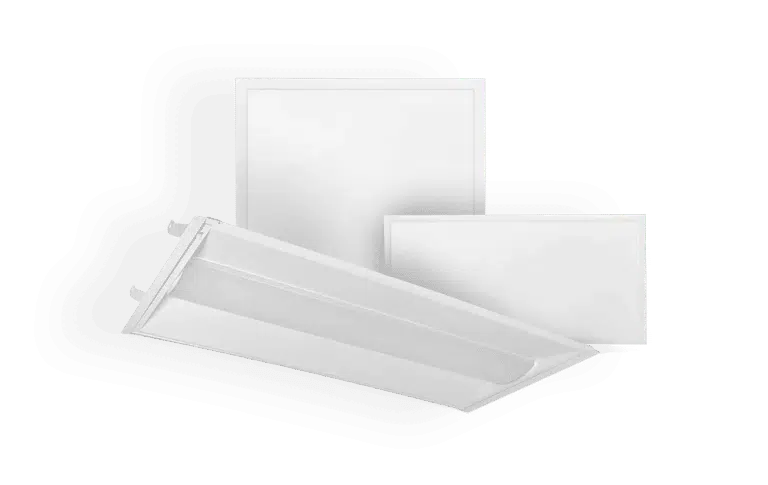
Our Laboratory Lighting for Research Facilities includes LED panels, linear fixtures, low bay and high bay lights, vapor tight fixtures, cleanroom-rated options, and hazardous-location fixtures. Available models vary by color temperature, color rendering, optics, controls, mounting method, sealed construction, and cleanability requirements.
These fixtures are used in research labs, medical labs, testing facilities, wet labs, clean labs, chemical storage rooms, equipment rooms, lab benches, documentation areas, corridors, and support spaces.







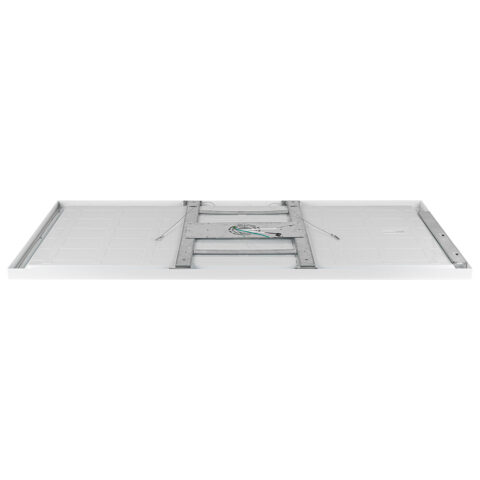

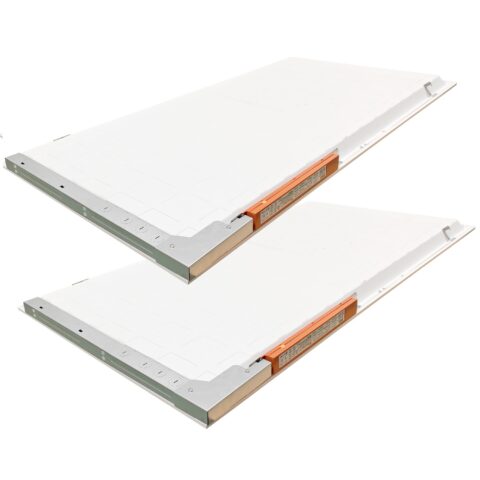



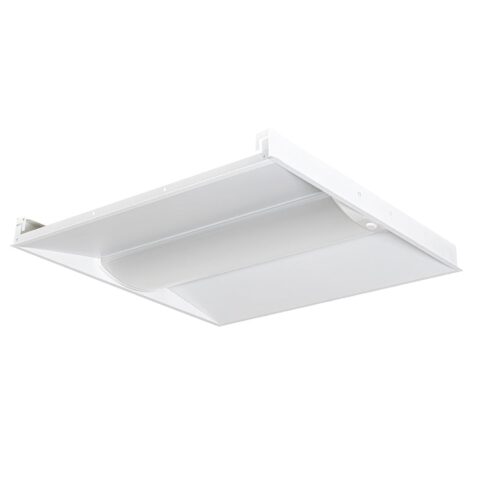
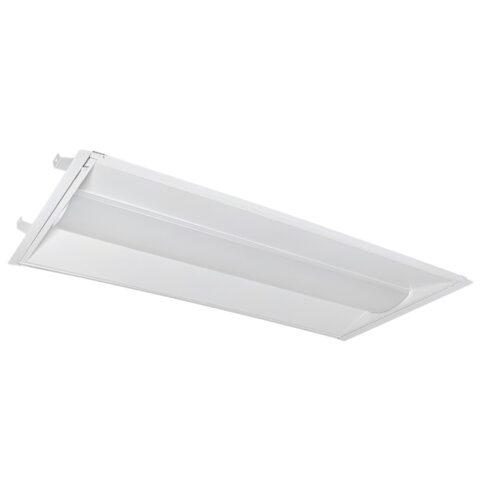
LED Laboratory Lighting for Research, Testing, Wet Labs, Clean Labs, and Support Spaces
LED laboratory lighting is used in research labs, medical labs, testing facilities, wet labs, clean labs, chemical storage rooms, equipment rooms, lab benches, documentation areas, corridors, and support spaces. These environments need lighting that supports task visibility, visual comfort, color quality, cleanability, safety procedures, and the specific work being performed.
Start by confirming the lab environment and any cleanroom, wet-location, chemical-exposure, or hazardous-location requirements. Then select fixture type, light level, color quality, glare control, controls, and mounting based on the tasks, ceiling height, and work surfaces. A standard commercial fixture should not be assumed suitable for chemical labs, washdown areas, clean environments, or rooms where stored materials create special electrical or fire-protection requirements.
Selection and Installation Note: Product specifications, wattage, lumen output, optics, color temperature, CRI, voltage, dimming, controls, mounting method, cleanability, wet-location rating, IP rating, NSF rating, hazardous-location rating, certifications, and warranty coverage vary by model. Confirm the selected product specification before ordering. For laboratories, chemical storage rooms, wet labs, washdown areas, clean labs, research spaces, medical testing areas, electrical upgrades, or safety-sensitive lab environments, verify requirements with the facility team, lab safety officer, project specifier, local inspector, chemical hygiene officer where applicable, or a licensed electrical professional.
Recommended Foot-Candles for Laboratory Lighting
Laboratory light levels vary by lab type, task detail, bench work, instrument use, screen glare, sample review, chemical handling, cleanability, and facility standards. The ranges below are general planning values only. Final fixture selection should account for the lab’s procedures, safety requirements, chemical use, glare, color quality, and selected product specifications.
Common LED Fixtures Used in Laboratories
Laboratories may use LED panels, linear fixtures, low bay fixtures, high bay fixtures, vapor tight lights, NSF-rated lights, cleanroom-compatible fixtures, or hazardous-location fixtures depending on the room. The right fixture depends on the lab environment first, then the required light level and distribution.
| Fixture Type | Where It May Fit |
|---|---|
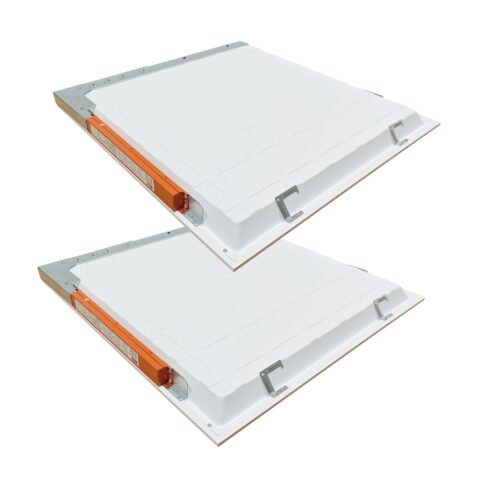
| LED panels | Common in general laboratories, documentation areas, offices, support spaces, and grid-ceiling rooms where even overhead lighting is needed. |
| LED linear fixtures | Useful over lab benches, work zones, corridors, equipment rooms, and task areas where long, even light distribution is helpful. |
| LED low bay lights | Useful in lower-ceiling industrial lab areas, testing rooms, and support spaces where panels are not the best fit. |
| LED high bay lights | Used in taller lab support areas, pilot plants, equipment spaces, storage areas, and industrial research buildings when the environment allows. |
| LED vapor tight lights | Useful in wet labs, washdown areas, damp spaces, utility rooms, and areas where sealed construction or moisture resistance is needed. Confirm the fixture’s wet-location listing, IP rating, materials, seals, and cleaning compatibility for the actual exposure. |
| NSF-rated LED fixtures | Useful where a specified NSF rating, cleanability, sanitation procedures, or washdown-compatible construction is required. Confirm the exact NSF designation and fixture specification for the application. |
| Hazardous-location fixtures | Used only where the documented area classification requires hazardous-location-rated equipment. Confirm the required Class, Division or Zone, Group, temperature code, ambient rating, and certification before ordering. |
How to Choose LED Laboratory Lighting
Lab lighting should support the work being done in the space. Some labs need general visibility and comfort, while others need higher task illuminance, cleanable construction, chemical-exposure review, or fixtures rated for classified locations.
| Selection Factor | What to Confirm |
|---|---|
| Laboratory type | Confirm whether the room is a research lab, medical lab, wet lab, clean lab, teaching lab, testing lab, equipment room, chemical storage room, or documentation area. |
| Task detail | Bench work, sample labeling, instrument reading, inspection, documentation, and testing may require different light levels and fixture placement. |
| Color rendering | Higher CRI may be important for sample review, labels, visual comparisons, inspection, and lab tasks. Confirm CRI on the selected product specification. |
| Color temperature | 4000K and 5000K are common choices for laboratory lighting. Confirm facility preference, task requirements, visual comfort, and available CCT by model. |
| Direct vs. indirect light | Direct light is efficient for many labs, while indirect or diffused lighting may help reduce glare in spaces with screens, glossy benches, glassware, or reflective instruments. |
| Glare control | Review fixture optics, lens type, placement over benches, computer screens, microscopes, glassware, and instruments. Excessive glare can reduce visibility during detailed work. |
| Cleanability | Confirm whether sealed fixtures, smooth lenses, an applicable NSF rating, cleanroom-compatible fixtures, or specific cleaning compatibility are required. |
| Chemical and moisture exposure | Wet labs, washdown areas, chemical rooms, and utility spaces may require wet-location-listed, vapor tight, IP-rated, corrosion-resistant, or chemically compatible fixtures. An IP rating addresses ingress protection, not chemical or corrosion resistance. |
| Hazardous-location review | Flammable gases or vapors, combustible dust, or ignitible fibers or flyings may require hazardous-location-rated equipment where the area is classified. Do not determine classification from laboratory type alone; confirm the documented classification before ordering. |
| Controls | Dimming, occupancy sensors, switching zones, and tunable white systems may be useful, but they must match fixture drivers, lab workflow, safety procedures, and emergency requirements. |
Laboratory Lighting by Area
Laboratory facilities often need different lighting strategies by room. A clean lab, wet lab, equipment room, bench area, and office should not automatically use the same fixture or light level.
| Lab Area | Lighting Priorities |
|---|---|
| General lab areas | Even light for movement, labels, instruments, bench work, and daily tasks, with attention to glare and color quality. |
| Lab benches and task areas | Higher task visibility, reduced shadows, good CRI, controlled glare, and fixture placement that supports detailed work. |
| Research and testing spaces | Stable light quality, screen visibility, instrument readability, task-appropriate illuminance, and controls when needed. |
| Clean labs and controlled environments | Cleanable fixture surfaces, sealed construction where needed, ceiling compatibility, applicable cleanroom requirements, and facility procedures. |
| Wet labs and washdown areas | Wet-location suitability, gasket design, appropriate IP rating, corrosion exposure, and cleaning compatibility. Confirm materials and manufacturer documentation for chemicals or aggressive cleaning agents. |
| Chemical storage rooms | Chemical inventory, ventilation, documented hazardous-location classification where applicable, fixture listing, corrosion exposure, and local requirements. Review the specific requirements for hazardous material storage lighting where applicable. |
| Instrument and equipment rooms | Visibility around equipment, reduced screen glare, maintenance access, heat, controls, and fixture protection. |
| Offices and documentation areas | Comfortable task light for screens, paperwork, documentation, review work, and staff comfort. |
Direct vs. Indirect Laboratory Lighting
Direct lighting places light directly on the work area and is often efficient for general laboratory lighting. Indirect or diffused lighting can reduce glare and improve visual comfort in rooms with computers, glossy benches, microscopes, glassware, or reflective equipment.
In many labs, the best approach is a balanced system: general overhead light for the room, task lighting where needed, and glare control at benches and screens. The final choice should depend on the lab layout, ceiling height, task detail, reflective surfaces, and fixture-specific photometric distribution.
Laboratory Lighting Certifications, Rebates, and Warranty Support
Safety listings, including UL, ETL, or CSA certification, are available on selected LED laboratory lighting models depending on product and application. Some models may also be DLC or DLC Premium listed, which can support utility rebate eligibility where available. DLC qualification is an efficiency and performance program, not an electrical safety certification. Rebate requirements vary by utility, region, project, and product listing, so confirm eligibility before ordering.
Warranty coverage varies by product and manufacturer. Before purchase, confirm the selected fixture’s certifications, DLC status where relevant, voltage, controls compatibility, mounting method, cleanability, wet-location or IP rating, chemical compatibility, hazardous-location rating where required, and warranty terms.
Contact us about LED laboratory lighting, and our Product Specialists can help review lab type, ceiling height, fixture type, light level, CRI, color temperature, cleanability, controls, chemical exposure, and published product specifications.
LED Lights for Laboratories and Research Facilities FAQs
How Should LED Lighting Be Selected for Different Laboratory Areas?
LED laboratory lighting should be selected by the room's environment and work, not by using one fixture type or light level throughout the facility. General labs, bench areas, wet labs, clean labs, chemical storage rooms, equipment rooms, and documentation areas can have different needs for visibility, glare control, cleanability, moisture resistance, color quality, and fixture ratings.
What Should Be Considered When Lighting Laboratory Benches and Task Areas?
Laboratory bench and task-area lighting should support detailed work with higher task visibility, reduced shadows, good CRI, controlled glare, and fixture placement suited to the work area. Bench work, sample labeling, instrument reading, inspection, documentation, and testing may require different light levels and fixture placement.
When Are Vapor Tight or Cleanable Laboratory Fixtures Needed?
Vapor tight, sealed, NSF-rated, cleanroom-rated, or other cleanable fixtures may be needed when laboratory cleaning, moisture, washdown procedures, controlled environments, or chemical exposure require them. Confirm the selected fixture's cleanability, wet-location rating, IP rating, corrosion resistance, and chemical suitability for the specific room.
When Does a Laboratory Need Hazardous-Location Lighting?
Hazardous-location fixtures are required only when the area classification calls for hazardous-location-rated equipment. Rooms with flammable vapors, combustible dust, solvents, gases, or classified storage conditions may require this review, and the required Class, Division, Zone, Group, and temperature code should be confirmed before ordering.
How Can Laboratory Lighting Help Control Glare?
Indirect or diffused lighting can reduce glare and improve visual comfort in laboratories with computers, glossy benches, microscopes, glassware, or reflective equipment. A balanced approach may include general overhead lighting, task lighting where needed, and glare control at benches and screens based on the lab layout, ceiling height, task detail, and reflective surfaces.
How Should Controls Be Selected for Laboratory Lighting?
Dimming, occupancy sensors, switching zones, and tunable white systems may be useful when they match the fixture drivers, lab workflow, safety procedures, and emergency requirements. Some models support these controls depending on fixture and driver selection, so controls compatibility should be confirmed for the selected product.
What Should Be Confirmed Before Ordering LED Laboratory Lights?
Before ordering, confirm the selected product's specifications for wattage, lumen output, optics, color temperature, CRI, voltage, dimming, controls, mounting method, cleanability, ratings, certifications, and warranty coverage. Laboratory projects should also confirm that the fixture is suitable for the lab environment, including any chemical exposure, wet-location, cleanroom, hazardous-location, or safety-sensitive requirements.