LED Hospital Lighting
- Fixture options for patient rooms, labs, corridors, and support areas
- High-CRI and tunable white options available on select models
- Product specialists help match fixtures to room type and task



Our LED Lights for Hospitals and Healthcare Facilities include panels, troffers, linear fixtures, overbed lights, flush-mounted ceiling lights, and sealed fixtures. Available models vary by color temperature, dimming, controls, voltage, mounting method, cleanability, and emergency operation.
These fixtures are used in hospitals, clinics, medical offices, patient rooms, corridors, lobbies, waiting areas, exam rooms, treatment areas, laboratories, kitchens, restrooms, utility rooms, and other healthcare support spaces.
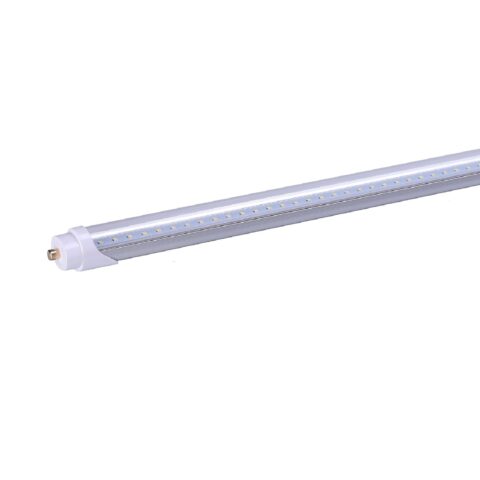


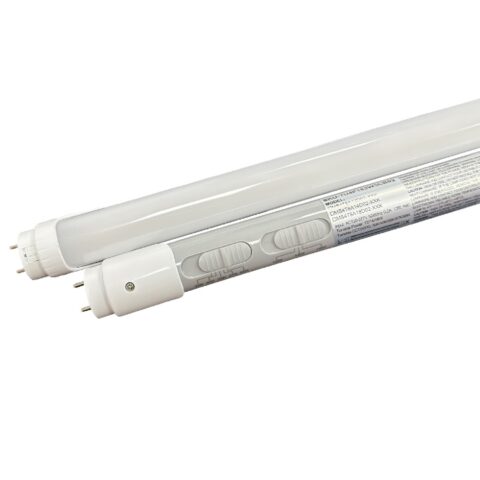
LED Healthcare Lighting for Hospitals, Clinics, Patient Rooms, Labs, and Support Areas
LED healthcare lighting is used in hospitals, clinics, medical offices, patient rooms, corridors, lobbies, waiting areas, exam rooms, treatment areas, labs, kitchens, restrooms, utility rooms, and other healthcare support spaces. These facilities need lighting that supports patient comfort, staff visibility, wayfinding, clinical tasks, cleaning, maintenance, emergency operation, and long operating hours.
Healthcare lighting should be selected by room type and task, not by wattage alone. Start by identifying the space and clinical use, then confirm target light levels, fixture type, glare and color quality, controls, cleanability, emergency operation, voltage, and environmental exposure. A patient room, corridor, laboratory, operating room, kitchen, and waiting area may all require different fixture types, light levels, controls, color quality, cleanability, and code review. Final requirements may depend on facility standards, clinical use, infection-control requirements, emergency power requirements, local code, and applicable healthcare design guidelines.
Selection and Installation Note: Product specifications, wattage, lumen output, optics, color temperature, voltage, dimming, controls, mounting method, cleanability, emergency operation, certifications, environmental rating, and warranty coverage vary by model. Confirm the selected product specification before ordering. For hospitals, clinics, patient-care spaces, laboratories, kitchens, emergency circuits, code-sensitive areas, or clinical task areas, verify requirements with the facility team, project specifier, healthcare designer, local inspector, infection-control team when applicable, or a licensed electrical professional.
Recommended Foot-Candles for Healthcare Lighting
Healthcare light levels vary by room type, clinical task, patient needs, glare control, emergency requirements, fixture type, ceiling height, and facility standards. The ranges below are general planning values. Final light levels should be confirmed against the applicable project requirements, healthcare design standards, clinical use, and selected product specifications.
Common LED Fixtures Used in Healthcare Facilities
Healthcare facilities often use a mix of LED panels, troffers, linear fixtures, overbed lights, sealed fixtures, vapor tight lights, downlights, and NSF-certified or NSF-listed fixtures where appropriate. The right fixture depends on ceiling type, room function, cleanability, controls, color rendering, glare, and whether the area is a patient-care, clinical, support, or food-service space.
| Fixture Type | Where It Fits Best |
|---|---|
| LED panels | Common in offices, corridors, waiting areas, patient rooms, exam rooms, and drop-ceiling spaces where a clean, even appearance is desired. |
| LED troffers | Used in many healthcare ceiling grids as replacements for fluorescent troffers. Confirm lens type, glare, controls, and cleanability. |
| Linear LED fixtures | Useful in corridors, patient rooms, labs, utility spaces, storage rooms, and support areas where continuous or directional light is preferred. |
| Overbed lights | Used in patient rooms where ambient, reading, observation, and exam functions may need separate controls or light levels. |
| Flush-mounted ceiling lights | Useful in rooms where a low-profile fixture is preferred and the ceiling layout does not support recessed panels. |
| Vapor tight or sealed fixtures | Used in utility areas, damp areas, cleaning spaces, kitchens, and some support rooms where moisture, dust, or cleaning exposure may be present. Confirm the fixture’s wet-location, ingress-protection, and cleaning-exposure suitability for the application. |
| NSF-certified or NSF-listed fixtures | Used in healthcare kitchens, food preparation areas, and sanitary support spaces where food-zone suitability or cleanable fixtures may be required. |

How to Choose LED Healthcare Lighting
Healthcare lighting should support the function of each space. Some areas need comfortable ambient light for patients and visitors. Others need higher task visibility for staff, laboratories, examination, cleaning, or food service. The fixture selection process should account for both the visual task and the facility environment.
| Selection Factor | What to Confirm |
|---|---|
| Room type and clinical use | Confirm whether the area is a lobby, waiting room, patient room, corridor, exam room, lab, critical care space, operating room, kitchen, restroom, or support space. Each room type may need different light levels, controls, and fixture ratings. |
| Target foot-candles | Use room-specific planning ranges as a starting point. Final requirements should be verified against project documents, healthcare standards, local requirements, and facility policies. |
| Color rendering | Higher CRI may be important where staff need to evaluate visual details, skin tone, labels, medication areas, samples, or task work. Confirm CRI on the selected product specification. |
| Color temperature | 3000K, 3500K, 4000K, and tunable white options may be used depending on the room. Confirm facility preference, patient comfort, staff tasks, and available CCT by model. |
| Dimming and controls | Patient rooms, corridors, exam rooms, waiting areas, and support spaces may benefit from dimming, switching zones, occupancy sensors, schedules, or tunable controls. Confirm driver compatibility, controls integration, clinical workflow, and facility requirements. |
| Glare and visual comfort | Low-glare optics and careful fixture placement can improve comfort for patients, visitors, and staff. Review patient bed positions, monitor screens, exam positions, corridors, and waiting areas. |
| Cleanability and infection-control concerns | Some healthcare rooms may require cleanable fixture surfaces, sealed construction, specific lens types, or compatibility with cleaning procedures. Confirm requirements with the facility team. |
| Emergency operation | Healthcare facilities may have emergency power, life-safety, or backup lighting requirements. Confirm whether fixtures connect to emergency circuits, generator-backed systems, emergency battery backup, or central inverter systems. Where required, coordinate exit signs and emergency lighting with the project’s life-safety design. |
| Voltage and electrical service | Confirm available voltage and wiring conditions before ordering. Many commercial healthcare fixtures are available in 120-277V, but compatibility varies by model. |
| Moisture, food service, and support areas | Kitchens, utility rooms, restrooms, and cleaning areas may require NSF-certified or NSF-listed, wet-location, vapor tight, or IP-rated fixtures depending on actual exposure and facility standards. IP ratings address ingress protection and do not by themselves establish food-service, sanitation, chemical-resistance, or healthcare suitability. |
Healthcare Lighting by Area
A healthcare facility usually needs a layered lighting approach. The goal is not to use the same fixture and brightness everywhere. The goal is to match the light level, fixture type, controls, cleanability, and visual comfort requirements to the room and task.
| Area | Lighting Priorities |
|---|---|
| Lobbies and reception areas | Support wayfinding, check-in tasks, visitor comfort, security visibility, and a professional first impression. Review glare, color temperature, controls, and ceiling type. |
| Waiting areas | Provide comfortable light for seating, reading, forms, circulation, and patient support. Avoid harsh glare or overly clinical color temperature where comfort is a priority. |
| Patient rooms | Use layered lighting for rest, observation, reading, staff tasks, examination, and nighttime movement. Confirm dimming, switching zones, overbed lighting, emergency operation, and low-glare optics. |
| Corridors | Support wayfinding, patient movement, carts, staff circulation, emergency egress, and nighttime lighting strategy. Review glare into patient rooms and whether dimming or night modes are appropriate. |
| Exam rooms and treatment areas | Prioritize task visibility, color rendering, shadow control, patient assessment, and dimming where appropriate. Confirm CRI, glare, fixture placement, and facility standards before ordering. |
| Medical laboratories | Support detailed task work, labels, samples, equipment visibility, cleanability, glare control, and color quality. Confirm whether sealed, vapor tight, or cleanable fixtures are required. |
| Critical care and treatment spaces | Review layered lighting, staff task visibility, patient monitoring, emergency operation, controls, equipment conflicts, cleanability, and facility standards. Do not assume a general commercial fixture is suitable. |
| Operating rooms | Coordinate general room lighting with surgical task lights, cleanable fixture requirements, infection-control expectations, emergency power, controls, medical equipment, and room-specific project documents. |
| Kitchens and food service areas | Confirm task visibility, cleanability, food-service suitability, NSF-certified or NSF-listed fixture needs, moisture exposure, washdown exposure, IP rating, and facility sanitation requirements. |
| Restrooms, utility rooms, and support spaces | Review moisture exposure, cleaning practices, occupancy controls, emergency requirements, ceiling type, fixture protection, and facility maintenance needs. |
LED Healthcare Lighting vs. Fluorescent Lighting
Many healthcare facilities still have fluorescent troffers, tubes, or older fixtures in patient rooms, offices, corridors, support rooms, and back-of-house spaces. LED replacements can reduce energy use and expand control options, depending on the selected equipment, operating hours, and existing system.
LED retrofits should be reviewed carefully in clinical spaces. A simple lamp swap may not address glare, color rendering, dimming, emergency operation, cleanability, or fixture condition. Some LED tube installations retain the existing fluorescent ballast, while ballast-bypass tubes and retrofit kits use different wiring approaches. In patient-care areas and clinical task spaces, confirm whether a retrofit kit, LED tube, new LED panel, sealed fixture, or dedicated healthcare fixture is the best fit.
Healthcare Lighting Project Checklist
Before releasing a healthcare lighting order, coordinate the information that affects product selection, installation, and long-term maintenance. This helps avoid delays caused by incompatible controls, incorrect mounting, unavailable voltage, or fixture features that do not match the room’s operating needs.
- Create a room schedule: Identify the intended fixture, quantity, mounting method, controls, emergency-power connection, and room function for each area.
- Review existing conditions: Document ceiling type, grid dimensions, junction-box locations, mounting height, available voltage, circuiting, fixture access, and any obstructions or medical equipment that affects placement.
- Coordinate lighting controls: Confirm the control system, dimming protocol, sensor locations, switching zones, and driver compatibility before equipment is ordered.
- Confirm cleaning procedures: Share the facility’s cleaning agents, cleaning frequency, moisture exposure, and any infection-control requirements when sealed or cleanable fixtures are being considered.
- Separate normal and emergency lighting needs: Identify fixtures served by normal power, generator-backed circuits, central inverter systems, or integral emergency drivers. The electrical design and applicable code requirements determine the required arrangement.
- Review photometrics for critical spaces: For patient rooms, corridors, exam rooms, laboratories, and other task-sensitive areas, use fixture-specific photometric information to evaluate delivered light levels, uniformity, and glare rather than relying on lumen output alone.
- Verify submittals before installation: Confirm the exact model number, voltage, CCT, CRI, optics, mounting accessories, controls, listings, environmental ratings, and warranty terms against the approved project documents.
Healthcare Lighting Certifications, Rebates, and Warranty Support
Safety certifications, environmental ratings, and performance listings vary by product. Selected LED healthcare fixtures may carry a safety listing from an organization such as UL, ETL, or CSA, depending on the model and intended installation. Some models may be DLC or DLC Premium listed for utility rebate programs where available. DLC qualification is an efficiency and performance program, not an electrical safety certification. Rebate requirements vary by utility, region, project type, and product listing, so confirm eligibility before ordering.
Warranty length and terms vary by model. Many products include a 5-year warranty, but confirm the warranty documentation for the selected fixture, including any operating-hour, ambient-temperature, installation, or control-system conditions. Before purchase, review the selected product specification to confirm certifications, DLC status, voltage, controls compatibility, mounting method, cleanability, emergency operation, environmental ratings, and suitability for the healthcare application.
Contact us about LED healthcare lighting, and our Product Specialists can help review room type, fixture type, light level, color temperature, CRI, dimming, controls, voltage, cleanability, emergency operation, and published product specifications.
LED Hospital Lighting FAQs
How Should Healthcare Lighting Be Selected?
Healthcare lighting should be selected by room type and task, not by wattage alone. Confirm the space and clinical use, target light levels, fixture type, glare, color quality, controls, cleanability, emergency operation, voltage, and environmental exposure.
Why Should Different Healthcare Rooms Use Different Lighting Approaches?
Different healthcare rooms may require different fixture types, light levels, controls, color quality, cleanability, and code review. A patient room, corridor, laboratory, operating room, kitchen, and waiting area can each have different clinical, visual, and environmental requirements.
How Should I Plan Light Levels for a Healthcare Facility?
Use room-specific foot-candle planning ranges as a starting point, then confirm final light levels against project requirements, healthcare design standards, clinical use, and selected product specifications. Light levels vary by room type, clinical task, patient needs, glare control, emergency requirements, fixture type, ceiling height, and facility standards.
When Should Sealed or Vapor Tight Fixtures Be Considered?
Sealed or vapor tight fixtures may be considered for utility areas, damp areas, cleaning spaces, kitchens, and some support rooms where moisture, dust, or cleaning exposure may be present. Confirm wet-location, ingress-protection, cleaning-exposure suitability, and applicable facility requirements for the selected fixture.
What Should Be Confirmed for Patient Room Lighting?
Patient room lighting should support rest, observation, reading, staff tasks, examination, and nighttime movement. Confirm dimming, switching zones, overbed lighting, emergency operation, and low-glare optics for the room.
Can Existing Fluorescent Healthcare Lighting Be Retrofitted With LED?
LED replacements can reduce energy use and expand control options, depending on the selected equipment, operating hours, and existing system. In patient-care and clinical task spaces, confirm whether a retrofit kit, LED tube, new LED panel, sealed fixture, or dedicated healthcare fixture is the best fit.
What Should Be Reviewed Before Ordering Healthcare Lighting?
Before ordering, confirm the exact model number, voltage, CCT, CRI, optics, mounting accessories, controls, listings, environmental ratings, and warranty terms against approved project documents. Also verify that the selected fixture matches the room function, available voltage, mounting conditions, cleaning needs, emergency operation, and healthcare application requirements.
How Should Critical Healthcare Spaces Be Evaluated?
Critical spaces should be evaluated with fixture-specific photometric information for delivered light levels, uniformity, and glare rather than lumen output alone. For critical care spaces and operating rooms, coordinate lighting with controls, emergency operation, cleanability, equipment conflicts, and room-specific project documents.