LED Convention Center Lighting
- High bay options for exhibit halls with tall ceilings
- Dimmable and CCT-selectable fixtures available for event flexibility
- Lighting plans help evaluate fixture spacing and coverage


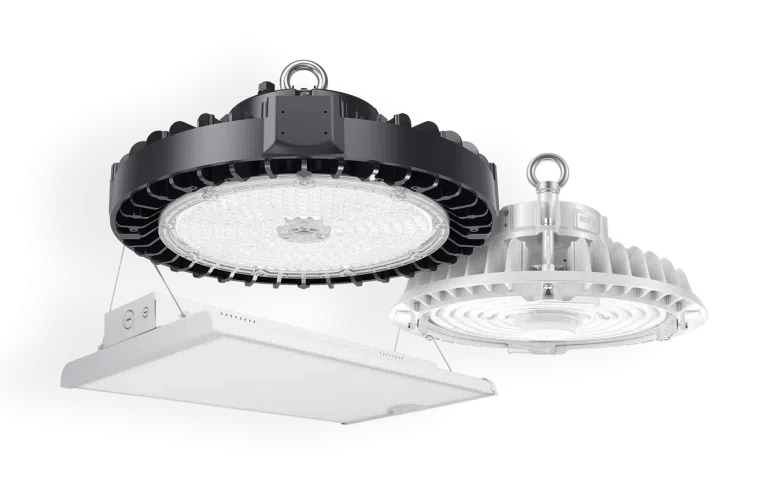
Our LED Lighting for Convention Centers includes UFO and linear high bays, LED panels, downlights, linear fixtures, vapor tight fixtures, wall packs, and area lights for event and support spaces. Available models include wattage-selectable, CCT-selectable, dimmable, and emergency backup configurations, with 0-10V dimming, occupancy sensors, daylight controls, scheduling, and scene control options.
These products are commonly used in exhibit halls, trade show floors, meeting and breakout rooms, ballrooms, pre-function areas, lobbies, corridors, loading docks, storage rooms, mechanical rooms, and other back-of-house spaces.
-
 Starting At $358.44

-
 Starting At $384.03
 -
Starting At $457.46
-
Starting At $539.94


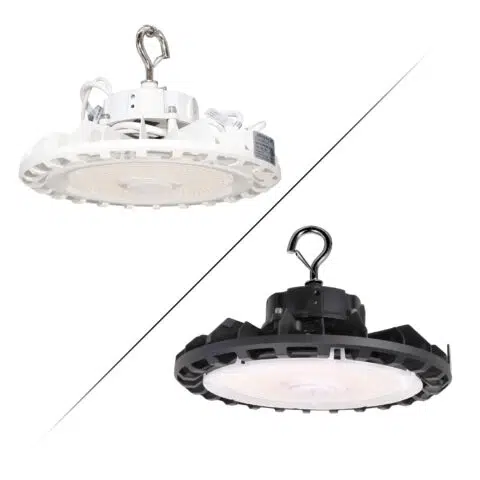

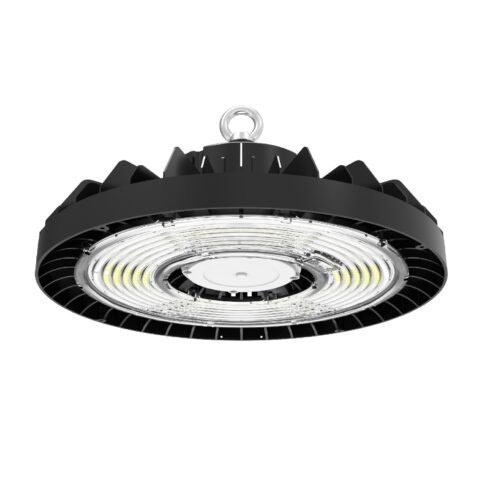
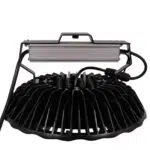
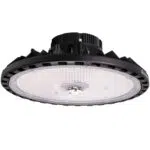

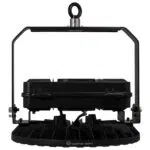
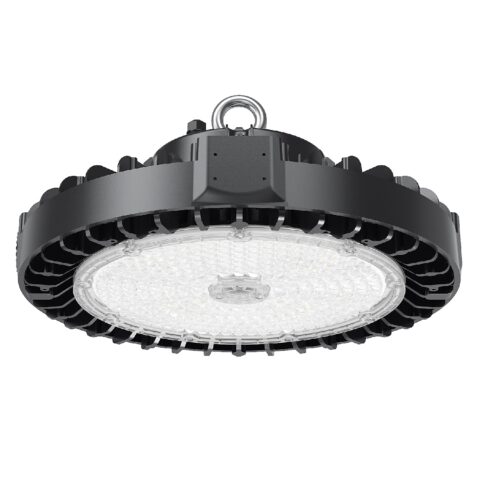
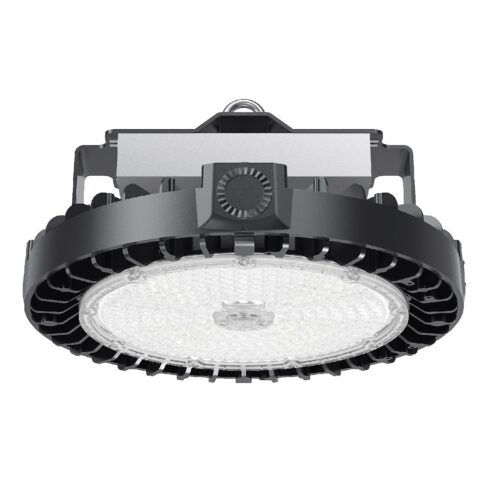
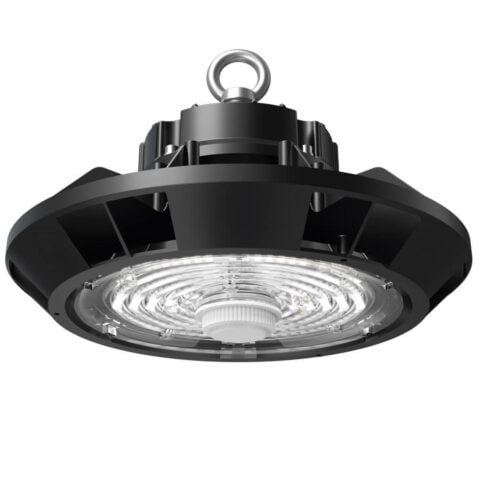
LED Convention Center Lighting for Exhibit Halls, Meeting Rooms, Ballrooms, and Support Spaces
LED convention center lighting needs to support trade shows, exhibitions, meetings, banquets, conferences, presentations, setup, teardown, wayfinding, and back-of-house operations. Most convention center projects use LED high bays, UFO high bays, or linear high bays in exhibit halls and larger event spaces, with additional fixture types used in meeting rooms, corridors, lobbies, loading areas, and support rooms.
Start by matching the fixture type to each area and its event use. Then plan ceiling height, room size, mounting method, beam angle, fixture spacing, target foot-candles, and glare control. For spaces that change between exhibitions, presentations, banquets, and setup, also review dimming, controls, emergency requirements, and how lighting zones will operate.
Selection and Installation Note: Product specifications, wattage, lumen output, optics, beam angle, color temperature, voltage, dimming, controls, mounting method, emergency backup options, certifications, and warranty coverage vary by model. Confirm the selected product specification before ordering. For convention centers, exhibit halls, assembly spaces, high ceilings, electrical upgrades, emergency lighting, code-sensitive applications, or safety-critical spaces, verify requirements with your local inspector, facility team, project specifier, or a licensed electrical professional.
Lighting Different Convention Center Areas
Convention centers are multi-use facilities, so one fixture type rarely solves every lighting need. Exhibit halls may need high-output high bays and uniform floor coverage. Ballrooms and meeting rooms may need dimming and scene flexibility. Corridors, pre-function areas, loading docks, and storage rooms each have different requirements.
| Convention Center Area | Fixture Selection Guidance |
|---|---|
| Exhibit halls and trade show floors | LED high bays, UFO high bays, or linear high bays can provide broad, uniform light for booths, aisles, displays, setup, and teardown. |
| Meeting rooms and breakout rooms | LED panels, linear fixtures, downlights, or recessed fixtures may be used where presentations, note-taking, and A/V flexibility matter. |
| Ballrooms and event spaces | Fixtures should support dimming, different event modes, and a more refined appearance than basic warehouse-style lighting. |
| Pre-function areas and lobbies | Architectural, linear, or downlight fixtures can support registration, networking, wayfinding, and guest circulation. |
| Corridors and egress routes | Lighting should support safe movement, clear navigation, emergency requirements, and consistent visibility. |
| Loading docks and service areas | High bays, vapor tight fixtures, wall packs, or area lights may be needed for event setup, freight movement, and back-of-house work. |
| Storage, mechanical, and support rooms | Linear, low bay, or vapor tight fixtures can provide practical light for maintenance, access, and stored materials. |
Recommended Foot-Candles for Convention Center Lighting
Convention center light levels vary by space type and event use. Exhibit halls often need flexible, uniform lighting for booths and aisles. Meeting rooms and ballrooms may need dimming for presentations or banquets. Corridors, support rooms, and back-of-house spaces usually need lower light levels than exhibit floors.
Best LED High Bays for Convention Centers
High bays are commonly used in exhibit halls and large event spaces because convention centers often have tall ceilings and wide open floor areas. The best choice depends on ceiling height, fixture layout, booth arrangements, desired uniformity, and how the space is used.
| Fixture Type | Best Used For |
|---|---|
| UFO LED high bays | Higher ceilings, open exhibit halls, and applications where compact fixtures with controlled optics are useful. |
| Linear LED high bays | Large halls, aisles, lower high-bay mounting heights, and layouts where row-based uniformity is important. |
| Wattage-selectable high bays | Multi-use spaces where light output may need adjustment after installation or during commissioning. |
| CCT-selectable fixtures | Facilities that need flexibility between warmer event settings and brighter exhibition or setup conditions. |
| Dimmable high bays | Exhibit halls, ballrooms, and event spaces where lighting levels need to change by event type. |
| Emergency backup fixtures | Selected areas where backup illumination is required for egress or life-safety planning. |
UFO vs Linear High Bays for Convention Centers
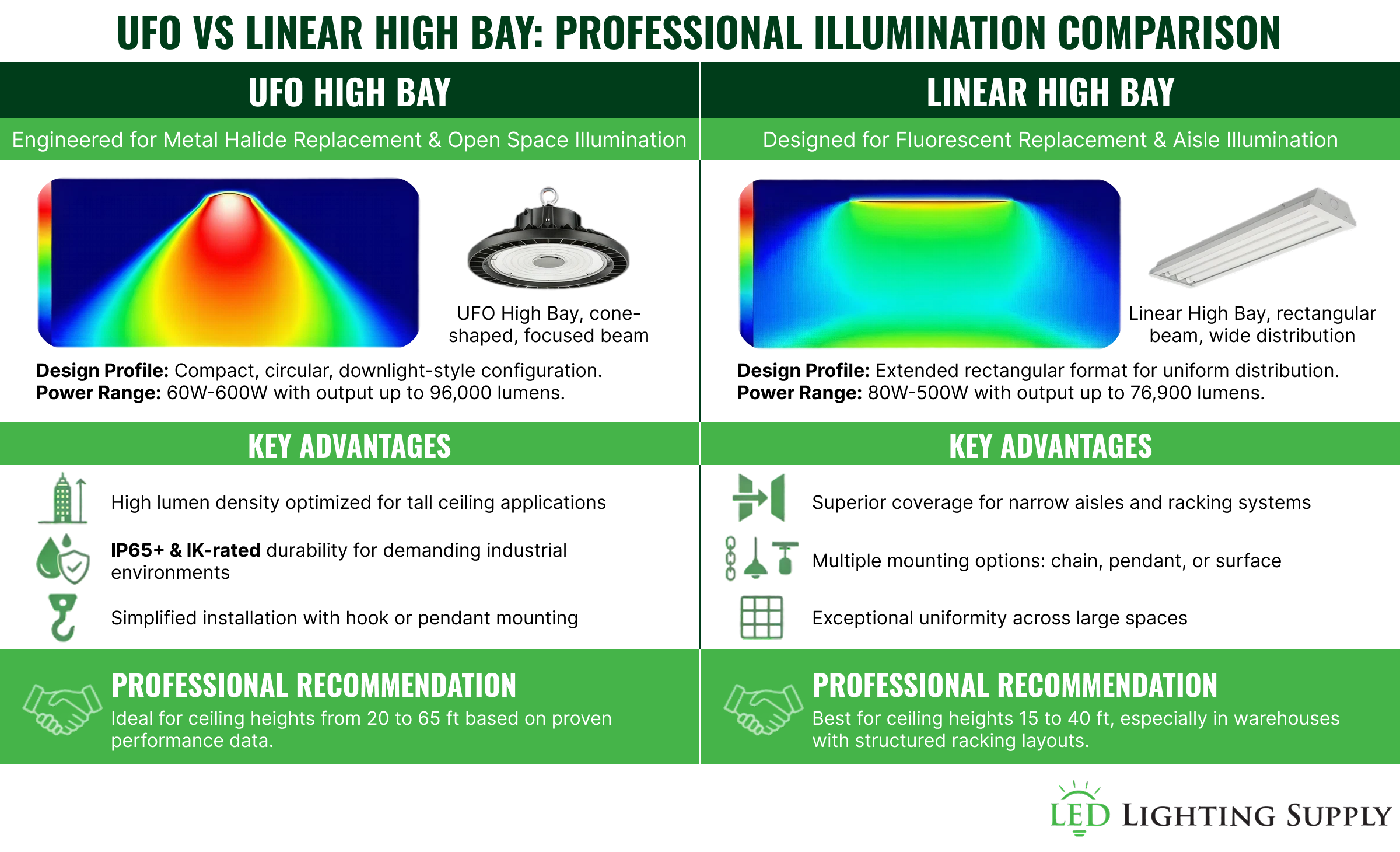
UFO high bays and linear high bays can both work in convention centers. UFO high bays are often used where ceiling heights are higher and compact fixtures with focused optics are helpful. Linear high bays can work well where rows of light help support aisle coverage, exhibit layouts, or lower high-bay mounting heights.
A convention center lighting plan can compare fixture count, mounting height, beam angle, spacing, estimated foot-candles, and uniformity before products are ordered. This is especially useful when the space hosts multiple event types or has a mix of ceiling heights.
Dimming, Controls, and Event Flexibility
Convention centers often need more lighting flexibility than standard warehouses or gymnasiums. A trade show, banquet, keynote presentation, awards ceremony, and setup crew may each require different light levels.
Controls may include 0-10V dimming, zone switching, occupancy sensors, daylight controls, scheduling, building automation, or scene control systems. Before ordering, confirm dimming type, control compatibility, voltage, fixture grouping, emergency behavior, and whether different rooms or zones need separate operation.
Color Temperature for Convention Center Spaces
Color temperature should match the use of the space. Exhibit halls commonly use 4000K or 5000K for clear visibility across booths, aisles, and displays. Meeting rooms, ballrooms, and pre-function spaces may use warmer settings or selectable CCT fixtures to support hospitality, presentations, and customer-facing events.
For multi-use spaces, CCT-selectable fixtures can provide flexibility during commissioning. Confirm available CCT options, CRI, dimming compatibility, and whether the selected product can maintain a consistent appearance across the room.
Lighting Plans for Convention Centers
A lighting plan is strongly recommended for convention centers because ceiling height, fixture spacing, beam angle, event layout, and uniformity all affect the result. A plan can help determine whether UFO high bays, linear high bays, or another fixture type is the better fit for each space.
Request a convention center lighting plan to review fixture count, mounting height, beam angle, estimated foot-candles, light distribution, dimming zones, and uniformity before ordering.
Installation and Maintenance Considerations
Convention center fixtures may be mounted to steel structures, concrete ceilings, suspended systems, or existing fixture locations. Installation planning should review access equipment, lift availability, fixture weight, mounting hardware, voltage, controls wiring, emergency backup requirements, and service access.
Maintenance access is especially important in exhibit halls and event spaces where downtime may be difficult to schedule. Selecting long-life LED fixtures with the right driver, controls, and mounting method can reduce service interruptions during busy event seasons.
Convention Center Lighting Certifications and Warranty Support
LED convention center lighting fixtures from LED Lighting Supply carry a safety listing such as UL, ETL, or CSA, depending on product. Many models are DLC or DLC Premium listed for utility rebate support where available. Rebate requirements vary by utility, region, and product listing, so confirm eligibility on the selected product specification before ordering.
Most LED convention center lighting fixtures include a 5-year warranty unless otherwise specified, with USA-based warranty support. Before purchase, review the selected product specification to confirm certifications, DLC status, voltage, controls compatibility, dimming, emergency backup options, mounting method, environmental exposure, and whether the fixture is right for the space.
Common Convention Center Lighting Mistakes
- Using one light level for every event: Exhibit halls, banquets, presentations, and setup crews may need different light levels.
- Skipping a lighting plan: Large halls need verified fixture spacing, beam angles, foot-candles, and uniformity before ordering.
- Using the wrong beam angle: Very wide optics at high mounting heights may waste light on walls or reduce useful floor-level coverage.
- Ignoring dimming requirements: Meeting rooms, ballrooms, and presentation spaces often need dimming or scene control.
- Forgetting emergency and egress needs: Backup lighting and emergency behavior should be reviewed early in the project.
- Choosing fixtures by wattage alone: Lumens, optics, mounting height, spacing, controls, and uniformity all affect performance.
- Overlooking controls integration: Building automation, zone controls, sensors, and dimming compatibility vary by fixture and driver.
- Not planning maintenance access: High ceilings and busy event schedules make fixture access and service planning important.
Request a convention center lighting plan, and our Product Specialists can help review exhibit halls, meeting rooms, ballrooms, pre-function areas, ceiling height, high bay type, beam angle, target foot-candles, dimming, controls, emergency requirements, and product specifications.
LED Convention Center Lighting FAQs
How Do I Choose Between UFO And Linear High Bays For A Convention Center?
Choose UFO high bays for higher ceilings and open exhibit halls where compact fixtures with focused optics are helpful, and consider linear high bays for large halls, aisles, lower high-bay mounting heights, and row-based uniformity. A lighting plan can compare fixture count, mounting height, beam angle, spacing, estimated foot-candles, and uniformity before ordering.
What Fixture Types Are Used In Different Convention Center Areas?
Convention center fixture selection should match each area's use: high bays are commonly used in exhibit halls and larger event spaces, while panels, linear fixtures, downlights, recessed fixtures, architectural fixtures, vapor tight fixtures, wall packs, area lights, low bays, and other fixtures may be used in meeting rooms, lobbies, corridors, loading areas, storage rooms, and support spaces. One fixture type rarely solves every lighting need in a multi-use facility.
Why Is A Lighting Plan Recommended For Convention Centers?
A lighting plan is strongly recommended because ceiling height, fixture spacing, beam angle, event layout, and uniformity all affect the result. The plan can help determine the better fixture type for each space and review fixture count, mounting height, estimated foot-candles, light distribution, dimming zones, and uniformity before ordering.
How Should Lighting Be Planned For Spaces With Different Event Types?
Convention center lighting should account for the different light levels needed for trade shows, banquets, keynote presentations, awards ceremonies, and setup crews. Dimmable fixtures, zone switching, scheduling, building automation, and scene control systems may support different event needs, depending on the selected product and controls.
What Should Buyers Confirm Before Ordering Convention Center Lighting?
Confirm the selected product's specifications for wattage, lumen output, optics, beam angle, color temperature, voltage, dimming, controls, mounting method, emergency backup options, certifications, and warranty coverage because these vary by model. Also confirm control compatibility, fixture grouping, emergency behavior, and whether different rooms or zones need separate operation.
How Should Color Temperature Be Selected For Convention Center Spaces?
Color temperature should match the use of the space: exhibit halls commonly use 4000K or 5000K, while meeting rooms, ballrooms, and pre-function spaces may use warmer settings or CCT-selectable fixtures. For multi-use spaces, confirm available CCT options, CRI, dimming compatibility, and consistent appearance across the room.
What Installation And Maintenance Factors Should Be Reviewed?
Installation planning should review mounting location, access equipment, lift availability, fixture weight, mounting hardware, voltage, controls wiring, emergency backup requirements, and service access. Maintenance access is especially important in high-ceiling exhibit halls and event spaces where downtime may be difficult to schedule.
Are Certifications, Rebates, And Warranties The Same For Every Fixture?
No, certifications, DLC status, rebate eligibility, and warranty coverage vary by product. Fixtures carry a safety listing such as UL, ETL, or CSA depending on product, many models are DLC or DLC Premium listed where available, and most fixtures include a 5-year warranty unless otherwise specified.