Metal Halide Fixtures: Components, Applications, and LED Conversion Guide
A metal halide fixture is a commercial or industrial High Intensity Discharge (HID) lighting system. Its construction varies by fixture type and lamp style, but common components include:
- Fixture housing and optical system – Including high bays, shoeboxes, flood lights, wall packs, canopy lights, reflectors, lenses, and refractors designed to direct light where needed
- Metal halide lamp – The HID light source, which may use a screw base, pin base, or other lamp connection depending on the fixture and lamp type
- Ballast – Regulates starting voltage and operating current for the HID lamp
- Socket or lamp holder – Supports and connects the lamp where applicable
- Mounting system – Hardware for secure installation, such as a pendant, trunnion, slip fitter, yoke, arm, or surface-mount arrangement
Understanding Metal Halide Technology
Metal halide belongs to the High Intensity Discharge (HID) lamp family, along with mercury vapor and high-pressure sodium lamps. HID lighting systems use a ballast to start and regulate the lamp.
Many metal halide lamps emit light in a broad, near-omnidirectional pattern from the arc tube. Fixture reflectors, refractors, lenses, and optics collect and direct that light for the intended application. Actual distribution depends on the lamp and fixture design.
Performance Characteristics
Metal halide lamps have several operational traits that affect their suitability for different applications:
- High initial light output – New lamps can provide substantial lumen output for large indoor and outdoor spaces
- Warm-up time – Lamps generally require several minutes to reach stable light output
- Restrike delay – After an interruption, many systems must cool before the lamp can restart
- Lumen depreciation – Light output and color consistency can decline as lamps age
Metal halide generally produces a whiter appearance than traditional high-pressure sodium lighting, which is commonly associated with a warmer, amber appearance. Actual color appearance depends on the lamp’s correlated color temperature (CCT).

Applications for Metal Halide Fixtures
Metal halide fixtures have been used in high-output industrial, commercial, municipal, and recreational applications:
Indoor Applications
- Gymnasiums and recreational facilities – LED gymnasium lights
- Warehouses and distribution centers – LED warehouse lights
- High bay and low bay industrial lighting – LED high bay lights and LED low bay lights
- Manufacturing and shop lighting – LED shop lights
- Factory production areas – LED factory lighting
Outdoor Applications
- Parking lot lighting – LED parking lot lights
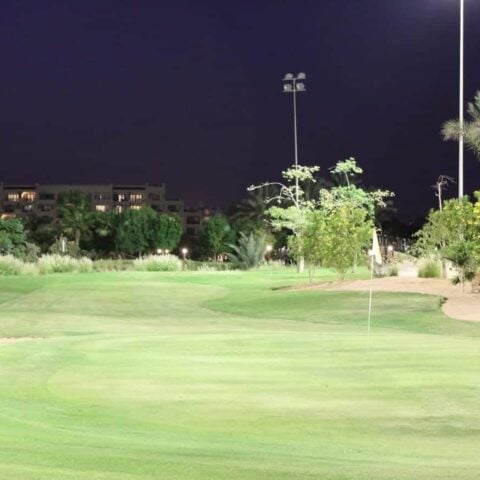
- Stadium and sports field illumination – LED stadium lights
- Street and roadway lighting – LED street lights
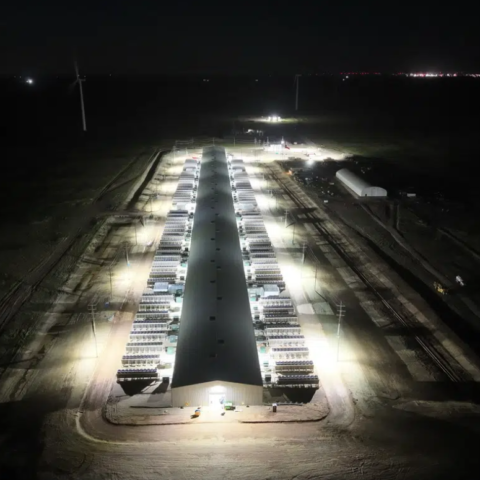
- Area and perimeter lighting – LED area lights
Common Wattage Categories
- High-wattage applications – Large sports, industrial, and area-lighting fixtures may use 750W, 1,000W, or higher-wattage metal halide lamps
- Medium-wattage applications – 250W and 400W lamps are common in parking areas, high bays, and outdoor area lighting
- Lower-wattage applications – 70W, 100W, and 150W lamps are used in some wall-mounted, canopy, and smaller-area fixtures
Converting Metal Halide Fixtures to LED
LED technology provides an alternative to many metal halide systems, but a successful conversion should be based on the existing fixture condition, electrical configuration, mounting arrangement, and required light levels. LED wattage alone is not a direct replacement metric; fixture optics, delivered lumens, mounting height, and photometric distribution determine illuminance on the work plane or ground.

LED Advantages Over Metal Halide
- Potential energy savings – Properly designed LED replacements often use less power than the metal halide system they replace, including ballast losses. Actual savings depend on the selected fixture, operating schedule, controls, and required light levels.
- Longer rated life – Many commercial LED luminaires are rated to L70 values of 50,000 hours or more, depending on model, ambient temperature, and operating conditions. Metal halide lamp life and maintenance intervals vary by lamp type and operating position.
- Light quality options – LED products are available in a range of CCT and CRI options. Verify the published CRI and color temperature for the selected model.
- Instant operation – LED fixtures typically reach full output without the warm-up and restrike delays associated with metal halide lamps.
- Reduced maintenance potential – Longer-lived LED luminaires can reduce lamp-replacement frequency, although maintenance needs depend on the fixture, environment, driver, controls, and accessibility.
Retrofit Lamp vs. Complete LED Fixture Replacement
There are two common approaches to replacing metal halide lighting: installing an LED retrofit lamp in an existing housing or replacing the complete fixture with an LED luminaire. The appropriate option depends on the existing equipment and project requirements.
- LED retrofit lamps and metal halide conversion kits – These can be useful when the existing housing, socket, wiring compartment, mounting, and optical arrangement are in good condition and are compatible with the specific retrofit product. Retrofit lamps may not reproduce the original fixture’s distribution, and lamp size, orientation, enclosed-fixture suitability, and thermal limits must be verified.
- Complete LED fixture replacement – Replacing the full fixture often provides a purpose-designed LED optical system, new driver and wiring, current environmental ratings, and mounting options. It can be the better choice when the existing fixture is damaged, corroded, poorly distributed, difficult to maintain, or unsuitable for the desired LED output.
For high bays, parking lots, sports facilities, roadways, and other applications where uniformity, glare, spill light, or target foot-candle levels matter, use fixture-specific photometric data and an appropriate lighting plan rather than a one-for-one wattage assumption.
Ballast Compatibility and Bypass Considerations
Metal halide fixtures contain HID ballasts, while LED products use drivers or integrated electronics. An LED replacement must be installed exactly as specified by its manufacturer.
- Ballast-compatible retrofit lamps – Some LED retrofit lamps are designed for operation with specifically listed compatible ballasts. Compatibility is model-specific; a metal halide ballast should never be assumed compatible simply because the lamp base fits.
- Ballast-bypass retrofit lamps – Other products require the HID ballast to be disconnected or removed and the socket rewired for direct line voltage. This is electrical modification work and should be performed by a qualified electrician following the LED product instructions and applicable electrical-code requirements.
- Complete LED luminaires – New LED fixtures are normally wired directly to the branch circuit and use their own listed driver system. Verify voltage, dimming/control compatibility, surge protection, and mounting requirements before installation.
Do not install a line-voltage LED lamp on an energized HID ballast output unless the lamp manufacturer specifically identifies that ballast and wiring configuration as compatible. Incorrect wiring can damage equipment and create an electrical hazard.
What to Verify Before Conversion
- Existing lamp and socket type – Identify the metal halide lamp wattage, base style, operating position, and socket condition. Not all metal halide lamps use standard screw bases.
- Input voltage and circuit details – Confirm available voltage, branch-circuit configuration, controls, and any emergency or generator requirements.
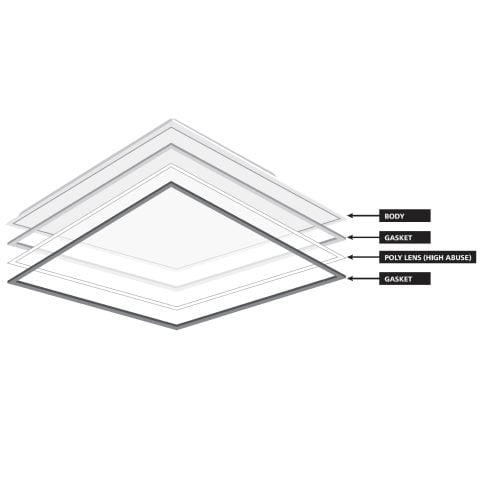
- Fixture condition – Inspect the housing, lens, reflector, gasket, wiring, socket, mounting hardware, and signs of heat damage or corrosion.
- Environmental exposure – Select ratings appropriate for the actual location. An IP rating addresses dust and water ingress, but does not by itself establish chemical resistance, corrosion resistance, sanitation suitability, or hazardous-location approval.
- Mounting and structural loading – Confirm that the new fixture or retrofit arrangement fits the existing mounting method. For poles, arms, and other structural supports, consider fixture weight, effective projected area (EPA), mounting geometry, wind criteria, and manufacturer loading information.
- Required light levels and distribution – Compare published lumens, optics, IES photometric files, mounting height, spacing, glare, and target foot-candles or lux.
- Listings and approvals – Verify the exact product’s electrical safety listing, environmental rating, and any project-specific requirements. DLC qualification, where applicable, is an efficiency and performance program, not an electrical safety certification.
In hazardous or classified locations, the documented area classification controls product selection. A fixture must match the required Class, Division or Zone, Group, temperature rating, ambient rating, and certification. Explosion-proof LED lighting, vapor-tight, weatherproof, or IP-rated fixtures are not automatically approved for hazardous locations unless the exact product is listed for the required classification.
LED Lighting Supply can help compare fixture specifications, product ratings, mounting information, and photometric files for an established application. A qualified electrician, engineer, and the authority having jurisdiction should address electrical modifications, code compliance, structural suitability, and site-specific requirements.
Metal Halide Lamp Degradation
Understanding metal halide performance decline can help facilities plan maintenance or evaluate an LED upgrade.
Lifespan and Light Output
Metal halide lamp rated life varies by lamp wattage, lamp type, ballast, operating position, switching frequency, and operating conditions. Many lamps are rated in the approximate 10,000- to 20,000-hour range, but useful service life may be shorter when reduced light output, color shift, cycling, or maintenance access affects the application.
As metal halide lamps age, they commonly experience:
- Lumen depreciation – Light output declines over lamp life, with the rate varying by lamp and ballast system
- Color shift – Aging lamps can shift in color appearance, sometimes toward blue, green, pink, or violet hues
- Higher maintenance demand – Group relamping or spot relamping may be needed to maintain target light levels and consistent appearance
Important: Fixture installation, modification, ballast bypass work, and electrical connections should be performed by qualified electricians in accordance with manufacturer instructions, local electrical codes, and safety requirements.