LED Natatorium Lighting
- Corrosion-resistant options designed for humid, chlorinated pool environments
- Fixture types available for pools, decks, locker rooms, and equipment areas
- Product specialists help match fixtures to natatorium conditions


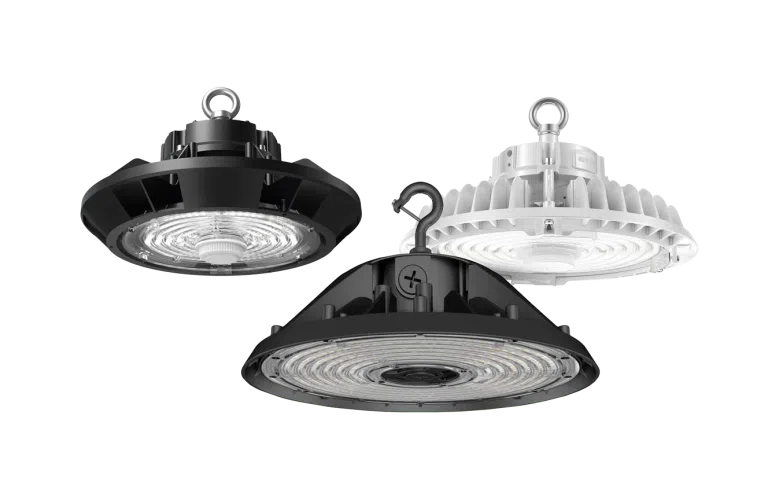
Our Natatorium Lighting and Indoor Swimming Pool LED Lighting includes natatorium-rated fixtures, corrosion-resistant linear fixtures, vapor tight lights, indirect pool lighting, area lights, and pool equipment room fixtures. Available models vary by sealed construction, corrosion-resistant housing options, optics, color temperature, dimming, controls, mounting method, and wet-location suitability.
These fixtures are used in indoor swimming pools, aquatic centers, competition and training pools, diving areas, pool decks, spectator seating, locker rooms, humid corridors, pool equipment rooms, and pool support spaces.
-
 Starting At $358.44

-
Starting At $539.94
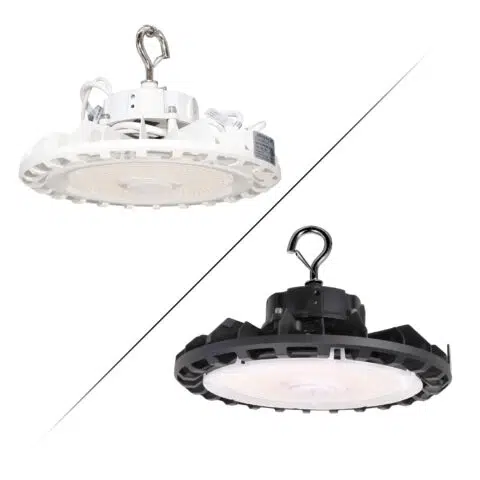


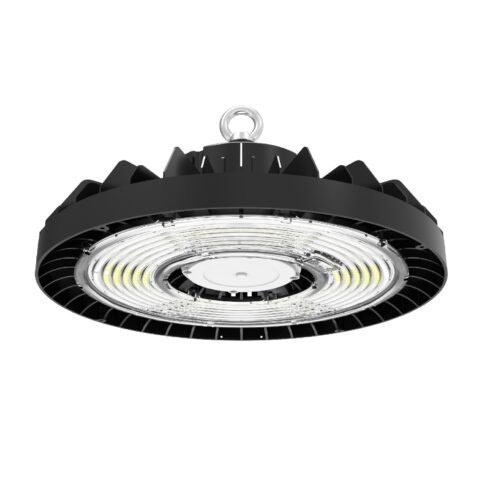
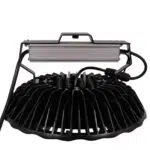

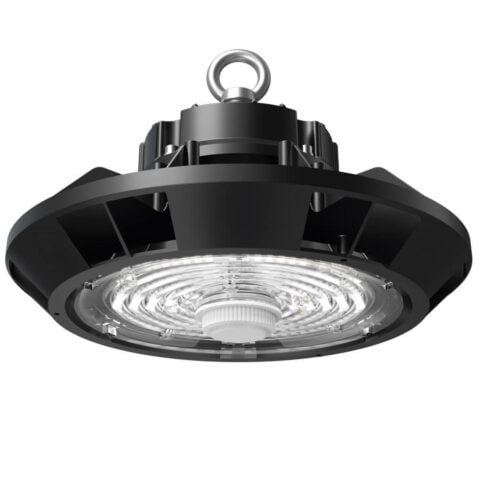
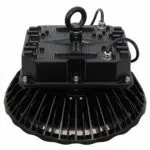
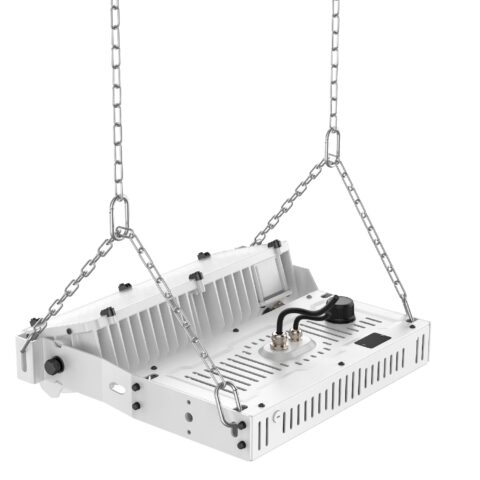
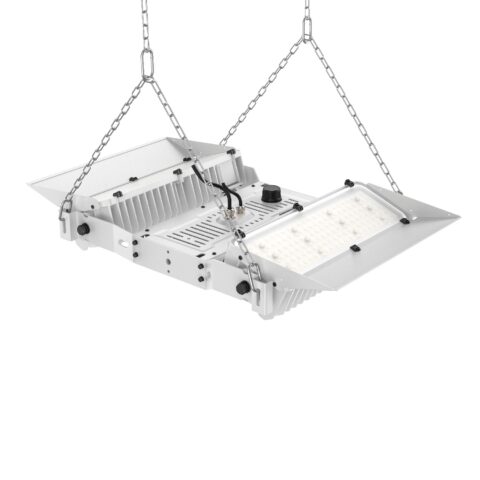
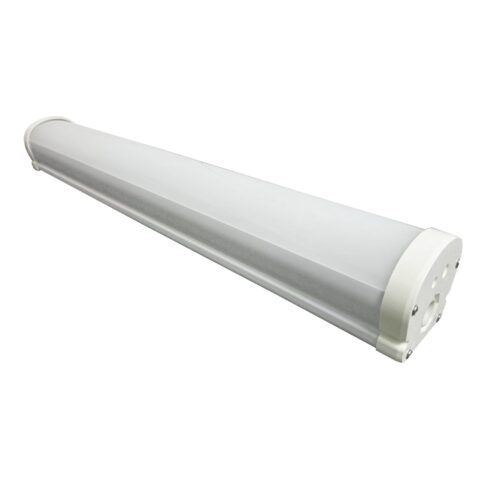


LED Natatorium Lighting for Indoor Pools, Aquatic Centers, and Pool Support Areas
LED natatorium lighting is used in indoor swimming pools, aquatic centers, competition pools, diving areas, pool decks, spectator seating, locker rooms, humid corridors, pool equipment rooms, and pool support spaces. These areas need lighting that supports swimmer visibility, lifeguard observation, glare control, safe circulation, and long-term fixture reliability in humid, chlorinated environments.
Start by matching the fixture to the pool area and its chemical, moisture, and mounting exposure. Then confirm corrosion resistance, sealed construction, wet-location suitability, glare control, light level, mounting location, and maintenance access. Natatoriums are not standard indoor lighting applications: warm air, high humidity, pool chemicals, chloramines, condensation, and hard-to-access ceilings can shorten the lifespan of fixtures not built for aquatic environments.
Selection and Installation Note: Product specifications, wattage, lumen output, optics, beam angle, color temperature, voltage, dimming, controls, mounting method, corrosion resistance, housing material, lens material, gasket design, wet-location rating, IP rating, certifications, and warranty coverage vary by model. Confirm the selected product specification before ordering. For natatoriums, indoor pools, aquatic centers, pool decks, locker rooms, chemical rooms, or humid support spaces, verify requirements with the facility team, project specifier, local inspector, pool systems specialist, or a licensed electrical professional.
How to Choose LED Natatorium Lighting
Natatorium lighting should be selected based on the pool environment and the visual task. The wrong fixture may create glare off the water, fail from corrosion, or make maintenance difficult over the pool area.
| Selection Factor | What to Confirm |
|---|---|
| Pool type and use | Confirm whether the area is a recreational pool, competition pool, training pool, diving area, therapy pool, splash area, spectator area, or support space. |
| Corrosion resistance | Confirm natatorium suitability, housing material, finish, hardware, gasket design, and chemical exposure. Do not assume a standard wet-location fixture is enough for chlorinated pool air. |
| Glare and water reflection | Review fixture placement, beam angle, shielding, aiming, ceiling reflectance, and lifeguard sightlines. Excessive glare off the water can reduce visibility. |
| Foot-candle target | Use the foot-candle widget as an early planning guide. Final targets should consider competition level, pool use, spectator needs, lifeguard visibility, and facility requirements. |
| Mounting location | Confirm whether fixtures are mounted over water, over pool decks, on walls, above spectator areas, in locker rooms, or in chemical/equipment spaces. |
| Wet-location and IP rating | Match the rating to the exposure. Pool decks, locker rooms, chemical rooms, and humid mechanical spaces may require different fixture protection levels. Review wet-location LED high bay lights when high-bay mounting is appropriate, while confirming natatorium suitability for the selected model. |
| Color temperature and CRI | 4000K and 5000K are common choices for aquatic facilities. Confirm color temperature, CRI, and facility preference by model and application. |
| Dimming and controls | Confirm dimming, schedules, occupancy sensors, event settings, emergency operation, and controls compatibility. Controls should not reduce visibility below required levels during use. |
| Maintenance access | Review how fixtures will be serviced over water, spectator seating, or high ceilings. Access planning can reduce downtime and service complexity. |
Recommended Foot-Candles for Natatorium Lighting
Natatorium light levels vary by pool use, competition level, ceiling height, water reflectance, glare, fixture placement, lifeguard visibility, spectator areas, and support spaces. The ranges below are general planning values. Final fixture selection should confirm corrosion resistance, glare control, wet-location suitability, and the selected fixture specifications.
Why Corrosion Resistance Matters in Natatoriums
Corrosion resistance is a primary fixture-selection issue in many indoor pool environments. Pool chemicals and chlorinated air can combine with humidity and condensation to attack housings, hardware, lenses, fasteners, wiring entries, drivers, and finishes. A fixture that works in a warehouse or gym may fail prematurely in a natatorium if it is not designed for chlorinated and humid conditions.
| Corrosion Factor | What to Confirm |
|---|---|
| Chlorinated air and chloramines | Confirm that the fixture is suitable for indoor pool environments, not just general damp locations. Pool chemistry, air handling, and fixture placement can affect corrosion risk. |
| Housing material | Review aluminum, stainless steel, fiberglass, polymer, or coated housing options by model. Confirm the fixture is intended for corrosive aquatic environments. |
| Fasteners and hardware | Confirm that external screws, brackets, latches, mounting hardware, and suspension components are corrosion-resistant and appropriate for the space. |
| Lens and gasket system | Review lens material, sealing, gasket design, and cable entries. Moisture intrusion can damage drivers, LEDs, optics, and internal wiring. |
| Wet-location and IP ratings | Confirm the fixture rating against the actual mounting location. A fixture over a pool, near splash zones, in locker rooms, or inside a chemical room may need different protection. |
| Maintenance access | Natatorium fixtures are often mounted over water or high ceilings. Select fixtures with service access, corrosion-resistant construction, and maintenance planning in mind. |
Common LED Fixtures Used in Natatoriums
Natatorium fixtures should be selected for the pool environment first, then for light output and distribution. Standard high bays, panels, or vapor tight fixtures may not be suitable unless the selected model is rated for the actual exposure.
| Fixture Type | Where It May Fit |
|---|---|
| Natatorium-rated LED fixtures | Best choice for indoor pool areas where corrosion resistance, sealed construction, glare control, and long-term durability are critical. |
| Corrosion-resistant linear fixtures | Useful for pool decks, spectator zones, humid corridors, and support areas where controlled distribution and sealed construction are needed. |
| Wet-location vapor tight lights | Useful in locker rooms, pool support spaces, humid corridors, equipment rooms, and utility areas when the model is suitable for the exposure. |
| Indirect pool lighting | May help reduce glare and water-surface reflections when the ceiling, structure, and fixture layout support that approach. |
| Corrosion-resistant area or sports lights | May be used for competition pools, training pools, and larger aquatic centers when mounting height, beam control, corrosion resistance, and glare control are confirmed. |
| Pool equipment room fixtures | Should be selected for chemical exposure, moisture, corrosion resistance, and practical task visibility around pumps, filters, panels, and maintenance areas. |
Wayne’s Electrical Service Upgrades Natatorium Lighting To LED High Bays Case Study
The Backstory:
Wayne's Electric Service contacted LED Lighting Supply to assist with streamlining a unique lighting upgrade for a natatorium. They were looking to replace aging 400-watt metal halide lights with new LED fixtures. LED Lighting Supply understood the project requirements and worked with the customer to recommend a strategic solution focused on increasing energy efficiency while reducing overall facility expenses.
The Customer's Challenge:
Traditional metal halide fixtures produce around 75 lumens per watt, while LED fixtures produce 150 lumens per watt with less energy. The existing fixtures were consuming excess energy to produce adequate brightness for an indoor pool facility. Natatorium environments typically require balanced, glare-controlled lighting to ensure clear visibility across the pool surface and deck. The fixture placement process created a unique challenge due to the inability to install the lights directly above the pool water area. With these details in mind, the challenge was clear: deliver uniform, low-glare illumination across the water and surrounding areas without directly mounting the fixture above the water.
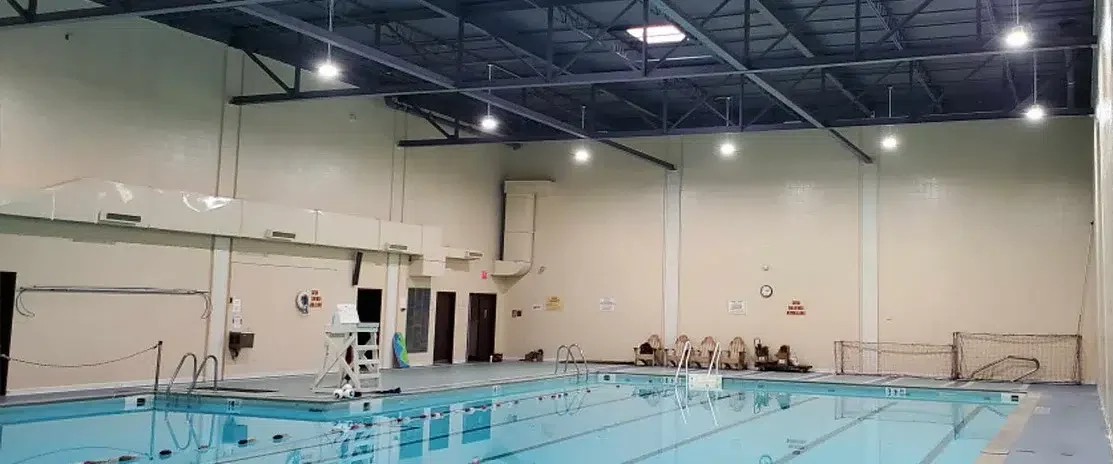
Lighting Plan We Created for the Customer
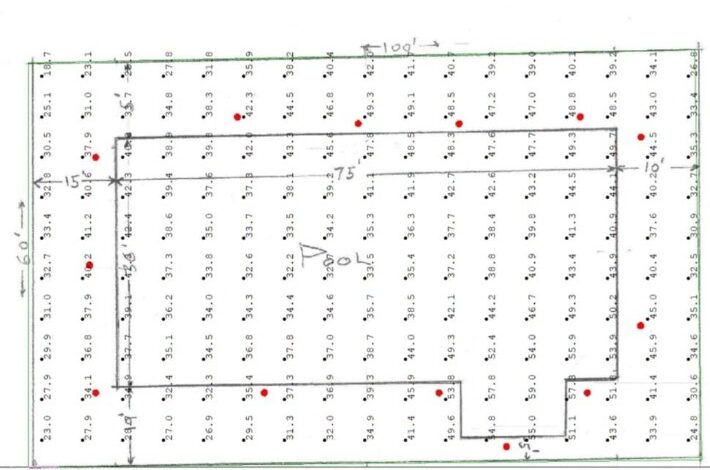
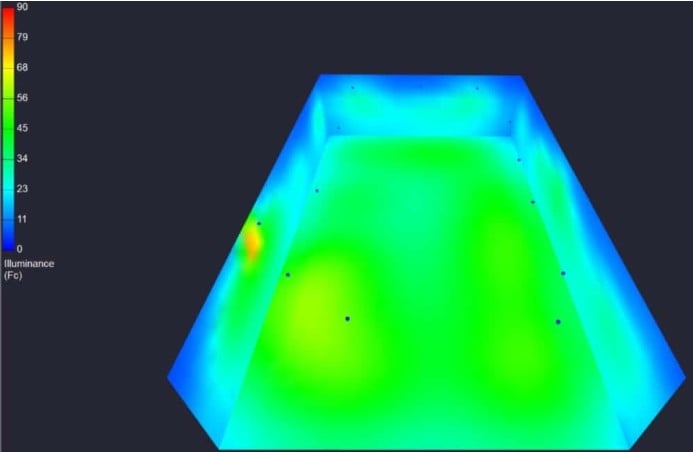
Lighting Plan Metrics:
- Foot Candles Achieved: 30 FC
- Uniformity (Min/Max FC): 3.15
- Mounting Height (feet): 16 ft
- Product(s) Used: LLS-X-HB9-240A-CC-[C]
Natatorium Lighting by Area
Indoor pool facilities often need multiple fixture types. Pool water, decks, bleachers, locker rooms, and equipment rooms do not all have the same corrosion exposure or lighting task.
| Area | Lighting Priorities |
|---|---|
| Recreational pools | Support general swimmer visibility, lifeguard monitoring, deck movement, glare control, and comfortable color temperature. |
| Competition and training pools | Review higher light levels, uniformity, glare, lane visibility, spectator viewing, officials, and corrosion-resistant construction. |
| Diving areas | Confirm visibility around platforms, water entry zones, vertical sightlines, glare, shadows, and coach or judge viewing angles. |
| Pool decks and walkways | Provide practical visibility around wet walking surfaces, ladders, seating, lifeguard stations, entries, and transitions. |
| Spectator seating | Use comfortable light for seating, stairs, circulation, and egress without producing distracting glare toward the pool. |
| Locker rooms and changing areas | Confirm damp or wet-location needs, IP rating, lens material, vandal exposure, controls, and cleaning practices. |
| Pool equipment and chemical rooms | Prioritize corrosion resistance, chemical exposure, task visibility, sealed construction, ventilation, and safe maintenance access. Fixtures designed for harsh environments may be considered when their specifications match the actual exposure. |
Before You Buy Natatorium Lighting
A successful natatorium project depends on documenting the application before selecting a fixture. These decisions help narrow the product options and avoid ordering a fixture based only on wattage, lumen output, or a general wet-location rating.
- Document the mounting environment: Identify whether each fixture is over the water, above the deck, near supply or return air, in a locker room, or in a chemical or equipment room.
- Request fixture-specific environmental documentation: Compare the selected model’s housing, finish, gasket, lens, hardware, wet-location rating, IP rating, and published suitability for the anticipated pool environment.
- Review a photometric layout before purchase: Use actual fixture IES data to evaluate illuminance, uniformity, aiming, shadows, and glare at the water surface, deck, seating, and other visual-task areas.
- Coordinate controls with facility operation: Determine whether the pool has scheduled programming, competition settings, cleaning periods, occupancy controls, or emergency-lighting requirements before selecting drivers and controls.
- Plan service access and mounting: Confirm mounting method, support details, fixture weight, access equipment, and the practical ability to service fixtures located over water or high ceilings.
- Separate chemical-room requirements from pool-area requirements: Chemical storage and equipment rooms can have more severe localized exposure and may require different fixture materials or ratings than the main natatorium.
- Verify approval requirements: Confirm required electrical safety listings, local code requirements, and any owner, utility, competition, or project-specification requirements for the exact fixture selected.
Natatorium Lighting Certifications, Rebates, and Warranty Support
Selected LED natatorium lights from LED Lighting Supply may carry a safety listing such as UL, ETL, or CSA, depending on product and application. Some models may be DLC or DLC Premium listed for utility rebate programs where applicable. DLC qualification is a performance program and is separate from an electrical safety certification. Rebate requirements vary by utility, region, and product listing, so confirm eligibility on the selected product specification before ordering.
Warranty terms vary by model. Many LED fixtures include a manufacturer warranty of up to 5 years, while other coverage periods and conditions may apply. Before purchase, confirm certifications, DLC status, corrosion exposure, fixture materials, wet-location rating, IP rating, voltage, controls compatibility, mounting method, operating temperature, chemical exposure, and whether the fixture is suitable for the pool environment.
Contact us about LED natatorium lighting, and our Product Specialists can help review pool type, ceiling height, corrosion exposure, fixture type, light level, glare control, voltage, controls, and published product specifications.
LED Natatorium Lighting FAQs
How Should I Choose LED Natatorium Lighting For An Indoor Pool?
Choose LED natatorium lighting by confirming pool use, corrosion resistance, glare control, foot-candle targets, mounting location, wet-location suitability, IP rating, controls, and maintenance access. The selected fixture should also be confirmed for the actual chlorinated, humid exposure rather than assumed suitable because it is rated for a general wet location.
Why Is Corrosion Resistance Important For Natatorium Fixtures?
Corrosion resistance is important because chlorinated air, chloramines, humidity, and condensation can attack fixture housings, hardware, lenses, fasteners, wiring entries, drivers, and finishes. Confirm the fixture is intended for corrosive aquatic environments and review its housing, hardware, sealing, gasket design, and chemical-exposure suitability.
Is A Wet-Location Fixture Automatically Suitable For A Natatorium?
No, a wet-location rating alone does not confirm natatorium suitability. Corrosion resistance and suitability for the indoor pool environment should also be confirmed for the selected model and actual mounting location.
How Can Natatorium Lighting Help Control Glare On Pool Water?
Glare control should be addressed through fixture placement, beam angle, shielding, aiming, ceiling reflectance, and lifeguard sightlines. Poor fixture placement or beam control can create water-surface reflections that make it harder for lifeguards, swimmers, and spectators to see clearly.
Can One Fixture Type Be Used Throughout A Pool Facility?
No, pool water, decks, spectator seating, locker rooms, equipment rooms, and chemical rooms can have different corrosion exposure and lighting tasks. Competition pools, decks, locker rooms, spectator seating, and support spaces often need different fixture ratings and distributions.
What Should Be Considered When Planning Maintenance Access?
Maintenance access should be considered before selecting and placing fixtures over water, spectator seating, or high ceilings. Access planning can reduce downtime and service complexity, while LED systems eliminate routine lamp and ballast replacement.
What Controls May Be Available For LED Natatorium Lighting?
Some LED natatorium lighting models may support dimming, schedules, occupancy sensors, or event scenes, depending on fixture and driver selection. Confirm controls compatibility and ensure controls do not reduce visibility below required levels during use.
What Should Be Confirmed Before Ordering LED Natatorium Lights?
Before ordering, confirm the selected product's specifications for corrosion exposure, fixture materials, wet-location rating, IP rating, voltage, controls compatibility, mounting method, operating temperature, chemical exposure, certifications, DLC status, and pool-environment suitability. Product specifications and warranty coverage vary by model.