LED Lighting for Renewable Fuel Facilities
- Class I Division 1 and Division 2 certified options available
- Group B rated fixtures available for hydrogen fuel areas
- Hazardous location classification review and fixture selection support


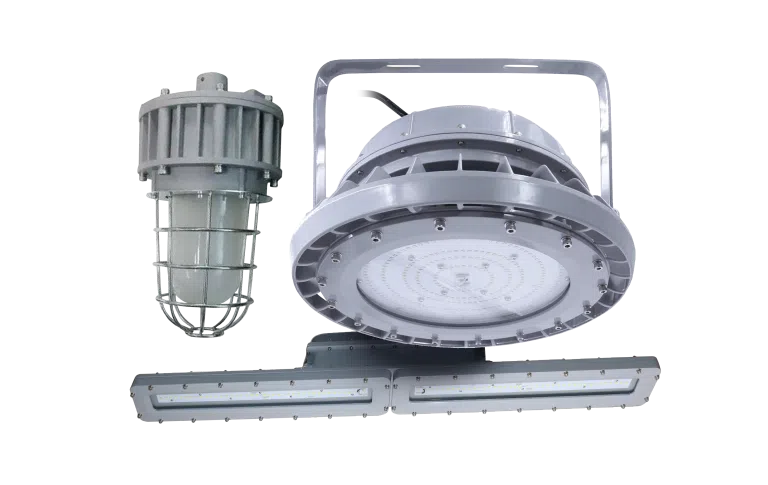
Our Renewable Fuel Facility Lighting includes explosion proof linear fixtures, flood lights, and high bay fixtures for classified industrial areas. Available products include Class I Division 1 and Division 2 configurations for indoor processing spaces, enclosed operating areas, and outdoor fuel infrastructure.
These fixtures are commonly used in sustainable aviation fuel facilities, renewable diesel plants, hydrogen production and storage areas, ethanol production facilities, biodiesel processing operations, tank farms, truck loading racks, rail transfer stations, and fuel storage systems.


Why Renewable Fuel Facilities Require Hazardous Location Lighting
Renewable fuel production facilities process flammable liquids, alcohols, hydrocarbons, solvents, combustible vapors, and hydrogen fuel systems that may create hazardous operating environments. Electrical equipment installed in these facilities must be properly selected to reduce ignition risks and comply with National Electrical Code (NEC) hazardous location requirements. Explosion proof lighting fixtures used in renewable fuel facilities are engineered to contain internal ignitions and prevent ignition of the surrounding hazardous atmosphere. Start by verifying the hazardous location classification and fuel or vapor group, then select fixture type, mounting approach, and environmental protection based on the process area, facility layout, ventilation systems, and operating conditions.
Common Renewable Fuel Facility Applications
| Sustainable Aviation Fuel (SAF) Facilities | SAF production plants commonly require Class I hazardous location lighting in fuel processing, blending, storage, and transfer areas. |
| Renewable Diesel Plants | Hydroprocessing systems, fuel handling equipment, and processing infrastructure may require Class I Division 1 or Division 2 fixtures depending on facility classifications. |
| Hydrogen Fuel Production and Storage | Hydrogen fuel facilities may require Class I hazardous location lighting in production, compression, storage, transfer, and dispensing areas where hydrogen gas can create ignitable atmospheres. |
| Ethanol Production Facilities | Alcohol vapors generated during ethanol production and storage frequently require hazardous location lighting systems. |
| Biodiesel Processing Facilities | Fuel blending systems, storage tanks, and processing equipment often require explosion proof lighting in classified operating areas. |
| Fuel Loading and Transfer Areas | Truck loading racks, transfer stations, rail loading systems, and outdoor fuel handling areas commonly use hazardous location flood lighting. |
Typical Hazardous Location Classifications in Renewable Fuel Facilities
| Class I Division 1 | Used in areas where flammable vapors may be present during normal operating conditions, including enclosed process systems and certain transfer operations. |
| Class I Division 2 | Used where hazardous vapors are only expected during abnormal operating conditions or equipment failure. |
| Group B | Hydrogen fuel environments may require Group B rated fixtures because hydrogen gas has a low ignition energy and requires properly certified equipment for classified areas. |
| Group C and Group D | Many renewable fuel environments involve ethanol, hydrocarbons, and fuel vapors associated with Group C and Group D hazardous gas classifications. |
Important: Final hazardous location classifications should always be determined by qualified engineers, facility safety personnel, and local code authorities.
Recommended Lighting Fixtures for Renewable Fuel Facilities
After verifying the hazardous location classification and required group rating, select linear fixtures for enclosed process and access areas, flood lights for outdoor infrastructure and transfer areas, or high bays for large indoor spaces with higher mounting heights.
Explosion Proof Linear Fixtures
Explosion proof linear fixtures are commonly used throughout renewable fuel production environments because they provide efficient wide-area illumination for industrial process facilities and enclosed operating areas.
- Fuel processing areas
- Blending systems
- Hydrogen fuel production and compression areas
- Processing corridors
- Equipment access areas
- Maintenance walkways
Explosion Proof Flood Lights
Explosion proof flood lights are widely used in outdoor renewable fuel infrastructure where large-area illumination and environmental durability are required.
- Tank farms
- Truck loading areas
- Rail transfer stations
- Hydrogen fuel storage and dispensing areas
- Outdoor process equipment
- Fuel storage systems
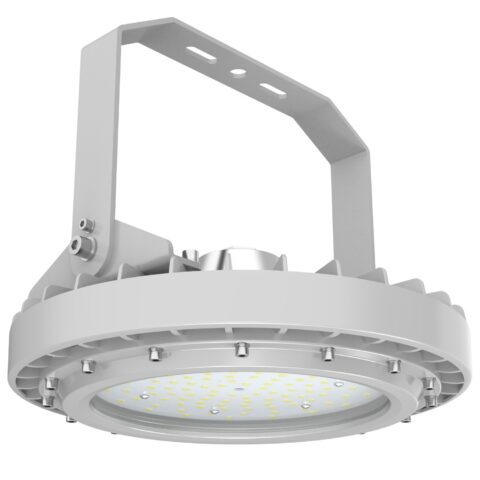
Explosion Proof High Bay Fixtures
Explosion proof high bays are used in larger renewable fuel processing buildings, industrial maintenance areas, and enclosed production facilities with higher mounting heights.
- Processing buildings
- Industrial equipment halls
- Maintenance facilities
- Large indoor operating spaces
Key Fixture Features for Renewable Fuel Facilities
- Class I Division 1 and Division 2 certifications
- Group B rated options for hydrogen fuel applications where required
- Corrosion-resistant fixture construction
- Long operating lifespan
- Low maintenance LED operation
- Instant-on performance
- Weather-resistant IP-rated housings
- High vibration resistance
- Energy-efficient industrial lighting performance
How We Help Specify Renewable Fuel Facility Lighting
Renewable fuel facilities require lighting systems that support hazardous location compliance, operational safety, and long-term reliability in demanding industrial environments.
- Hazardous location classification review
- Fixture layout and spacing recommendations
- Indoor and outdoor lighting selection
- Environmental operating condition evaluation
- Mounting and installation planning
- Industrial and hazardous location fixture recommendations
Our team helps facilities identify appropriate lighting solutions based on process conditions, hazardous classifications, facility layout, and operating requirements.
Common Mistakes and How to Avoid Them
Renewable fuel facility lighting projects can experience safety, maintenance, and compliance issues when hazardous operating environments and process conditions are not fully evaluated during fixture selection.
- Using standard industrial fixtures in classified fuel processing or transfer areas without verifying hazardous location requirements. Renewable diesel, ethanol, biodiesel, and fuel blending operations may require Class I Division 1 or Division 2 lighting depending on facility classifications.
- Selecting fixtures without considering elevated ambient temperatures near processing equipment, boilers, or fuel handling systems. High heat can significantly reduce fixture lifespan if operating temperature ratings are exceeded. High-temperature explosion-proof LED lights may be appropriate where both the classified location and ambient-temperature requirements are verified.
- Failing to verify corrosion resistance in outdoor fuel storage and transfer environments. Chemical exposure, moisture, and weather conditions can damage improperly protected fixtures over time.
- Using wide beam angles in loading racks or outdoor transfer systems without controlling glare and spill light. Proper optics improve visibility while reducing wasted light and adjacent area glare.
- Overlooking maintenance access challenges in large processing facilities. Long-life LED fixtures help reduce service interruptions and maintenance requirements in difficult industrial operating environments.
Renewable Fuel Facility Lighting Certifications and Warranty Support
LED lighting solutions for renewable fuel facilities carry safety listings such as UL, ETL, or CSA, depending on the product. Many models are DLC or DLC Premium listed for utility rebate support where applicable. Rebate requirements vary by utility, region, and product listing, so confirm eligibility on the selected product specification before ordering.
Most LED lighting fixtures include a 5-year warranty unless otherwise specified, with USA-based warranty support. Before purchase, review the selected product specification to confirm hazardous location certifications, DLC status, voltage, controls compatibility, mounting method, environmental ratings, and whether the fixture is right for the facility layout and operating conditions.
LED Lighting for Renewable Fuel Facilities FAQs
How Should Renewable Fuel Facility Lighting Be Selected?
Renewable fuel facility lighting should be selected based on hazardous location classification, fuel type, process environment, ventilation systems, operating conditions, facility layout, and operating requirements. Selected product specifications should also be reviewed for hazardous location certifications, voltage, controls compatibility, mounting method, and environmental ratings.
What Is The Difference Between Class I Division 1 And Class I Division 2 Lighting?
Class I Division 1 lighting is used where flammable vapors may be present during normal operating conditions, while Class I Division 2 lighting is used where hazardous vapors are expected only during abnormal operating conditions or equipment failure. Final hazardous location classifications should be determined by qualified engineers, facility safety personnel, and local code authorities.
When May Group B Rated Fixtures Be Required?
Group B rated fixtures may be required in hydrogen fuel environments because hydrogen gas has low ignition energy and requires properly certified equipment for classified areas. Hydrogen fuel production, compression, storage, transfer, and dispensing areas may require Class I hazardous location lighting where hydrogen gas can create ignitable atmospheres.
Which Explosion Proof Fixture Type Fits Indoor And Outdoor Renewable Fuel Areas?
Explosion proof linear fixtures are commonly used for industrial process facilities and enclosed operating areas, while explosion proof flood lights are widely used for outdoor renewable fuel infrastructure requiring large-area illumination and environmental durability. Explosion proof high bays are used in larger processing buildings, maintenance areas, and enclosed production facilities with higher mounting heights.
What Should Be Evaluated For Outdoor Fuel Storage And Transfer Lighting?
Outdoor fuel storage and transfer lighting should be evaluated for corrosion resistance, weather conditions, hazardous location requirements, and glare and spill light control. Chemical exposure, moisture, and weather conditions can damage improperly protected fixtures over time, and proper optics improve visibility while reducing wasted light and adjacent area glare.
How Can Elevated Temperatures Affect Fixture Selection?
Elevated ambient temperatures near processing equipment, boilers, or fuel handling systems should be considered because high heat can significantly reduce fixture lifespan if operating temperature ratings are exceeded. High-temperature explosion-proof LED lights may be appropriate where both classified-location and ambient-temperature requirements are verified.
Can Renewable Fuel Facilities Receive Utility Rebates For LED Lighting?
Many models are DLC or DLC Premium listed for utility rebate support where applicable. Rebate requirements vary by utility, region, and product listing, so eligibility should be confirmed on the selected product specification before ordering.
What Warranty Support Is Available For Renewable Fuel Facility LED Lighting?
Most LED lighting fixtures include a 5-year warranty unless otherwise specified, with USA-based warranty support. Warranty coverage should be confirmed on the selected product specification before purchase.