


LED Lighting for Metal Foundries
- High-temperature and remote-driver fixture options available
- Sealed housings help protect against dust and contaminants
- Application support for heat, vibration, and mounting conditions


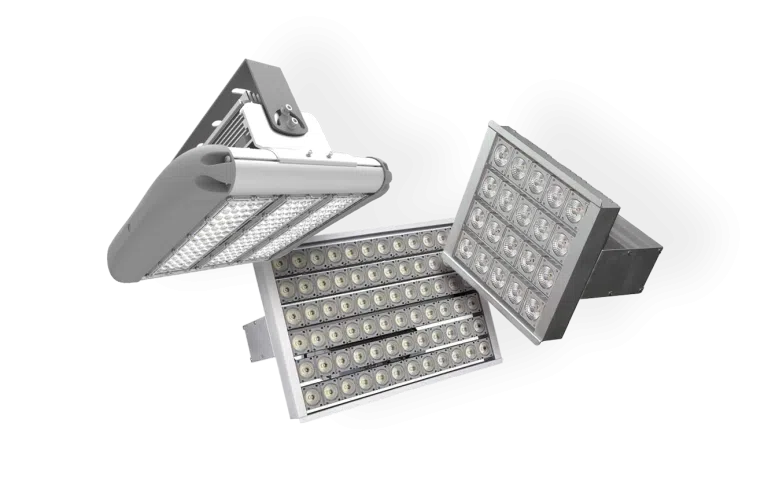

Our LED Foundry Lighting includes high-temperature LED high bays, remote driver fixtures, industrial vapor tight fixtures, and heavy-duty linear fixtures for foundry production areas. Available models vary by ambient temperature rating, voltage, controls, mounting hardware, lens material, and remote driver configuration.
These fixtures are used in metal casting areas, furnace operations, mold processing areas, grinding and finishing stations, inspection and quality areas, maintenance corridors, and utility rooms.




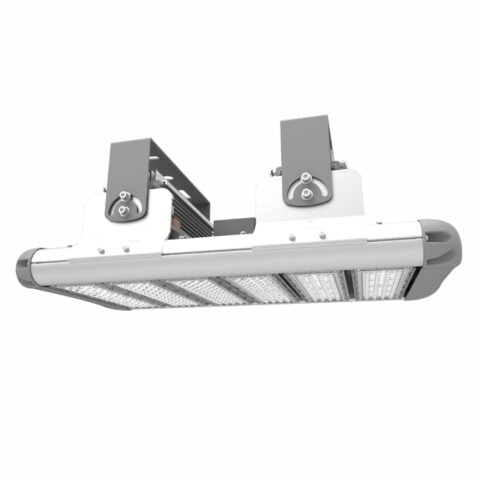
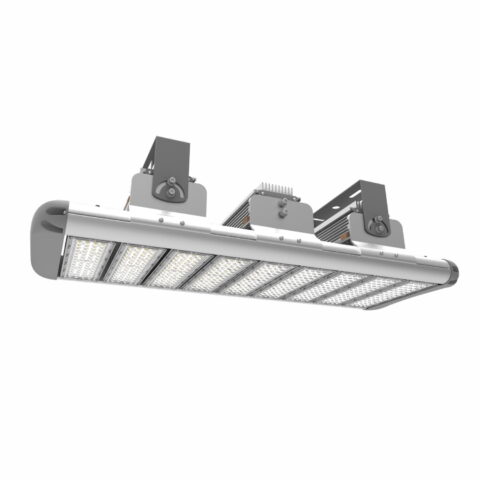
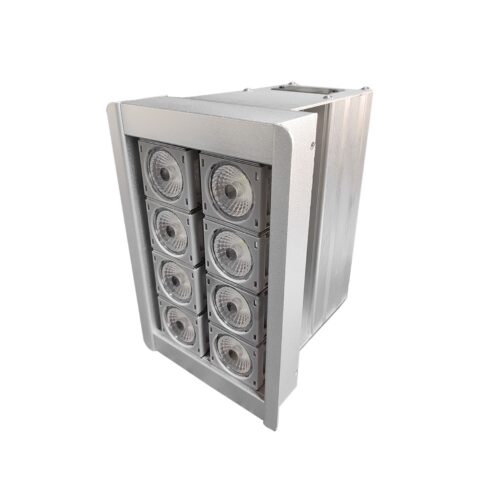
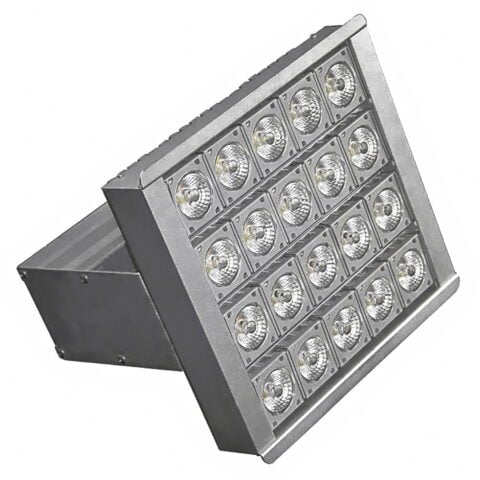
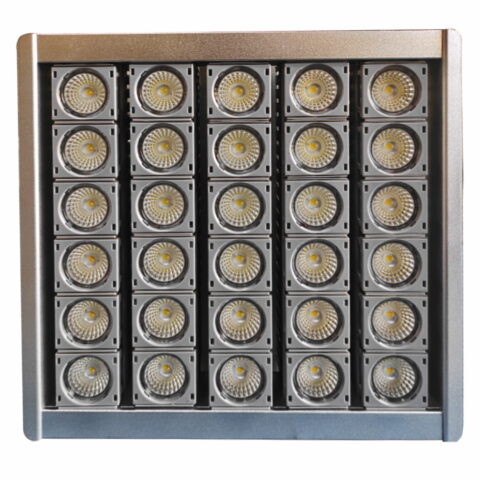
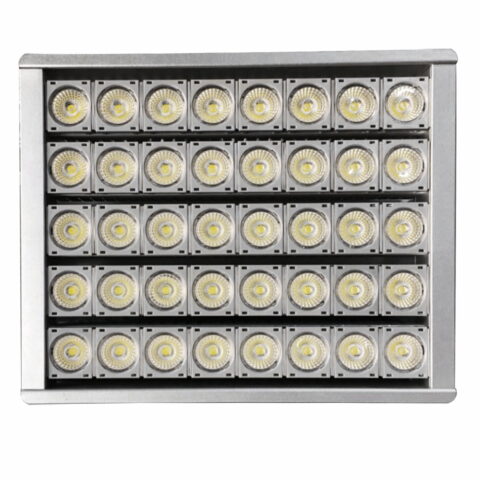
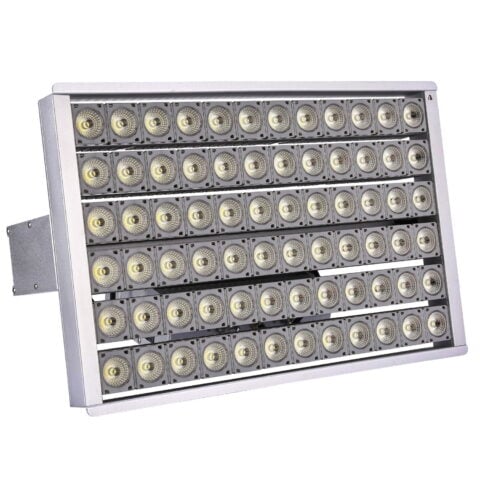
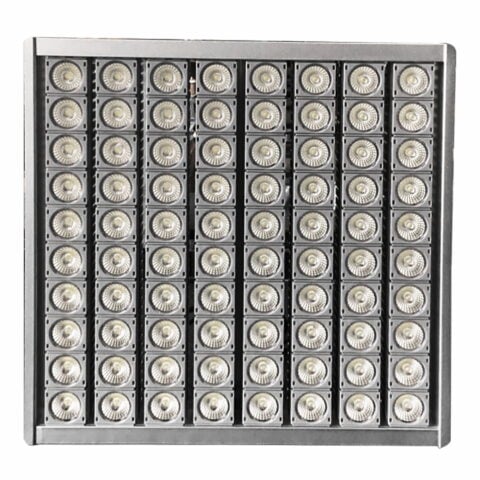
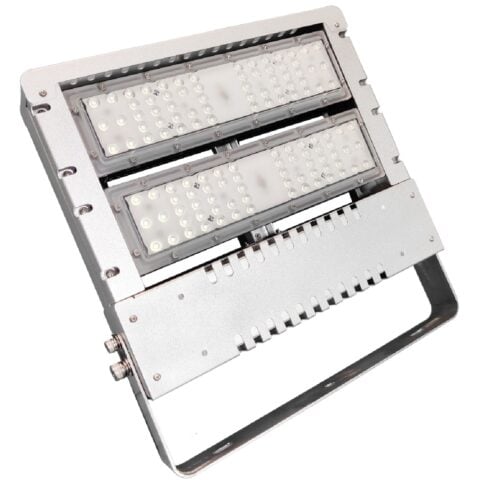
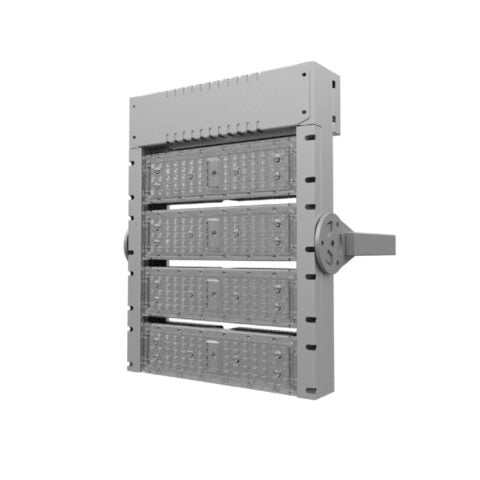
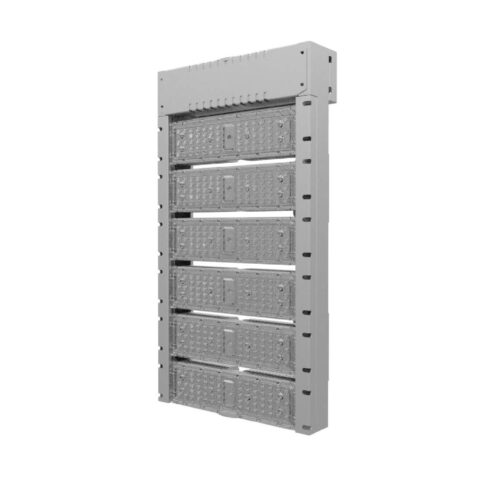
LED Foundry Lighting for High-Heat Industrial Environments
Foundries create difficult conditions for industrial lighting. Molten metal, furnace heat, radiant heat, airborne dust, smoke, vibration, and continuous production can shorten the life of standard commercial fixtures. LED foundry lighting should be selected for the operating environment first, not just by wattage or lumen output.
Start with the production area and its heat, dust, vibration, and task requirements. Confirm ambient temperature and radiant heat exposure, then consider mounting height, maintenance access, and fixture type for casting, furnace operation, mold processing, grinding, finishing, inspection, or support work. These conditions help determine whether high-temperature, remote-driver, sealed, or heavy-duty fixtures are appropriate.
Selection and Installation Note: Product specifications, wattage, lumen output, ambient temperature rating, remote driver options, IP rating, impact rating, voltage, mounting hardware, lens material, certifications, and warranty coverage vary by model. Confirm the selected product specification before ordering. For foundries, furnace areas, molten metal operations, high-temperature spaces, electrical upgrades, or safety-critical industrial environments, verify requirements with your local inspector, facility safety team, or a licensed electrical professional.
Where Foundry Lighting Is Used
Foundry lighting should be matched to the heat, dust, and task requirements of each production area. A fixture that works in a maintenance corridor may not be appropriate near furnaces, casting lines, or grinding stations.
| Foundry Area | Lighting Selection Guidance |
|---|---|
| Metal casting areas | Use high-temperature industrial fixtures rated for the actual ambient temperature and installation conditions while supporting visibility around pouring, casting, and production activity. |
| Furnace operations | Review ambient temperature, radiant heat, mounting distance from heat sources, and whether remote drivers are needed. |
| Mold processing areas | Select durable industrial fixtures that provide consistent illumination for mold preparation, handling, and production flow. |
| Grinding and finishing areas | Review airborne dust, vibration, impact risk, visibility needs, fixture protection, and any documented hazardous-location classification. |
| Inspection and quality areas | Confirm illuminance at the work surface, glare control, color-rendering performance, and placement so workers can see surface conditions and defects. |
| Maintenance and utility areas | Vapor tight or sealed industrial fixtures may be appropriate where exposure to dust, moisture, vibration, or equipment access is a concern. |
Recommended Fixture Types for Foundries
Foundries often need a mix of high-temperature, sealed, and heavy-duty industrial fixtures. The correct fixture depends on the heat source, ceiling height, mounting location, exposure level, and fixture-specific photometric distribution.
| Fixture Type | Best Used When |
|---|---|
| High temperature LED high bays | Used in casting areas, furnace-adjacent production spaces, and high-ceiling foundry environments where the selected fixture's ambient-temperature rating matches site conditions. |
| Remote driver fixtures | Used where heat near the fixture could reduce driver life. The driver can be mounted away from the hottest area when the selected model supports that configuration. |
| Industrial vapor tight fixtures | Used in support spaces, maintenance corridors, utility rooms, and areas exposed to dust, moisture, or contaminants, when the fixture's environmental ratings suit the exposure. |
| Heavy-duty linear fixtures | Used where lower mounting heights, work aisles, maintenance areas, or production lines need more even linear illumination. |
What to Confirm Before Choosing Foundry Lights
Foundry lighting should be specified around environmental stress. Heat is only one part of the decision. Dust, smoke, vibration, maintenance access, and fixture location can all affect long-term performance.
- Ambient temperature: Confirm the maximum operating temperature around the fixture, not just the general room temperature.
- Radiant heat: Fixtures near furnaces, ladles, casting lines, or molten metal may need higher temperature ratings or remote drivers.
- Dust and smoke exposure: Sealed or industrial-rated housings can help reduce fixture contamination and light loss. IP ratings address solid-particle and water-ingress protection; they do not by themselves establish chemical resistance, corrosion resistance, or hazardous-location suitability.
- Vibration and impact: Production equipment, cranes, and heavy industrial activity may require more durable housings and mounting hardware.
- Mounting height and light levels: High ceilings may require high-output fixtures, while lower areas may perform better with linear or vapor tight fixtures. Use fixture-specific photometric data to confirm delivered light levels and distribution at the work area.
- Maintenance access: Fixtures in difficult-to-reach or controlled production areas should be selected for long service life and easier maintenance planning.
- Voltage: Confirm site voltage and driver compatibility before ordering.
- Controls: Confirm dimming, switching, occupancy sensors, or control compatibility where needed.
High Temperature and Remote Driver Considerations
Foundry heat can reduce the life of drivers and electronic components if fixtures are not selected correctly. Ambient temperature ratings should be reviewed carefully, especially for fixtures installed near furnaces, casting lines, ovens, or other heat sources.
Remote driver fixtures may help in higher-heat areas by moving sensitive electronics away from the hottest part of the installation. This can be useful where the fixture body must be mounted in a hot production zone but the driver can be located in a cooler, more accessible area. Confirm remote driver availability, wiring requirements, maximum lead lengths, mounting limitations, and warranty conditions on the selected product specification.
Dust, Vibration, and Fixture Durability
Foundries can expose fixtures to airborne particulates, smoke, metal dust, vibration, and heavy industrial activity. Standard fixtures may collect dust, experience reduced light output, or have shorter service life in these conditions.
For dusty or vibration-heavy spaces, review harsh-environment lighting housing construction, lens material, sealing, mounting hardware, IP rating, impact rating, and cleaning access. In finishing and grinding areas, fixture placement should also account for equipment movement, worker visibility, and airborne debris.
Some dusts may create a classified hazardous location. A foundry or grinding operation should not be treated as hazardous solely because of its industry type or the presence of dust. Where the facility has a documented Class II, Division classification or an applicable combustible-dust Zone classification, the fixture certification, dust group, maximum surface temperature marking, ambient rating, and installation method must match that classification. Vapor-tight, waterproof, or IP-rated fixtures are not automatically approved for hazardous locations.
Certifications, Rebates, and Warranty Support
Selected LED foundry-lighting models may carry safety certifications or listings from recognized testing organizations such as UL, ETL, or CSA, depending on the product. Selected models may also be DLC or DLC Premium listed, which can support utility rebate eligibility where available. DLC qualification is a performance and efficiency program, not an electrical safety certification. Rebate requirements vary by utility, region, project, and current product listing, so confirm eligibility before ordering.
Warranty coverage varies by fixture and manufacturer. Before purchase, confirm the selected product's certifications, DLC status, high-temperature suitability, remote driver requirements, voltage, controls compatibility, mounting method, environmental exposure, and warranty terms.
Planning a Foundry Lighting Upgrade
A successful foundry lighting project starts with area-by-area information rather than a single fixture choice for the entire facility. Documenting operating conditions before selecting equipment can help identify suitable products and reduce installation or maintenance surprises.
- Separate the facility by application: Identify furnace-adjacent areas, casting lines, grinding stations, inspection points, aisles, maintenance spaces, and utility rooms.
- Record actual installation conditions: Note mounting height, fixture location, maximum ambient temperature, radiant heat sources, available voltage, equipment vibration, access constraints, and cleaning practices.
- Identify visibility requirements: Determine the work surfaces and tasks that need light, including inspection activities where glare control and color rendering may matter.
- Review classifications and site requirements: Provide any documented hazardous-location classification, electrical requirements, plant standards, or utility rebate requirements before product selection.
- Use photometric information: Review fixture-specific IES files and lighting plans to evaluate light levels, uniformity, and fixture placement rather than relying on wattage or fixture-count rules alone.
- Plan installation and service access: Confirm mounting hardware, wiring routes, remote-driver placement where applicable, lift access, and how fixtures will be cleaned or serviced during production.
Contact us about foundry lighting, and our Product Specialists can help review application information, fixture specifications, ambient temperature, radiant heat, mounting height, dust exposure, voltage, photometric options, and available product configurations.
LED Lighting for Metal Foundries FAQs
How Should I Choose LED Lighting For Different Foundry Areas?
Choose LED foundry lighting area by area based on heat, dust, vibration, task requirements, mounting location, and maintenance access. A fixture suitable for a maintenance corridor may not be appropriate near furnaces, casting lines, or grinding stations.
What Should Be Confirmed For Lighting Near Furnaces Or Molten Metal Operations?
Confirm the actual ambient temperature, radiant heat exposure, mounting distance from heat sources, fixture ambient-temperature rating, and whether a remote-driver configuration is needed. Fixtures near furnaces, ladles, casting lines, or molten metal may need higher temperature ratings or remote drivers.
When Can A Remote Driver Fixture Be Useful In A Foundry?
Remote driver fixtures may be useful where heat near the fixture could reduce driver life and the driver can be located in a cooler, more accessible area. Confirm remote driver availability, wiring requirements, maximum lead lengths, mounting limitations, and warranty conditions for the selected product.
How Should Dust, Smoke, Vibration, And Impact Affect Fixture Selection?
Review housing construction, lens material, sealing, mounting hardware, IP rating, impact rating, and cleaning access for dusty or vibration-heavy foundry spaces. Sealed or industrial-rated housings can help reduce fixture contamination and light loss, while heavy industrial activity may require more durable housings and mounting hardware.
Can Vapor-Tight Or IP-Rated Fixtures Be Used In Hazardous Locations?
Vapor-tight, waterproof, or IP-rated fixtures are not automatically approved for hazardous locations. Where a facility has a documented Class II, Division or Zone classification, the fixture certification, group, temperature rating, ambient rating, and installation method must match that classification.
How Should A Foundry Lighting Project Be Planned?
Plan a foundry lighting project by documenting conditions area by area, including mounting height, fixture location, maximum ambient temperature, radiant heat, voltage, vibration, access constraints, cleaning practices, and visibility requirements. Review fixture-specific IES files and lighting plans to evaluate light levels, uniformity, and fixture placement rather than relying on wattage or fixture-count rules alone.
What Should Be Verified Before Ordering LED Foundry Lights?
Verify the selected product's specifications for wattage, lumen output, ambient temperature rating, voltage, mounting hardware, environmental exposure, controls compatibility, certifications, and warranty coverage before ordering. Product specifications and available options vary by model.
Can DLC Listing Support A Foundry Lighting Rebate?
Selected LED foundry-lighting models may be DLC or DLC Premium listed, which can support utility rebate eligibility where available. Rebate requirements vary by utility, region, project, and current product listing, so confirm eligibility before ordering.
