


LED Brewery Lighting
- Fixture options for production, wash-down, and taproom areas
- NSF-rated and vapor tight models available for wet zones
- Application support for ceiling height, moisture, and controls


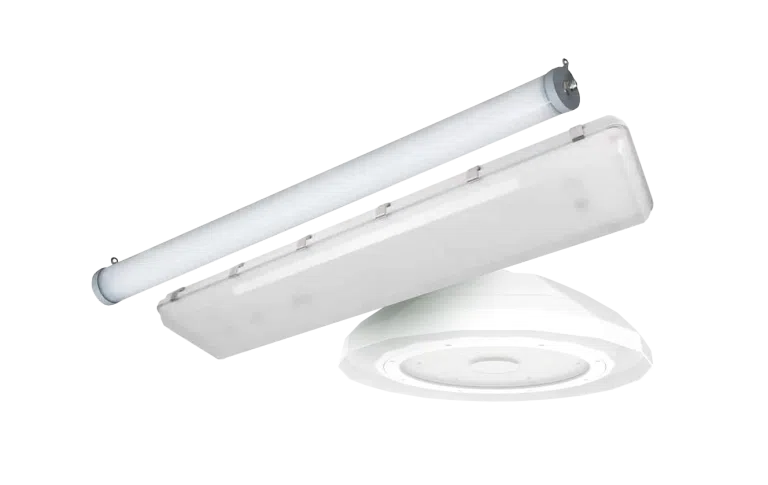

Our LED Lighting for Breweries includes high bays, vapor tight fixtures, linear lights, panels, task lights, architectural fixtures, and wall packs for production and customer-facing areas. Available models vary by wattage, lumen output, voltage, color temperature, dimming, controls, housing, and mounting configuration. Fixture options include sealed wash-down styles, linear configurations, and decorative taproom lighting.
These products are commonly used in brewing halls, fermentation rooms, packaging lines, canning and bottling areas, wash-down zones, storage rooms, cellars, keg areas, quality control stations, taprooms, bars, walkways, loading areas, and service entrances.


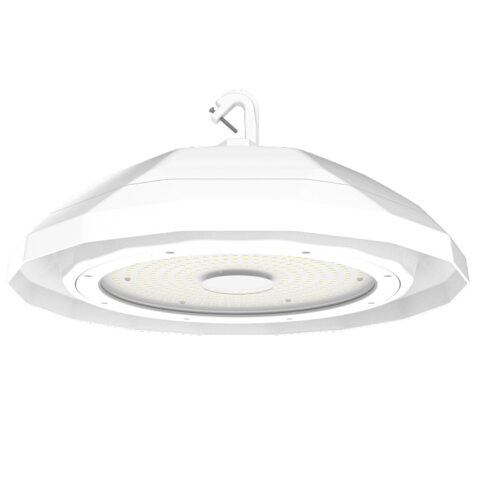
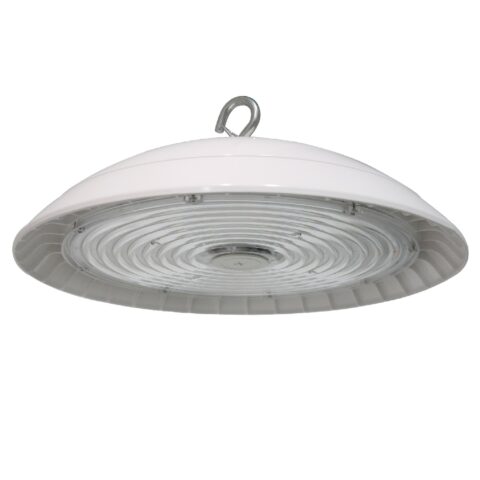
LED Brewery Lighting for Production, Wash-Down, Packaging, and Taproom Areas
Choose LED brewery lighting by zone first: brewing and fermentation, packaging and inspection, wash-down and cleaning, storage and walkways, and taprooms. Then match the fixture to ceiling height, moisture exposure, cleaning process, product inspection needs, fixture cleanability, color temperature, controls, and whether the space is used for production, storage, service, or customer experience. Each zone may require a different fixture type and light level.
Selection and Installation Note: Product specifications, wattage, lumen output, beam angle, color temperature, voltage, dimming, controls, wet-location rating, IP rating, NSF rating, fixture housing, certifications, and warranty coverage vary by model. Confirm the selected product specification before ordering. For breweries, food and beverage production areas, wash-down spaces, wet locations, packaging lines, electrical upgrades, code-sensitive applications, or safety-critical spaces, verify requirements with your local inspector, facility team, project specifier, or a licensed electrical professional.
Lighting Different Brewery Areas
A brewery usually needs more than one type of LED fixture. Production and packaging areas may need brighter, cleaner, more uniform light. Wash-down areas need sealed fixtures that can handle moisture and cleaning. Taprooms need a warmer, more comfortable appearance for guests.
| Brewery Area | Fixture Selection Guidance |
|---|---|
| Brewing and fermentation areas | LED high bays, NSF high bays, or vapor tight fixtures may be used depending on ceiling height, tank layout, and moisture exposure. |
| Packaging, canning, and bottling areas | Higher light levels may be needed for label checks, fill lines, caps, seams, and product inspection. |
| Wash-down and cleaning zones | Sealed vapor tight, wash-down, or NSF-rated fixtures may be needed where water, spray, or cleaning activity is present. |
| Storage, cellar, and keg areas | Lower-output vapor tight, linear, or low bay fixtures may support safe movement and product handling. |
| Quality control and inspection areas | Consistent light, appropriate color temperature, and good color rendering can help with visual checks and product evaluation. |
| Taprooms and bar areas | Warmer architectural, recessed, or pendant-style lighting can support the customer experience while keeping service areas functional. |
| Walkways and general circulation | Fixtures should support safe movement between production, storage, service, and customer-facing areas. |
Recommended Foot-Candles for Brewery Lighting
Brewery light levels vary by zone. Packaging and inspection areas usually need more light than storage or general walkways. Taprooms may need a warmer, more comfortable lighting approach than production spaces. Use these ranges as a planning starting point, then confirm the fixture type, mounting height, moisture exposure, and cleanability requirements for each area.
Best LED Fixtures for Breweries
Fixture choice should start with the room conditions. A dry storage area does not need the same fixture as a wash-down zone. A taproom does not need the same color temperature or fixture appearance as a production floor.
| Fixture Type | Best Used For |
|---|---|
| LED high bays | Brewing halls, fermentation rooms, and production areas with higher ceilings. |
| NSF-rated LED fixtures | Food and beverage production areas where cleanability and sanitary design may be required. |
| LED vapor tight fixtures | Wash-down zones, damp areas, cooler spaces, and locations exposed to moisture or cleaning activity. |
| LED linear lights | Storage, cellar, back-of-house, and support areas where rows of light are useful. |
| LED panels or task lights | Quality control stations, offices, inspection areas, and work surfaces. |
| Architectural or decorative fixtures | Taprooms, bars, hospitality areas, and customer-facing spaces. |
| LED wall packs | Exterior doors, loading areas, service entrances, and back-of-building security-adjacent lighting. |
Wash-Down, Moisture, and Cleanability
Moisture exposure is one of the most important selection factors in brewery lighting. Brewing, cleaning, and packaging areas may expose fixtures to humidity, spray, condensation, cleaning agents, and temperature changes.
For wash-down or food and beverage production areas, confirm whether the selected fixture needs an NSF rating, wet-location rating, IP rating, sealed housing, smooth cleanable surfaces, or specific lens and housing materials. Do not assume a standard high bay is suitable for every production area.
Color Temperature for Brewery Production and Taprooms
Production areas often use 4000K or 5000K lighting for clear visibility. Quality control and inspection areas may benefit from neutral or cooler color temperatures with good color rendering so staff can evaluate labels, fill levels, cleanliness, and product appearance.
Taprooms and customer areas often use warmer 3000K lighting to create a more comfortable atmosphere. Keeping production and taproom lighting separate by zone helps support both work visibility and customer experience.
Packaging, Labeling, and Quality Control
Packaging areas may need higher light levels than general production areas. Staff may need to inspect labels, cans, bottles, caps, seams, fill levels, dates, and product presentation. Poor lighting can make these tasks harder and may increase the chance of missed issues.
For quality control or inspection stations, review color rendering, glare, fixture placement, and whether additional task lighting is needed. The best lighting for a production aisle may not be enough for detailed product inspection.
Controls for Brewery Lighting
Controls can help reduce energy use and make different brewery zones easier to operate. Production areas, storage areas, loading areas, taprooms, and offices may all benefit from different switching or sensor strategies.
Before ordering fixtures, confirm voltage, dimming type, sensor compatibility, control wiring, wet-location suitability, and how each area will be operated. Not every fixture supports every control package, and wet or wash-down areas may limit certain sensor or control options.
Certifications, Rebates, and Warranty Support
LED brewery lighting fixtures from LED Lighting Supply carry a safety listing such as UL, ETL, or CSA, depending on product. Many models are DLC or DLC Premium listed for utility rebate support where available. Rebate requirements vary by utility, region, and product listing, so confirm eligibility on the selected product specification before ordering.
Most LED brewery lighting fixtures include a 5-year warranty unless otherwise specified, with USA-based warranty support. Before purchase, confirm certifications, DLC status, voltage, controls compatibility, wash-down suitability, NSF rating, wet-location rating, mounting method, environmental exposure, and whether the fixture is right for the brewery layout and conditions.
Common Brewery Lighting Mistakes
- Using standard fixtures in wash-down areas: Wet, damp, or cleaning-heavy zones may require vapor tight, wet-location, IP-rated, or NSF-rated fixtures.
- Lighting the taproom like the production floor: Customer areas usually need warmer, more comfortable lighting than brewing or packaging spaces.
- Ignoring packaging and inspection tasks: Labels, fill levels, caps, seams, and product checks may require higher light levels or task lighting.
- Assuming every fixture is food-safe: NSF ratings and sanitary design features vary by model and should be confirmed before ordering.
- Overlooking glare near tanks and workstations: Reflective equipment and bright fixtures can create visual discomfort during long shifts.
- Not separating controls by zone: Production, storage, taproom, exterior doors, and offices may need different control strategies.
- Choosing color temperature without considering the task: Production, QC, storage, and customer spaces may each need a different lighting appearance.
- Forgetting maintenance access: Fixtures above tanks, packaging equipment, or storage areas should be selected and placed with service access in mind.
Contact us about LED brewery lighting, and our Product Specialists can help review production areas, packaging lines, wash-down zones, storage areas, taprooms, ceiling height, fixture type, IP rating, NSF needs, color temperature, controls, and product specifications.
LED Brewery Lighting FAQs
How Should I Choose Lighting For Different Brewery Areas?
Choose brewery lighting by zone, including the area's ceiling height, moisture exposure, cleaning process, product inspection needs, fixture cleanability, color temperature, controls, and whether it is used for production, storage, service, or customer experience. A brewery usually needs more than one fixture type because production, wash-down, storage, and taproom areas have different requirements.
What Should I Consider For Wash-Down And Moisture-Exposed Brewery Areas?
For wash-down and food and beverage production areas, confirm whether the selected fixture needs an NSF rating, wet-location rating, IP rating, sealed housing, smooth cleanable surfaces, or specific lens and housing materials. Brewing, cleaning, and packaging areas may expose fixtures to humidity, spray, condensation, cleaning agents, and temperature changes.
Which Color Temperatures Are Used In Brewery Production And Taproom Areas?
Production areas often use 4000K or 5000K lighting for clear visibility, while taprooms and customer areas often use warmer 3000K lighting for a more comfortable atmosphere. Quality control and inspection areas may benefit from neutral or cooler color temperatures with good color rendering.
How Should I Plan Lighting For Packaging And Product Inspection?
Packaging areas may need higher light levels than general production areas because staff may inspect labels, cans, bottles, caps, seams, fill levels, dates, and product presentation. For quality control or inspection stations, review color rendering, glare, fixture placement, and whether additional task lighting is needed.
Can Brewery Lighting Controls Be Different By Area?
Production areas, storage areas, loading areas, taprooms, and offices may benefit from different switching or sensor strategies. Before ordering, confirm voltage, dimming type, sensor compatibility, control wiring, wet-location suitability, and how each area will be operated, because not every fixture supports every control package.
What Should I Confirm Before Ordering LED Brewery Lighting?
Confirm the selected product specification, including certifications, DLC status, voltage, controls compatibility, wash-down suitability, NSF rating, wet-location rating, mounting method, environmental exposure, and suitability for the brewery layout and conditions. Product specifications, ratings, controls, and warranty coverage vary by model.
Are LED Brewery Lighting Fixtures Eligible For Utility Rebates?
Many LED brewery lighting models are DLC or DLC Premium listed for utility rebate support where available. Rebate requirements vary by utility, region, and product listing, so confirm eligibility on the selected product specification before ordering.
What Warranty Is Available For LED Brewery Lighting Fixtures?
Most LED brewery lighting fixtures include a 5-year warranty unless otherwise specified, with USA-based warranty support. Confirm warranty coverage for the selected product before purchase.
