BUG Ratings vs. ULR: A Practical Guide to Outdoor LED Lighting
Two outdoor LED lights can produce similar amounts of light yet perform very differently at a property line, along a roadway, or outside a building. BUG ratings and ULR help explain where the light travels – but neither replaces a lighting plan for the actual installation. When selecting commercial outdoor fixtures, it is easy to concentrate on watts, lumens, and color temperature. Light distribution matters just as much.
The right optics can illuminate the intended area while reducing unwanted light toward neighbors, above the horizon, and into the eyes of people approaching the property. This guide explains how to read BUG ratings, what an uplight ratio tells you, and how to put that information to work when comparing parking lot, wall-mounted, flood, roadway, and sports lighting.
What Is a BUG Rating?
BUG stands for Backlight, Uplight, and Glare. It is a system used to classify how a luminaire distributes light in defined angular zones. The Illuminating Engineering Society (IES) documents this approach in ANSI/IES TM-15-20, Luminaire Classification System for Outdoor Luminaires. BUG uses three separate ratings because controlling one direction of light does not necessarily control the others:
- Backlight (B): Light projected behind the fixture, relative to its defined forward direction. It is especially important when poles or building fixtures are near property boundaries.
- Uplight (U): Light emitted at or above the horizontal plane in the luminaire’s reference orientation. It helps describe a fixture’s potential direct contribution to upward light.
- Glare (G): A classification based on light in designated high-angle zones. It is useful for comparison, but does not directly predict how uncomfortable or disabling glare will be at every viewing position.
Each letter is followed by a number determined from the luminaire’s zonal lumen distribution. The values are based on specified light-output thresholds – not a percentage-based report card. For comparable fixtures, a lower number indicates less light in the zones associated with that component, but lower is not automatically better for every site. Sufficient illumination in the intended direction remains essential.
How Do You Read B2-U0-G2?
Consider an illustrative rating of B2-U0-G2. B2 identifies a backlight classification, U0 indicates no rated uplight in the specified uplight zones, and G2 describes the high-angle light classification. The three numbers are independent; they are not added together and do not describe the fixture’s overall quality.
For a parking lot beside homes, the backlight component deserves close attention. For a street or driveway entrance, the glare component may also be important. In both cases, the final decision should depend on the installed geometry and a photometric calculation, rather than the rating alone.
Important: A U0 rating does not mean a fixture is glare-free, does not guarantee zero light trespass, and does not prove the finished installation meets a local lighting ordinance. It describes the tested luminaire distribution in its reference orientation.
What Is ULR in Outdoor Lighting?
ULR typically means Upward Light Ratio: the proportion of total luminaire light output emitted into the upper hemisphere under the stated measurement or calculation conditions. It is expressed as a percentage. Check the photometric report’s definition and fixture orientation when comparing published values, since related terms such as upward flux ratio may be used in different specifications.
For example, if a fixture emits 20,000 lumens in total and 200 lumens above the horizontal plane, its calculated ULR is: 200 ÷ 20,000 × 100 = 1% ULR. ULR provides a straightforward proportion of upward output. BUG’s U rating, by contrast, is a classification derived from the output in defined uplight zones under IES thresholds. A percentage alone is not enough to calculate a BUG U rating: that requires the actual zonal distribution data.
Neither number captures all of the light that eventually reaches the night sky. Light directed downward can reflect from pavement, buildings, and other surfaces. The installed angle, surrounding surfaces, lighting levels, and operating hours also influence the overall effect.
BUG Ratings vs. ULR: What Is the Difference?
| Question | BUG rating | ULR |
|---|---|---|
| What does it describe? | Backlight, uplight, and high-angle light classifications | Share of total output sent upward |
| How is it displayed? | Three values, such as B2-U0-G2 | A percentage, such as 0% or 1% |
| Best used for | Screening fixture distributions for site-specific concerns | Understanding the proportion of direct upward light |
| What does it not establish? | Actual on-site glare, compliance, or sufficient foot-candles | Backlight, glare, property-line light levels, or ordinance compliance |
| What else should you review? | IES file, mounting height, aiming, shielding, fixture orientation, site layout, and a photometric plan | |
In older specifications, buyers may also see the term full cutoff. It comes from an earlier luminaire classification system and is still commonly used to describe shielded, downward-directed fixtures such as full cutoff LED wall packs. The IES identifies the older cutoff system as deprecated. Do not treat the words “full cutoff” and the modern U0 rating as identical technical specifications: verify the actual photometric distribution and installed orientation.
How These Ratings Affect Fixture Selection
Ratings are most useful when you connect them to the location, intended task, and people who may see the lights from outside the illuminated area.
Parking Lots and Property Boundaries
When a pole is installed near residences, sidewalks, or an adjacent business, evaluate how much light is projected behind it. Two LED shoebox fixtures may have the same nominal wattage and different backlight characteristics because their optics direct light differently. A house-side shield or an appropriate asymmetric distribution may help reduce spill beyond the parking area. Confirm the fixture’s orientation and pole placement, then check calculated foot-candles at the actual property line. A B rating alone does not tell you the illuminance a neighbor will experience.
Building Entrances and Perimeter Walls
Wall-mounted lights often need to illuminate the walkway below while avoiding bright views into nearby windows or across a driveway. Downward-directed wall packs are one option, particularly where high-angle light needs to be limited. Verify mounting height, wall geometry, any architectural overhangs, and whether the optic provides adequate light at the door and adjacent walking surface.
Industrial Yards and Outdoor Work Areas
Commercial LED flood lights can be suitable when a broad or targeted beam must reach equipment, loading areas, or work zones. But aiming changes the installed distribution. A luminaire tested level may send light above horizontal when tilted upward, even if its published rating shows U0 in the reference position. Use aiming diagrams and a calculation reflecting the final installation angle.
Roadways and Site Drives
For commercial LED street lights, evaluate roadway coverage, pedestrian visibility, glare from likely approach directions, pole spacing, and mounting height. A roadway optic that limits light toward the wrong side of the fixture may leave the travel surface underlit. Public roads and regulated installations should be reviewed by qualified lighting professionals using the applicable jurisdiction’s design criteria.
Sports Fields and Courts
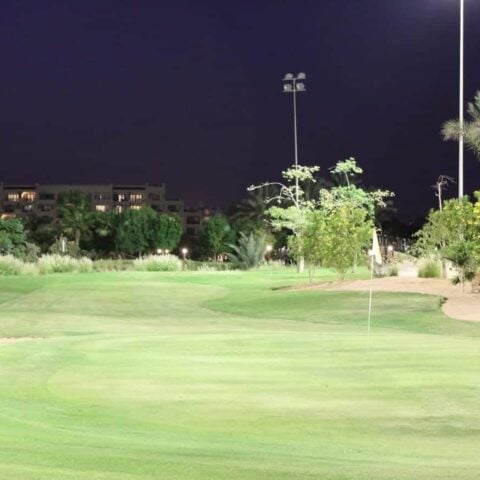
Sports facilities often require substantial light at long distances. For LED sports lighting, beam control, glare at player and spectator positions, field uniformity, and light reaching neighboring properties deserve a complete site study. A published BUG rating alone cannot adequately describe an elevated, aimed sports lighting installation. Confirm the governing sport’s lighting requirements and have an experienced designer or engineer evaluate the layout.
Why the IES File and Photometric Plan Matter More Than Any Single Rating
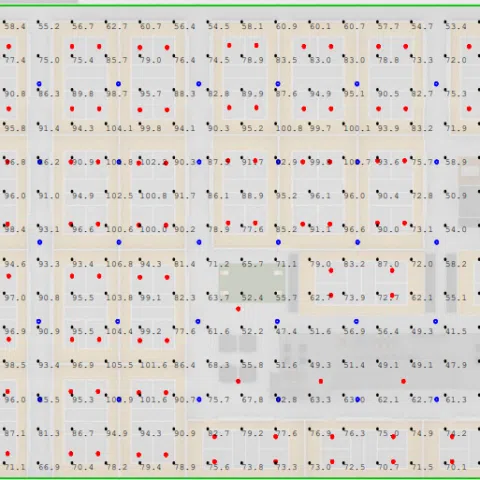
An IES file describes the tested intensity distribution of a specific fixture configuration. Lighting calculation software can use it with the site’s pole locations, mounting heights, orientations, and surface geometry to predict illumination. Ask for the IES file that matches the exact optic, wattage setting, lens, shield, and mounting configuration being purchased.
Useful results from a plan include average and minimum foot-candles, uniformity, high and low spots, illumination at sensitive boundaries, and how the light falls on the intended task area. The correct target levels depend on the application, applicable standards, local requirements, and the site’s operating conditions; there is no universal foot-candle target for every outdoor project.
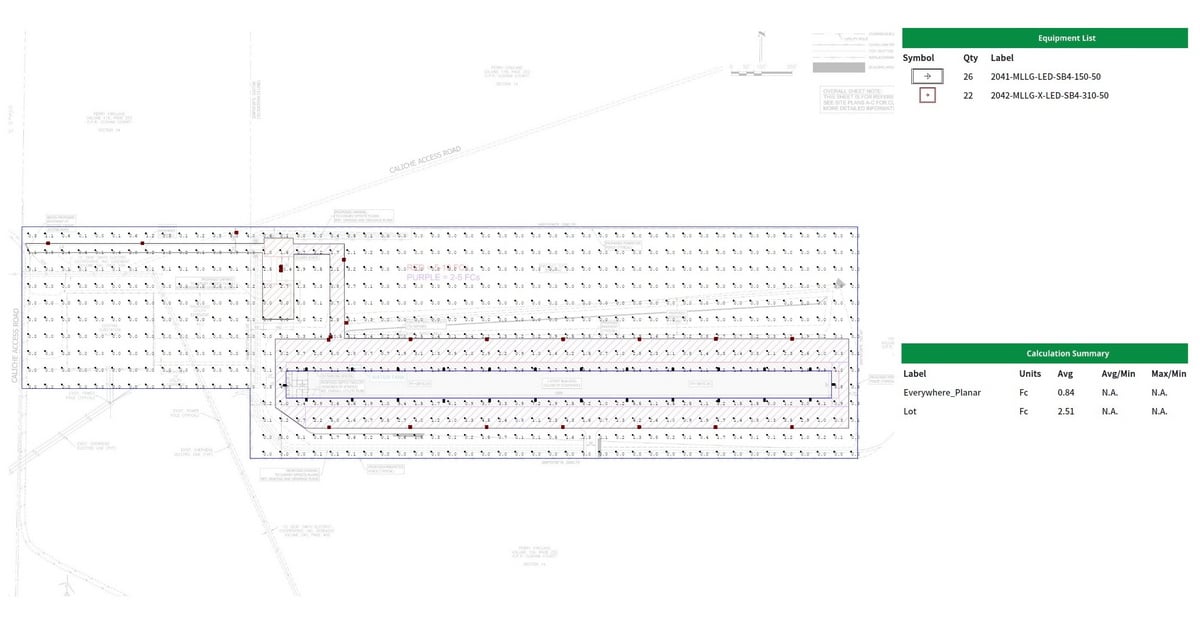
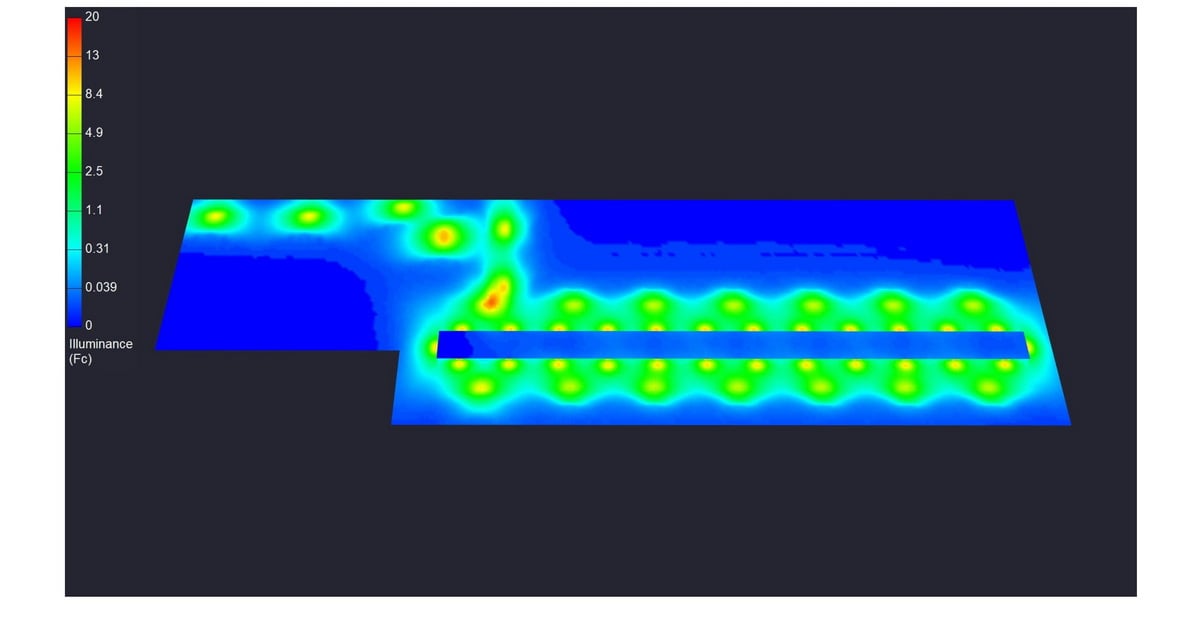
The lesson is practical: a fixture with favorable uplight characteristics may still be unsuitable if it creates dark areas, excessive brightness, or unwanted spill. Compare candidate fixtures in the same proposed installation instead of treating a rating as a substitute for a lighting design.
Before Buying: Check the Whole Fixture Specification
Light distribution is only one part of a reliable outdoor installation. Before ordering, verify:
- Optics and shielding: The specified distribution, available house-side shields, and any changes the shield makes to the photometric output.
- Mounting: Pole height, arm or slipfitter compatibility, leveling and aiming adjustment, and wind-loading requirements.
- Electrical compatibility: Supply voltage, wiring, driver specification, surge protection needs, and compatibility with photocells or dimming controls.
- Environment: Suitable wet-location listing, IP rating where applicable, corrosion exposure, temperature range, and maintenance access.
- Operations: Timer, photocell, or motion-based controls that reduce unnecessary nighttime operation while maintaining necessary lighting.
- Documentation: Photometric report for the exact configuration, installation instructions, warranty terms, and any required compliance documentation.
Certifications, Outdoor Lighting Rules, and DarkSky Approval
A BUG rating is a photometric classification, not an electrical safety certification. Confirm that the specific luminaire is appropriately listed or certified for its intended installation by a recognized body, such as UL or ETL where applicable. Energy-efficiency program listings, including DLC qualifications, serve different purposes and do not automatically verify low glare or a particular BUG rating.
DarkSky Approved is also different from U0 or a stated ULR. The commercial-luminaire criteria address upward and high-angle output as well as factors such as color temperature, dimming, shielding availability for certain fixtures, and electrical safety. Some products with a small amount of rated uplight can qualify under the program’s defined limits. Always verify approval for the specific product and version rather than assuming that a U0 or “full cutoff” description means DarkSky approval.
Local ordinances may establish limits on uplight, light trespass, permitted color temperature, operating hours, or lighting zones. Requirements differ by jurisdiction and project. Where outdoor lighting affects public roads, schools, sports venues, neighboring homes, or safety-sensitive industrial operations, use a qualified lighting professional and confirm applicable code and permit requirements before installation.
Warranty and Long-Term Suitability
Compare the written warranty for the exact model being purchased, including the covered components, labor or replacement obligations, exclusions, and claim process. Also consider whether replacement drivers, shields, optics, and mounting parts can be obtained in the future. A long rated LED life and a warranty term are not the same thing.
For an outdoor installation, service access matters. A highly efficient fixture that is difficult to maintain, incompatible with site controls, or inadequately rated for the environment may create avoidable costs over its service life.
Frequently Asked Questions About BUG Ratings and ULR
Is U0 the same as zero light pollution?
No. U0 identifies no rated direct uplight in the relevant photometric zones for the specified orientation. Reflected light, high-angle output below horizontal, and nearby light trespass can still contribute to unwanted nighttime lighting.
Is a lower BUG rating always better?
Not necessarily. Lower values generally indicate less light in the corresponding classification zones, but a fixture still needs to illuminate the intended surface. Compare beam distribution, mounting, and calculated results for the actual project.
Can a full cutoff fixture still cause glare?
Yes. Even a shielded fixture may appear uncomfortably bright from certain viewing positions. Glare depends on the installed geometry, viewing angle, fixture luminance, surrounding brightness, and other factors.
Does tilting a U0 flood light change its uplight performance?
It can. A U0 classification applies to the luminaire’s rated reference orientation. Tilting the luminaire upward changes how its beam relates to the ground and sky; evaluate the installed aiming position separately.
Can I select parking lot lights using BUG ratings alone?
No. BUG ratings help screen distribution characteristics, but selecting suitable parking lot lighting also requires verifying coverage, foot-candles, uniformity, glare, and property-boundary illumination using an appropriate photometric plan.
Choose the Light Distribution for the Site – not Just the Rating
BUG and ULR are valuable tools for comparing outdoor LED luminaires. They become useful buying information when combined with the fixture’s actual optics, shielding options, mounting conditions, environmental suitability, and verified photometric performance. Start with the area you need to illuminate and the places where light should not go.
Then compare fixture data and model the installation. LED Lighting Supply can help review appropriate commercial outdoor lighting options and provide photometric planning assistance for qualifying projects; site-specific compliance and safety decisions should be verified by the appropriate design professional.
Technical References
- Illuminating Engineering Society, ANSI/IES TM-15-20: Luminaire Classification System for Outdoor Luminaires.
- IES position on legislation and ordinances for outdoor light at night.
- DarkSky International, DarkSky Approved Luminaires guidelines (v3.1).
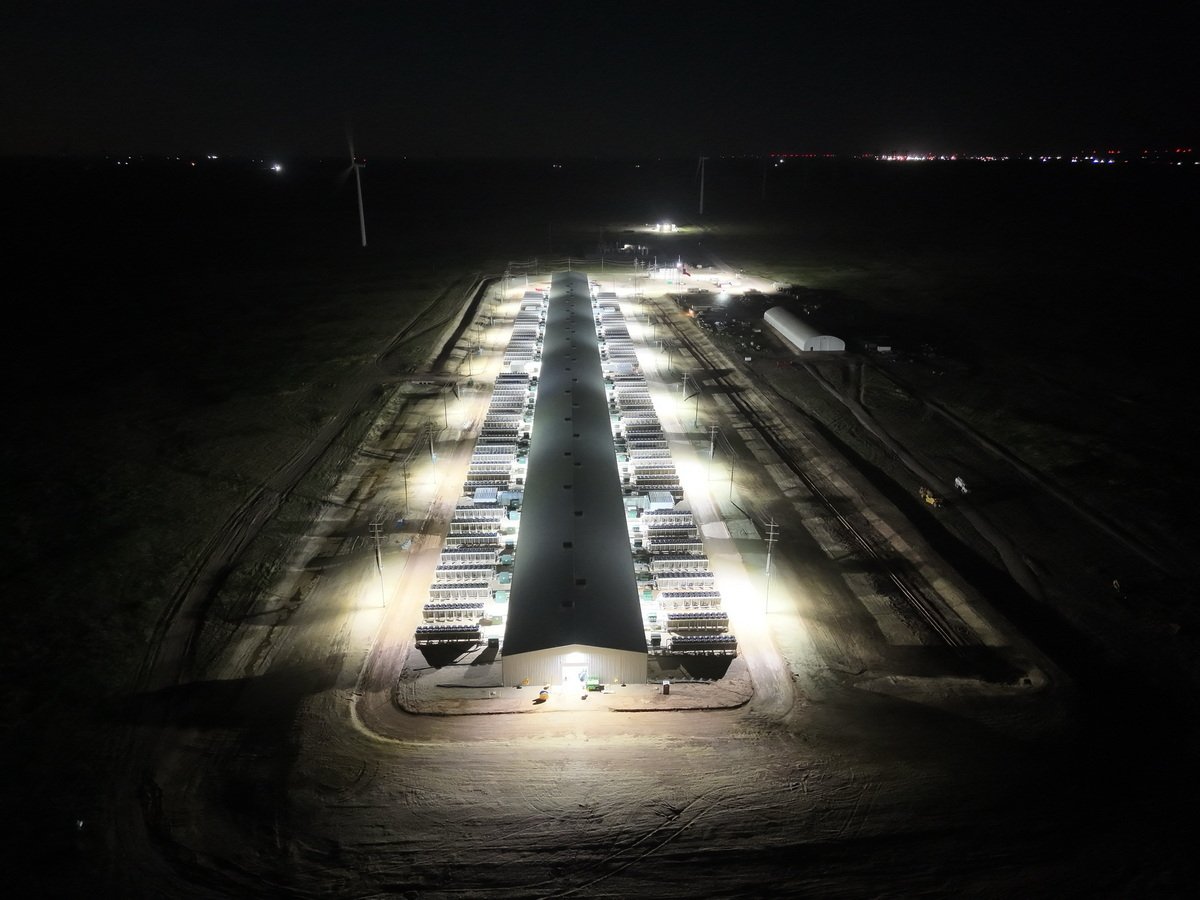
- LED Lighting Supply, LED Shoebox Lights: Wildorado, TX data-center project photography and photometric example.