Marine Pilings
- Wood and fiberglass options for saltwater and brackish environments
- Lengths available from 20 to 45 feet depending on project
- Selection support for material, class, and marine exposure needs



Our Marine Pilings include CCA-treated Southern Yellow Pine wood and fiberglass or composite options for waterfront construction projects. Available wood pilings include Class A, Class B, and Class C configurations in lengths from 20 to 45 feet. Fiberglass and composite pilings are available by diameter, wall thickness, structural rating, and material specification.
These products are used for marinas, boat slips, coastal piers, waterfront walkways, bulkheads, seawalls, boardwalks, fender systems, industrial waterfronts, and brackish or tidal environments.
-
 Starting At $4,165.00
-
 Starting At $1,090.91
 -
Starting At $4,641.00
-
Starting At $1,254.55
-
Starting At $5,355.00
-
Starting At $1,136.36
-
Starting At $1,072.73
-
Starting At $1,027.27
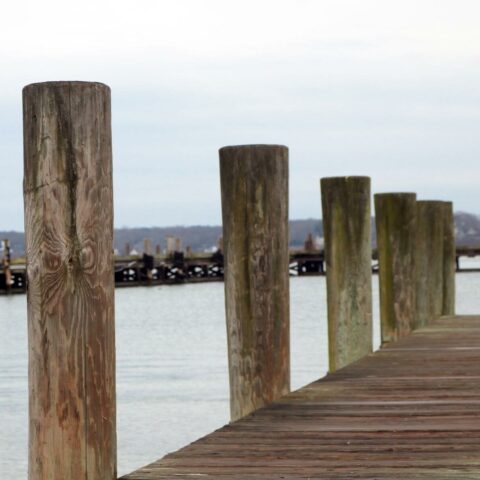




Marine Pilings
Marine pilings are used to support structures in waterfront and water-exposed environments, including marinas, coastal piers, boat slips, seawalls, bulkheads, boardwalks, fender systems, working waterfronts, and other marine construction projects. Unlike general dock pilings, marine pilings are often selected with closer attention to saltwater exposure, tidal movement, marine borers, corrosion, wave action, vessel impact, storm exposure, and long-term durability.
LED Lighting Supply offers wood and fiberglass piling options for marine applications. CCA-treated Southern Yellow Pine wood pilings are commonly used where treated wood is permitted and specified for the exposure and project design. Required preservative treatment and retention should match the applicable AWPA Use Category, documented water exposure, and local project requirements. Fiberglass or composite pilings may be considered for saltwater, brackish water, tidal zones, marina environments, industrial waterfronts, and projects where resistance to rot or corrosion is a priority. Verify the exact material construction, structural rating, and environmental suitability for the selected product.
Start with the water exposure and project structure, then confirm the material, required length and embedment, piling class or size, treatment specification, soil conditions, loads, and installation method. Final marine piling selection should be based on the project design and local marine construction requirements, not material preference alone.
Where Marine Pilings Are Used
Marine pilings are used in projects where water exposure, salt exposure, tidal movement, or harsh environmental conditions are major selection factors. These applications often require closer review than smaller freshwater dock projects.
| Marine Application | Selection Considerations |
|---|---|
| Marinas and Boat Slips | Marine pilings in marinas may be exposed to saltwater, boat contact, dock hardware, wake, tidal movement, and repeated wet/dry conditions. Material choice, treatment specification, and impact resistance should be reviewed carefully. |
| Coastal Piers and Waterfront Walkways | Coastal structures may require pier pilings suited to wave action, changing water levels, pedestrian or service loads, storm exposure, and long-term marine deterioration risks. |
| Bulkheads and Seawalls | Marine pilings used in shoreline-retention systems should account for lateral loads, soil movement, drainage, water pressure, corrosion exposure, and erosion-control requirements. |
| Fender Systems and Impact Areas | Marine pilings used near vessel-contact areas may need additional structural review for impact loads, spacing, mounting details, and hardware compatibility. |
| Industrial Waterfronts | Industrial marine applications may involve chemical exposure, heavier loads, equipment access, vessel activity, corrosion risk, and more demanding project specifications. |
| Brackish and Tidal Environments | Brackish water and tidal areas can expose pilings to changing salinity, oxygen levels, marine organisms, and wet/dry cycling that can affect material selection and wood-treatment requirements. |
Wood Marine Pilings vs Fiberglass Marine Pilings
Wood and fiberglass pilings can both be used in marine environments when properly specified. The best choice depends on salt exposure, marine-organism risk, design life, budget, installation method, structural requirements, and maintenance expectations.
| Piling Material | Best Fit for Marine Projects |
|---|---|
| CCA-Treated Wood Marine Pilings | Commonly used for marine structures where treated Southern Yellow Pine is permitted for the project and the preservative treatment matches the applicable exposure category. Wood may be a cost-effective choice for many piers, marinas, bulkheads, boardwalks, and waterfront structures when properly specified. |
| Fiberglass / Composite Marine Pilings | May be selected for saltwater, tidal, brackish-water, marina, industrial waterfront, and high-moisture applications. Suitability for rot, corrosion, marine organisms, chemicals, and repeated wet/dry exposure depends on the specific product materials, construction, and manufacturer documentation. |
Marine Piling Lengths and Installed Elevations
Marine piling length must account for more than the visible height above water. The total piling length should include the required exposed elevation, water depth, tidal range, wave conditions, mudline depth, and required embedment below the soil surface or bearing layer.
| Piling Length | Typical Marine Use |
|---|---|
| 20-25 ft Marine Pilings | May be used for smaller marine structures, shallow water, light-duty waterfront access, short boardwalk sections, guide piles, or lower-exposure areas when the project design and embedment requirements allow. |
| 30-35 ft Marine Pilings | May be used for deeper water, greater embedment depth, larger marina sections, coastal access structures, bulkheads, and marine projects that need more installed length than shorter pilings provide. |
| 40-45 ft Marine Pilings | May be used for larger marine structures, commercial waterfront projects, softer soils, higher exposed structures, stronger lateral requirements, or harsher coastal conditions where additional installed length is required by the design. |
The correct length should be confirmed from the project design and site conditions. Tidal range, storm surge, wave action, vessel impact, soil type, bearing depth, water depth, and required embedment can all affect final piling length.
Marine Piling Classes: Class A, Class B, and Class C
Wood piling classes are dimensional grading designations that help define the size range of a timber piling under the applicable specification. Class selection does not by itself establish structural capacity. In marine applications, the project design should account for loads, lateral forces, water exposure, installation method, soil conditions, pile length, and expected service environment.
| Piling Class | Typical Marine Use |
|---|---|
| Class A Marine Pilings | May be specified for heavier-duty marine projects, commercial waterfront structures, larger piers, marina areas, fender systems, or projects requiring larger timber dimensions under the applicable design and material specification. |
| Class B Marine Pilings | May be specified for moderate marine structural requirements where the project design calls for Class B dimensions. Applications can include marina, pier, boardwalk, and waterfront support structures. |
| Class C Marine Pilings | May be specified for lighter-duty marine structures and smaller waterfront applications when suitable for the project design, exposure, and required loading conditions. |
Fiberglass and composite marine pilings are typically selected by diameter, wall thickness, structural rating, material specification, and project requirements rather than wood piling class terminology. Confirm the required size, rating, and installation requirements before ordering.
What to Confirm Before Ordering Marine Pilings
| Selection Factor | Why It Matters |
|---|---|
| Water Exposure | Saltwater, brackish water, tidal movement, freshwater, wet/dry cycling, and marine-borer exposure can change material selection and wood-treatment requirements. |
| Piling Material | Wood, fiberglass, and composite materials have different properties in saltwater, impact areas, chemical exposure, and long-term marine environments. Verify the selected product's published specifications. |
| Piling Length | Total length must include required exposed elevation, water depth, tidal range, mudline depth, and required embedment below the soil surface. |
| Piling Class or Size | Verify Class A, Class B, Class C, diameter, wall thickness, or structural rating based on the project design and applicable material specification. |
| Wood Treatment Specification | Wood marine pilings should be treated for the applicable exposure category. Confirm the required preservative, retention, AWPA Use Category, and any local or project-specific requirements. |
| Soil and Bearing Conditions | Soft soils, sand, clay, rock, fill, and mixed soils can affect embedment depth, bearing capacity, installation method, and long-term stability. |
| Loads and Impact | Vertical loads, lateral loads, vessel impact, wave action, storm exposure, fender loads, and hardware loads can affect piling size and material choice. |
| Installation Method | Driving, drilling, jetting, and site access should be reviewed before finalizing material, class, length, and quantity. |
| Local Marine Requirements | Permitting, environmental rules, local codes, and authority requirements can affect piling material, treatment, installation method, and project approval. |
Get Help Selecting Marine Pilings
The right marine piling should match the water exposure, soil conditions, structural loads, required length, piling class or size, treatment specification, installation method, and long-term service environment. LED Lighting Supply can help review wood and fiberglass marine piling options, published product specifications, quantities, delivery needs, and project requirements before you order. Final structural design, site conditions, permitting, and installation requirements should be confirmed by the qualified project professionals and authorities responsible for the work.
Marine Pilings FAQs
How Do I Choose Between Wood And Fiberglass Marine Pilings?
Choose based on water exposure, marine organism risk, design life, budget, installation method, structural requirements, and maintenance expectations. CCA-treated Southern Yellow Pine is commonly used where it is approved and the treatment retention matches the exposure, while fiberglass or composite pilings are often selected where resistance to rot, corrosion, marine organisms, chemicals, and repeated wet/dry exposure is a priority.
What Should Marine Piling Length Include?
Marine piling length should include exposed height, water depth, tidal range, wave conditions, mudline depth, and required embedment below the soil surface or bearing layer. Soil type, bearing depth, storm surge, and vessel impact can also affect the final length.
How Do I Select The Right Wood Piling Class?
Wood piling class should be selected based on structural loads, lateral forces, water exposure, installation method, soil conditions, pile length, and expected service environment. Class A is generally used for heavier-duty projects, Class B for moderate structural requirements, and Class C may be used for lighter-duty structures when approved for the exposure and structural design.
How Are Fiberglass And Composite Marine Pilings Sized?
Fiberglass and composite marine pilings are typically selected by diameter, wall thickness, structural rating, material specification, and project requirements rather than wood piling class terminology. Confirm the required size, rating, and installation requirements before ordering.
What Water Conditions Should Be Considered When Selecting Marine Pilings?
Marine piling selection should account for saltwater, brackish water, tidal movement, freshwater, wet/dry cycling, and marine borer exposure. These conditions can change material choice and wood treatment requirements.
What Project Factors Can Affect Marine Piling Size And Material?
Vertical loads, lateral loads, vessel impact, wave action, storm exposure, fender loads, and hardware loads can affect piling size and material choice. Soil and bearing conditions, installation method, and site access should also be reviewed before finalizing the specification.
What Should Be Confirmed Before Ordering Marine Pilings?
Confirm the water exposure, material, length, piling class or size, wood treatment level, soil and bearing conditions, loads, installation method, and local marine requirements. LED Lighting Supply can help review wood and fiberglass marine piling options, quantities, delivery needs, and project requirements before ordering.