


Tennis Court Light Poles for Outdoor Court and Facility Lighting
- Proven durability with steel, aluminum, and composite materials resisting weather extremes
- Custom lighting plans designed by specialists with decade-plus tennis court expertise
- Energy savings calculations and ROI projections based on utility costs


Tennis court light poles are structural supports engineered for mounting lighting fixtures around outdoor and indoor tennis courts. These poles are typically installed along the sidelines in configurations such as four, six, eight, or nine-pole layouts, with placement tailored to the court’s size and the number of adjacent playing surfaces. Common materials include steel, aluminum, composite, and bronze, each selected for durability and suitability to site conditions. Tennis court light poles are found in recreational parks, athletic clubs, school facilities, and professional stadiums, forming the backbone of lighting infrastructure for these environments.
As part of our Commercial & Industrial Lighting Solutions, these poles are integrated into site layouts to accommodate flood lights or stadium fixtures, supporting consistent illumination across the playing area. Their physical arrangement and construction are chosen to align with the needs of single or multi-court installations, ensuring compatibility with the surrounding landscape and facility design.


Showing 25–28 of 28 results
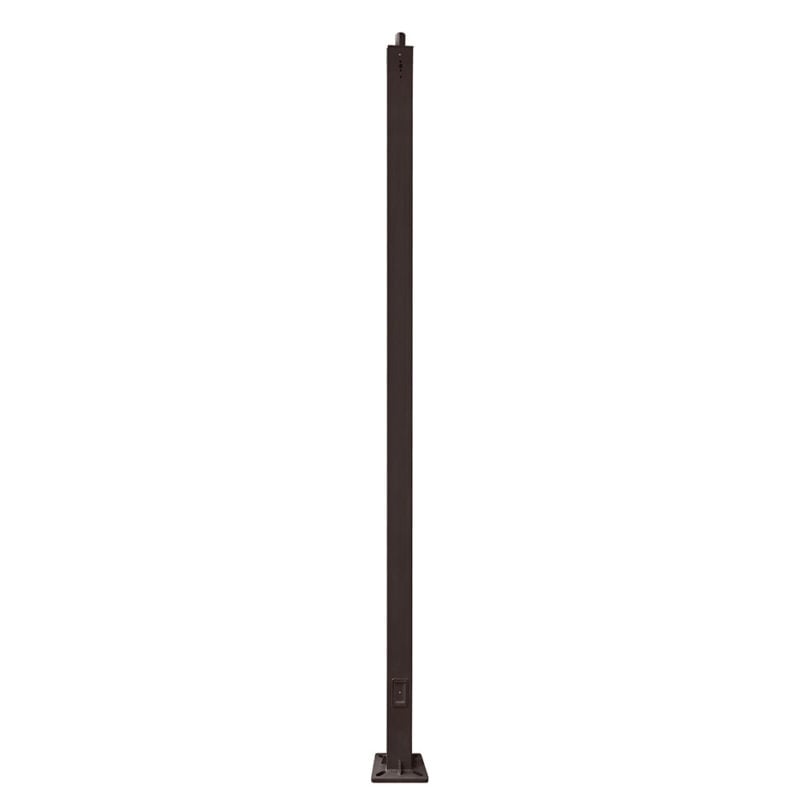
 SKU:MLLG-WG-POLE-CP-30-5SQ-DB | Web ID:2173Minimum Order: 4Minimum Order Total: $4,576.36Availability: 90 In Stock Ships 3-4 weeks
- Height Above Grade (ft): 30
- Pole Weight (lbs): 149
- Pole Width (in): 5
- Pole Color: Bronze | Black | White | Gray | Custom
- Pole Gauge: 0.25
- Warranty: 7 years
Starting At$1,144.09

- SKU:MLLG-WG-POLE-CP-30-5SQ-AB | Web ID:2510Minimum Order: 4Minimum Order Total: $5,812.72Built to Order 5 Weeks
- Pole Weight (lbs): 123
- Pole Width (in): 5
- Pole Color: Bronze | Black | White | Gray | Custom
- Warranty: 7 years
Starting At$1,453.18 - SKU:MLLG-WL-POLE-39FT-6-SQ-BZ-TN | Web ID:2748Minimum Order: 2Minimum Order Total: $5,981.48Back in Stock 7/25
- Pole Weight (lbs): 585
- Pole Width (in): 6
- Pole Color: Bronze
- Pole Gauge: 7
- Warranty: 1 year
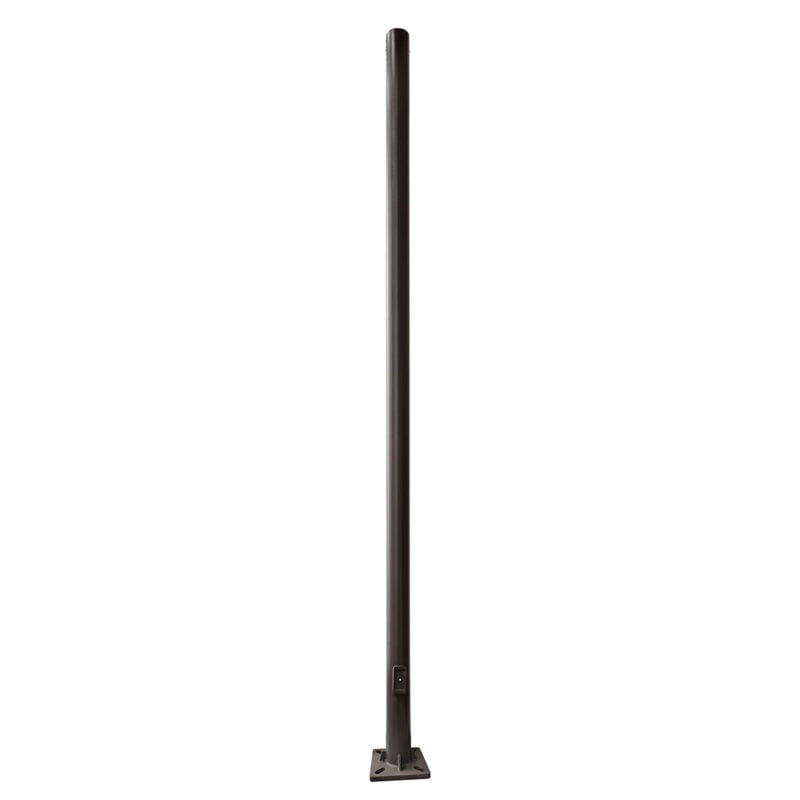
Starting At$2,990.74 - SKU:MLLG-WL-POLE-39FT-6-RD-BZ | Web ID:2749Minimum Order: 2Minimum Order Total: $5,981.48Back in Stock 7/25
- Pole Weight (lbs): 451
- Pole Color: Bronze
- Pole Gauge: 7
- Warranty: 1 year
Starting At$2,990.74





Tennis is a fast-moving sport that requires excellent dexterity and hand-eye coordination. When a small ball moves at high speeds, visibility is critical--especially on outdoor courts during cloudy weather or evening play. Tennis courts use tennis court lighting (flood lights and stadium lights) mounted on strategically placed tennis court light poles. Key features for tennis court pole systems include optimal height, durable materials, wind stability, proper electrical wiring, efficient lighting capacity, and accessible maintenance. Pole height and quantity depend on your court's location and the level of play supported.
4 Pole Tennis Court Layout
Four-pole layouts place two poles along each sideline. Baseline placement is avoided to ensure proper net area illumination and reduce glare. Each pole typically supports two fixtures, which is the minimum for adequate coverage. The main advantage is space efficiency with fewer poles, but tennis court light pole height must increase for proper light distribution, which can cause light spillover. Four-pole layouts are common for recreational courts.

6 Pole Tennis Court Layout
Six-pole layouts place three poles along each sideline, adding two center court positions compared to four-pole designs. Each pole mounts 1-2 fixtures as needed. This setup reduces shadows and light loss, as each pole covers a smaller area. The main drawback is higher installation cost due to more poles and wiring. For larger facilities, tennis court lighting poles in a six-pole configuration can provide improved uniformity and visibility.

8 Pole Tennis Court Layout
Eight-pole systems use four poles along each sideline with two additional center positions beyond six-pole layouts. This design provides even more uniform light distribution when properly specified, and allows for greater flexibility in tennis court pole height selection to meet specific lighting requirements.

9 Pole Tennis Court Layout
Nine-pole layouts illuminate two adjacent courts using a 3x3 grid. Three center poles between courts provide light for both surfaces. This minimizes total poles for dual-court setups. Center poles must support more fixtures, requiring stronger construction for the added weight. The tennis court pole layout is ideal for maximizing coverage while minimizing the number of poles needed for multi-court installations.

Types of Lighting Poles for Tennis Courts
Material selection for tennis court lighting poles directly affects both performance and long-term reliability. After working with hundreds of tennis court installations over 15+ years, we've seen how different materials perform in various environments:
- Steel Tennis Court Poles: Offer strong durability and wind resistance for outdoor courts. These poles support multiple heavy fixtures and maintain consistent illumination in changing weather.
- Aluminum Poles: Lightweight and corrosion-resistant, often with powder-coated finishes to prevent rust. Aluminum is preferred for its manageable weight and low maintenance.
- Composite Tennis Court Poles: Fiberglass construction resists rust and reduces maintenance. Recommended for coastal areas where saltwater exposure is a concern.
- Bronze Poles: Offer premium aesthetics and long-term performance, making them suitable for high-end facilities despite higher costs.
Choose materials based on local weather, wind loads, and maintenance capacity. The pole structure must support fixture weight and withstand severe weather throughout its life.
How Much Do Tennis Court Light Poles Cost?
Light pole pricing varies based on several factors:
- Pole height. Taller poles increase material and installation costs.
- Fixture load capacity. Poles supporting multiple heavy fixtures need stronger construction and reinforced mounts.
- Material selection. Steel poles cost more than wood, while fiberglass poles are priced higher due to their resistance to rot, rust, corrosion, and fire.
Review detailed specifications, including illumination needs and fixture features, to make cost-effective decisions that provide long-term value. Factoring in tennis court pole spacing can also help optimize both performance and budget.
What is the Ideal Spacing for Tennis Court Light Poles?
Understanding court boundaries and playing areas is essential before determining pole placement. Tennis court light poles offer flexible setup for various recreational and competitive environments. Proper spacing reduces shadows and minimizes glare, depending on site conditions.
What Height is Recommended for Light Poles for Tennis Courts?
Pole height depends on your venue's purpose, level of play, and total pole count. Based on our experience, here are general recommendations:
- Recreational / Residential - Parks and backyard courts typically use 20-26 foot poles. Lower heights help minimize light trespass while providing adequate illumination.
- Commercial - Athletic clubs and competitive venues benefit from 26-39 foot poles. Greater height reduces shadows. Six, eight, and nine-pole layouts work well with 1-2 fixtures per pole.
- Professional Tennis Stadiums - Professional venues often require 50-66 foot poles. The Association of Tennis Professionals sets minimum height requirements, but actual specs vary by venue.
Additional height considerations:
- Excessive pole height can cause unwanted light spillover to nearby properties. Shorter poles with LED fixtures and narrow beam angles can help address this.
- Insufficient pole height reduces the distance between lights and the court, creating uneven lighting and glare that may impair vision.
Do You Offer Tennis Court Lighting and Color Temperature Options as Well?
LED Lighting Supply provides lighting, fan, and pole solutions. We offer tennis court LED lighting fixtures for indoor and outdoor use. Our Product Specialists design custom lighting systems to improve court illumination and address poor lighting. LED fixtures eliminate HID warm-up delays and can reduce energy and maintenance costs, though results vary. Controls like motion sensors and photocells offer additional efficiency.
Why Choose LED Lighting Supply for Your Tennis Court Light Poles
LED Lighting Supply's specialists provide custom lighting plans for your court dimensions and illumination needs. Our team calculates energy savings projections based on your current system and utility costs, though estimates vary. With 15+ years of tennis court lighting experience, we guide you through wind load requirements, tennis court pole spacing, and fixture mounting to address issues like hot spots and uneven illumination, subject to site verification. Our specialists review your court layout, surrounding structures, and local regulations to recommend pole height, material, and layout options that can deliver professional-grade lighting within your budget.
Tennis Court Light Poles for Outdoor Court and Facility Lighting Frequently Asked Questions
What Are the Key Considerations When Selecting Tennis Court Light Poles?
When choosing tennis court light poles, consider pole height, material durability, and wind stability. The height and number of poles depend on the court's location and level of play. Durable materials like steel or aluminum are essential for outdoor use, while wind stability ensures consistent performance in varying weather conditions.
How Does the 4 Pole Tennis Court Layout Work?
The 4 pole layout places two poles along each sideline, avoiding baseline placement to reduce glare and ensure proper net area illumination. Each pole typically supports two fixtures, requiring increased pole height for adequate light distribution. This layout is space-efficient but may cause light spillover, making it suitable for recreational courts.
What Are the Benefits of a 6 Pole Tennis Court Layout?
A 6 pole layout adds two center court positions, reducing shadows and light loss by covering smaller areas per pole. While installation costs are higher due to more poles and wiring, this setup offers improved uniformity and visibility, ideal for larger facilities.
How Does an 8 Pole Tennis Court Layout Enhance Lighting?
An 8 pole layout provides even more uniform light distribution with four poles along each sideline and two additional center positions. This design allows for greater flexibility in pole height selection to meet specific lighting requirements, enhancing overall court illumination.
What Is the Advantage of a 9 Pole Tennis Court Layout?
The 9 pole layout uses a 3x3 grid to illuminate two adjacent courts, minimizing the total number of poles needed. Center poles support more fixtures, requiring stronger construction. This layout maximizes coverage while minimizing poles for multi-court installations.
Which Materials Are Best for Tennis Court Lighting Poles?
Material choice affects performance and reliability. Steel poles offer durability and wind resistance, aluminum poles are lightweight and corrosion-resistant, and composite poles resist rust, ideal for coastal areas. Choose based on local weather, wind loads, and maintenance capacity.
What Factors Influence the Cost of Tennis Court Light Poles?
Cost factors include pole height, fixture load capacity, and material selection. Taller poles and those supporting multiple fixtures require stronger construction, increasing costs. Material choice, such as steel or fiberglass, also impacts pricing.
What Is the Ideal Spacing for Tennis Court Light Poles?
Proper spacing depends on court boundaries and playing areas, aiming to reduce shadows and minimize glare. Consider site conditions to determine the best pole placement for both recreational and competitive environments.
What Height Is Recommended for Light Poles for Tennis Courts?
Pole height varies by venue purpose and level of play. Recreational courts typically use 20-26 foot poles, commercial venues benefit from 26-39 foot poles, and professional stadiums often require 50-66 foot poles. Consider light spillover and glare when selecting height.
Do You Offer Tennis Court Lighting and Color Temperature Options?
Yes, LED Lighting Supply provides LED lighting fixtures for both indoor and outdoor tennis courts. Our specialists design custom systems to improve illumination and reduce energy and maintenance costs. Options include controls like motion sensors and photocells for added efficiency.
Why Choose LED Lighting Supply for Your Tennis Court Light Poles?
With over 15 years of experience, LED Lighting Supply offers custom lighting plans tailored to your court dimensions and needs. Our specialists guide you through wind load requirements, pole spacing, and fixture mounting, ensuring professional-grade lighting within your budget.